
A coalition of Canadian media organizations have filed a lawsuit against OpenAI, the developer of ChatGPT, accusing the company of using their news articles without permission to train its artificial intelligence systems. The lawsuit, filed Friday in the Ontario Superior Court of Justice, seeks financial compensation and a halt to what the outlets describe as unauthorized use of their work. The plaintiffs include CBC/Radio-Canada, Postmedia, Metroland, the Toronto Star, the Globe and Mail, and The Canadian Press. In their joint statement, the outlets allege that OpenAI has been profiting from their content while violating copyright law. “OpenAI is capitalizing and profiting from the use of this content, without getting permission or compensating content owners”, the statement read. The legal action demands punitive damages and payment of any profits OpenAI earned by using Canadian news articles in developing its products. It also seeks an injunction to stop the company from using their articles in the future. The lawsuit is part of a larger global debate over the rights of content creators in the age of artificial intelligence. OpenAI, which has faced similar allegations in the United States, has previously defended its actions by saying it respects intellectual property and is committed to working with creators to develop fair compensation models. Media and technology expert, Richard Lachman, an associate professor at Toronto Metropolitan University, said the case raises difficult questions about how intellectual property laws apply to AI. “The argument of the companies is, ‘We’re essentially reading the news that was on a public website. That’s not illegal. A human can read the news”, Lachman said. He compared the situation to recent offers from book publishers to pay authors for using their work in AI training. “Clearly, there’s value. The question is, what is that value?”, he said. The lawsuit follows similar legal challenges abroad. In December 2023, the New York Times sued OpenAI and Microsoft, alleging their content had been used without permission. That case is ongoing. This latest legal move by Canadian media outlets signals a growing effort to ensure news organizations are properly compensated as AI systems reshape the way information is consumed and monetized. “This is about protecting the future of journalism”, said one media executive, who asked not to be named. “If we allow our work to be used without permission, it jeopardizes the entire ecosystem of quality reporting.” The outcome of the case could set a precedent not only for Canadian media but for content creators worldwide.

GitHub CEO Predicts AI Revolution to Upend Half of Engineering Jobs, Urges Developers to Adapt
GitHub CEO, Thomas Dohmke has warned that artificial intelligence may take over as much as half of all engineering roles, and urged workers to focus on acquiring new skills to stay relevant in the industry. Speaking in an interview with the Economic Times, Dohmke said the industry is already experiencing a significant shift and stressed that adaptation is key to navigating the changes. “We’re not worried about AI taking away half the engineering jobs”, Dohmke said. “I think we’re much more worried that AI has added additional skills and challenges to what a full-stack engineer has to do today.” His remarks comes as automation powered by AI tools has led to widespread job losses in the tech industry, leaving many developers anxious about their future. However, Dohmke expressed optimism, pointing to emerging opportunities such as “prompt engineering”, where developers craft specific instructions for AI systems like GitHub Copilot and ChatGPT. Dohmke believes these new roles could reshape the industry, encouraging workers to shift from traditional coding to mastering how to guide AI effectively. “The shift to AI is generating new sorts of jobs that people must switch over to”, he added. GitHub, owned by Microsoft, has played a pivotal role in integrating AI into the tech ecosystem. Its flagship product, GitHub Copilot, uses AI to help developers automate coding tasks. While this innovation has been widely praised for its efficiency, it has also raised questions about the future role of human programmers. While some see this as a bleak future for developers, Dohmke believes it marks the beginning of a new phase in technology—a shift that will reward those ready to adapt.

Africa’s Broadband Future Takes Shape at 2024 Congress in Cape Town
Leaders from across the technology, finance and government sectors gathered this week in Cape Town for the 2024 Broadband Development Congress to discuss Africa’s path to wider internet access and the growing role of artificial intelligence in transforming the continent’s digital landscape. The event, organised by the World Broadband Association (WBBA) as part of the Africa Tech Festival 2024, served as a platform for new ideas and partnerships aimed at addressing the continent’s digital gaps and improving broadband access. A key moment at the event was the release of a whitepaper titled ‘The Role of AI in Fixed Networks Sustainability’, which explored how AI can help build more reliable, energy-efficient networks. “Africa has the resources, the talent, and the potential to lead the next phase of the digital revolution”, said Dr. Li Zhengmao, Chairman of the World Broadband Association (WBBA), in his opening remarks. He emphasised how expanding internet access can open opportunities in education, healthcare, and commerce for millions across the continent. The Congress came at a pivotal time, with broadband subscriptions rising 22% in the past year and revenue projected to grow to $6.7 billion by 2029. Despite these gains, the digital divide remains a significant hurdle, with many communities still lacking affordable, reliable access to the internet. Leaders like Guinea’s Chief of Staff Nfaly Sylla emphasised on the importance of national initiatives while citing Guinea’s National Data Centre as a model for other African nations. “We must create systems that ensure every citizen, no matter where they live, has access to the tools they need to succeed”, Sylla said. The role of telecom companies was another hot topic. Ke Ruiwen, CEO of China Telecom, spoke about the shift from traditional telecom operations to technology-driven companies, urging investors to view Africa as a key market for growth. “Our future success is tied to Africa’s ability to thrive digitally”, Ruiwen said. Discussions also touched on practical steps to improve broadband access, including affordable financing models, regulatory reforms and scalable infrastructure. Experts like Dr Sunil Piyarlall of Openserve called for fairness in how digital infrastructure is distributed, while Pieter Viljoen of Yangtze Optics Africa Cable outlined strategies to meet the rising demand for fiber networks. The potential of AI was a recurring theme throughout the event. According to WBBA Director General, Martin Creaner, AI offers tools to make networks more efficient and sustainable, but only if operators prioritize quality data. “The technology is here. Now it’s about making sure we use it wisely and effectively”, Creaner said in his closing remarks.

Apple to Unveil Major Redesigns with iPhone 17 Pro
Apple is preparing to introduce its iPhone 17 Pro, and reports suggest it will feature a major redesign, which will mark the most dramatic changes to the Pro series in years. Sources close to the company have revealed that the device will reintroduce aluminium frames and showcase a bold new camera design. The move to aluminium frames, replacing the titanium used in recent Pro models, reflects Apple’s response to customer feedback on prioritising weight and cost considerations. The new design will also feature a rectangular aluminium camera bump, departing from the glass used in earlier iterations. The aluminium frame, a throwback to earlier models, aims to strike a balance between strength and accessibility, while addressing concerns over the cost of titanium and its practicality. The polished aluminium finish on the upper part of the phone, combined with a glass base to support wireless charging, is expected to maintain the premium feel users expect from the Pro line. Meanwhile, the redesigned camera bump will integrate upgraded sensors and lenses to enhance photography capabilities, a feature that has consistently been a major selling point for the Pro series. The Pro models have faced criticism for their updates in recent years. By introducing these changes, Apple aims to re-engage loyal customers and keep its flagship devices competitive in a crowded market. Apple has not yet announced an official release date for the iPhone 17 Pro, but industry analysts expect further details to emerge before the end of the year.
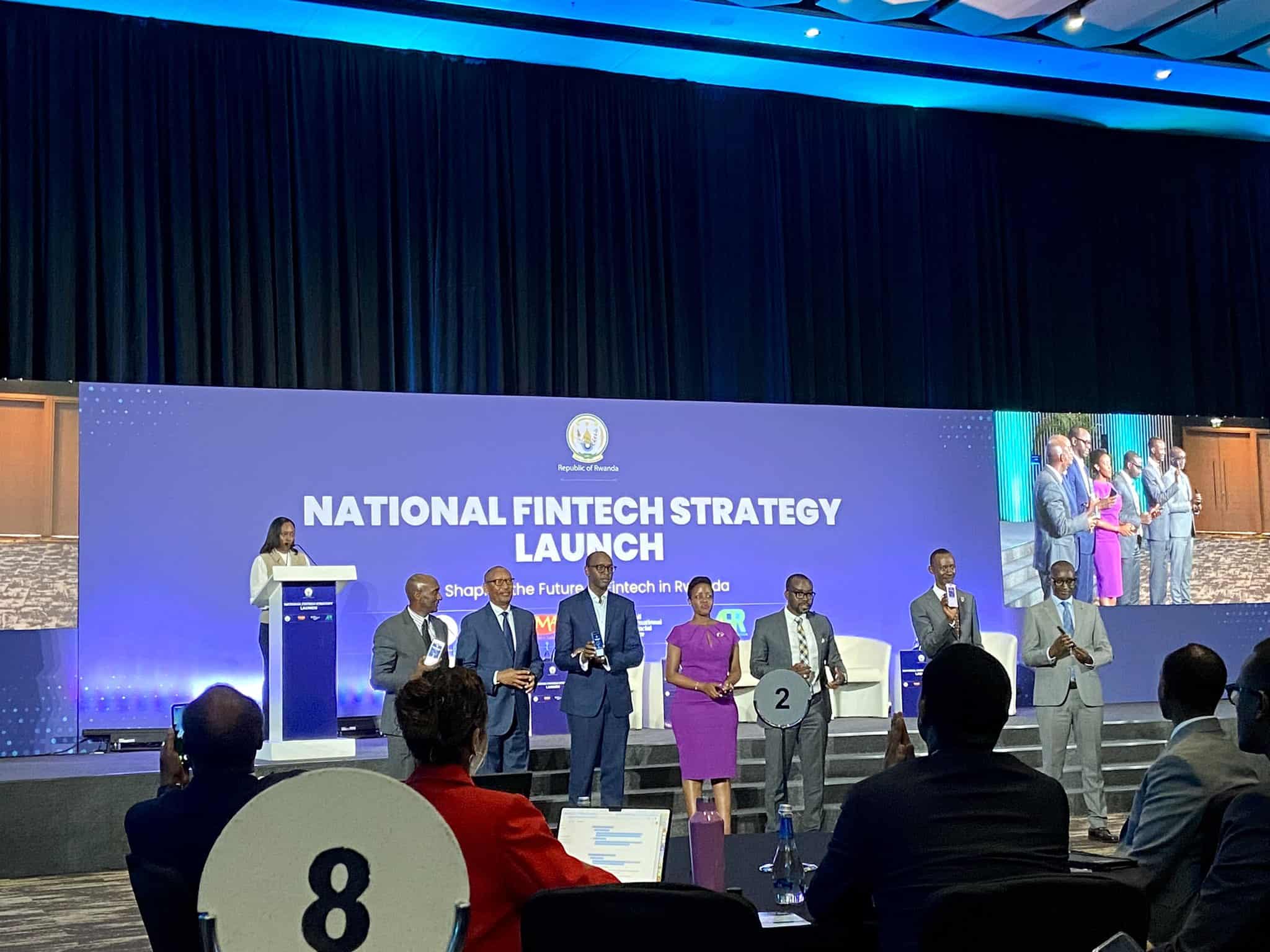
Rwanda Reveals Bold Plan to Become Africa’s Fintech Leader
Rwanda has set its sights on becoming a leading fintech hub in Africa with the launch of its National Fintech Strategy, a five-year roadmap designed to drive financial inclusion, attract investment, and spark innovation. The initiative was unveiled on November 28 by the Ministry of ICT and Innovation, in collaboration with Access to Finance Rwanda (AFR). The strategy, themed “Shaping the Future of Fintech in Rwanda”, highlights the country’s ambition to revolutionise its financial sector and build a resilient digital ecosystem. The launch event featured sandbox demonstrations and exhibitions from the National Bank of Rwanda, showcasing the nation’s progress in fintech innovation. The Rwandan Minister of ICT and Innovation, Paula Ingabire emphasised the collective effort behind the strategy’s development. “We have worked closely with stakeholders to understand and address the challenges fintech companies face”, she said. “Rwanda’s 96% financial inclusion rate shows how far we’ve come, but we need to keep building on this progress together.” The CEO of AFR, Jean Bosco Iyacu, applauded the commitment of the Rwandan government to fostering innovation. “This strategy brings everyone to the table, creating an environment where ideas can flourish and markets can grow”, he said. Iyacu also noted interoperable platforms like e-Kash as examples of how the fintech ecosystem is evolving to reduce costs and enhance integration. Governor of the National Bank of Rwanda, John Rwangombwa credited fintechs with bridging access gaps and highlighted the success of the Fintech Heritage Sandbox, which has supported over 50 fintechs since its launch in 2022. “The sandbox allows fintechs to test innovations in a controlled environment, balancing creativity with responsible risk management”, he said. Minister of State for the National Treasury, Richard Tusabe echoed the sentiment, noting that Rwanda’s future lies in its ability to blend innovation with oversight. “Financial technology can transform services, but it’s critical to maintain stability and protect stakeholders as we advance”, Tusabe said. Rwanda’s National Fintech Strategy represents more than just a policy and is also a vision for economic transformation. As the country steps into the spotlight, it hopes to inspire other African nations to embrace innovation and harness the power of technology for inclusive growth.

Osun Airport Relocation: Technical Committee Defends Move Amidst Public Outcry
Osogbo, Nigeria – The Osun State Government’s Technical Committee has defended its decision to relocate the proposed airport project from Ido Osun to Ede, the hometown of Governor Ademola Adeleke. The move has sparked controversy and allegations of nepotism, but the committee insists that the relocation is based on technical and safety considerations. During a press briefing in Osogbo, Mr. Lai Oriowo, a member of the Technical Committee, explained that the current site at Ido Osun failed to meet key aviation standards. He highlighted several inadequacies, including insufficient runway length, the presence of obstructive structures like Adeleke Secondary School, and inadequate culverts and drainage. “The existing runway at Ido Osun is only 1.67km, far below the required 4.8km for a standard airport,” Oriowo stated. “Siting the runway at this location would require significant displacement of settlements and demolition of existing structures, making it unfeasible.” The committee’s findings also revealed that the terminal building and control tower were improperly located, further complicating the project’s feasibility at the Ido Osun site. After considering alternative locations, the committee determined that Akoda in Ede met all necessary conditions for the airport project. Despite the technical justifications, the decision has faced strong opposition from the All Progressives Congress (APC) and residents of Ido Osun. The APC accused Governor Adeleke of nepotism, arguing that the relocation was a selfish move that disregarded the billions of naira already invested in the Ido Osun site since the administration of ex-Governor Olagunsoye Oyinlola. Residents of Ido Osun, led by the Eesa of Ido-Osun, Chief Oyewale Basiru, and former Osun State Assembly lawmaker, Abiodun Awolola, staged a peaceful protest against the relocation. They demanded that the project remain in Ido Osun, arguing that the government’s explanation of encroachment on the land was insufficient. Governor Adeleke’s administration, however, maintains that the decision to relocate the airport is rooted in technical and safety considerations, not politics. The state government has assured that the existing airport at Ido Osun, now under the control of the Air Force, will serve as a training school and alternate airport in line with the existing Memorandum of Understanding between the State Government and Air Force. The controversy surrounding the relocation of the Osun airport project continues to unfold, with critics questioning the governor’s motives while the state government insists on the necessity of the move for the project’s success.