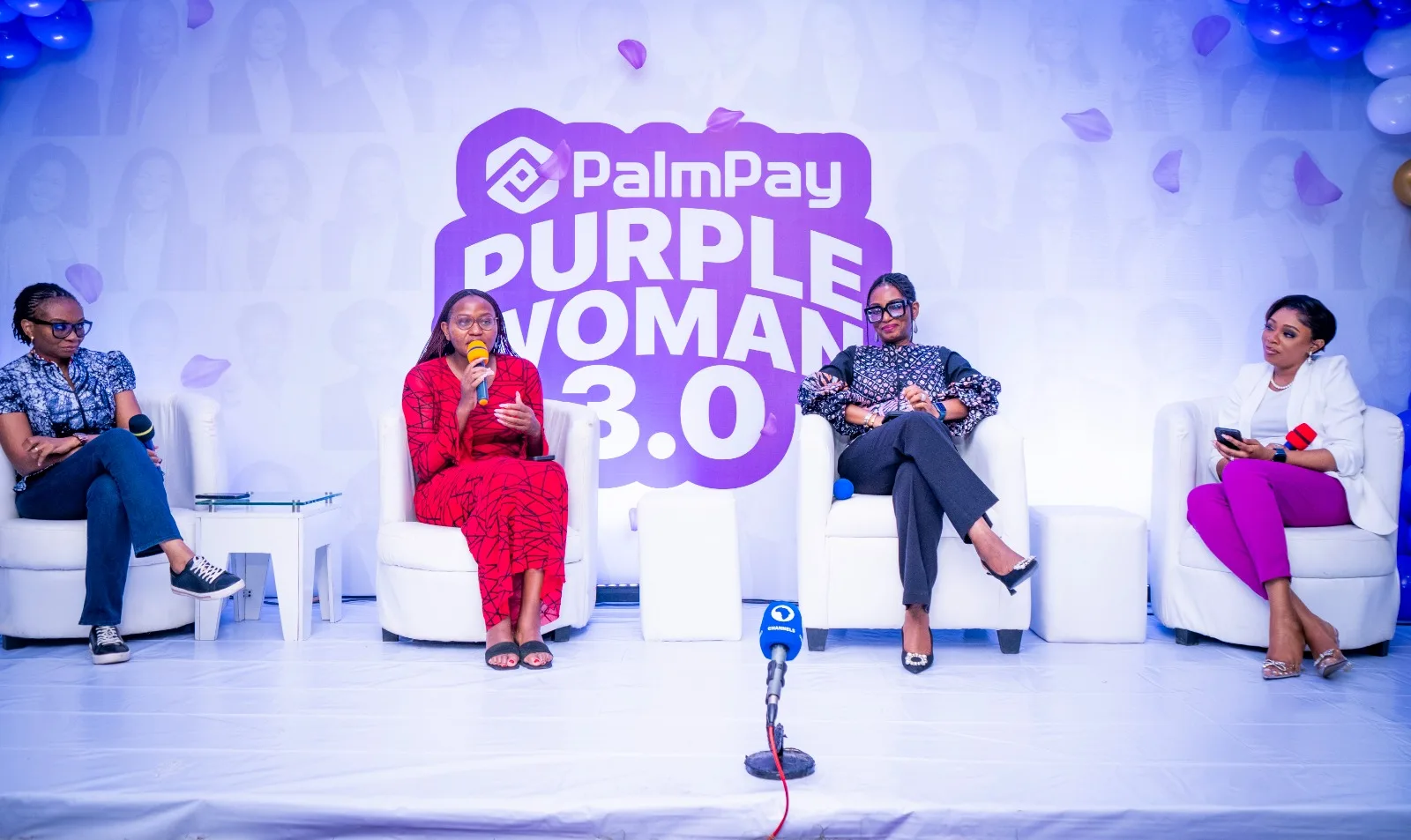
PalmPay Nigeria has concluded a three-day empowerment program, “Purple Women 3.0,” providing technical training to 100 women to improve female representation in the fintech sector. Now in its third year, the program coincides with International Women’s Day (IWD) and is organized in collaboration with the Global Women’s International Campaign Nigeria.The program, which was held from March 5 to March 7, 2026, aimed to equip participants with skills ranging from software engineering to product management, in order to mitigate the gender imbalance in technical and leadership roles. The 100 participants received training in seven key disciplines, which include, Data Analysis, Software Engineering, UX/UI Design, Product Management, Digital Marketing, Human Resources, and Personal Finance.Chika Nwosu, Managing Director of PalmPay Nigeria, stated that by expanding women’s participation is a necessity for a robust digital economy; “We launched this initiative because we realised that there are still very few women in fintech and in the wider tech ecosystem. Our goal is to help bridge that gap and create pathways that allow more women to build meaningful careers” At the conclusion of the program, ten outstanding participants were awarded immediate internship placements at PalmPay to gain hands-on industry experience and mentorship.

Bolt, FRSC train 100+ e-hailing drivers in Abuja to curb road crashes
Bolt and the Federal Road Safety Corps (FRSC) have concluded a road safety education program for over 100 driver-partners and couriers in Abuja, aimed towards reducing road accidents through improved driver behavior and compliance with traffic regulations.This partnership aims to bridge the gap between digital mobility technology and physical road safety enforcement.According to Bolt report, more than 100 drivers and couriers underwent training on fatigue management, defensive driving, and the legal consequences of driving under the influence.Officials from the FRSC FCT Sector Command provided instruction on speed limits, overtaking rules, and mandatory seatbelt usage.Weyinmi Aghadiuno, Bolt’s Head of Regulatory and Policy for Africa, emphasized that technology alone cannot guarantee safety: “Safety is fundamental to how mobility platforms operate, and it goes beyond technology. Partnering with the FRSC allows us to equip our driver-partners and couriers with practical knowledge to navigate Nigerian roads safely every day” – Aghadiuno Meanwhile, the FRSC stressed that while the role of technology cannot be downplayed, human compliance is the primary factor in preventing fatalities. Corps Commander Felix N. Theman of the FCT Sector Command stated that road safety is a shared responsibility and that all road users should prioritize safe driving practices at all times: ”Road safety is a shared responsibility. Continuous education and compliance with traffic regulations are critical in preventing road crashes. We commend Bolt for working with the Corps… and we encourage all road users to prioritise safe driving practices at all times” – Theman Drivers are encouraged to utilize the features of the platform to monitor their working hours and prevent fatigue. The FRSC plans to continue monitoring e-hailing compliance through increased road patrols and engagements with stakeholders.
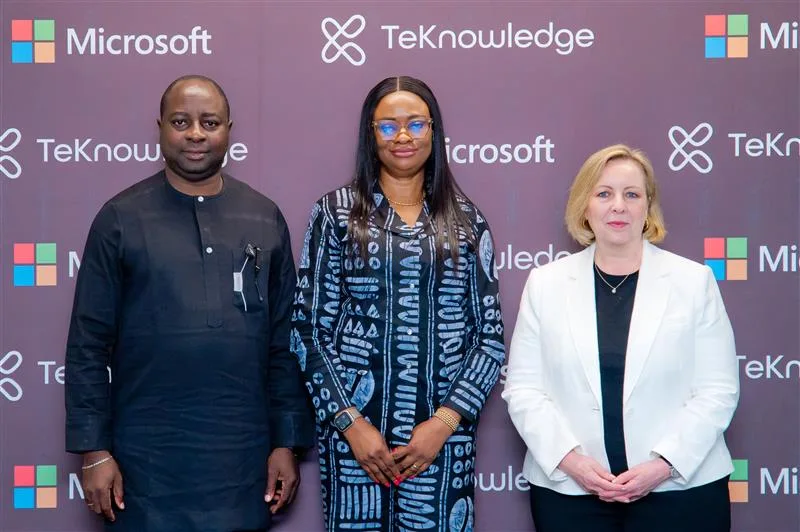
Microsoft, TeKnowledge launch Phase 2 AI skilling program in Nigeria
TeKnowledge and Microsoft has announced the second phase of its AI National Skilling Initiative, to equip an additional 10,000 Nigerians with advanced artificial intelligence capabilities in order to bridge the gap between technical training and professional employment. The partnership between TeKnowledge and Microsoft in 2025, was aimed towards building foundational AI literacy across the country. Phase 1 successfully reached over 50,000 Nigerians, with 3,000 participants earning original Microsoft AI certifications. Phase 2 is targeted at reaching university students, members of the National Youth Service Corps (NYSC), entrepreneurs, and women through a hybrid learning model of virtual and in-person instruction. The program offers a dedicated Career Fair to connect graduates with employers and partners, in order to transform skills to livelihoods. The program makes use of agentic AI solutions, by building on Phase 1 successes where developers created tools for risk assessment, fraud detection, and document verification using the Microsoft Semantic Kernel. “Africa has an incredible opportunity to become not only a participant, but a builder and co-creator in the global AI economy. By deepening AI skills and diffusing AI adoption throughout the economy, Nigeria and the African continent stand to benefit” – Olatomiwa Williams, Chief Growth and AI Officer at Microsoft Middle East and Africa The rollout for Phase 2 commences immediately, targeting universities and NYSC camps across the country.
INEC digital glitch raises red flags for 2027 polls
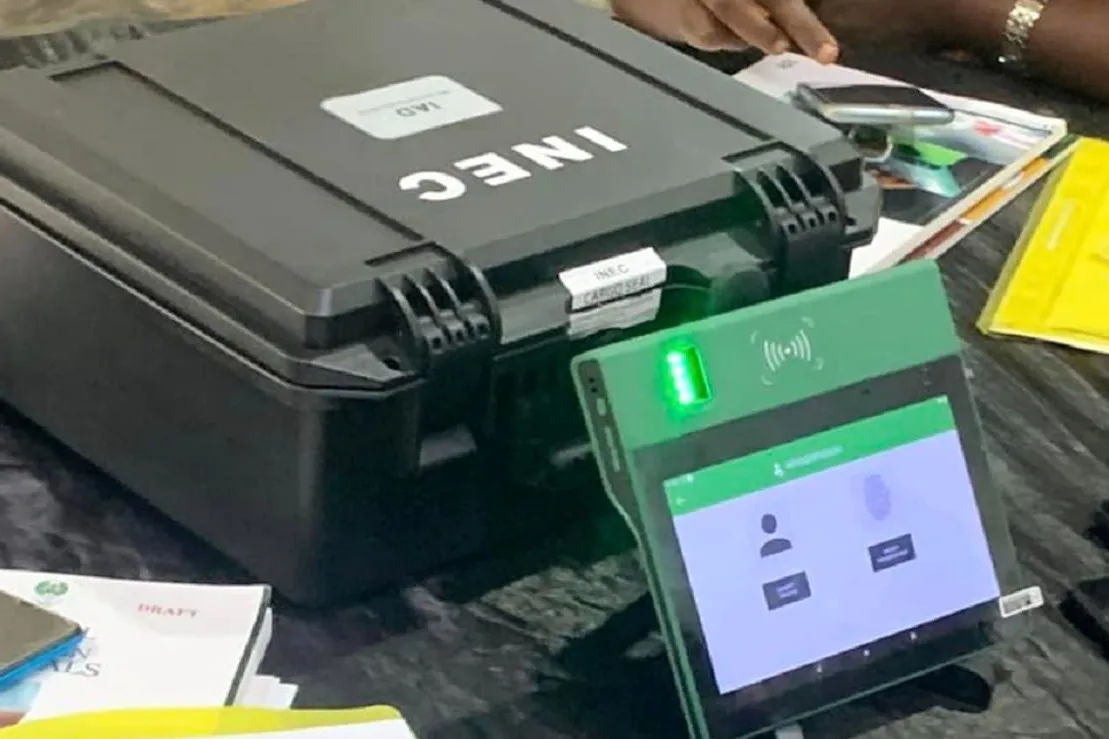
The Independent National Electoral Commission (INEC), is currently facing fresh scrutiny after its official website homepage suddenly went offline. Since Thursday evening, visitors trying to access the website of the electoral body, have been met with a 404 error, meaning the page cannot be found. However, some parts of the website are still working normally. The Continuous Voter Registration portal and other internal pages remain accessible, meaning the problem may not be a full system failure but rather a technical error affecting only the homepage. Technology experts state that the issue could be linked to a backend configuration mistake, such as the homepage being accidentally deleted, unpublished, or affected by a recent update to the content management system of the site. While such problems can be fixed quickly by administrators, the electoral commission has not yet released any official statement explaining the outage or when the homepage will be restored. The incident is already raising questions about digital electoral infrastructure of the country, especially as the 2027 general elections approach. Under the Electoral Act 2026, INEC is required to publish the necessary election information online, including voter registers, candidate lists, and election results. The commission has also promised to transmit election results electronically in real time during future elections using technologies like the Bimodal Voter Accreditation System. However, many Nigerians say the current website issue raises concerns about whether INEC’s digital infrastructure is fully prepared for such a critical task ahead. During the 2023 elections, INEC’s result viewing portal faced delays in uploading results, raising nationwide debate over the reliability of its digital infrastructure. As of now, the homepage remains offline, and the electoral commission has yet to publicly address the issue. Details later……

Google expands AI search to Yoruba, Hausa
Google has expanded its artificial intelligence (AI) search capabilities to include Yoruba and Hausa, which are the two most widely spoken languages in Nigeria. This feature permits users to access AI Overviews and AI Mode for conversational queries and summaries in their native tongues.Google’s expansion currently covers 13 African languages including Swahili, Amharic, and isiZulu, which were selected based on high search volumes and digital engagement. This expansion comes after the launch of Nano Banana 2, last month, in Nigeria, which is a high-fidelity image generation model that allows creators to generate professional visuals via text prompts.The update integrates Yoruba and Hausa into the primary AI search tools of Google, thereby enabling voice and text-based conversational exploration for millions of speakers.The tools are designed to assist entrepreneurs and creators, and also allow local traders to seek business advice in their preferred language.Google stressed that the expansion will democratize access to advanced tools, by removing language barriers. This makes it possible for students in Kano who speak Hausa and traders in Ibadan who speak Yoruba language to communicate effectively without language barrier. As good as this upgrade is, there is also a call by stakeholders for rigorous monitoring to ensure that AI-generated summaries in local languages maintain factual accuracy and avoid cultural nuances being lost in translation.
Telecoms must alert on cyber threats within 4 hours, set up SOCs – NCC
The Nigerian Communications Commission (NCC) has issued a directive that requires all telecommunications companies to report cyber attacks within four hours of detection. The directive, which can be found in the newly released Cyber Resilience Framework for the Nigeria Communication Sector (CRF-NCS) dated February 2026, is targeted at promoting national security and safeguarding the data of subscribers across the digital infrastructure of the country. The CRF-NCS complements the Revised Internet Code of Practice 2026, which already permits telcos to notify affected subscribers of data breaches within 48 hours. The goal of the NCC is to create a real-time situational awareness map to mitigate systemic risks before they impact the national economy.Operators are obliged to notify the NCC via a dedicated portal within four hours of detecting a threat, followed by status updates every four hours and a full report within 24 hours.All telcos, including MTN, Airtel, and Globacom, must establish a dedicated Cyber Security Operations Centre (SOC) to monitor and detect malicious activities continuously. The NCC has provided a one-year grace period, starting in February 2027. “The framework aims to foster a unified and resilient cybersecurity stance while strengthening the protection of telecom infrastructure against cyberattacks… enabling service providers to effectively respond to, recover from, and also learn from cybersecurity events” – NCC Telecom operators have twelve months grace period to integrate these requirements into their internal structures.