
The International Institute of Tropical Agriculture (IITA) has honoured Nigerian scientist Dr. Mercy Elohor Diebiru-Ojo after she was named a 2025 Africa Food Prize laureate for pioneering the application of Semi-Autotrophic Hydroponics (SAH) technology in multiplying cassava and yam seedlings. The award, announced earlier this month at the Africa Food Systems Forum in Dakar, Senegal, recognises her groundbreaking work in improving seed systems for two of Africa’s staple foods. Dr. Diebiru-Ojo shared the prize with Kenyan scientist Professor Mary Abukutsa-Onyango, with each receiving part of the US$100,000 award. Dr. Diebiru-Ojo’s SAH technology enables rapid, clean multiplication of cassava and yam planting materials that are disease-free and vigorous, addressing longstanding challenges in seed multiplication that have traditionally limited crop yields and food security. Unlike conventional methods where planting material multiplication is slow and prone to pests and diseases, SAH provides farmers faster access to high-quality seedlings at scale. The technology has been deployed in more than 15 African countries, including Nigeria, where multiple production facilities are operational, some with government support to empower local farmers. IITA Director General Dr. Simeon Ehui hailed the achievement as a landmark for African agriculture, noting: “It is a proud day for our Institute and a significant moment for African agriculture. Dr. Diebiru-Ojo’s leadership has been pivotal in advancing Semi-Autotrophic Hydroponics (SAH) node culture for cassava and yam, two of Africa’s most important staples. SAH is a clean, nursery-based method that rapidly multiplies disease-free plantlets at scale, lowering risk, shortening time to field, and strengthening seed systems end-to-end.” Dr. Diebiru-Ojo, a plant breeder with a PhD from the West Africa Centre for Crop Improvement, expressed gratitude to IITA, CGIAR, Nigeria’s National Root Crops Research Institute, and other partners who supported the research. She emphasized that the award is a beginning rather than an end, urging continued efforts towards food security in Africa. The affordability of the SAH technology, dubbed “cassava-in-a-box,” makes it accessible to smallholder farmers, costing around ₦800 per 25 plants in Nigeria, with farmers appreciating its reliability and yield benefits.
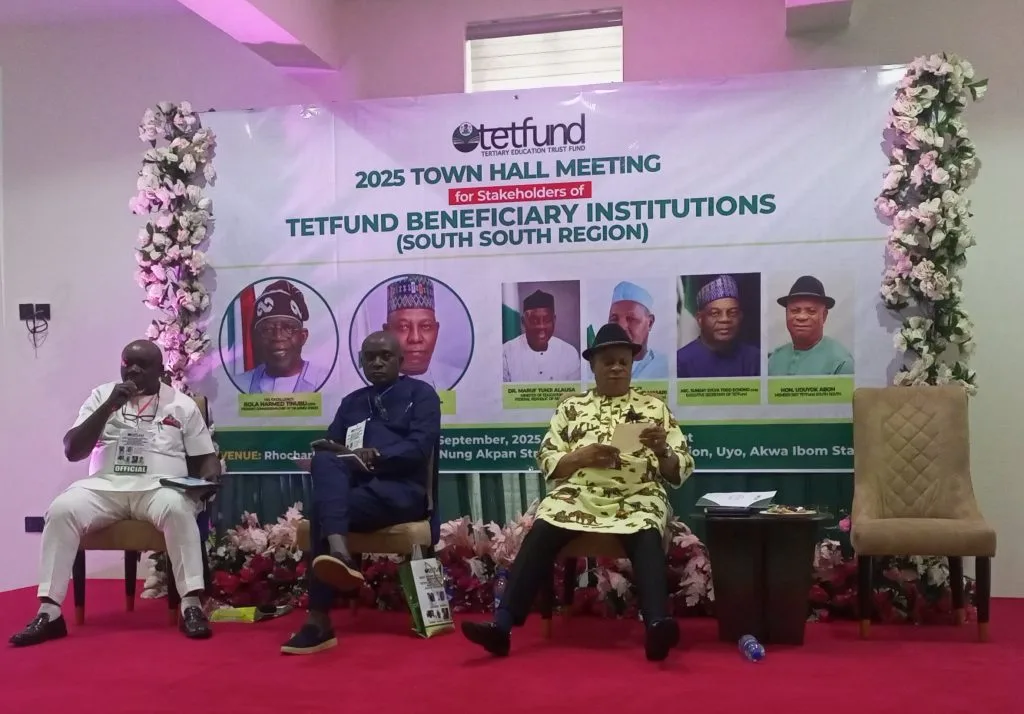
TETfund allocates N70 billion to 18 Nigerian institutions for mini grid power projects
The Tertiary Education Trust Fund (TETfund) has committed N70 billions to support mini grid power projects across 18 Nigerian tertiary institutions. According to a Daily Post Nigeria report, the initiative aims to improve power supply independence and sustainability on campuses, addressing chronic electricity challenges that affect academic activities. The announcement was made in September 2025 during a virtual briefing by TETfund officials based in Abuja. The fund’s Executive Secretary, Dr. Suleiman Bogoro, stated that the project targets a critical gap in the power infrastructure of universities, polytechnics, and colleges of education nationwide. He also emphasized the move as part of TETfund’s broader strategy to advance infrastructural development and promote renewable energy adoption within the education sector. He also emphasized the move as part of TETfund’s broader strategy to advance infrastructural development and promote renewable energy adoption within the education sector. “This allocation will facilitate the installation and operation of solar and other renewable mini grid systems in these institutions,” Dr. Bogoro explained. “By doing so, we not only improve the learning environment but also contribute to national goals of reducing fossil fuel dependency and promoting clean energy.” The 18 beneficiary institutions were selected based on their needs, potential impact, and readiness for renewable energy integration. Each institution will receive tailored support to deploy mini grids that can power academic buildings, student hostels, and administrative offices, reducing frequent outages and lowering operational costs.

No data, no problem: Oracle brings voice AI to millions in Nigeria
Nigerian entrepreneur Joshua Barimon Firima has launched Oracle, a unique AI assistant that works on any phone, no app, no internet needed. Oracle is a new voice-powered AI assistant designed for Nigerians who don’t have reliable internet or prefer not to use apps. By simply dialing +234 201-889-2020, users can speak to Oracle in their own local language or accent and get real-time responses. This AI hears you and speaks back, offering services like live football updates, the latest news, emotional support, and answers to questions, just like ChatGPT but built specifically for Nigeria and similar markets. Joshua Barimon Firima and his team created Oracle for over 200 million people in emerging markets often left out by AI that requires data or perfect English. The goal is to make AI accessible to everyone, especially those without smartphones or internet access. Some users on LinkedIn have praised the innovation, calling it “great” and “revolutionary,” while others wonder about its adoption given the shift toward internet-based calls. Still, Oracle represents an important step toward voice-first AI infrastructure in Africa’s growing tech space. “Great innovation” said Kehinde Oshati, an aspiring data analyst. “Well done! Trying it now,” commented David Ebenezer, a cybersecurity expert Philip Olajide-Philips, founder of Korin AI, described Oracle as “revolutionary” after testing it. Oracle’s launch signals a fresh approach to AI in Nigeria. As the team develops the platform, it may transform how millions access technology without tech barriers. For now, Nigerians can simply call and talk with Oracle, no internet needed.
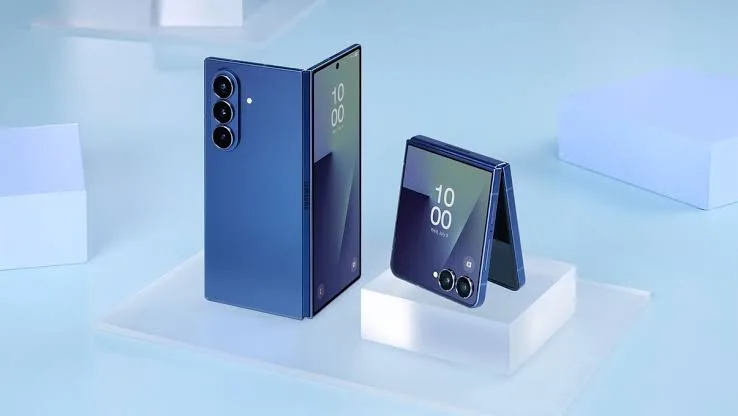
Samsung unveils Galaxy Z Fold7 and Flip7 Series, bringing next-level AI and design to Nigeria
Samsung has launched its latest foldable smartphones, the Galaxy Z Fold7, Z Flip7, and Flip7 FE, promising smarter features, better cameras, and sleeker designs for Nigerian users. The new Galaxy Z Fold7 is Samsung’s thinnest and lightest foldable yet, weighing just 215 grams. It features a 6.5-inch cover display and unfolds to reveal an even larger screen, 11% bigger than last year’s model. This makes it easier for users to multitask, edit documents, or enjoy movies on the go. Powered by the Snapdragon 8 Elite processor, the Fold7 delivers a big boost in speed and AI performance. Samsung says the new chip is up to 41% faster for AI tasks, making real-time language translation and photo editing smoother than ever. The Fold7’s camera system has also been upgraded. It uses AI to improve photos and videos, even in low light. Features like Photo Assist and Generative Edit let users erase unwanted objects or adjust backgrounds with a tap. Audio Eraser can now remove background noise from videos, like traffic or wind. Samsung’s new One UI 8, based on Android 16, powers the Fold7 and Flip7 series. This software brings smarter multitasking, better privacy controls, and new AI-powered assistants. Gemini Live, for example, lets users ask questions by typing or speaking, and even get instant answers by showing the AI what’s on their screen.Battery life is also improved. The Flip7’s 4,300mAh battery can last up to 31 hours of video playback. The phone runs on a new 3nm processor, offering faster performance and better energy efficiency. Samsung has also introduced the Flip7 FE, a more affordable foldable with a 6.7-inch main display and a 50MP FlexCam for hands-free selfies and video calls. On the security front, Samsung is rolling out new protections like Knox Enhanced Encrypted Protection and quantum-resistant encryption for safer connections, especially on public Wi-Fi. The new foldables are available for pre-order in various colours, including Blue Shadow, Jetblack, Coral-red, Mint, Black, and White. Samsung Care+ is offered free, covering accidental damage and repairs for peace of mind. Tae Sun Lee, CEO of Samsung Electronics West Africa, said at the launch, “With the Galaxy Z Fold7 and Flip7, we’re not just offering new phones, we’re giving Nigerians smarter tools to create, connect, and express themselves every day.”With these launches, Samsung is raising the bar for smartphones in Nigeria, blending cutting-edge AI, durability, and style.
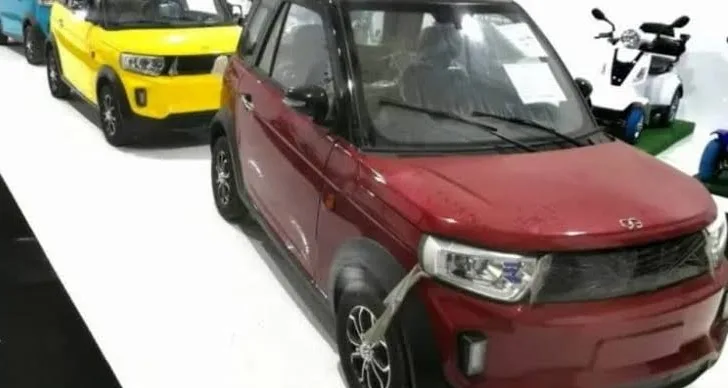
Kemet Automotive sets sights on 2027 for Nigeria’s first locally made electric vehicles
Kemet Automotive, a new startup led by former Jaguar engineer Nissi Ogulu and Rui Mendes Da Silva, is planning to roll out Africa-made EVs by 2027, with Nigeria as a key production hub. Nigeria, Africa’s largest economy, has more than 200 million people but only about 15,000 to 20,000 electric vehicles on its roads. That’s less than 1% of all cars in the country. The government wants to see 7.5% of cars go electric by 2025 and 40% by 2050, but high prices and weak infrastructure are slowing things down. A new EV can cost up to $25,000, much more than most Nigerians earn in a year. Despite these challenges, startups across Africa are working to change the game. In Kenya, BasiGo is putting electric buses on the streets. Rwanda’s Ampersand is building electric motorcycles and battery-swap stations. Ghana’s SolarTaxi is assembling EVs with solar charging. Now, Kemet Automotive is joining the movement with a focus on making EVs that fit African roads and budgets. Kemet’s founders bring global experience home. Ogulu, who worked on the Range Rover at Jaguar, says the pandemic made her rethink her career. “I realised that the skills and position I had gained were tools I wanted to bring back to the continent for greater impact,” she said The company is developing three main vehicles: the Gezo tricycle, the Nandi compact SUV, and the Mansa premium SUV. Kemet is building its supply chains and factories across Africa, with Nigeria set to be a major site. Other plants are planned for Côte d’Ivoire and possibly Senegal or Ghana, but details are still under wraps. Building EVs in Africa isn’t easy. High costs, few charging stations, and public skepticism make things tough. Ogulu is honest: “It’s highly capital-intensive and time-consuming, with no instant gratification. The infrastructural demands and high capital expenditure create a steep barrier to entry.” She adds that Kemet is “building a system that does not exist”. To keep prices down, Kemet aims to sell its cars for $20,000 to $25,000, similar to popular brands like Toyota. For lower-income buyers, they’re working on affordable tricycles. The goal is to match what Nigerians already spend on vehicles, but with cleaner, locally made options. Charging is another big challenge. Nigeria has fewer than 200 public charging stations, mostly in Lagos and Abuja. Kemet is partnering with companies in Côte d’Ivoire, Senegal, Benin, and Kenya to grow the network. They’ve also installed a few stations in Victoria Island, Lagos, and are working on portable and supercharging solutions. The company wants its cars to go up to 800 km on a single charge, enough for a trip from Lagos to Port Harcourt. While Nigeria has introduced import duty waivers for EVs and some pilot charging stations, policy support is still lacking. Ogulu says better incentives and investment are needed to help local manufacturers compete. “We need policies that ease the manufacturing process and make it harder to import used, polluting vehicles,” she said, pointing to global examples like London’s Ultra Low Emission Zones. Funding is another big hurdle. Kemet recently closed a pre-seed round and is now seeking more investment. Ogulu notes that most venture capital firms are too cautious for such a big project, so the company is relying on high-net-worth individuals and silent investors for now. Kemet is betting that technology, local adaptation, and good after-sales service will set it apart. The company wants to build cars that handle African roads and suit all income levels. If it succeeds, Kemet could help put millions of affordable, locally made EVs on African roads, powered by clean energy and supported by better infrastructure.
Jack Dorsey unveils Bitchat, messaging without internet, SIM, or servers
Jack Dorsey, former Twitter CEO, has launched Bitchat, a new messaging app that works entirely without internet or mobile service. Bitchat is a fresh experiment from Jack Dorsey, the tech leader known for pushing privacy and decentralization. The app lets people send messages using only Bluetooth, with no need for SIM cards, phone numbers, emails, or even Wi-Fi. This means users can chat even during internet blackouts, protests, or anywhere mobile networks are down. Instead of relying on servers, Bitchat uses a mesh network. Phones connect to each other directly, passing messages from device to device. If users move around, their phones form clusters and can carry messages further using “bridge devices.” All messages are encrypted and stored only on users’ phones. By default, messages disappear after delivery, keeping chats private and temporary. The app is now in beta testing on TestFlight for iOS. It supports: One-on-one encrypted chats, group chats in password-protected rooms, searchable by hashtags, store-and-forward delivery, so offline users get messages when they reconnect, no accounts are needed. Bitchat collects no personal data or metadata. Dorsey says, “It’s a personal experiment in bluetooth mesh networks, relays and store and forward models, message encryption models, and a few other things.” The idea for Bitchat comes from the Bluetooth-based apps used during the Hong Kong protests in 2019, where people needed to avoid surveillance and censorship. Dorsey has long supported giving users more control, backing other decentralized platforms like Damus and Bluesky. A future update will add WiFi Direct, making communication faster and possible over longer distances, still without internet.“It’s a personal experiment… in message encryption models, and a few other things,” Dorsey explained. The app’s white paper is open-source on GitHub, inviting developers to test and contribute.