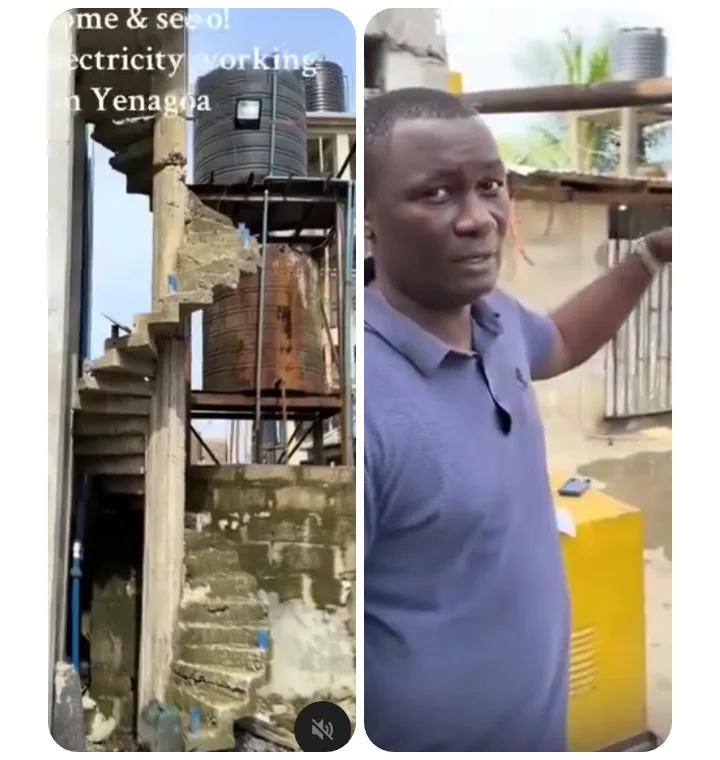
A Nigerian inventor from Bayelsa State has developed a novel method to generate electricity using borehole water to power turbines, achieving a capacity of 1 megawatt (MW) and above. This breakthrough offers a promising alternative energy source amid Nigeria’s ongoing power supply challenges. The innovation involves utilizing water stored in borehole tanks to drive turbines that produce electricity, a technique that could complement existing power generation efforts in Bayelsa and beyond. According to Stanley Dide, the source of this information, the system harnesses readily available water resources to generate sustainable power. Bayelsa State has been actively pursuing various power projects to address its electricity deficits, including plans for large-scale gas-fired power plants. For instance, the Bayelsa Electricity Company Ltd recently began an Environmental Impact Assessment for a 60MW gas turbine power plant near Yenagoa, aiming to reduce reliance on the national grid and ensure stable power supply across the state. This new water-driven turbine technology aligns with the ongoing efforts to diversify energy sources in Nigeria, where hydropower is recognized as the most economical electricity source, offering tariffs significantly lower than other generation plants. While traditional hydropower plants face challenges such as seasonal water variability, the borehole water turbine system could provide a more controllable and scalable solution. Experts emphasize that Nigeria’s electricity sector faces multiple challenges, including inadequate infrastructure, high transmission losses, and over-dependence on gas-fired plants. Innovative, locally adaptable solutions like this borehole turbine could play a vital role in overcoming these hurdles and advancing Nigeria’s power sufficiency goals. Further development and scaling of this technology could complement Bayelsa’s ongoing power projects, potentially providing off-grid communities with reliable electricity. Collaboration with government agencies and private investors will be crucial to realize its full potential and integrate it into the state’s energy mix.
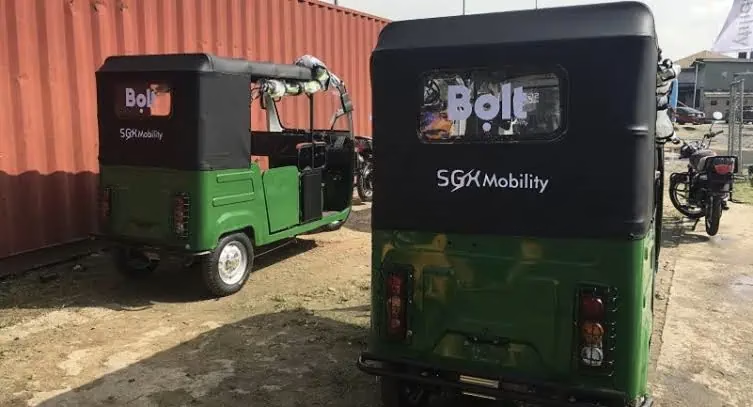
Bolt rolls out electric tricycles in Lagos
Ride-hailing company Bolt has launched electric tricycles in Lagos, marking a major step in its push for sustainable transport in Nigeria’s largest city. The company, in partnership with Lagos-based SGX Mobility, began deploying 25 electric tricycles this May. Each tricycle, known locally as “keke,” costs ₦3.2 million and is available to drivers through a lease-to-own scheme. Drivers pay a ₦208,000 down payment and can spread the remaining balance over 18 to 24 months, with weekly payments of ₦32,000 or monthly payments of ₦156,000. Bolt says its new electric tricycles are designed to cut drivers’ running costs. “We’re betting on driver economics. EV tricycles have lower running costs. And with our lease model, drivers can own their vehicles in two years, while saving on fuel and maintenance from day one,” said Caroline Wanjihla, Bolt Africa’s spokesperson, at the launch event. Unlike petrol-powered tricycles, the electric models operate on a battery swap system. Drivers can exchange batteries at a swap station in Surulere for ₦6,500 per day-about half the daily fuel cost for a traditional keke. The tricycles can reach speeds of up to 80 km/h and run for as long as 12 hours on a full charge. Bolt’s lease-to-own model aims to address common complaints about inflexible repayment terms and high default rates seen with other ride-hailing platforms. The company has set its driver commission at 15%, lower than the 25% charged on cars, and says it will adjust the model if needed. The launch comes as many Lagos drivers look for alternatives to petrol vehicles due to rising fuel prices. Some have tried converting to compressed natural gas, but high conversion costs and unreliable refueling infrastructure remain challenges. Bolt plans to expand the electric tricycle program to other Nigerian cities and African countries if the Lagos rollout proves successful.
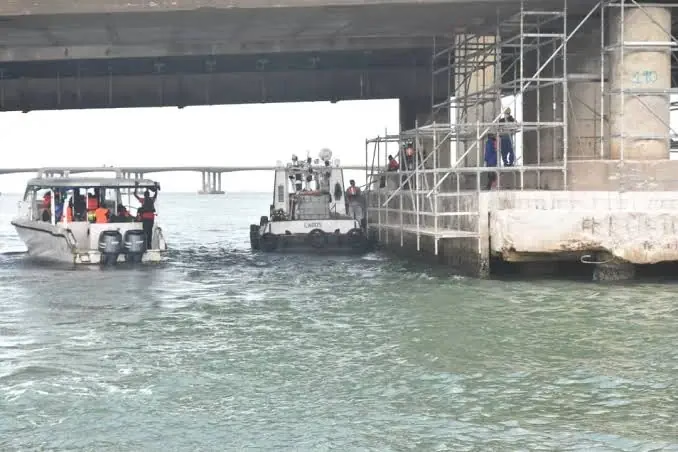
Nigeria deploys robotic technology for nationwide bridge inspections
The Nigerian Federal Government has announced plans to deploy robotic machines for underwater inspections of bridges nationwide. This initiative, revealed by Minister of Works Dave Umahi, aims to replace the costly and unsustainable method of hiring human divers for underwater assessments. The decision comes as part of a broader “bridge emergency” declared by the government, highlighting the urgent need to assess the structural integrity of bridges that have stood for over five decades without comprehensive evaluations. The use of robotic technology will allow for more efficient and cost-effective inspections, ensuring the safety of these critical infrastructure assets. Additionally, the Federal Executive Council has issued a directive banning dredging activities within a 10km radius of any bridge to prevent structural damage, as seen in recent incidents near the Third Mainland Bridge in Lagos. Collaboration with the Nigerian Navy is also being sought to enforce these safety measures and prevent illegal dredging activities. President Bola Ahmed Tinubu is set to commence the commissioning of several completed infrastructure projects from May 1, 2025, highlighting the administration’s commitment to infrastructure development and technological innovation.