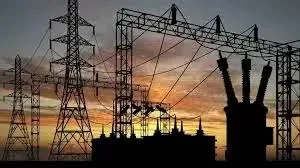
Eko Electricity Distribution Company (EKEDC) has announced a scheduled power outage affecting much of Lagos for about 24 days starting Monday, July 28, 2025. The outage is due to critical maintenance work on the Omotosho – Ikeja West 330kV power line by the Transmission Company of Nigeria (TCN). According to EKEDC’s public notice to customers, the work will take place daily from 8 a.m. to 5 p.m. until Thursday, August 21. During this period, residents and businesses across EKEDC’s network, which includes areas like Victoria Island, Lekki, Apapa, Surulere, and Lagos Island, should expect intermittent power cuts and load shedding. EKEDC explained the exercise is essential to ensure the long-term stability of the electricity grid but admitted the outages would cause some inconvenience. The company apologized and urged customers to bear with them as the work is carried out safely. Reactions online have been mixed but mostly concerned. Some Lagosians expressed frustration on social media, especially about tariff adjustments during the downtime, asking whether billing bands would be revised fairly since full electricity supply would be unavailable for nearly a month. Others compared the outage management positively against past experiences with NEPA’s unpredictable power cuts. Industry observers note that while maintenance is vital, frequent disruptions and lack of backup plans add to customers’ difficulties, especially in Lagos, where many depend on generators because of unreliable grid power. EKEDC has committed to keeping consumers updated through its official channels and urged them to stay informed. The hope is that the maintenance is underway and will improve the grid’s reliability once completed.
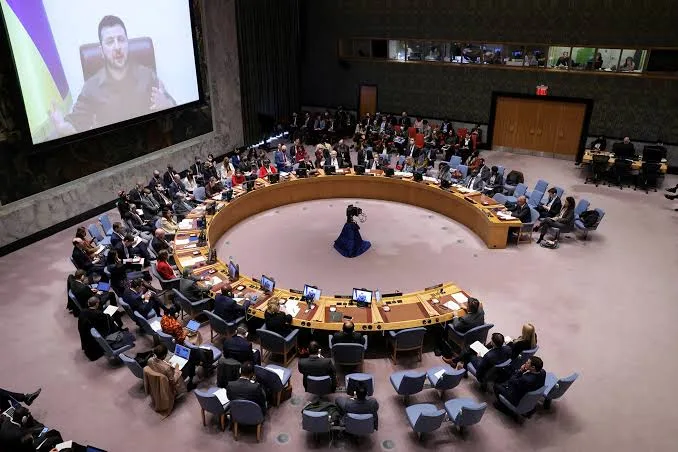
Switch AI to Green Energy by 2030 or Risk the Planet – UN tells big tech companies
The United Nations is putting pressure on major tech companies to run all their artificial intelligence (AI) data centers with clean energy by 2030, sounding the alarm on the climate risks posed by runaway technology growth. On Tuesday in New York, UN Secretary-General António Guterres announced a new report urging big tech to go green or push global climate goals off track. He warned: “AI can boost efficiency, innovation and resilience in energy systems, but it is also energy hungry. This is not sustainable, unless we make it so”. A single large AI data center now gobbles up as much electricity as 100,000 homes. The next wave of even bigger facilities could use 20 times more than that. If things don’t change, AI-driven data centers might soon use the same amount of electricity as Japan’s entire population by 2030. Guterres also stated another issue, how data centers use water for cooling. He asked tech firms to think about environmental effects when planning their infrastructure. Renewable energy is expanding fast. Costs are dropping, and more than 90% of new clean energy projects now beat fossil fuels on price. In 2024, $2 trillion was invested in clean energy, nearly doubling the $1.2 trillion spent on fossil fuels. But this growth is not shared equally. The UN says nearly all the progress is in rich countries like the US, Europe, and China. Developing countries, are left behind because they have less access to finance and new technology. Africa attracted just 1.5% of global renewable energy investment in 2024, even though it’s home to most of the world’s people without electricity. “The race for the new must not be a race for the few. It must be a relay, shared, inclusive, and resilient” – Guterres The UN’s report urges renewed global action so developing countries don’t get left even further behind. AI and tech innovation need to help, not harm, for the fight for a green and sustainable future, UN said. The clock is ticking for big tech to step up and lead by example before it’s too late.
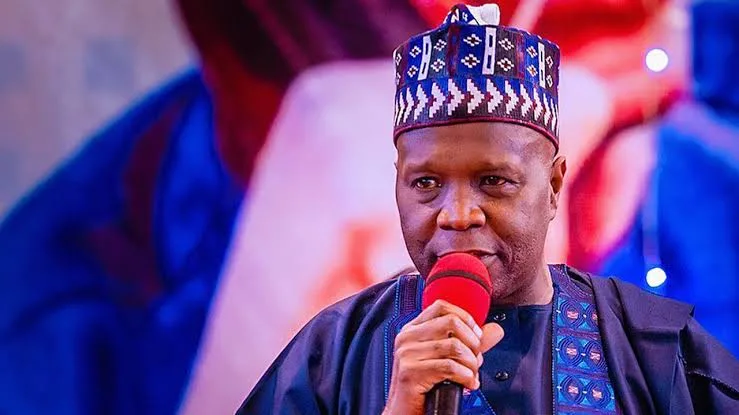
Gombe State allocates N2 billion for solar streetlights and rural development
The Gombe State Government, along with several local councils, has approved over N2 billion for new solar streetlights and important rural projects, to improve infrastructure, farming, and the economy across the state. Mahmood Yusuf, who heads the Gombe State Joint Project Development Agency, shared this news on Tuesday after a meeting in Gombe. He explained that part of the money will go into additional work at the National Agricultural Land Development Agency in Yamaltu Deba Local Government Area to help the agricultural sector. The Kaltoma market project in Billiri will also get an upgrade to a two-story building, with a new cost of N213 million. In Nafada, six communities are set to receive solar streetlights, a project valued at N681.4 million. Additionally, new roads in Tumfure, Akko Local Government Area, will have solar streetlights installed at a cost of N1.143 billion. Yusuf stated that the projects will make communities safer, boost local businesses, and strengthen farming. Dr. Ahmed Wali, Chairman of Kwami Local Government Area and head of the verification committee, reported that N31 million was saved because 686 workers did not show up for verification. Another N36 million was saved by removing 265 deceased or retired staff who were still on the payroll. Wali noted that this exercise is ongoing, focused on improving productivity and removing “ghost workers,” not on sacking genuine staff. It’s worth remembering that in March, the Gombe government approved N1.15 billion for solar streetlights and infrastructure in three other local government areas. More recently, N19.97 billion was approved for various projects, including industrial growth, water supply, and education. The state also set aside N2.14 billion for compensating residents affected by the ACRESaL erosion control project. To ensure steady water supply, N2.1 billion was approved for the upkeep of the Gombe Regional Water Project. These efforts are expected to improve infrastructure, drive economic growth, and bring long-term benefits to the state.
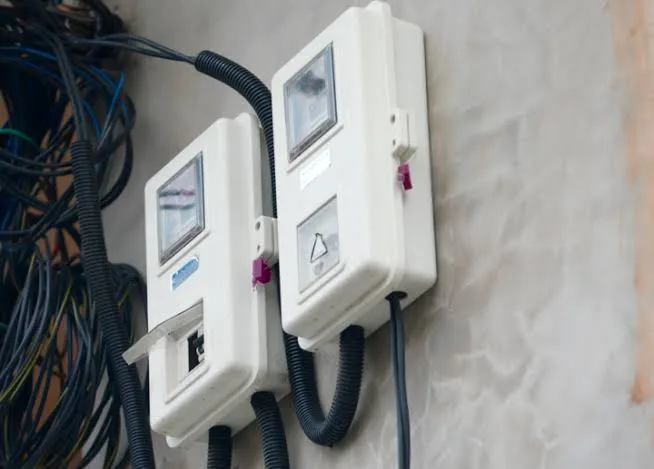
Enugu slashes power tariff for Band A customers to N160/kWh
Enugu State has announced a major drop in electricity tariff for premium Band A customers, setting the new rate at N160 per kilowatt-hour (kWh) from August 1, 2025. The Enugu State Electricity Regulatory Commission (EERC) reduced the tariff after a thorough review of MainPower Electricity Distribution Limited’s costs. Band A customers, who usually get the best supply, were previously charged N209/kWh, making the new rate a 23% cut. The other customer bands will see no changes for now. EERC Chairman, Chijioke Okonkwo, explained the change: “We reviewed their entire costs, using our Tariff Methodology Regulations 2024, and the supporting Distribution Tariff Model to get an average price of N94. The price is low because the Federal Government has been subsidising electricity generation cost, which charges only N45 out of the actual cost of N112.” He added that Band A customers will now benefit from the government’s power subsidy, helping both consumers and MainPower manage rate shocks. There are strict conditions attached. If MainPower cannot keep up their service promise on Band A feeders for two consecutive days, they have to report it within 24 hours. If they fall short for seven days, those feeders will be downgraded to a lower band automatically. Enugu’s tariff changes are backed by the state’s 2023 electricity law, which gives EERC the power to regulate power supply activities in the state. The move follows a wider push, driven by the federal government’s 2023 Electricity Act, for states to manage their own electricity markets and make power distribution more responsive to local needs. Okonkwo noted the reduction depends on federal subsidies. If these are ever removed, the Band A tariff could rise again. But for now, he said, “it is only right that Ndi Enugu – Band A customers enjoy the reduced tariff effective August 1, 2025.” The Commission says it will keep working with stakeholders to improve electricity services for everyone in the state.
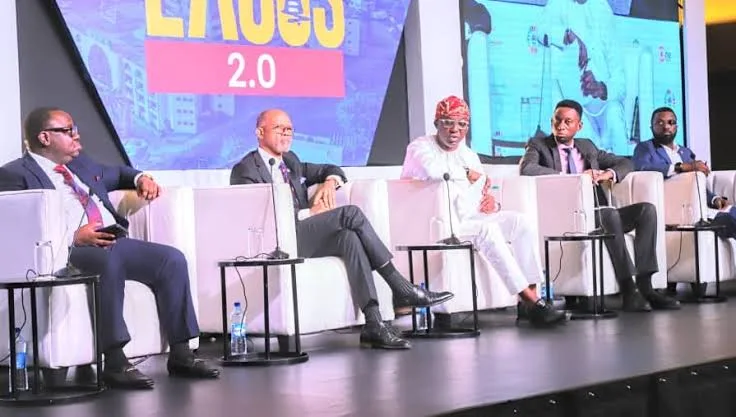
Lagos unveils $400 million waste-to-energy plant to power two million homes
The Lagos State Government has announced a $400 million plan for a new Waste-to-Energy plant in Epe, aiming to tackle waste problems and deliver clean electricity to millions. Lagos State is taking a big step towards cleaner energy and better waste management. On Wednesday, the government revealed plans to build a Waste-to-Energy (WTE) plant in Epe. This project is expected to supply electricity to up to two million residents and help reduce the risk of flooding caused by blocked drainage channels. Recall on the 1st of April, 2025, Daily Tech reported that the Lagos state government stated that the new plant in Epe, developed in partnership with Dutch company Harvest Waste, will process 2,500 tonnes of waste daily and produce 60–80 megawatts of electricity which has also secured €100 million in funding. Commissioner for the Environment and Water Resources, Mr. Tokunbo Wahab, shared the news at the Lagos Investors Summit 2.0. He explained that the plant will be set up using a private sector-led model, meaning private companies will design, build, finance, and operate the plant, while the government keeps its involvement limited. The WTE plant will convert municipal solid waste into electricity. This means less rubbish will end up in landfills, and more homes will have access to reliable power. The project is expected to deliver a 12% internal rate of return over 20 years, supported by electricity tariffs and a tipping fee for waste disposal. Lagos faces serious waste challenges. About 80% of landfill space is almost full, only 63% of households have formal waste collection, and 67% of people dump waste illegally. These problems often lead to flooding, especially during heavy rain. Mr. Wahab said the new plant is part of Lagos’ climate action goals and supports Nigeria’s National Energy Transition Plan. He also announced an Early Warning System for Extreme Weather Events to help protect lives and property. By 2050, more than 65% of Lagos residents could be at risk of severe flooding if nothing is done. Mr. Wahab said, “The plant is an innovative project designed to convert waste to energy by addressing both efficient waste management and energy generation for Lagos State.” He added that the project will help reduce the amount of waste going to landfills and provide clean power to densely populated areas. Construction of the Epe Waste-to-Energy plant is a major move for Lagos. If successful, it could serve as a model for other Nigerian cities facing similar challenges. The project promises not just cleaner streets, but also more stable electricity and better protection from floods.
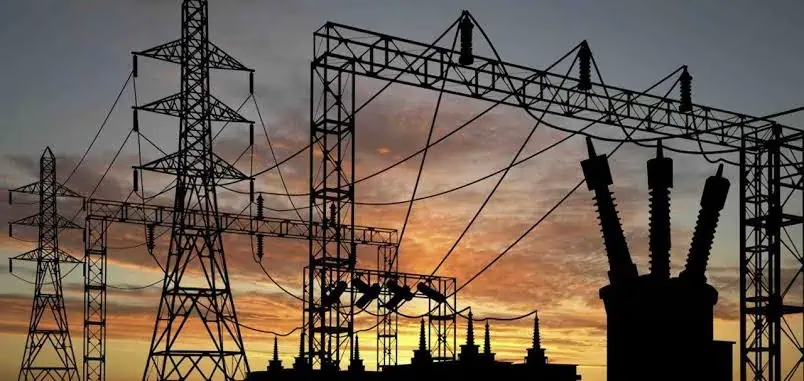
Power firms’ borrowing surges to N1.77tn amid sector reforms
The Nigerian electricity sector has witnessed a sharp rise in borrowing from commercial banks, with power firms securing loans amounting to N1.77tn as of December 2024, marking a notable increase from N1.43tn in December 2023. An analysis of the Central Bank of Nigeria’s (CBN) quarterly bulletin shows a significant uptick in credit activity, reflecting increased private sector interest despite high lending rates. Borrowing peaked at N1.89tn in February 2024, driven by optimism over government-led reforms, before experiencing fluctuations throughout the year. Sector experts attribute this trend to the federal government’s push for reforms, including deregulation, tariff adjustments, and incentives for renewable energy investments, particularly in solar energy. In 2024 alone, Nigerians spent N200bn on imported solar panels, underscoring a shift toward sustainable energy solutions. Minister of Power, Adebayo Adelabu, recently unveiled a roadmap to address electricity challenges, focusing on off-grid solutions, metering expansion, and distribution efficiency. Key initiatives include a Renewable Energy Plan aimed at deploying solar mini-grids in rural communities, aligning with Nigeria’s Energy Transition Plan and global climate commitments. Despite occasional dips in borrowing, power firms remain engaged with the banking system, signaling a long-term commitment to sectoral growth and investment. The resilience of private investors suggests confidence in the viability of Nigeria’s power market amid ongoing policy adjustments. This development indicates a crucial phase in the country’s quest for reliable energy access, as stakeholders navigate challenges while leveraging financial opportunities to sustain progress.