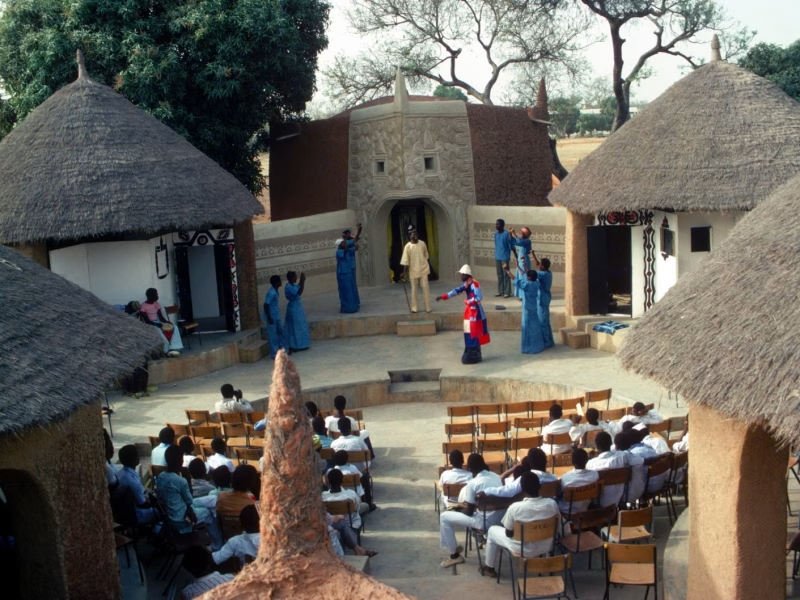
For decades, Theatre and Performance Arts departments across Nigerian universities have been dismissed, even ridiculed, as a soft option – perceived as the course students “settle for” when other choices fall through. But in a digital world now driven by content, culture, and creativity, the tables are turning – fast.
According to data from UN Trade and Development (UNCTAD), the global creative economy is now valued at over $2.3 trillion, with Africa’s media and entertainment sector projected to reach $14.8 billion in 2025. Social media platforms like TikTok, Instagram, and YouTube have democratized fame, offering talented performers a direct path to influence – and income.
In Nigeria, this trend is unfolding in real time. Former theatre students and trained performers are now among the country’s most powerful cultural figures, leveraging storytelling, skits, stage presence, and character mastery to dominate the influencer economy. Names like Debo “Mr. Macaroni” Adebayo, KieKie, and Broda Shaggi – all with backgrounds in theatre – are now household names, celebrated not just for entertainment, but for shaping youth culture and national conversations.
“It’s ironic,” says Kemi Olatunji, a performance studies lecturer. “The same society that mocked students in Theatre Arts is now hooked on the very skills they learned in school – delivery, presence, improvisation, storytelling. These are now essential digital-era tools.”
Experts argue that Nigeria’s growing tech and content economy needs to do more to formally recognize the role of performance art in innovation. From digital storytelling to immersive experiences, the skills honed in rehearsal rooms are now fueling some of the country’s most viral and impactful content.
The era of underestimating the arts is ending. In its place, a new narrative is emerging – one that positions creativity not as a backup plan, but as a bold, strategic career choice in a tech-driven world.
Photo credit: X/theabusite


