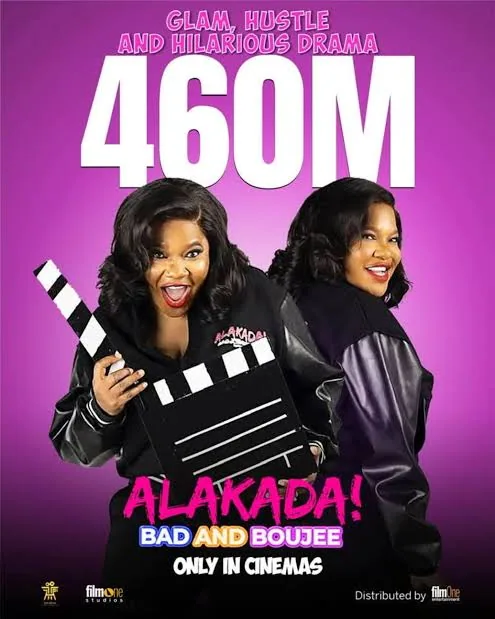
Toyin Abraham’s latest cinematic offering, Alakada: Bad and Boujee, continues to dominate Nigerian box office charts, amassing N497.98 million in earnings since its December 20, 2024, release. The comedy-drama, which marks the fifth installment in Abraham’s widely popular Alakada franchise, has emerged as one of Nollywood’s top-performing holiday season releases, underscoring the actress-producer’s enduring influence in Africa’s largest film industry. The film opened to a strong N58.6 million debut weekend (December 20–22, 2024) before climbing to N134 million in its first week, driven by its signature blend of humor, social commentary, and a loyal fan base. Directed by Adebayo Tijani and written by Abraham herself, Alakada: Bad and Boujee follows protagonist Yetunde (played by Abraham) as she navigates societal pressures to “fit in” while grappling with themes of self-acceptance and identity. The star-studded cast, including Timini Egbuson, Bimbo Ademoye, and reality TV star Mercy Eke, has been widely praised for delivering what critics call a “relatable yet uproarious snapshot of modern Nigerian aspirations”. The Alakada series, which began in 2013, has become a cultural touchstone for its satirical take on Nigeria’s evolving class dynamics. Industry analysts attribute the latest installment’s success to Abraham’s shrewd understanding of her audience, with the film balancing slapstick comedy with subtle critiques of social media-driven materialism. “Toyin has mastered the art of wrapping societal observations in accessible humor,” said Nollywood trade analyst Emeka Okoli. “This formula turns casual viewers into repeat cinema-goers.” The film’s commercial performance is particularly notable given the challenges faced by Abraham’s previous production, Malaika. Though that 2023 crime thriller grossed N300 million, it suffered significant piracy losses through Telegram leaks, compounded by high production costs and revenue-sharing agreements with cinemas. By contrast, Alakada: Bad and Boujee benefits from lower production expenses and Abraham’s decision to release during the peak holiday season, a strategic move that capitalizes on family audiences and urban youth demographics. Nollywood’s Box Office Titans Raise the BarAbraham’s latest triumph coincides with Funke Akindele’s record-shattering Everybody Loves Jenifa, which became Nollywood’s first N1.88 billion earner in March 2025 after seven consecutive weekends at #1. This dual success highlights the growing clout of female-led productions in Nigeria’s film sector, with both actresses leveraging their massive social media followings (Abraham: 6.2 million Instagram users; Akindele: 8.9 million) to drive ticket sales. Industry observers note that the two stars’ overlapping release strategies, both frequently debut films during festive periods, have created a friendly rivalry that benefits the broader industry. “Their competition pushes creative and marketing boundaries,” noted film journalist Adaobi Nwosu. “When Toyin and Funke release movies, they’re not just selling tickets, they’re expanding the entire market”. Abraham’s journey from indie actress to production mogul mirrors Nollywood’s own evolution. Since her 2003 debut in Yoruba-language films under mentor Bukky Wright, she has starred in over 100 productions while building Toyin Abraham Productions into a hit-making factory. Critical darlings like Ijakumo: The Born Again Stripper (2022) and commercial juggernauts like Ghost and the Tout Too (2021) demonstrate her range across genres. Her business acumen extends beyond cinema halls. The 2020 ambassadorship deal with Revolution Plus Properties and her reality series Keeping Up With Toyin Aimakhu reveal a savvy approach to brand-building, a skillset increasingly crucial in Nigeria’s crowded entertainment landscape. With N500 million within reach, industry watchers predict Alakada: Bad and Boujee could surpass N550 million by March’s end, bolstered by school holiday crowds. However, Abraham faces fresh challenges: piracy remains an ever-present threat, while rising production costs and audience expectations demand bigger budgets without guaranteed returns. Yet if current trends hold, 2025 may mark a watershed for Nollywood. Combined earnings from Alakada and Everybody Loves Jenifa have already injected over N2 billion into the industry, a figure that signals robust investor confidence and sets new benchmarks for future productions. As multiplex chains expand across Nigeria and streaming platforms court local creators, Abraham’s latest win suggests Nollywood’s golden age is just beginning.
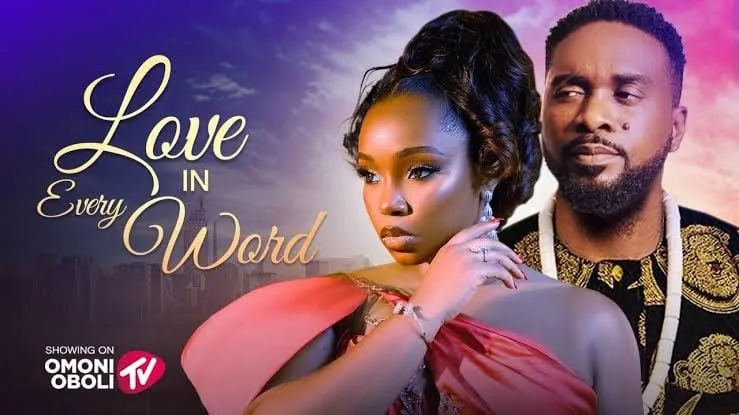
Omoni Oboli’s romantic drama “Love In Every Word” smashes YouTube records with 4.3 million views in 72 hours
Nollywood star Omoni Oboli has once again proven her prowess as a filmmaker, with her latest romantic drama, Love In Every Word, amassing a staggering 4.3 million views on YouTube within just three days of its release. The film, which debuted on the platform on March 7, 2025, has ignited fervent discussions about modern love, cultural barriers, and the evolving strategies of film distribution in Nigeria’s booming movie industry. Love In Every Word follows the story of two individuals from starkly different backgrounds who navigate love, vulnerability, and societal expectations. Anchored by the performances of former Big Brother Naija star Bamike “Bam Bam” Olawunmi-Adenibuyan and seasoned actor Uzor Arukwe, the film’s emotional depth and relatable themes have resonated widely. Within its first 24 hours, the movie garnered over 2 million views, a testament to Oboli’s strategic pivot to digital platforms like YouTube to bypass traditional cinema limitations. The decision to premiere on YouTube reflects a broader trend among Nollywood producers seeking to combat piracy while maximizing global reach. Oboli, a vocal advocate against digital piracy, has criticized platforms like Telegram for enabling unauthorized distribution of films. Her shift to YouTube not only safeguards revenue but also democratizes access, allowing audiences worldwide to engage with Nigerian storytelling. A Story of Love and Cultural NuanceWritten by Mfon-Abasi Micheal Inyang and directed by Oboli, Love In Every Word blends classic rom-com tropes with fresh cultural commentary. The plot centers on two protagonists whose chance encounter sparks a journey of self-discovery, challenging their personal fears and societal norms. Bam Bam’s portrayal of a soft-spoken yet resilient lead has drawn particular acclaim, with fans praising her ability to convey emotional complexity without melodrama. “This isn’t just a love story, it’s about finding your voice in a world that often tries to silence it,” Oboli remarked in a recent interview. The film’s success underscores audiences’ appetite for narratives that balance escapism with introspection, a hallmark of Oboli’s filmmaking style. Oboli’s YouTube triumph follows her dominance in traditional cinemas last year with The Uprising: Wives on Strike 3, which grossed ₦110 million in three weeks. That film, the latest in her acclaimed Wives on Strike franchise, tackled themes of familial sacrifice and social justice, earning ₦28.2 million in its opening weekend alone. A presale voucher campaign further boosted earnings by ₦10 million, highlighting Oboli’s knack for innovative marketing. Industry analysts note that her dual success in digital and theatrical releases positions her as a rare filmmaker capable of bridging generational divides in viewing habits. “Omoni understands that today’s audience wants flexibility, they’ll pay for cinema tickets but also crave the convenience of streaming,” said Nollywood trade analyst Adaobi Nwosu. Love In Every Word’s viral performance underscores YouTube’s growing role in Nollywood’s distribution ecosystem. With over 200 million Nigerian internet users and a massive diaspora audience, digital platforms offer filmmakers a lucrative alternative to piracy-plagued physical releases. However, challenges remain: unauthorized uploads continue to drain revenues, prompting calls for stricter digital rights enforcement. For now, Oboli’s latest feat cements her reputation as a trailblazer unafraid to reinvent traditional models. As audiences await her next project, one thing is clear, whether on the big screen or a smartphone, Omoni Oboli’s stories will keep captivating hearts.
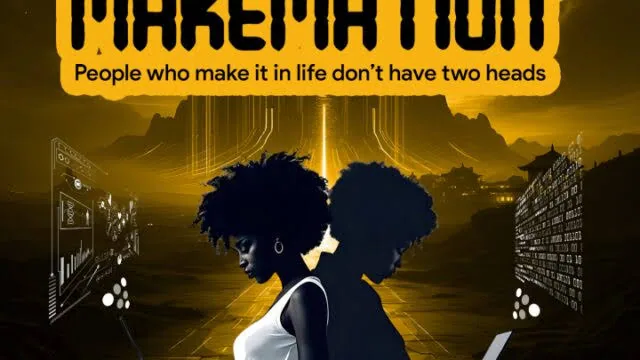
Lagos State pioneers Africa’s first AI-driven feature film, “Makemation,” set for April premiere
Lagos State Governor Babajide Sanwo-Olu unveiled Makemation on Monday, March 10, 2025, marking the continent’s first feature film powered by artificial intelligence. The project, produced by human development expert Toyosi Akerele-Ogunsiji, is slated for theatrical release in Lagos on April 18, 2025, with plans for broader distribution across Nigeria and international markets. A Fusion of Innovation and StorytellingMakemation centers on the journey of a resilient young girl from a low-income Lagos community who harnesses AI to address systemic challenges. Blending drama, humor, and social commentary, the film explores themes like STEM education, gender equality, and financial literacy. One standout subplot follows a group of youths designing AI-powered bras capable of early breast cancer detection—a nod to grassroots innovation. Governor Sanwo-Olu hailed the project as a testament to Lagos’ evolving creative economy during the film’s unveiling in Marina. “This collaboration between government, creatives, and technologists proves what’s possible when talent meets opportunity,” he said. “Our goal is to position Lagos as a global hub for digital storytelling.” Star-Studded Cast and Cultural VisionThe film features Nollywood heavyweights, including Richard Mofe-Damijo, Shaffy Bello, and Ali Nuhu, who also serves as Managing Director of the Nigerian Film Corporation. Nuhu praised the state’s investment in Nollywood, emphasizing the need for media partnerships to amplify the film’s message. Akerele-Ogunsiji, the producer, described Makemation as a “four-quadrant family drama” merging pop culture with cutting-edge tech. “We’re shifting from being tech consumers to creators,” she said. “This story isn’t just entertainment—it’s a call to action for African innovators.” Lagos State’s Commissioner for Tourism, Arts, and Culture, Toke Benson-Awoyinka, highlighted ongoing efforts to bolster the creative sector, including training over 20,000 youths in filmmaking and content creation since 2019 through partnerships with institutions like EbonyLife Academy and Delyork Academy. The state’s collaboration with global tech leaders also came into focus. Olatomiwa Williams, Microsoft Nigeria’s Country Manager, stressed the urgency of equipping young Nigerians with AI skills, while Livespot360 co-founder Oluwadamilare Art Alade underscored AI’s potential to preserve cultural heritage. Beyond its cinematic ambitions, Makemation reflects Lagos’ strategic push to merge technology with economic growth. The state recently announced a N500 million grant for local filmmakers and secured partnerships with Silicon Valley leaders, including tech entrepreneur Ghazi Shami.