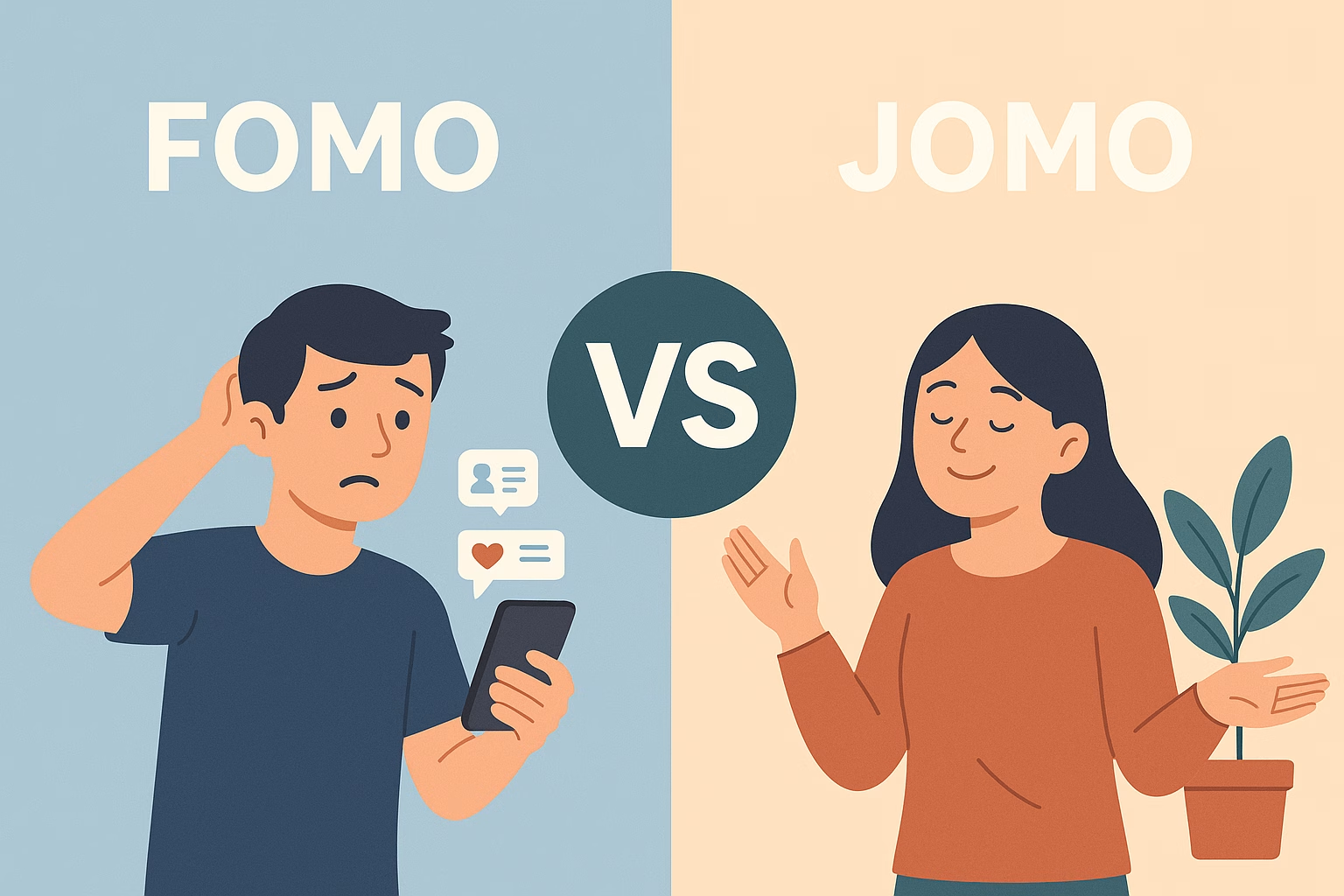
In a content-rich world, where social media often feels like an endless party, the Fear of Missing Out (FOMO) is real. Every weekend, TikTok and Instagram are flooded with flashy photos from Owambe weddings, party nights in Lagos, and exotic trips to Dubai. On Twitter, everyone seems to be cashing out, starting a business, or “bagging” scholarships abroad. For many Nigerians, this constant stream of success and enjoyment creates a nagging feeling: Am I missing out? Am I doing enough? What is FOMO? FOMO stands for Fear of Missing Out. It’s the anxiety or worry that others are having rewarding experiences that you’re not a part of. People with FOMO often feel the need to stay constantly connected—especially on social media—to avoid feeling left out. For example, you might feel FOMO when you see friends posting about a party, vacation, or event you weren’t invited to, even if you were otherwise content. It can lead to stress, overcommitment, and even burnout. FOMO can make you feel like life is leaving you behind while everyone else is living their best life. The fear of not being able to afford that classy night out with friends, that gorgeous wedding you dream of as a bachelor at 30 or that groundbreaking business deal or business you see online millionaires flaunt in their flashy cribs. But in the midst of all this noise, another movement is gaining ground: the Joy of Missing Out (JOMO). This isn’t about being antisocial or lazy; it’s about choosing peace over pressure, quality over clout. Nigerians and the Allure of FOMO FOMO hits differently in Nigeria, where societal expectations already weigh heavily on everyone. If you’re not at the hottest party, wearing the latest aso-ebi, or hustling to make it big, it feels like you’re being left behind, like you are Usain Bolt in reverse. Person dey drive car, but me na my depression I wan drive away! Your phone rings, a friend posts pictures from a destination wedding in Cape Town. Someone from your school just bought a Benz and is giving motivational speeches on “hard work.” Influencers are posting “soft life” videos, lounging in luxury apartments and sipping expensive wine. It’s easy to feel like you’re not doing enough, or that you’re failing at life altogether. But here’s the thing: most of what you see online is packaged content. Behind the filters and captions, many people are struggling too, but FOMO makes you believe their lives are perfect. Like a fairy tale literally many (even most influencers online) can only dream about. Enter JOMO: the Joy of Missing Out This is the mindset that says it’s okay to sit out the noise, log off social media, and focus on your own lane. JOMO isn’t about running away from life; it’s about creating space for the things that truly matter to you. Instead of feeling bad about not being at the latest party or networking event, JOMO encourages you to find joy in: For me, JOMO became a game-changer during a period when I felt overwhelmed by everyone else’s accomplishments online. Last Saturday, I stayed home, cooked Jollof rice, and watched an old Nollywood movie with my mum, instead of stressing over why I wasn’t at some hyped-up event. It was the most peace I’d felt in months. Why Nigerians need JOMO The hustle culture in Nigeria makes it hard to embrace JOMO. Everyone is on the grind, trying to “blow” or secure the next opportunity. But here’s why sometimes JOMO might be exactly what we need: Balancing FOMO and JOMO Sometimes, FOMO isn’t all bad. Attending that networking event or saying yes to a new opportunity might open doors for you. The key is finding balance. Ask yourself: Why am I doing this? Is it for clout or genuine interest? Will this add value to my life? If not, skip it. Am I being true to myself? Don’t do something just because everyone else is doing it. A Pepper Soup Bowl of Wisdom In Nigeria, we have a saying: “No be everything wey shine be gold.” Not every flashy event, trend, or achievement online is as perfect as it seems. The real joy comes from knowing what matters to you and focusing on it. So the next time your phone pings with updates about the latest party or soft life post, pause and ask yourself: Do I need this, or am I fine just where I am? Because sometimes, the greatest flex is finding joy in the quiet, meaningful moments that truly nourish your soul.
Some Jollof Has Stones: What are the Dangers of Exposing Your Home for Content
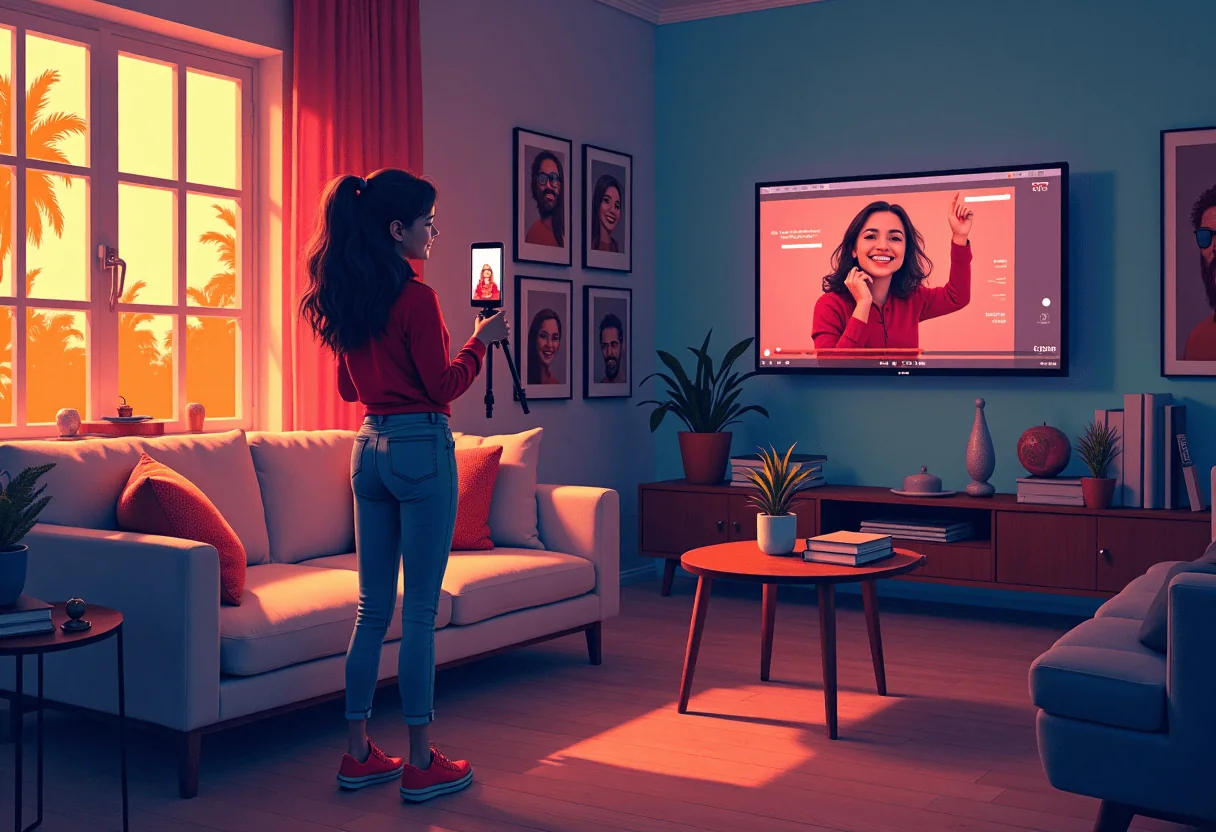
Not every viral post is sweet—sometimes, it comes with stones you didn’t expect.Social media has turned many of us into content creators, sharing snapshots of our lives for likes, comments, and shares. From #OOTD selfies in front of the living room mirror to full-blown home tours on TikTok, doing a #Getreadywithme videos with hubby or wifey, it’s common for people to open up their private spaces for public consumption. But as we chase the next viral moment, are we unknowingly putting ourselves and our homes in danger? Serving Jollof with Stones Last month, I saw a video of a young influencer, Blessing , proudly showing off her newly furnished apartment in Lekki. She gave a full tour—showing every corner, from the balcony view to the designer furniture in her living room. “God did it,” she captioned the video, with praise emoji and hashtags like #Blessed and #BigGirlMoves. At first, the post seemed harmless—just another display of success. But a week later, Blessing shared another post, this time in tears. She’d been robbed. Strangers broke into her home while she was out, stealing valuables worth millions. Police investigations revealed that the thieves had pieced together information from her video, including the layout of her apartment and her building’s location. Blessing’s story is a reminder that not everything sweet is safe. Like finding stones in your Jollof rice, exposing your home for content can bring dangers you never anticipated. As stones crack your teeth when bitten, so can exposing too much online cracks you safety. The Dangers of Sharing Too Much Security Risks When you share videos or photos of your home, you’re giving strangers an insider’s view of your private space. Details like your address, neighbourhood landmarks, or even the times you’re usually out can be pieced together by malicious individuals. And just one day, your house might just welcome and unwanted guests. Target for Robberies or Fraud Publicly displaying wealth—whether it’s a new car in your driveway or expensive gadgets in your room—can make you a target for thieves or scammers, even kidnappers. Beware! Loss of Privacy Once something is online, it’s no longer fully yours. Your home, once a safe haven, becomes a public stage for strangers to judge, comment on, or even mock. Imagine taking the whole world into your bedroom, standing in your undies and explaining to them the most intimate details of your life? Unwanted Attention Not all followers have good intentions. Sharing personal spaces might attract obsessive fans, stalkers, or people who want to exploit your openness. Creepy predators and rapists can find that #Aday in my life video a perfect tool to targeting their next victims. Why Do We Do It? In the quest for online clout, many people forget the boundaries between public and private. Social media rewards oversharing with likes, followers, and sometimes even brand deals. But at what cost? A friend of mine once explained it this way: “If you’re not showing your achievements, are you really achieving?” It’s a mind-set driven by FOMO and the pressure to prove your worth online. Unfortunately, this often leads to oversharing and unnecessary risks. If not, why does the world need to know how you bathe with you spouse, how your bedroom looks like, what your bathroom looks like, what you purchase, how much you spend in a day or what personal/ freaky hobbies you and babe do that literally only you and God should know? Tips for Serving Safe Jollof Here’s how to share content while protecting your privacy and safety: Blur or Avoid Identifiable Details If you’re sharing photos or videos, avoid showing house numbers, street signs, or easily recognizable landmarks near your home. Delay Your Posts Don’t share your location or current activities in real time. Post your content after you’ve left the area to avoid being tracked. Keep Valuables Off Camera Avoid showing expensive items like jewellery, electronics, or luxury furniture in your posts. There’s no need to advertise your assets. You achieve, enjoy and don’t flex, haters will watch and target. Limit Your Audience Use privacy settings to control who sees your content. Not everything needs to be public. Be Selective About What You Share Before posting, ask yourself: “Do I really need to share this? Could it expose me or my family to unnecessary risks?” If celebrities flee from paparazzi like plagues, why must you attract attention, most times who are criminals? A Word of Caution Social media has blurred the lines between public and private life, but it’s important to remember that not everyone watching your content has good intentions. While it’s fun to share your wins and milestones, protecting your safety and privacy should always come first. So, the next time you’re tempted to post a home tour or show off a new purchase, think twice. Some Jollof may look sweet, but it’s better to be safe than sorry. After all, no amount of likes or views is worth your peace of mind. Stay safe, stay smart, and serve your Jollof without the stones. [Edited by Muhammad Sal]