
The US Securities and Exchange Commission (SEC) has fined Nigerian auditor Olayinka Oyebola $200,000 and banned him and his firm from auditing US public companies due to their part in covering up the Tingo Group fraud. The SEC’s targets Olayinka Oyebola and his Lagos-based accounting firm after they were found to have helped conceal false audit reports linked to Tingo Group. Once listed on Nasdaq and touted as a leading agri-fintech company revolutionizing African agriculture, Tingo collapsed after regulators revealed it was a “massive fraud.” Tingo’s founder, Dozy Mmobuosi, was previously fined over $250 million and barred from the US securities market after fabricating key parts of the company’s financial statements and customer data. The scandal shook the tech and financial sectors, raising concerns about audit oversight and fraud detection. Oyebola’s firm audited Tingo’s books, which misleadingly claimed $462 million in cash reserves. The SEC found only $50 actually existed. Instead of exposing these inconsistencies, Oyebola allegedly signed off on fake audit reports that helped maintain the illusion of legitimacy. The SEC also accused Oyebola of lying to later auditors, which allowed the fraud to go unchecked for years. For these offenses, a New York federal court ordered Oyebola and his firm to pay $100,000 each in fines, banned them permanently from violating US securities laws, and suspended their ability to audit US public companies for at least six years. Antonia M. Apps, Director of the SEC’s New York Regional Office, criticised their actions, saying Oyebola and his firm violated the public trust. Gatekeepers must be held accountable when they support fiction over truth The case exposes challenges in auditing, as studies show auditors catch only a small fraction of fraud cases. Even Deloitte, a global “Big Four” firm that audited Tingo, faced criticism for not spotting obvious issues. The SEC worked internationally with the Israel Securities Authority during the investigation, stressing its broad reach in fighting financial crime linked to fraudsters worldwide.

Nigerian businesses urged to use bug bounty programs to boost cybersecurity
Nigerian tech expert David Efemena Ominiabohs has called on businesses across the country to adopt bug bounty programs as a key step in protecting their digital systems from cyberattacks. Speaking at the Apex Tech Summit in Lagos, Ominiabohs, Chief Technology Officer of Apex Web Network, stressed that companies should prioritize cybersecurity beginning at the product design stage, rather than waiting until after launching products. He said bug bounty programs, which invite ethical hackers to find and report security weaknesses, are not yet widely practiced in Nigeria but are essential to stop attacks before they happen. “Bug bounty programs allow local hackers to test your platform and report flaws immediately. This proactive approach helps companies fix vulnerabilities before malicious actors can exploit them” – Ominiaboh Ominiabohs also warned that ignoring cybersecurity could damage a company’s reputation, especially if data breaches become public. He emphasized internal vigilance and recommended regular phishing attack simulations to keep employees alert. Another important measure he stated is the need for Nigerian businesses to store data in local data centers rather than abroad to reduce risks of leaks and build trust. He advised startups to focus on understanding and building their products for their local markets first before expanding, noting that compliance requirements in African countries can be strict but manageable with time.

EFCC storms Obasanjo’s Hotel, arrests internet fraud suspects at pool party
The Economic and Financial Crimes Commission (EFCC) stormed the Green Legacy Hotel inside the Olusegun Obasanjo Presidential Library in Abeokuta, Ogun State, early Sunday and arrested several young people suspected of internet fraud. The raid happened during a pool party on the library premises. The EFCC seized the opportunity to arrest suspected fraudsters who were believed to be involved in online scams. This recent operation follows another arrest last Wednesday by the EFCC’s Ibadan Zonal Directorate. They detained a suspected internet fraudster at K-Hotel, Itori, Ewekoro area, also in Ogun State. The suspect was caught with two locally-made pistols. That raid resulted in 56 arrests in total, including the main suspect. The EFCC continues to intensify its efforts to clamp down on cybercrime, particularly internet fraud, in Nigeria. These coordinated raids show the agency’s persistent actions in targeting suspects in popular social events and entertainment venues to disrupt their activities.

Essex woman jailed for £11,000 romance scam, victim speaks out
A woman from Essex has been handed a suspended jail sentence after defrauding three men of over £11,000 through an elaborate catfishing romance scam. Peter, a pseudonym for one victim, believed he had found real love when he matched with “Charlotte,” a nurse on a dating app. Over the course of a year, Peter exchanged messages and voice notes with her, receiving photos and stories about her life. She seemed genuine, kind, chatty, and from a wealthy family. But Charlotte was a fake identity used by Kerry Gray, 37, who conned Peter out of nearly £3,500 by exploiting his trust with gradual requests for money, including for taxi fares and medical fees. Peter says Gray’s lies distorted his sense of reality, leaving him with deep trust issues and emotional turmoil. Despite warnings and suspicions, he felt trapped by false cries for help and threats of self-harm. Only after calling the hospital she claimed to be in did he realise the fraud and cut contact. Two other men told similar stories of deception and financial loss to Gray, who used the money to fuel gambling, alcohol, and takeaways. Essex has seen a surge in romance fraud in recent years, with losses exceeding £2.3 million in 2024 alone. Romance scams have risen nationally by 7.6% and cost victims hundreds of millions of pounds. Police warn that anyone can fall victim, and victims often suffer shame alongside financial harm. Det Constable Georgette Hixon of Essex Police urged victims to come forward without embarrassment and urged vigilance. Protect yourself by being wary of requests for money from online-only relationships, verifying photos, and seeking advice from trusted friends or family. Peter’s experience shows the emotional impact beyond the financial loss in romance scams. “I feel so silly, because it was done so casually. I’ve never met her. It makes me feel stupid and pathetic. I’ve had massive trust issues since” – Peter If you or someone you know may be affected by romance fraud, help is available through authorities like Action Fraud and victim support groups.
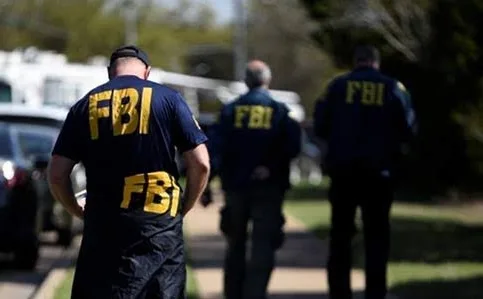
Nigerian man extradited from France to U.S. over multi-million dollar cyber fraud
Chukwuemeka Victor Amachukwu, a Nigerian, has been extradited from France to the United States to face charges of hacking, identity theft, and wire fraud that allegedly defrauded U.S. tax authorities and victims of millions of dollars. U.S. officials, including the Southern District of New York’s U.S. Attorney Jay Clayton and FBI Assistant Director Christopher Raia, confirmed the extradition on Tuesday. Amachukwu, 39, who also uses other names like Chukwuemeka Victor Eletuo and So Kwan Leung, appeared before a magistrate judge shortly after arriving in the U.S. His case will be handled by U.S. District Judge Paul G. Gardephe. Court documents show that since 2019, Amachukwu and his partners, many believed to be in Nigeria, targeted U.S. tax preparation firms. They used spearphishing emails to break into electronic systems, stealing sensitive tax and personal data from thousands of people. This stolen information was then used to file fake tax returns to claim over $8.4 million in fraudulent refunds, successfully collecting at least $2.5 million. The group also abused COVID-19 relief programs by submitting false claims to the U.S. Small Business Administration’s Economic Injury Disaster Loan (EIDL) program, obtaining around $819,000 in illegitimate funds. Additionally, Amachukwu reportedly scammed victims by promising high returns on nonexistent financial instruments called standby letters of credit, stealing millions in the process. His arrest was a result of a joint operation between the FBI, U.S. Marshals, the Justice Department’s international office, and French police. FBI official Christopher Raia emphasized that scammers hiding behind their keyboards won’t escape justice. Amachukwu faces multiple charges, including conspiracy to commit computer intrusions, wire fraud, and aggravated identity theft, each carrying severe prison terms. While prosecutors treat these as allegations until proven in court, this case shows the U.S. government’s ongoing crackdown on international cybercrime and fraud schemes.

EFCC raids Port Harcourt estate, nabs 37 suspected internet fraudsters
The Economic and Financial Crimes Commission (EFCC) has arrested 37 people suspected of internet fraud in a raid at Majesty Estate, Port Harcourt. On Friday, August 1, 2025, EFCC operatives stormed Majesty Estate on NTA Road in Port Harcourt after getting a distress call from residents. Concerned neighbours had reported suspicious activities linked to internet fraudsters living in the community. According to an official statement released by EFCC on Saturday, the sting operation by their Port Harcourt Zonal Directorate led to the arrest of 37 suspects. The move followed an intelligence tip about certain apartments being used for “nefarious activities.” EFCC agents announced their presence and mission, but some residents allegedly refused to open their doors. In one case, operatives had to force open an apartment door to continue their investigation. The EFCC says no one was arrested inside the apartment where the door was forced open, and that there was no unprofessional conduct during the search. The Commission also addressed viral videos circulating online that suggested harassment or excessive force, calling those claims “strange and unwarranted.” They insisted that many residents appreciated EFCC’s action and felt safer with suspected fraudsters taken into custody. EFCC stated that, “They remain committed to the highest standards of professional conduct and will not hesitate to discipline any operative who acts out of line.” The agency added that most residents of Majesty Estate supported their intervention. The 37 suspects are now in EFCC custody as investigations continue. This latest raid stresses the ongoing effort to tackle internet fraud in Nigeria, especially as it affects local communities. Residents are encouraged to report suspicious activity as the EFCC pledges to keep working to ensure neighbourhoods remain safe.