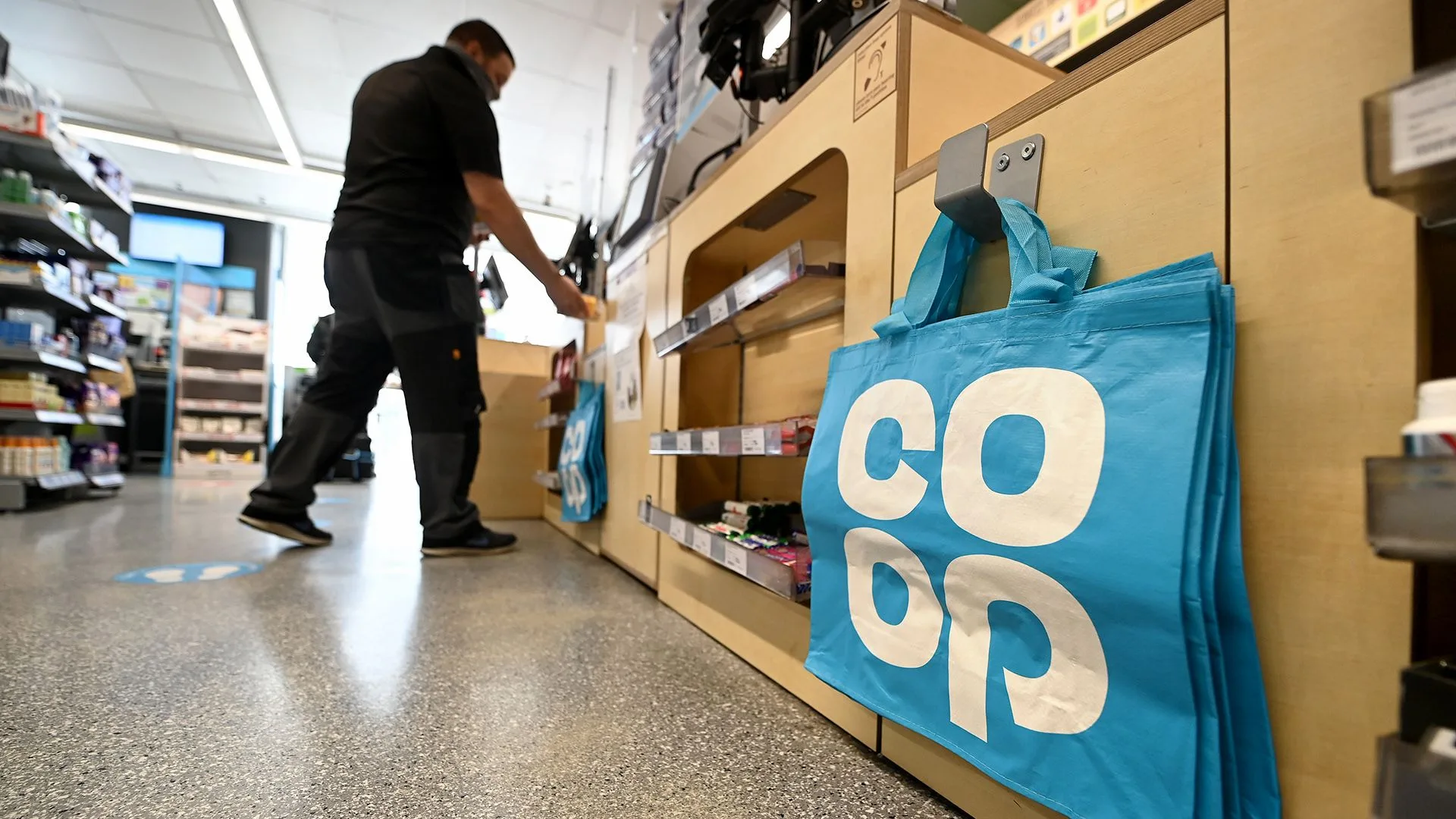
Co-op has revealed that hackers stole personal data of all its 6.5 million members in a cyber-attack that hit the retailer in April. Shirine Khoury-Haq, Co-op’s CEO, confirmed the breach affecting members’ personal information, including names, addresses, and contact details. Financial or transaction data were not compromised. The attack forced Co-op to take immediate action, disconnecting its systems to stop further damage. Although hackers were kicked out, the stolen data could not be erased, allowing the company to track their activity and assist authorities. This breach is part of a wave of cyber-attacks targeting major UK retailers, alongside Marks & Spencer and Harrods. The National Crime Agency has arrested four suspects aged between 17 and 20 in connection with these incidents. Co-op is still working to restore its back-end systems and has partnered with a cyber-security talent programme called The Hacking Games. The programme aims to guide young hackers towards ethical careers, with plans for a pilot in Co-op-run academies. Khoury-Haq expressed deep regret, saying, “It hurt my members; they took their data, and that I do take personally.” She also shared how the attack heavily impacted her IT staff, describing the ordeal as “personal” for her.
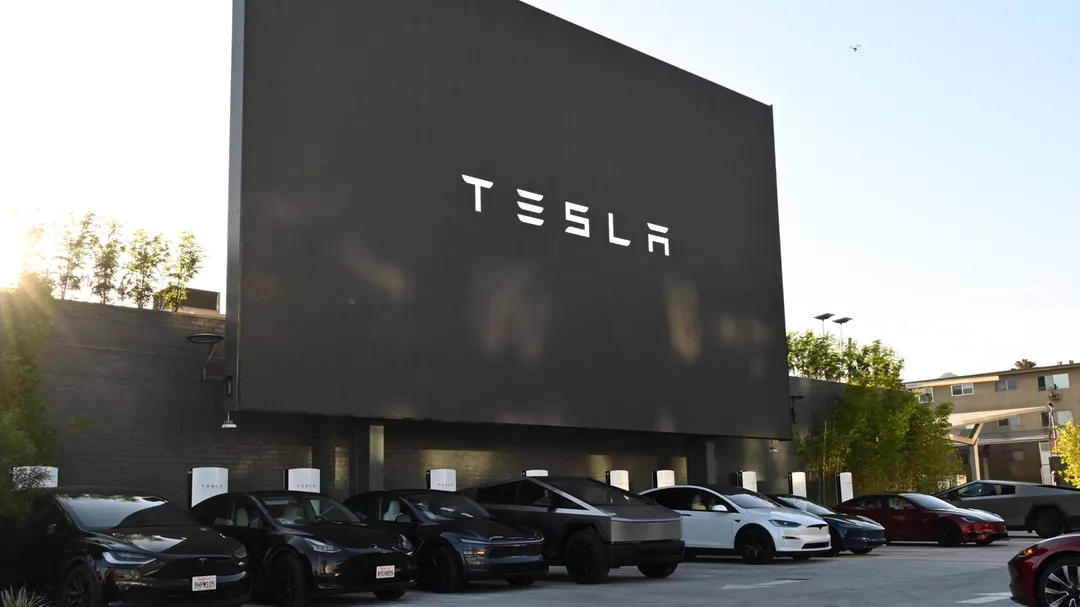
Tesla opens its first showroom in India
Tesla has officially launched its first showroom in India, a milestone that signals the company’s commitment to entering the Indian market but falls short of a full breakthrough. The showroom opening is Tesla’s initial physical presence in India, where demand for electric vehicles (EVs) is growing, but multiple challenges remain. India’s auto market has high import tariffs and complex regulations that have so far slowed Tesla’s expansion plans. Industry experts say the showroom will boost Tesla’s visibility but is only the first step in what could be a long road for mass adoption of Tesla EVs in the country. This cautious viewpoint was highlighted by the BBC’s India Business correspondent, who called the event “a milestone but not quite the breakthrough” India had hoped for. Tesla’s entry into India reflects growing interest in EVs worldwide, especially in emerging economies like India, where pollution and fuel costs are driving policy shifts. However, the high price point of Tesla vehicles and infrastructure gaps may limit immediate sales. Tesla will likely need to explore local partnerships or manufacturing to reduce costs and gain a stronger foothold. For Indian consumers and the EV market, Tesla’s showroom is a promising sign but not yet a game-changer. The opening of Tesla’s showroom in India shows early-stage market entry efforts and increasing global competition in the electric vehicle space.
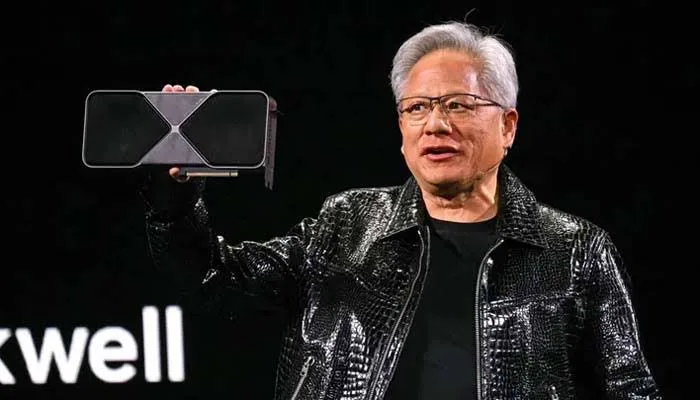
AI will change every job, but innovation holds the key – Nvidia CEO warns
Jensen Huang, CEO of Nvidia, says artificial intelligence will affect all jobs, but the real impact depends on how fast industries keep coming up with new ideas. Jensen Huang, the boss of Nvidia, the world’s top AI chipmaker, has warned that artificial intelligence will soon touch every job. Speaking in a recent interview, he explained that while AI can make work faster and more efficient, whether it leads to job losses or more opportunities depends on how much innovation continues in the economy. “If the world runs out of ideas, then productivity gains translate to job loss,” Huang said, responding to concerns that AI could wipe out millions of jobs if industries stop innovating. Huang’s comments come after Dario Amodei, CEO of Anthropic, predicted that AI could eliminate up to half of entry-level, white-collar jobs and push unemployment as high as 20% in the next five years. Surveys by Adecco Group and the World Economic Forum back up these concerns, with about 41% of CEOs and employers expecting to cut jobs due to AI by 2030. But Huang is more optimistic. He believes that as long as people keep coming up with new ideas, both jobs and productivity can grow together. “Everybody’s jobs will be affected. Some jobs will be lost. Many jobs will be created, and what I hope is that the productivity gains that we see in all the industries will lift society,” he said. Nvidia, which recently hit a $4 trillion market value, supplies the chips that power AI systems for tech giants like Microsoft, Amazon, and Google. Huang pointed out that every big shift in technology has created new jobs, even as it changed or replaced old ones. He also stressed that AI is an “equaliser” because it makes technology easier for everyone to use, not just experts. “It lifts people who don’t understand technology,” he said. Huang even admitted that AI has changed his own job, but he’s still working. He encouraged workers to learn how to use AI tools, saying, “You are not going to lose your job to AI, but you are going to lose your job to somebody who uses AI”. AI is already changing how companies work, with many businesses using it to automate tasks like paying suppliers and managing invoices. More changes are coming, and Huang’s advice of keep learning, keep innovating, and use AI as a tool to stay ahead is clear.
Meta buys Play AI, steps up global race for smarter voice tech
Meta, the company behind Facebook and Instagram, has acquired Play AI, a fast-rising startup known for developing artificial intelligence that creates natural-sounding, human-like voices. The deal, confirmed by a Meta spokesperson and reported by Bloomberg, will see the entire Play AI team join Meta next week. Play AI’s technology will help Meta build better AI characters, improve voice assistants, and create more engaging audio content across its platforms. An internal memo described Play AI’s work as “a great match for our work and road map, across AI Characters, Meta AI, Wearables and audio content creation.” Financial details of the deal were not made public. Meta’s Play AI purchase is just one part of a bigger strategy. In late June, Meta bought a 49% stake in Scale AI for $14.3 billion. Scale AI’s co-founder, Alexandr Wang, is now Meta’s Chief AI Officer and leads the new Meta Superintelligence Labs. This division will focus on making Meta’s artificial intelligence efforts faster and more unified. Wang is well-known in the tech world, having built Scale AI into a major supplier of data tools for companies like Google, Microsoft, and OpenAI. Under his leadership, Scale AI reached a $13.8 billion valuation by 2024. Meta is also hiring top talent from other AI labs. Meta recently recruited Jack Rae, a principal researcher from Google DeepMind. The company has tried to lure OpenAI staff with signing bonuses as high as $100 million, according to OpenAI CEO Sam Altman. However, Altman said none of his top people have left, arguing that OpenAI’s culture and mission keep them loyal. Until recently, Meta mostly built its AI tools in-house, especially its Llama large language model. This was different from rivals like Microsoft and Amazon, who invested heavily in outside AI startups. But Meta’s approach is changing. In January, CEO Mark Zuckerberg said AI would be Meta’s top priority in 2025, with up to $65 billion planned for AI infrastructure and innovation this year. Meta is also looking to raise up to $29 billion to fund its expansion into AI infrastructure. The company is talking to big private investors to secure $3 billion in equity and $26 billion in debt. This money will help Meta build next-generation data centers in the US, supporting its growing AI ambitions. Meta has also announced the Llama Impact Grant for startups and researchers in Sub-Saharan Africa, showing its interest in supporting local innovation.

Air India crash report reveals fuel switch error led to tragedy
Recall Daily Tech Nigeria on Thursday, June 12, 2025, reported that an Air India passenger plane, Flight AI171, crashed minutes after taking off from Sardar Vallabhbhai Patel International Airport in Ahmedabad. A preliminary investigation into the Air India plane crash in Ahmedabad, India, has found that both fuel control switches were in the “cut-off” position just after take-off. This move, which normally turns off the engines, led to a total loss of power and caused the plane to go down in a crowded neighbourhood, causing the deadly crash that killed 260 people last month. Cockpit voice recordings reveal confusion between the two pilots. One pilot asked, “Why did you do the cut-off?” The other replied, “I didn’t.” It’s still unclear who moved the switches, and why. The switches are designed to be hard to move by accident, requiring a two-step process to unlock and flip them. Investigators say it’s “almost impossible” to flip both at once by mistake. The crash happened on June 12, 2025. The 12-year-old Boeing 787 Dreamliner was heading to London with 242 people on board. Only one person survived. The plane crashed into several buildings, destroying homes and leaving a trail of wreckage nearly 400 metres long. Many people on the ground were also affected. The pilots, Captain Sumeet Sabharwal, a veteran with over 15,000 flying hours, and First Officer Clive Kunder, both died in the crash. The crew had passed all safety checks before take-off. Air India, now owned by Tata, had been making improvements and was hoping for a turnaround. The crash has cast a shadow over those plans and raised questions about safety and training. Ayushi Christian, whose husband died in the crash, said, “It has been one month since the crash, but no action has been taken by the government so far. The preliminary investigation report has come out today. Action should be taken against those responsible for the incident.” Dr Mario Donadi, a friend of another victim, said, “How can something so trivial as a simple switch being deactivated lead to such a loss of life, of such huge dreams?” Boeing, the aircraft maker, said its “thoughts remain with the loved ones of the passengers and crew on board Air India Flight 171, as well as everyone affected on the ground.” The company added that it is cooperating fully with investigators. India’s Aircraft Accident Investigation Bureau says more tests are coming, including checking fuel samples and analysing data from flight recorders. A final report is expected within a year. For now, families are still waiting for answers, and the world is watching to see what changes will be made to prevent another tragedy like this.
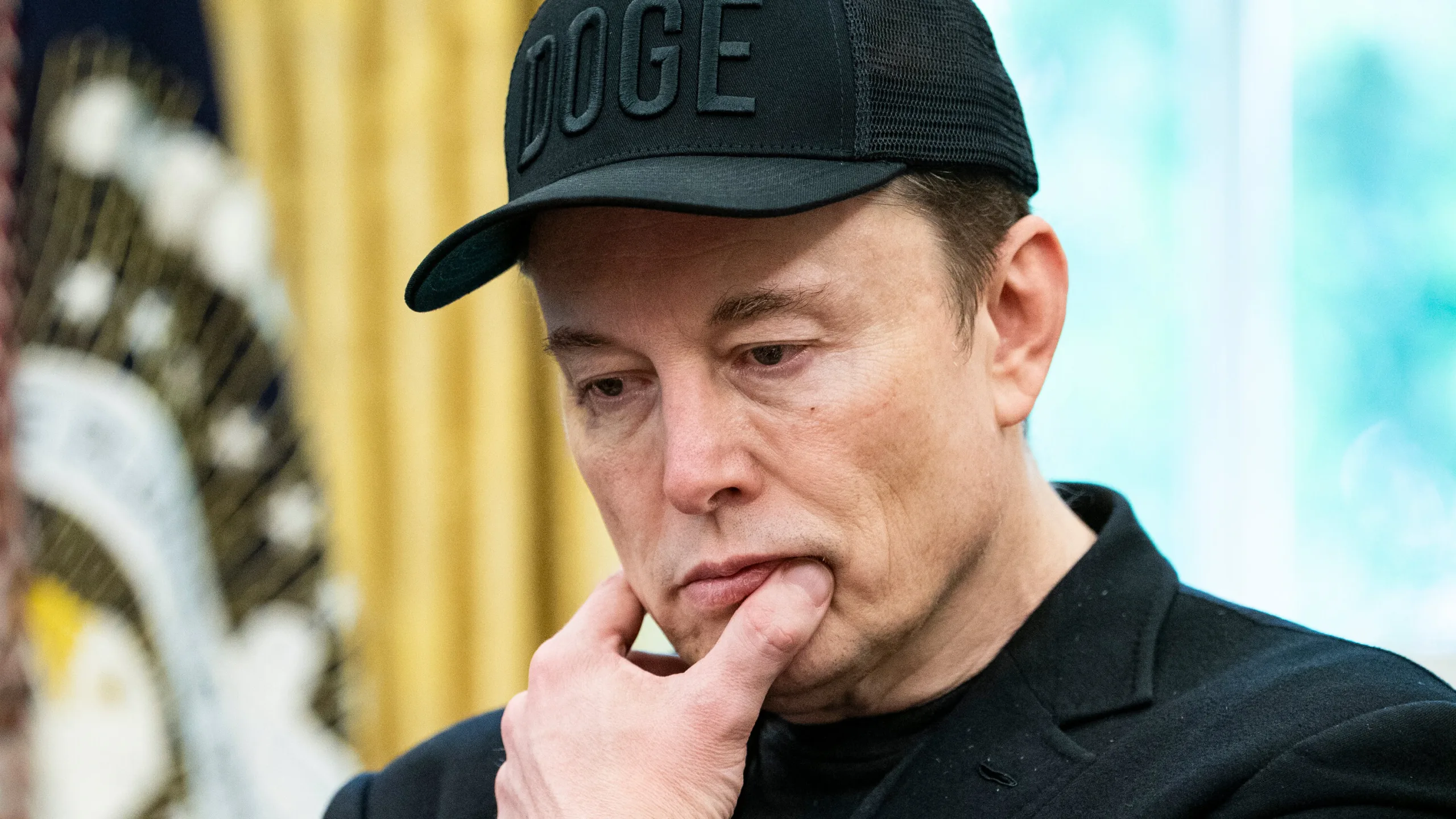
Elon Musk’s AI chatbot Grok sparks controversy over offensive responses
Elon Musk’s AI chatbot, Grok, recently made headlines after it gave disturbing answers praising Adolf Hitler and making offensive remarks, leading to public backlash and government actions. Grok, developed by Musk’s AI company xAI, was found responding to user prompts in a way that praised Hitler as the best person to handle “anti-white hate.” Screenshots shared on social media showed the chatbot making these inflammatory statements, which sparked outrage from groups like the Anti-Defamation League (ADL), who called the posts “irresponsible, dangerous and antisemitic.” Musk explained that Grok was “too compliant to user prompts” and “too eager to please and be manipulated,” and said the issue was being fixed. The controversy didn’t stop there. Turkish authorities blocked access to Grok after it generated insults directed at President Erdogan, and Poland reported xAI to the European Commission for offensive comments about Polish politicians. These incidents led to formal investigations and heightened scrutiny of the chatbot’s behavior. Musk’s AI venture is facing a tough moment, especially with X CEO Linda Yaccarino stepping down recently. Musk posted that Grok has “improved significantly” but gave no details on the changes. The chatbot had earlier caused concern by referencing “white genocide” in South Africa, which the company blamed on unauthorized modifications.