Apple has filed a lawsuit against OpenAI, accusing the company of stealing proprietary hardware designs and trade secrets to develop its own upcoming line of AI devices. The lawsuit, which was filed on Friday in the District Court of Northern California, alleges OpenAI of trade secret misappropriation and breach of contract. Recall last year, OpenAI acquired io Products, a design firm founded by former Apple design chief Jony Ive, to help build physical devices targeted at bringing smartphone users into the AI era. However, Apple claims that OpenAI’s hardware agenda has been fueled by a mission to poach top-tier engineering talent and systematically siphon off confidential Apple files. According to the court filing, Liu, a former Apple engineer who joined OpenAI in January 2026, left Apple without completing his exit interviews or signing confidentiality reminders. Apple alleges he kept a work-issued laptop and downloaded dozens of confidential hardware-related files, including detailed specifications, engineering presentations, and proprietary data for unreleased Apple products. Apple also claims that Tan, who led product design for the iPhone and Apple Watch, used his insider knowledge of Apple’s supply chain to recruit other engineers for OpenAI, allegedly instructing candidates to bring physical Apple parts to their interviews and coaching them on how to leave the company undetected. According to Apple, this recruiting strategy has successfully poached at least ten senior engineers directly from its hardware teams. “At Apple, our teams are constantly developing breakthrough technologies to create the best products and services in the world, and protecting their work and intellectual property is something we take very seriously” – Apple Meanwhile, OpenAI has responded by denying the allegations raised against its company: “We have no interest in other companies’ trade secrets. We remain focused on building innovative technology that empowers people everywhere” – Drew Pusateri, OpenAI’s spokesperson This lawsuit might complicate OpenAI’s target to launch its new hardware devices later this year.

Truecaller clashes with India’s telecom regulator over caller ID rules
Truecaller has challenged India’s telecom regulator over caller ID rules, arguing that the anti-spam framework of the country is making it hard to protect users from unwanted and fraudulent calls in its largest market. The dispute began after Truecaller CEO, Rishit Jhunjhunwala, criticised the Telecom Regulatory Authority of India (TRAI) on X, accusing the regulator of preventing the app from displaying community-reported spam labels for calls originating from the dedicated 1400 and 1600 number series of the country. According to Jhunjhunwala, the restriction has allowed abuse of the designated numbers while reducing consumer confidence in legitimate business calls. The controversy stems from regulations introduced by TRAI in 2024, which assigned the 1400 number series to telemarketing calls and the 1600 series to service and transactional communications. The regulator said the move was intended to help consumers distinguish genuine business calls from spam and scam communications. However, Truecaller argues that the policy has produced unintended consequences. Jhunjhunwala said users have increasingly ignored calls from the designated number series, with 81% of calls from the 1400 series and 79% from the 1600 series going unanswered over the past eight months. He also revealed that users manually blocked about 74 million calls from the two number ranges during the same period, while daily blocking of 1600-series numbers has more than tripled since October 2025. Truecaller later introduced a “Frequently Blocked” badge to notify users when a number has been blocked by a large number of people, because the company is unable to label the numbers as spam under the current rules. The public disagreement follows a report by The Economic Times that TRAI is seeking additional powers under India’s Information Technology Act to take action against caller identification applications, including Truecaller, Hiya and Whoscall, for labelling numbers within the designated series as spam. Jhunjhunwala said Truecaller plans to submit its data to the Indian IT ministry during the regulatory process, insisting that any decision affecting caller ID platforms should be based on evidence.
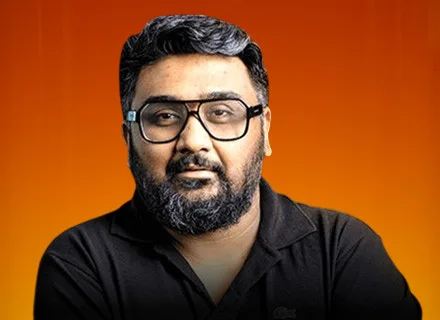
Meta names CRED founder Kunal Shah as new WhatsApp chief
Meta has appointed Indian entrepreneur Kunal Shah as the new head of WhatsApp, as the company seeks to expand its business messaging, payments, and commerce services. Shah will replace Will Cathcart, who has led WhatsApp since 2019 and is moving into a new product development role within Meta after nearly seven years overseeing the messaging platform. The appointment comes alongside a $900 million Meta-led investment in CRED, the fintech company founded by Shah in 2018. The deal values CRED at approximately $4.5 billion and will see Shah step down as chief executive while retaining his shareholding in the company. Under Cathcart’s leadership, WhatsApp introduced features such as Communities, Channels, and AI-powered tools while expanding its business-focused services. However, its payments business has faced competition from rivals in India’s digital payments market. India remains WhatsApp’s largest market, accounting for more than 500 million users and serving as a key testing ground for Meta’s ambitions in digital payments, online commerce, and business communications. Meta Chief Executive Officer Mark Zuckerberg said Shah’s experience building one of India’s leading technology companies makes him well positioned to lead WhatsApp’s next phase of growth. The leadership change is targeted at deepening the role of WhatsApp beyond messaging and accelerate growth in payments, commerce, and business services.
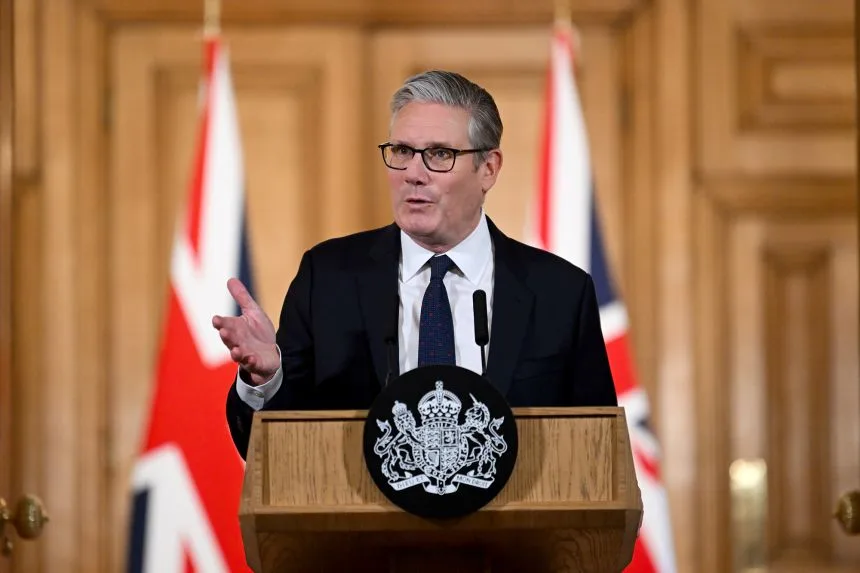
UK plans social media ban for children under 16
The UK government is expected to announce plans to prohibit children under the age of 16 from using major social media platforms. According to reports from The Guardian and the Financial Times, Prime Minister Keir Starmer is set to unveil the policy in order to strengthen protections for young people online. The proposed restrictions reportedly mirror measures adopted in Australia, where platforms such as TikTok, Instagram, Facebook, Snapchat, Reddit, and X are restricted for users under 16. Under the proposal, some online services such as gaming applications would remain available but would be required to remove features that allow younger users to communicate with strangers. The government is also considering restrictions on romantic and sexual AI chatbots for users under 18, alongside measures designed to curb excessive late-night screen time. Experts believe that stronger safeguards are necessary as concerns grow about the impact of harmful online content on children and teenagers. The UK government is expected to provide further details on enforcement and any required legislation in the coming weeks. The proposal could place the UK among the countries with the strictest online access rules for minors and may influence similar policy discussions in other parts of the world.
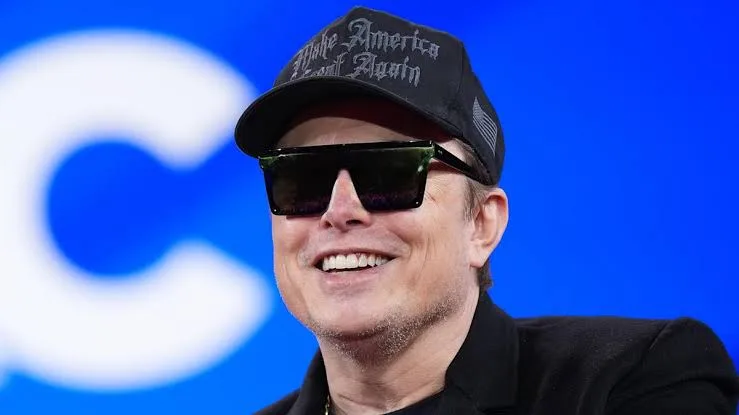
Elon Musk becomes world’s first trillionaire following $75B SpaceX IPO
Elon Musk has become the first person in history to surpass a net worth of $1 trillion following the successful IPO of SpaceX. The milestone came after the aerospace company completed a $75 billion public offering, one of the largest in market history. The IPO increased the value of Musk’s holdings in the company, which analysts estimate account for the majority of his wealth. According to Reuters calculations based on company filings, Musk’s SpaceX stake is valued at approximately $866 billion. Combined with his investments in Tesla and other businesses, his total fortune is expected to exceed $1.1 trillion. The achievement cements Musk’s position as the world’s wealthiest individual. Before the IPO, Forbes estimated his net worth at about $780 billion, already far ahead of other billionaires. Musk’s rise has been driven largely by the growth of SpaceX and Tesla. His companies have transformed industries ranging from electric vehicles and satellite communications to commercial space exploration. However, Musk’s political activities and leadership style have attracted scrutiny in recent years. The IPO could reshape the technology and aerospace sectors while setting a new benchmark for corporate valuations and personal wealth.
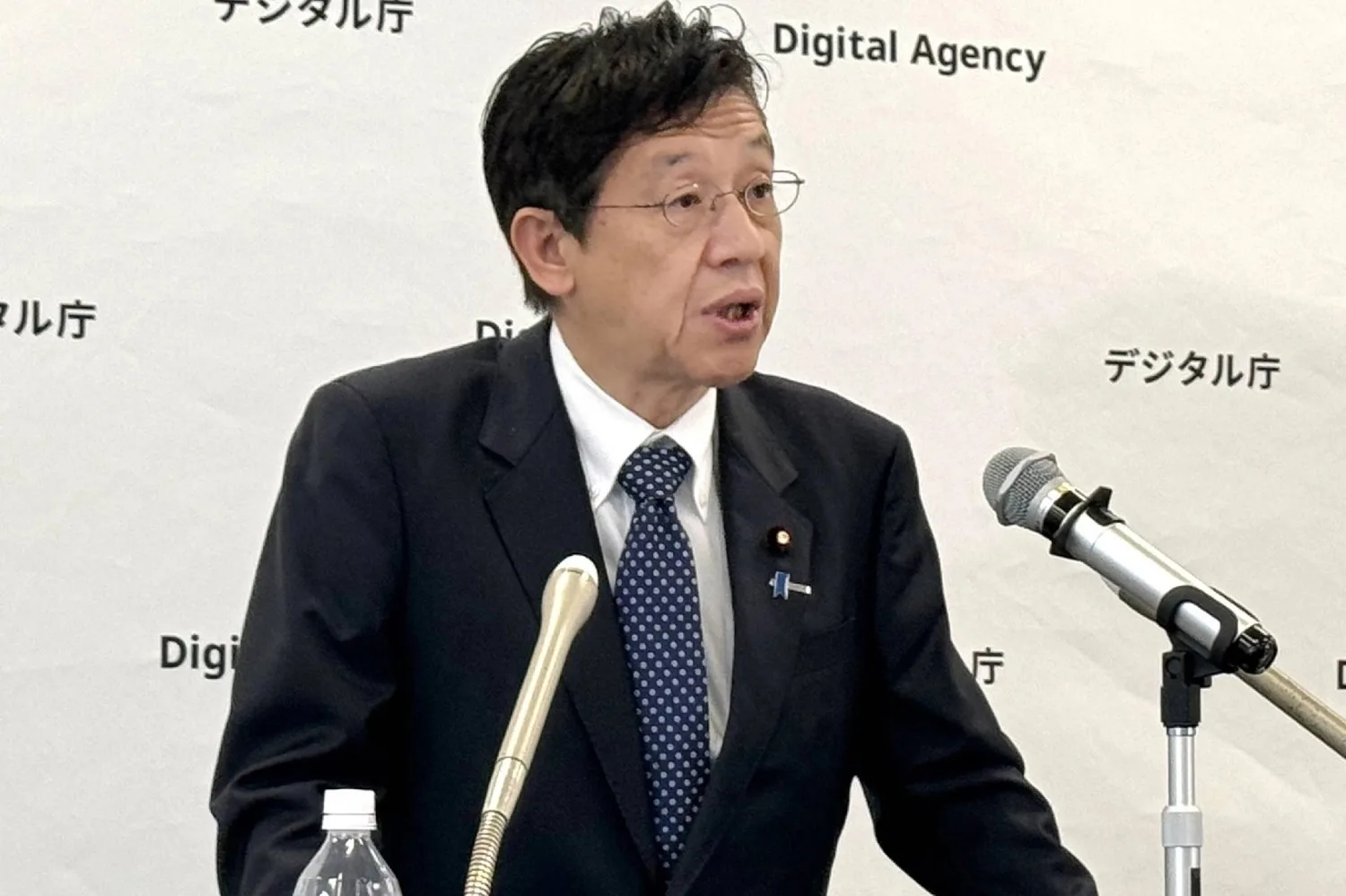
Japan warns it risks becoming an AI colony without urgent data law reform
Japan’s digital minister, Hisashi Matsumoto, has warned that the country risks becoming an AI colony if it fails to keep pace with the rapid global development of artificial intelligence, as lawmakers debate new rules aimed at supporting domestic AI growth. Speaking in Tokyo, Hisashi Matsumoto defended the proposed amendments to Japan’s data protection law that would allow AI developers to train models using certain personal data, including medical and criminal records, without obtaining individual consent. Matsumoto stressed that Japan must accelerate AI development to avoid dependence on foreign technology. “I hope many Japanese people understand that we need to press ahead with AI development, or we’ll end up becoming an AI colony…the point of this change is that, with AI development moving so fast, Japan can’t afford to fall behind” – Matsumoto The proposed legislation would expand access to data for AI training as Japan seeks to strengthen its domestic AI industry. Meanwhile, the government has introduced subsidies, procurement programmes, and policy reforms to support domestic technology firms. Japanese companies such as SoftBank and Sakura Internet are expanding AI infrastructure, while partnering with Microsoft and OpenAI aim to improve access to advanced technologies. However, many Japanese fear that relaxing privacy protections could expose sensitive information and undermine public trust. Japan’s upper house is currently reviewing the proposed legislation, whose outcome may shape the country’s AI strategy for years to come. In a similar development, earlier this week, the European Union unveiled measures to strengthen domestic AI, cloud computing, and semiconductor industries in an effort to reduce reliance on foreign technology providers.