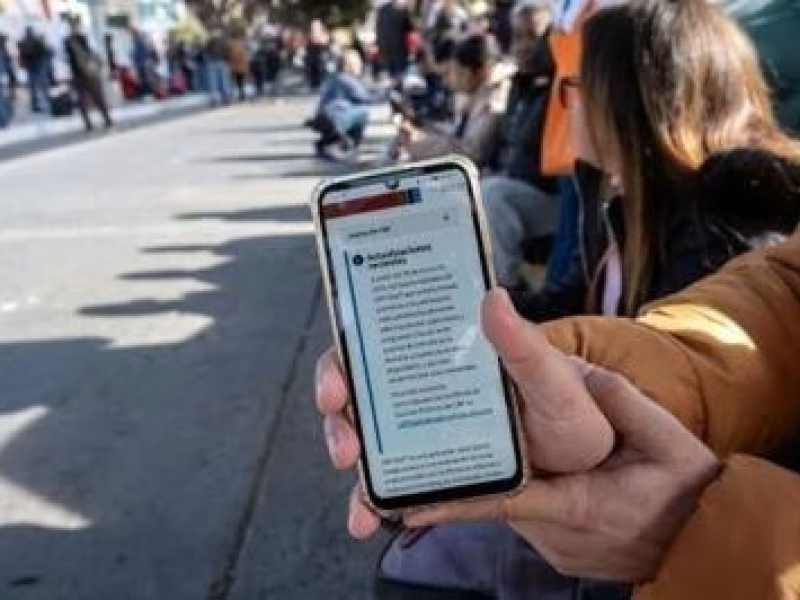
The United States government has ordered migrants who entered the country using a special asylum scheduling app to leave immediately, following the revocation of their temporary parole status. This decision affects thousands of individuals who crossed the southern border and were granted permission to stay and work legally under a program introduced during the Biden administration.
The CBP One app, launched to streamline asylum appointments, allowed migrants to schedule interviews and provided them with temporary legal status for up to two years, including work authorization. However, the Department of Homeland Security (DHS) has now canceled their parole status, rendering them unauthorized to remain in the U.S. Notices sent to affected migrants warn that failure to leave could lead to removal proceedings, fines, or even criminal prosecution.
The CBP One app, launched to streamline asylum appointments, allowed migrants to schedule interviews and provided them with temporary legal status for up to two years, including work authorization. However, the Department of Homeland Security (DHS) has now canceled their parole status, rendering them unauthorized to remain in the U.S. Notices sent to affected migrants warn that failure to leave could lead to removal proceedings, fines, or even criminal prosecution.
The revocation of parole status means these individuals lose access to work permits and other benefits tied to their temporary stay. Migrants have reported receiving emails instructing them to “leave the United States immediately” or face legal consequences. While the exact number of people impacted remains unclear, DHS has confirmed that notices have been sent out.
Under the Trump administration, the CBP One app has been rebranded as CBP Home, shifting its focus from facilitating asylum appointments to encouraging voluntary self-deportation. The updated app now allows undocumented migrants to self-report their intent to leave the U.S., asking questions about their financial ability and passport validity for departure.
This move is part of broader efforts by the U.S. government to address immigration challenges and secure its borders. DHS has emphasized that revoking paroles is a necessary step in managing the influx of migrants at the southern border. Additionally, plans for a national registry for undocumented migrants were announced earlier this year, requiring individuals aged 14 and older to submit personal information such as addresses and fingerprints.
While these measures aim to strengthen border security, experts have raised concerns about enforcement difficulties and practical challenges in implementing these policies effectively. The situation highlights ongoing tensions in U.S. immigration policy as authorities balance border control with humanitarian considerations.


