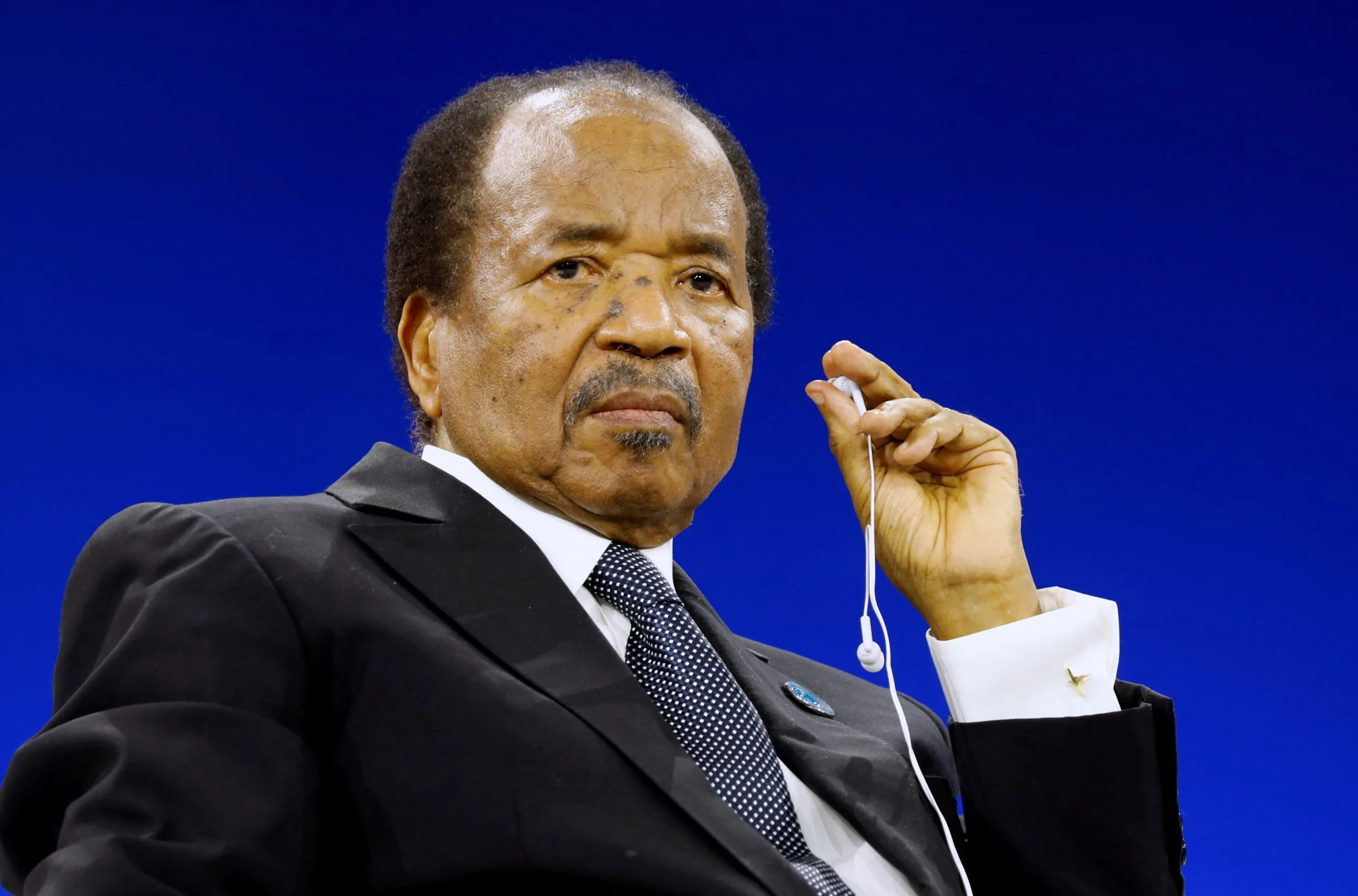
Internet connectivity across Cameroon has been disrupted amid protests against President Paul Biya’s recent re-election, marking the nation’s second internet blackout since the October 2025 presidential election crisis began. According to internet monitoring group NetBlocks, on Wednesday, multiple social media and messaging platforms including TikTok, YouTube, Facebook, and Telegram were restricted nationwide. NetBlocks reported that these measures followed the massive telecom interruptions during the October election period, which led to protests and a heavy government crackdown. Since President Biya was declared the winner of the October 12 election, youth-led protests have intensified across Cameroon, particularly in Douala, Cameroon’s largest city, where streets were shut down by demonstrators. The unrest arises from allegations of electoral fraud, intimidation, and manipulation by Elections Cameroon (ELECAM) due to claims by the opposition parties and human rights activists challenging the credibility of the vote. On October 27, the Cameroon Constitutional Council confirmed President Biya’s victory, granting him an eighth term. At 92 years old, Biya is the world’s oldest sitting leader, extending his rule beyond four decades. The re-election has been fiercely contested due to concerns of democratic backsliding and political repression. Cameroon’s internet shutdown closely follows similar disruptions in Tanzania, where President Samia Suluhu Hassan secured a 98% election win due to opposition boycotts and protests. Both cases are a troubling trend, whereby governments impose internet restrictions to control dissent during political crises. Human rights organizations have condemned such internet blackouts as violations of international law. Amnesty International stated that internet access is a fundamental human right, and shutdowns obstruct the free flow of vital information, hinder access to emergency services, and attempt to conceal abuses during protests. The group also stressed the crippling economic consequences of internet outages, giving reference to the week-long Tanzania blackout that paralyzed digital payments and basic communications, leading to an economic standstill.

Spiro, Moniepoint leads African startups to raise $442 million in October 2025
African technology startups secured $442 million in funding during October 2025, marking a 215.7% increase from September, according to data from Africa the Big Deal, a prominent African tech funding analytics platform.This funding surge places October as the second most-funded month of the year after July, which saw $550 million raised. Moreover, October recorded the highest equity funding so far in 2025, amounting to $334 million, representing 76% of total investments. Leading the funding round of the month is Spiro, which raised $100 million in one of Africa’s largest e-mobility financing deals, supported by the Fund for Export Development in Africa (FEDA), Afreximbank’s investment arm. Spiro plans to use this capital to expand its battery-swapping network and boost local manufacturing with pilot projects lined up in Cameroon and Tanzania.Moniepoint followed with a $90 million raise, completing its Series C second leg exactly a year after an initial $110 million raise in 2024. Development Partners International’s African Development Partners III fund led the round, joined by major investors including LeapFrog Investments, Google’s Africa Investment Fund, and Visa. The funds will accelerate Moniepoint’s expansion across Africa, enhancing financial tools for individuals and businesses.Also notable is Egypt’s cleantech startup Tagaddod, which secured $26.3 million to advance its renewable waste feedstock operations and regional growth, supported by The Arab Energy Fund and others.South African telematics firm Ctrack raised $23.4 million with backing from Sanari Capital and 27four Investment Managers, aiming to accelerate growth and innovation. Kenyan ISP Mawingu also garnered $20 million in Series C funding backed by Pembani Remgro Infrastructure Managers, targeting to extend internet access to underserved East African communities.These funding is aimed at supporting African technology innovation, creating more entrepreneurial growth, job creation, and digital transformation on the continent through 2026 and beyond.

Meta awards $200,000 to 12 African AI startups
Meta has announced the winners of its 2025 Llama Impact Program Accelerator, granting $200,000 in funding to 12 AI startups from Nigeria, Kenya, Senegal, and South Africa. The program supports innovative AI solutions tackling key challenges across Sub-Saharan Africa.The Meta Llama Impact Accelerator 2025 brought together early-stage startups harnessing Meta’s large language model, Llama, to address issues in sectors such as healthcare, education, agriculture, public safety, and public service delivery. Over 1,400 applications were received, with 40 startups shortlisted across the four countries.From Nigeria, MARMAR secured first place with $25,000 for its AI-based electronic medical record platform aimed at eliminating medication errors in hospitals and homes. Purple Labs earned $15,000 for MediSync, an AI-powered diagnostic tool enhancing patient care. DAWN AI Study received $10,000 for developing AI-powered tools supporting inclusive early education and emotional-cognitive learning.Senegal’s winners include Kajou, gaining $25,000 for offline AI-driven e-learning targeting community health workers, while SamaCoach and LOOKA Research were awarded $15,000 and $10,000 respectively for health fitness programs and market intelligence platforms based on AI.South African startups like eFama, CatalyzU, and Four Minute Medicine secured prizes totaling $50,000 for AI-powered marketplaces, workforce skill alignment, and medical error reduction training tools. Kenya’s top winners DPE, Esheria Ventures, and Neural Labs Africa focus on AI-driven public health messaging, digital paralegal services, and AI radiology tools respectively.The program culminated in Demo Day events that showcased these innovators and provided intensive business and technical mentorship, positioning them to scale impact across the continent.The winning startups will pitch for an additional $100,000 regional prize at the AI Summit 2025 in Dubai, with support from Meta including technical resources and investor introductions.
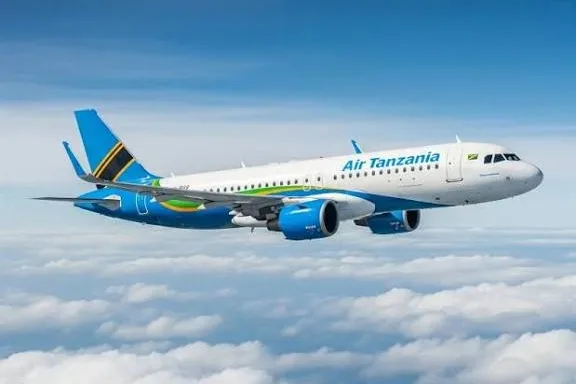
Air Tanzania debuts direct flights to Lagos, strengthening Nigeria-Tanzania ties
Air Tanzania has initiated direct air service connecting Dar es Salaam and Lagos, operating thrice weekly to enhance travel, trade, and cultural collaboration between Nigeria and Tanzania. The launch event in Lagos attracted key government figures and industry leaders, emphasizing the route’s strategic importance for continental integration goals. This newly established connection promises to improve accessibility between two of Africa’s major economic hubs. Flights from Dar es Salaam will depart on Mondays, Wednesdays, and Fridays, while return trips from Lagos are scheduled for Tuesdays, Thursdays, and Saturdays. The event gathered government representatives, tourism officials, logistics experts, and members of the African diaspora, demonstrating the broad support for this project. Tanzania’s Ambassador to Nigeria, Selestine Kakele, described the link as an “aerial bridge” uniting two of Africa’s largest urban centers and economies. Representing Nigeria’s Minister of Aviation and Aerospace Development, Mrs. Janet Oputa pointed to the route’s potential to stimulate commerce, tourism, and cultural exchanges, furthering the African Union’s Agenda 2063 and the Single African Air Transport Market (SAATM). Prof. Godius Kahyarara, Permanent Secretary at Tanzania’s Ministry of Transport, outlined the economic prospects this venture introduces, noting Nigeria’s status as Africa’s second-largest economy. He lauded President Samia Suluhu Hassan for elevating Air Tanzania into a leading carrier with a modern fleet averaging just 4.5 years in age. Air Tanzania’s Chief Executive Officer, Eng. Peter Ulanga, invited Nigerians to experience Tanzania’s famed tourist destinations like the Serengeti, Mount Kilimanjaro, and Zanzibar. He also revealed plans to extend cargo capacity, facilitating the exchange of products such as Nigerian yams and Tanzanian coffee. By adding Lagos to its network, Air Tanzania now serves 29 destinations across Africa, the Middle East, and Asia, including prominent cities like Johannesburg, Nairobi, Dubai, Mumbai, and Guangzhou. The airline continues to champion connectivity across Africa, upholding high standards of safety, service excellence, and customer satisfaction.

Crypto project uses Kenya’s former PM in deepfake controversy
A post appeared briefly on former Kenyan prime minister Raila Odinga’s verified X account on September 18, promoting a new cryptocurrency named Kenya Token ($KENYA). The message, which was soon deleted, claimed the token would launch shortly and place Kenya at the forefront of Africa’s crypto revolution. Alongside the text was a video seemingly showing Odinga endorsing this digital currency. The post read, We are pleased to announce that [Kenya] token will soon launch. Kenya is stepping up to lead Africa into the crypto revolution, embracing digital finance and shaping a more crypto-friendly future However, Odinga has yet to make any official statement, and reports suggest the promotion was unauthorized, with the video being a fabricated deepfake. A similar event occurred earlier this year in Tanzania, where billionaire Mohammed Dewji’s X account was compromised to promote a counterfeit token called $Tanzania. A fabricated video showed Dewji apparently backing the scam, and despite swift account recovery and warnings, nearly $1.48 million had already been defrauded. It was later revealed that the team behind Kenya Token unveiled a basic version of their website last Thursday, branding it as the “official digital token” of Kenya. The platform promised staking options, allowing investors to hold the token and earn interest. Currently, as at the time this report was published, the associated Telegram group has around 1,620 participants, but as the token is yet to launch officially, no contract address exists, making actual adoption difficult to measure. Many experts have dismissed the venture as fraudulent, due to lack of any prior activity before September 17, suggesting it was hastily assembled without meaningful groundwork. It remains uncertain if those managing the token still control Odinga’s X profile to further manipulate public perception. According to 2024 data from Chainalysis, high-yield promises are a frequent lure in crypto scams, with nearly half arising from projects offering unrealistic rewards with no practical utility. Other common deceitful methods include pig-butchering and rug pulls. Kenya has also been embroiled in controversy over another similarly named token. On July 11, anonymous developers introduced the Kenya Digital Token (KDT or $KDT), portraying it as a means for civic engagement and allowing participants to “buy into Kenyan heritage”. From the outset, skepticism arose due to the absence of a white paper or pre-sale, critical tools investors use to assess projects. An anonymous insider stated that when the token launched in July, there were clear warning signs like no white paper and bot activity. He added that the crypto community alerted these issues, pushing the developers to stay active in forums and gradually make improvements to gain credibility. The KDT team later published a white paper, framing the token as a non-investment venture that lets users earn tokens by engaging in community activities like scanning QR posters, participating in educational drives, or sharing updates online, with earnings vested over 36 months. Nonetheless, these tokens are also available for purchase on decentralized exchanges, effectively making them speculative assets, which critics argue may be a tactic to sidestep regulatory oversight while permitting market trading. $KDT operates reveals modest usage, with around 2,800 holders, under $200,000 in liquidity, and a total token supply of one million. A red flag is the concentration of 60% of tokens in a single wallet, a classic indicator of potential rug-pull risk if the holder dumps a large stake after price increases, possibly causing investors significant losses. These events emphasize the risks inherent in the crypto market worldwide, particularly where regulation remains limited. The Virtual Asset Service Providers (VASP) Bill in Kenya, designed to regulate the sector extensively is due for its second parliamentary reading on September 23 as lawmakers return from recess.
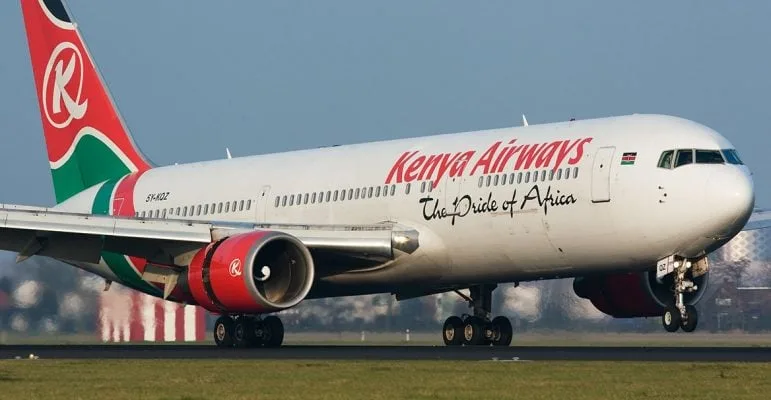
Kenya Airways settles NCAA fine but regulatory concerns remain over passenger treatment
Kenya Airways has fulfilled the payment required by the Nigerian Civil Aviation Authority (NCAA) after being sanctioned for consumer protection breaches, including the notable case involving Nigerian traveler Gloria Ibukun Omisore. The payment was confirmed by Michael Achimugu, NCAA’s Director of Public Affairs & Consumer Protection, in a statement posted on his official X account on Thursday. However, the aviation regulator stressed that settling the fine does not resolve the core issues that led to the penalties. Following several discussions, including a visit by the Kenyan High Commissioner to Nigeria and airline representatives from JKIA to the NCAA headquarters, Kenya Airways remitted the penalty fee on September 17, 2025. The payment addresses violations linked to Ms. Omisore’s case and other related customer service complaints. While recognizing the carrier’s compliance with the financial sanction, the NCAA reminded that the deadline to fully resolve all pertinent matters has passed. Therefore, the settlement does not mark the end of the regulatory concerns. The NCAA clarified that sanctions aim to enhance flight operations, safety, and passenger treatment rather than merely punishing operators. The authority expects the airline to refine its policies and enhance assistance to travelers, given Kenya Airways’ longstanding ties with the Nigerian market. This development traces back to an incident in February 2025, when Ms. Omisore was denied boarding on the connecting leg of her journey from Nairobi to Paris despite holding a ticket from Lagos to Manchester via Nairobi and Paris. The airline cited the absence of a Schengen visa as the basis for refusing boarding and offered an alternative route through London, which she reportedly declined. The situation escalated into a verbal dispute, with Kenya Airways accusing Ms. Omisore of inappropriate conduct. NCAA’s Achimugu criticized how the airline managed the episode, pointing to recurrent allegations of poor treatment of Nigerian passengers. He questioned why Ms. Omisore was allowed to travel from Lagos if visa issues were known and noted the airline’s failure to provide timely alternatives or adequate support during the event. To substantiate their claims, the NCAA also sought CCTV footage connected to the incident. The NCAA reaffirmed its commitment to closely oversee the airline’s operations within Nigeria to protect consumer interests and ensure proper documentation handling.