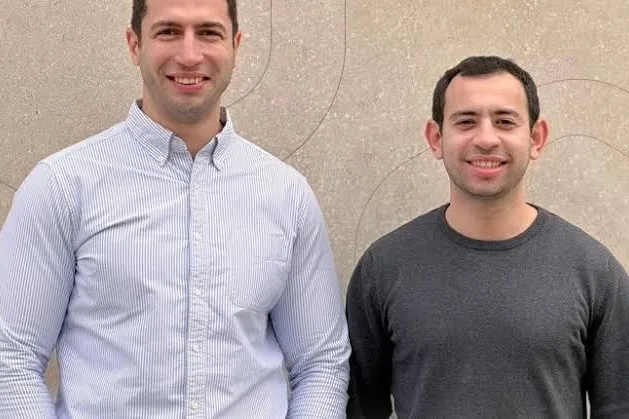
Egyptian B2B startup TradeHub has ceased operations and returned unused funds to investors, 18 months after securing $1.4 million in pre-seed financing. Despite several strategic shifts and testing phases, the company was unable to find a viable product-market fit. Founded in December 2023 by Ahmed Gaber and Ahmed Atef, TradeHub offered a platform connecting Egyptian manufacturers with international buyers, to boost export opportunities and enhance participation in global trade. Initially focused on showcasing factories and products to expand market access, the venture later transitioned toward a B2B sales automation software designed to digitize sales processes. Unfortunately, adoption rates fell short of expectations, prompting the founders to halt further pivots due to diminishing confidence in pursuing new directions. The funding round in early 2024, led by Concept Ventures, TLcom Capital, and Armyn Capital, was meant to accelerate growth and expand the company’s presence in the digital commerce arena. TradeHub’s objective was to empower 10,000 manufacturing companies by year-end, serving as a transparent, efficient bridge for cross-border transactions. However, despite this backing, sustainable growth remained elusive, and the recurring revenue model from the SaaS pivot failed to materialize adequately by mid-2025. Gaber, who co-founded Egypt’s notable logistics startup Bosta, described the shutdown as the result of extensive yet inconclusive validation attempts. Atef, bringing expertise from Meta, struggled with gaining traction in a competitive digital marketplace. Uniquely, TradeHub opted to return remaining capital to investors, a rarity in the MENA startup ecosystem where founders typically exhaust resources before shutting down.
MultiChoice Ghana yields to government pressure, commits to lowering DStv subscription costs
Following intense regulatory pressure, MultiChoice Ghana has agreed to scale down its DStv subscription fees. The announcement came after weeks of discussions between the pay-TV operator and the Ghanaian government, culminating in a newly formed committee to finalize pricing adjustments by mid-September. This was confirmed during a press briefing on September 5, where Communications Minister Sam George disclosed that the company submitted detailed pricing information after persistent government insistence. This package of data included bouquet cost breakdowns, tax elements, and comparisons of subscription charges with at least six other African nations. Such transparency paved the way for the establishment of a review panel tasked with devising a fair pricing structure and aiming to conclude the process by September 21, 2025. The initiative follows an ultimatum issued earlier in August requiring MultiChoice to reduce fees by 30% before a specified deadline or face suspension of its broadcasting license. The directive also included a daily levy for non-compliance. The government argued that the recent price increases were disproportionate, especially considering the Ghanaian cedi’s remarkable 40% appreciation against the US dollar this year. Although MultiChoice initially rejected the demand for cuts, citing existing affordability despite challenging economic conditions, the company later agreed to participate in the stakeholder group alongside government officials and the National Communications Authority (NCA). Minister George emphasized that the firm had accepted the need for reductions but insisted on a swift resolution, advocating a 14-day timeline for the committee’s work instead of the 30 days requested by MultiChoice. Despite the company’s public statements stressing ongoing negotiations rather than finalized agreements, regulatory authorities have made clear that enforcement actions, including accumulated fines, will proceed if compliance measures are not met promptly. The negotiation process aims to balance consumer protection with maintaining the sustainability of services offered by the broadcaster. The government has reaffirmed its readiness to implement penalties on accumulated fines, emphasizing its openness to business ventures that respect national laws and consumer interests.
Bank of Ghana halts operations of eight fintech firms including Flutterwave and Cellulant over regulatory breaches
The Bank of Ghana has suspended remittance activities for eight fintech companies, among them Flutterwave and Cellulant Ghana, effective September 18, 2025, to enforce compliance with the country’s updated inward remittance regulations. In a recent announcement, Ghana’s central bank revealed that the affected firms have fallen short of adhering to the Updated Guidelines for Inward Remittance Services by Payment Service Providers, instituted in 2023. Flutterwave and Cellulant Ghana stand accused of violating key provisions related to licensing, operational standards, and mandatory reporting procedures. The crackdown extends beyond just these two companies, encompassing Tap Tap Send, Afriex, Halges Financial Technologies, Top Connect, Remit Choice, and Send App. While most are facing suspensions lasting one month, Halges Financial Technologies will remain barred from operations indefinitely until it secures fresh approval from the Bank of Ghana. Additionally, the regulator has imposed sanctions on the United Bank for Africa (UBA) Ghana Limited, which functions as the settlement bank for the blocked providers. UBA’s foreign exchange trading license has been revoked for thirty days starting September 18 as a measure of accountability. This action by the Bank of Ghana follows repeated violations in the fintech sector’s adherence to the Payment Systems and Services Act along with the Banks and Specialised Deposit-Taking Institutions Act. These laws require financial entities to submit regular transaction reports and maintain transparent operational practices. The central bank criticized the firms for excessive reliance on informal money transfer methods, unauthorized foreign currency swaps, and the use of unofficial exchange rates. Such practices, the regulator argued, undermined Ghana’s remittance system’s credibility and threatened household incomes, business cash flows, and the country’s foreign currency reserves. The Bank of Ghana hopes to rectify procedural shortcomings and reinforce regulatory compliance, ultimately protecting consumers and promoting stability within the financial ecosystem. These sanctions will temporarily disrupt remittance flows through some of Ghana’s most used fintech platforms, prompting users to seek alternatives during the suspension periods. Nonetheless, the Bank of Ghana anticipates that tougher enforcement will lead to a more secure and accountable remittance network moving forward. The central bank also made it clear that any future partnerships with the suspended entities will require fresh authorization, emphasizing its commitment to fostering a compliant and transparent fintech landscape in Ghana.
Takealot launches digital Home Loan Hub, drawing over 1,000 applicants in first 48 hours
South Africans can now secure mortgages online with unprecedented ease, thanks to Takealot’s recently unveiled Home Loan Hub. Launched last week in collaboration with MortgageMarket, this digital offering swiftly drew more than 1,000 users eager to explore home financing options in just 48 hours. This fresh platform revolutionizes property financing by allowing prospective buyers to apply through a straightforward online process, eliminating the usual hassle tied to traditional banks. Customers receive instant assessments without harming their credit ratings and can compare loan packages from leading banks like Absa, FNB, and Standard Bank. Within three days, candidates get detailed loan proposals, with successful applicants earning up to R20,000 worth of Takealot vouchers upon bond registration, an innovative perk designed to enhance customer loyalty. Tim Akinnusi, CEO of MortgageMarket, stated the rapid user uptake following the launch, signaling strong public enthusiasm for integrating home loan services with e-commerce convenience. This approach taps into Takealot’s existing customer insights and logistical networks to better evaluate credit risks. Industry experts praise the strategy as both timely and forward-thinking. Michael Jordan, a chartered enterprise risk analyst, said that by leveraging on data from previous purchase behavior, Takealot can refine its lending framework. He also said that expansion into insurance and other financial products wouldn’t be surprising. The trend arrives amid signs of recovery in South Africa’s housing market after a period marked by steep interest rates and inflationary pressures. Digital platforms like MTN, EasyEquities, and BetterBond have already been pioneering similar efforts, a broader move away from brick-and-mortar processes towards seamless online services.

Equatorial Guinea president’s son sentenced over illegal sale of national plane
A court in Equatorial Guinea has handed down a verdict against Ruslan Obiang Nsue, son of President Teodoro Obiang Nguema Mbasogo, for unlawfully selling a government-owned aircraft. The ruling came on Tuesday, announcing that the former head of the national airline faces six years behind bars unless he reimburses the state for the missing plane. According to Hilario Mitogo, spokesperson for the supreme court, the accused, aged 50, previously managed Ceiba Intercontinental, the country’s national carrier. Investigators found that Obiang Nsue negotiated the sale of an ATR 72-500 aircraft to a Spanish firm, pocketing the proceeds without authorization. Following his 2023 house arrest, which was ordered by his half-brother and current vice-president Teodoro Nguema Obiang Mangue, also a presidential son, the court declared that Ruslan could avoid incarceration by reimbursing approximately $255,000 to the airline, alongside additional damages and a governmental fine. While convicted of the illicit transaction, Obiang Nsue was cleared of other allegations including embezzlement and misconduct in office. Notably, Ruslan has held positions beyond aviation, including serving as secretary of state for sports and youth. In a related development, the vice-president, Teodoro Nguema Obiang Mangue, received a suspended jail sentence and a $35 million penalty in France last year for charges of public fund misappropriation. The court’s ruling reinforces the imperative of accountability within national institutions, emphasizing that unauthorized transactions involving state assets carry heavy legal repercussions.
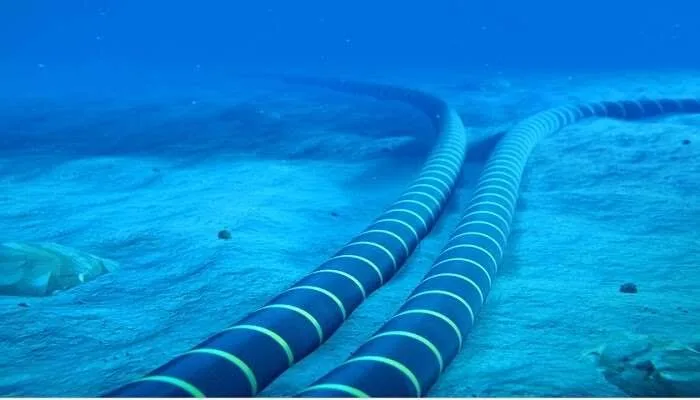
Meta advances its Africa’s digital capacity with new data centres and subseacable in Nigeria
Meta is expanding its Africa’s internet infrastructure with new data centres and the 2Africa subsea cable landing in Nigeria, aiming to improve connectivity and support the continent’s growing online population.At the launch of Digital Realty’s third Lagos data centre (LKK2) in Lekki, Meta’s Edge Strategy Manager, Ben Ryall, stressed the importance of reliable internet access for economic growth, financial inclusion, and social development. LKK2 adds nearly 2MW of IT capacity and connects directly to the LKK1 data centre, which hosts the 2Africa cable landing station.The 2Africa cable, the world’s largest subsea cable at 45,000 km, connects 33 countries with 46 landing points across Africa, Europe, the Middle East, and Asia. In Nigeria, the cable lands in Lagos and Kwa Ibo, helping reduce reliance on single cable systems and increasing internet capacity and resilience.According to Ryall, Meta’s infrastructure investments will help Africans enjoy internet quality comparable to developed countries. With Africa’s population expected to reach 2.1 billion by 2050, these improvements are key to supporting digital services like online education, telemedicine, e-commerce, and mobile money.Digital Realty’s Managing Director in Nigeria, Ikechukwu Nnamani, said the LKK2 launch marks a step forward for Nigeria’s digital transformation by providing reliable, high-performance infrastructure. This new data centre integrates with global platforms to offer low-latency connectivity and seamless interconnection for businesses.Meta also plans to expand digital infrastructure in other African markets like Ghana and the Democratic Republic of Congo. The combined efforts in subsea cables and data centres aim to build sustainable, open, and resilient internet infrastructure, unlocking new economic opportunities in Africa.