
Temidayo Ojo has been appointed as the new CEO of Jumia Nigeria and has promised to focus on growing the company’s presence beyond major cities while keeping the current workforce intact. In a recent exclusive interview, Ojo revealed his priority to deepen customer experience and strengthen the seller ecosystem in Nigeria. He plans to expand Jumia’s e-commerce services to secondary cities across the country, tapping into Nigeria’s vast market potential. Ojo’s appointment comes after his successful stint as CEO of Jumia Ghana and years of experience within Jumia since 2020. Returning to lead Jumia Nigeria, a market he knows well, he called the role both an honour and a big responsibility. He praised the outgoing CEO, Sunil Natraj, for steering a strong turnaround. Jumia Nigeria recently recorded a 22% year-on-year increase in Physical Goods Orders and a 20% growth in Gross Merchandise Value (GMV) in dollars for Q1 2025. Ojo plans to build on this momentum by focusing on locally relevant innovations and partnerships. Addressing concerns about possible job cuts, which often follow leadership changes, Ojo was clear that there are no plans for layoffs. He described Jumia’s people as its biggest asset and stressed the company’s commitment to growth and improving service delivery. Ojo also stated the challenges and nuances of the Nigerian market, such as its large, diverse population, infrastructure gaps, currency fluctuations, and inflation. His experience in both Nigeria and Ghana, he says, equips him to navigate these issues while finding new opportunities.

Glovo marks 10 years, spotlights Nigeria’s digital growth and privacy commitment
Glovo, a global leader in quick commerce, is celebrating its 10th anniversary by spotlighting Nigeria’s growing influence on its platform and renewed focus on data privacy. Since launching in Nigeria in 2021, Glovo has helped over 6,000 local businesses and generated more than ₦71 billion in revenue for its partners. The company’s latest Yellow Effect Report shows a 55% jump in digital payments and a surge in cashless transactions, reflecting Nigeria’s rapid shift toward digital commerce. Glovo’s General Manager for Nigeria, Lamide Akinola, described the report as “a narrative of shared growth and partnership,” emphasizing that Nigeria is shaping how the company serves and innovates for the future. The company’s growth comes as Nigeria strengthens its data protection laws. The Nigeria Data Protection Act 2023 established the Nigeria Data Protection Commission (NDPC), which now oversees how companies collect and use personal data. Under this law, organizations must secure users’ information and allow Nigerians to access or delete their data, except where retention is required by law. Glovo’s privacy policy aligns with these standards. The company collects data to improve its services and only shares information with authorities when required. Users can manage or request deletion of their data, and Glovo notifies customers about any policy changes.
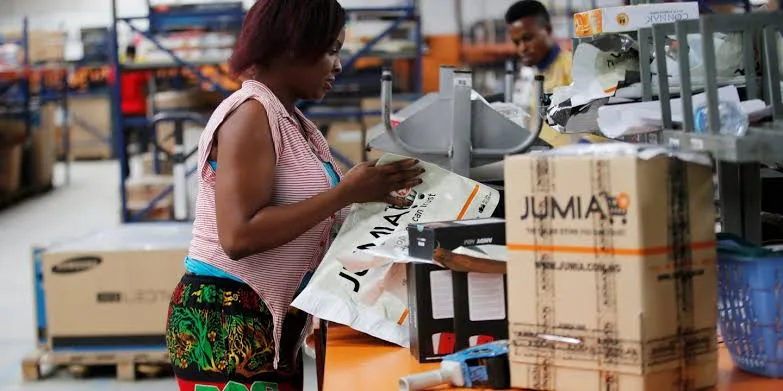
Jumia strengthens privacy measures to protect users across Africa
As Africa’s leading e-commerce platform faces growing competition, Jumia is also stepping up its commitment to user privacy, ensuring customers’ personal data is safeguarded amid expanding operations. Jumia has implemented robust privacy policies designed to protect the personal information of its users, sellers, and partners. The company collects data only for clear, legitimate purposes and limits access strictly to authorized personnel bound by confidentiality agreements. Sensitive information is handled with extra care, requiring explicit consent or legal approval before processing. To secure transactions, JumiaPay uses encryption and SSL technology, allowing customers to shop without exposing their payment details to merchants. The company also retains data only as long as necessary and provides users with rights to access, correct, or delete their information through a dedicated Data Privacy Officer. This renewed focus on privacy comes as Jumia expands partnerships with Chinese merchants and local sellers to diversify its catalog and better serve African markets. Jumia CEO Francis Dufay emphasized that protecting customer trust through data security is vital for the company’s growth and investor confidence. By combining enhanced privacy safeguards with tailored offerings, Jumia aims to maintain its leadership in Africa’s e-commerce space while addressing structural challenges such as internet penetration and payment infrastructure.