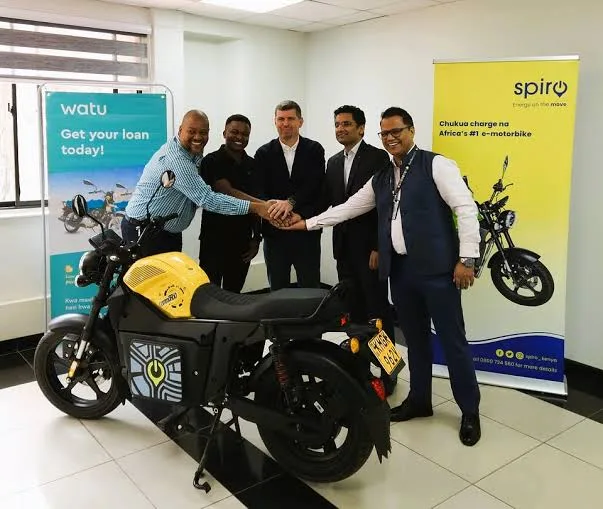
Spiro has launched a dynamic effort to transform Nigeria’s motorcycle sector by introducing affordable, eco-friendly electric bikes nationwide. This innovation aims to reshape urban mobility, addressing climate concerns and economic realities head-on. Spiro’s fresh approach presents a practical alternative to petrol-powered motorcycles that millions rely on daily, against a backdrop of rising fuel prices, worsening pollution, and congested cities. Nigeria’s motorcycle fleet exceeds 20 million, with over a million new sales each year, creating the need for electric vehicle adoption. More than just selling vehicles, Spiro is building a robust network centered on fast battery swaps that cut recharge times to under two minutes and slash running costs by up to 40%. This inventive system addresses core obstacles like range anxiety and high upfront expenses, making the green option accessible and convenient. Partnering with microfinance bodies and leveraging digital payments, the program expands affordability to riders with limited savings who earn daily wages. By replacing gasoline bikes with electric counterparts, each unit potentially reduces carbon emissions by approximately 1.5 tonnes annually. Beyond environmental benefits, it also eases riders’ fuel expenditures and stabilizes their transport means crucial to informal sector livelihoods. Spiro aims to evolve swap stations into renewable energy hubs that integrate clean electricity generation and urban transport, an increasingly important model for sustainability-minded cities worldwide.

FG launches $11 million rollout of 1,653 solar-powered cold chain units, most allocated to Northwest and Northcentral regions
The Nigerian government has initiated the nationwide deployment of 1,653 solar-powered refrigerators, valued at approximately $11 million, aimed at enhancing vaccine storage and delivery across all states, with the Northwest and Northcentral zones receiving the largest shares. This new program, part of President Bola Tinubu’s Renewed Hope Agenda, seeks to improve primary healthcare services by bolstering immunization infrastructure. Dr. Muyi Aina, Executive Director of the National Primary Health Care Development Agency (NPHCDA), announced that 448 units will be assigned to the Northwest, while the Northcentral region will get 308 units. The Southwest will receive 343, the South-South 221, the Southeast 205, and the Northeast 128 units. In total, 53% of the equipment will be deployed to northern Nigeria, with the remaining 47% distributed among southern states, ensuring that every state and the Federal Capital Territory benefit from this enhancement. The collection of solar direct drive refrigerators comes complete with spare parts, temperature monitoring devices, and a 10-year maintenance contract to guarantee long-term durability. This deployment, which has already seen 525 units warehoused in Abuja with others being dispatched nationwide, is designed to serve underserved and hard-to-reach communities where reliable electricity is scarce. Dr. Maharajan Muthu, UNICEF’s Chief of Health in Nigeria, stressed the significance of this campaign, describing the cold chain system as the backbone of any effective immunization effort. UNICEF has been instrumental in supporting this project by providing technical expertise in equipment procurement, analytics, and infrastructure strengthening. Muthu noted the necessity for improved asset tracking, maintenance routines, stock management, and sustainable financing to maximize the impact of this project. UNICEF pledges continued collaboration with the Nigerian government to ensure these goals are met while expanding immunization coverage. Representing the World Health Organization (WHO), Dr. Alex Chimbaru praised the move, stating that this endeavor aligns closely with the global Immunization Agenda 2030. He emphasized how solar technology not only preserves vaccine quality but also promotes environmental sustainability and strengthens the resilience of health systems.
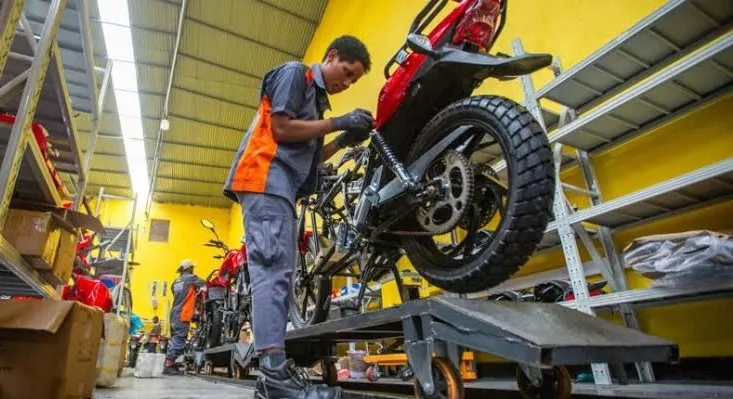
Rwandan e-motorbike maker Ampersand secures new funding to expand across East Africa
Rwandan electric motorbike company Ampersand has secured fresh funding to grow its operations in East Africa. This recent investment round, with an undisclosed amount, was supported by British International Investment (BII), Seedstars Africa Ventures, Gaia Impact, Rwanda Green Fund, and several other partners. The new capital will help Ampersand increase its electric motorcycle fleet and expand its battery swap and charging network in the region. Ampersand, founded in 2016, focuses on assembling and financing electric motorcycles. Its goal is to deploy 5 million electric motorcycles across Africa within the next decade. The company has already powered more than 5,700 electric bikes, covering about 950,000 kilometers daily in Rwanda and Kenya. Josh Whale, Ampersand’s CEO, shared his excitement about the new funding. He said the support strengthens their mission to replace petrol motorcycles with cleaner, cheaper electric alternatives. With backing from BII and other investors, we plan to double our battery fleet by early 2026 and deliver over 35,000 battery swaps every day Seema Dhanani, regional director for East Africa at BII, said the investment aligns with their focus on climate innovation that creates jobs, lowers emissions, and promotes sustainable transport in Africa. Seedstars Africa Ventures also praised Ampersand’s strong business model and team, citing their ability to turn batteries into bankable assets as a standout feature. Last year, Ampersand raised $2 million in another funding round and signed an agreement with battery maker BYD. This deal will help them produce 40,000 electric motorcycles by 2026. Ampersand recently introduced its updated flagship bike under the new brand name “Alpha.” The Alpha brand for affordability, cleaner air, and better public health for African cities.
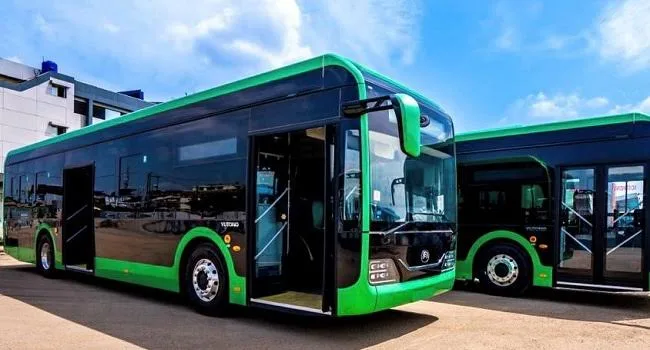
Enugu State set to launch 100 compressed natural gas (CNG) buses and five modern bus terminals
The Enugu State Government has announced the launch of 100 compressed natural gas (CNG) buses and the commissioning of five modern bus terminals across the state today Thursday, August 14, 2025. This development aims to improve public transportation infrastructure and make commuting more convenient and sustainable for residents. Governor Dr. Peter Ndubuisi Mbah shared the news on his official X account, explaining that the terminals to be commissioned are located at Holy Ghost (two terminals), Nsukka, Abakpa, and Gariki. The CNG buses are part of a 200-bus fleet procured by the government, with this first batch set to enhance urban transit efficiency and safety. This falls under the Smart Transport Program (STP), which is focused on modernizing Enugu’s transport system through digitization, improved traffic management, and the adoption of eco-friendly transport solutions. The program also aims to provide job opportunities and training for youths involved in transport services. Dr. Malaki Uchennabu, the Honorable Commissioner for Information and Communication, released a video showcasing the newly built bus terminals and CNG buses, inviting the public and transport stakeholders to the commissioning event. According to the government, this move marks a “giant leap” towards making travel faster, safer, and more enjoyable in Enugu State. Earlier efforts include the procurement of 50 Bus Rapid Transit (BRT) buses and the development of new terminals, part of efforts put in place to expand and improve public transport within the state. This transport upgrade is expected to benefit daily commuters and contribute to a greener environment by promoting the use of cleaner fuel-powered buses.
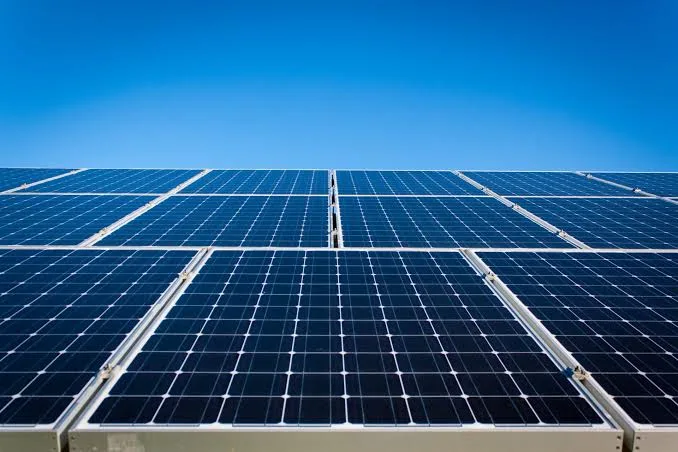
Yoruba king’s palace runs fully on solar, aiming to power community in Abeokuta
The Olowu of Owu Kingdom in Abeokuta, Ogun State, Oba Professor Saka Adelola Matemilola, has fully powered his palace with solar energy and plans to extend this power to his community. Nigeria’s national grid, which serves nearly 200 million people, has faced frequent collapses including 12 times in 2024, causing widespread blackouts and challenges for homes and health services. Many Nigerians are turning to renewable energy as a reliable alternative. The Olowu’s palace operates on a 120kVA solar system, with the first phase of 50kVA already powering the palace. The system is designed to produce excess power that will eventually supply street lights, health centres, and boreholes in the community. Dr. Akintoye Akindele, an Owu indigene, explains that while the palace uses about 25-40kVA, the remaining energy charges batteries to keep key infrastructure running and support community development. In an innovative move, the Olowu is also introducing a 3D-printed cowry shell token system to support a school meal program. Each token is personalised and linked to a cloud-based system to ensure funds given for school feeding reach the intended children. The tokens also aim to evolve into local currency for approved vendors, encouraging local commerce while preserving cultural heritage. “This project is about reducing our carbon footprint, healing the earth, and empowering our people,” said the Olowu. He hopes this model will inspire other traditional leaders and communities to adopt similar technologies for sustainable development.
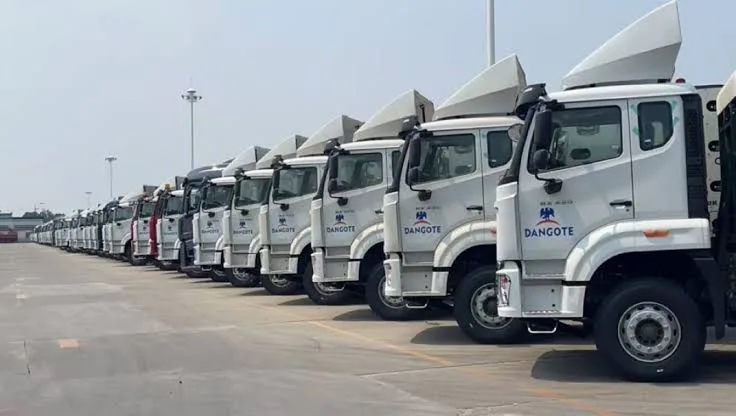
Dangote refinery welcomes 4,000 new CNG trucks in Lagos, set for August fuel rollout
Dangote Petroleum Refinery has taken delivery of 4,000 brand-new Compressed Natural Gas (CNG) trucks at the Lagos Port. The trucks arrived on Saturday, July 26, and were unveiled through a video posted on the Dangote Group’s official social media. The footage showed cranes unloading the trucks and hundreds of the new vehicles lined up, ready for action. According to Dangote Group, these CNG trucks will power a huge fuel distribution rollout set to start on August 15. The company said, “We are delighted to receive 4,000 brand-new CNG trucks as part of our bold distribution strategy to champion cleaner energy and more efficient transportation across Nigeria and beyond.” By mid-August, the refinery plans to start delivering petrol and diesel directly to filling stations, industrial sites, and major fuel users. This will cut out middlemen, solve logistics bottlenecks, and bring fuel directly to where it’s needed most. Earlier reports showed that Dangote’s new distribution model could help Nigeria save over N1.7trillion a year in energy costs. The trucks are expected to serve more than 42million small businesses, revive dormant filling stations, and create upwards of 15,000 jobs in the logistics industry. The CNG trucks will also help reduce emissions, supporting federal efforts to promote cleaner and greener energy. Stakeholders like the Independent Petroleum Marketers Association of Nigeria, energy experts, and government officials have praised the project, calling it a move that could stabilize fuel prices and modernize the sector. With the new trucks, Dangote Refinery aims to meet Nigeria’s daily need for 65million litres of refined petroleum products, including petrol, diesel, and aviation fuel. The new fuel delivery system will be up and running from August 15, offering cheaper fuel distribution, better distribution, and new job opportunities in months to come.