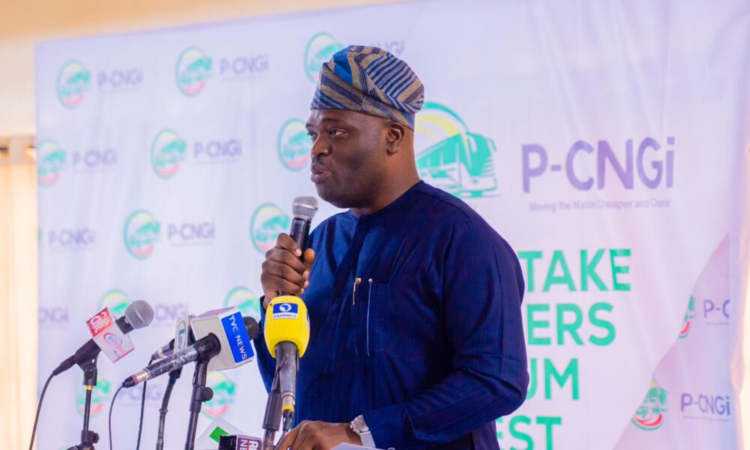
The Federal Government is stepping up efforts to promote Compressed Natural Gas (CNG) as a cleaner fuel across Nigeria. Officials say the move is part of a wider plan to reduce the country’s carbon emissions and create new jobs. CNG is seen as a cheaper and more environmentally friendly alternative to petrol and diesel, especially for public transport and logistics. The government has started rolling out incentives for businesses and transport operators to switch to CNG. This includes support for building more CNG refuelling stations and converting existing vehicles. Experts believe the shift could help Nigeria meet climate goals and save billions on fuel imports. Industry watchers say the CNG push could open up new opportunities for local mechanics, engineers, and entrepreneurs. “This is a chance for young people to get involved in the energy sector and learn new skills,” said an energy analyst in Lagos. The government plans to keep working with private partners and state governments to expand CNG access nationwide. If successful, the initiative could lower pollution in cities and help Nigeria’s economy grow in a greener direction.

Nigerians to access subsidised solar appliances in $6.1m clean energy boost
Nigerians will soon benefit from cheaper solar-powered appliances thanks to a new $6.1 million initiative aimed at expanding access to affordable, energy-efficient tools for homes and businesses. The program, led by CLASP and the Global Energy Alliance for People and Planet (GEAPP), will distribute 10,000 solar-powered refrigerators, water pumps, milling machines, and other equipment across Nigeria, Kenya, and Ethiopia. This effort builds on a successful two-year pilot that brought 16,000 appliances to market and helped over 58,000 households, with nearly half of the buyers being women. The initiative offers grants, subsidies, and technical support to suppliers to lower prices and promote green job creation, aiming to empower small businesses, farmers, and low-income communities. Emmanuel Aziebor, CLASP’s Senior Director for Africa, said, “Access to energy is foundational for economic growth. Efficient appliances turn energy into opportunity and should be considered essential infrastructure.” Nigerian shopkeeper Abibat Akinwale shared her experience, saying the solar fridge she acquired through the program has boosted her sales by allowing her to sell cold drinks without debt from buying ice blocks. With rising fuel prices and unreliable electricity, solar solutions are becoming more attractive to Nigerians, offering a stable and cost-effective alternative. This program is also expected to create over 3,000 green jobs and support economic growth by making clean energy tools more affordable and accessible. This subsidy scheme marks a significant step toward wider adoption of solar technology in Nigeria, helping reduce dependence on costly fuel imports and improving livelihoods in rural and urban communities.
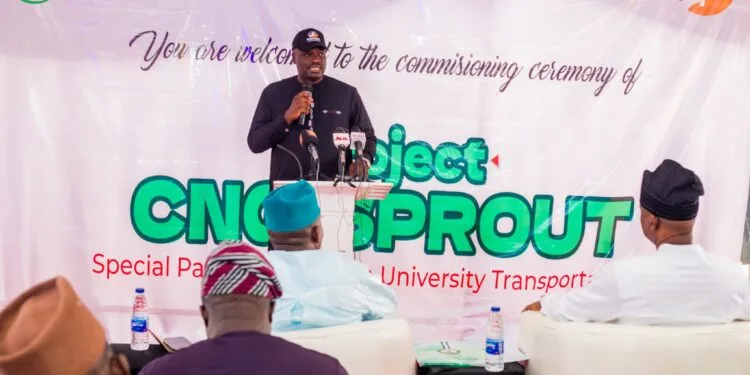
FG launches Project SPROUT to deploy clean energy buses and tricycles in Nigerian universities
The Federal Government has launched Project SPROUT, a nationwide initiative to introduce Compressed Natural Gas (CNG)-powered buses and tricycles across university campuses in Nigeria. The project aims to provide cleaner, more affordable transportation options for students and staff in tertiary institutions. Spearheaded by the Presidential Compressed Natural Gas Initiative (PCNGI), Project SPROUT is part of a broader strategy to reduce carbon emissions, lower transport costs, and promote sustainable development in the country. Selected universities will receive CNG vehicles designed to improve intra-campus mobility while fostering technical skills and innovation among youth. “The launch of Project SPROUT marks a significant milestone in Nigeria’s commitment to clean energy and affordable transportation,” said a PCNGI spokesperson. “This initiative will revolutionize campus transport and support the country’s transition to greener energy solutions.” The move follows earlier efforts by the government, including the conversion of 800 taxis at Abuja Airport to CNG and the deployment of hybrid CNG buses on key routes to offer subsidized fares. Despite challenges such as limited refueling infrastructure and high conversion costs, the government has invested over $450 million in the CNG value chain since 2023. Project SPROUT is expected to ease the financial burden of daily commuting for students and staff while contributing to Nigeria’s environmental goals.