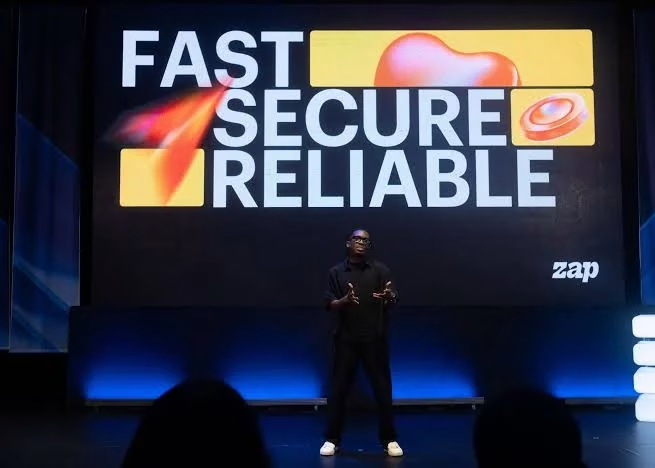
Paystack, a leading player in Africa’s B2B payments, has launched Zap, a consumer-facing app designed to make transactions faster, simpler, and more reliable. Founded by Shola Akinlade, Zap targets users already embedded in the traditional banking system, focusing on speed and reliability rather than offering a comprehensive financial ecosystem. Zap promises transactions completed in under 30 seconds, though tests showed occasional delays beyond this mark. It supports 23 traditional banks, excluding fintech entities like Opay and PalmPay. One of its standout features is the ability to facilitate payments from foreign accounts to Nigerian banks, a feature lacking in many local fintech solutions. However, Zap faces several challenges. The app requires users to link existing bank accounts, which may deter those who prefer one-click account opening features. Additionally, it lacks support for microfinance platforms, limiting its appeal to the underbanked population. The app also has tiered transaction limits, with Tier 1 accounts capped at a daily transaction limit of ₦50,000 and a balance limit of ₦200,000. Upgrading to higher tiers requires additional KYC documentation, which could deter casual users. Zap differentiates itself from competitors like Opay and PalmPay by focusing solely on bank transfers rather than offering a full financial ecosystem. This approach appeals to professionals managing multiple accounts but may limit its appeal to those seeking comprehensive financial services.

First bank challenges court decision in GHL debt recovery case
The Federal High Court has ruled that the ongoing dispute between First Bank of Nigeria and General Hydrocarbons Limited (GHL) is a case of debt recovery rather than a maritime claim. This decision comes despite First Bank’s efforts to prevent what it described as a “fraudulent attempt” to sell crude oil stored on the FPSO Tamara Tokoni. The court also noted that an ex parte order to arrest the cargo had expired, as such orders are only valid for 14 days unless renewed. However, First Bank insists that the crude oil remains under arrest and has filed an appeal against the ruling. The bank has also sought an injunction to prevent GHL from dealing with the cargo pending the appeal’s outcome. In another related case, a Federal High Court in Port Harcourt dismissed First Bank’s suit against GHL, citing a lack of jurisdiction and labeling the case as an abuse of court process. This decision paves the way for arbitration at the Lagos Court of Arbitration, where GHL is seeking hundreds of millions of dollars in damages from First Bank for alleged breaches of obligations. First Bank has expressed strong disagreement with the rulings, stating that it will pursue every legal means to protect its stakeholders’ interests and prevent fraudulent debtors from evading their obligations. The bank maintains its respect for the judiciary but views the decisions as miscarriages of justice.

Visa expands footprint in Nigeria with groundbreaking data centre project
Visa Inc., the global leader in payment card services, has unveiled plans to build a state-of-the-art data centre in Nigeria. The announcement was made during a meeting between Visa’s Regional President for Central and Eastern Europe, the Middle East, and Africa, Andrew Torre, and Nigeria’s Vice President Kashim Shettima at the Presidential Villa in Abuja. The planned data centre is part of Visa’s broader investment strategy in Nigeria, to introduce advanced technologies that will further strengthen Nigeria’s position as a leading fintech hub in Africa.Visa has been actively investing in Nigeria’s digital transformation. The company recently partnered with MoniePoint to enhance digital payment solutions and invested $200 million in Interswitch to improve digital transactions. Additionally, Visa has collaborated with ThriveAgric to support smallholder farmers and promote food security. Andrew Torre reaffirmed Visa’s commitment to the Nigerian market, stating, “Visa has been making investments and will continue to make these investments in Nigeria.” The new data centre is expected to play a pivotal role in driving innovation within the country’s growing digital economy. Vice President Kashim Shettima welcomed Visa’s investment plans, emphasizing the government’s dedication to fostering partnerships that drive economic growth. He highlighted the administration’s focus on modernizing agriculture and leveraging technology as part of President Bola Ahmed Tinubu’s 8-point agenda. “Nigeria is where the action is,” Shettima said. “Of the ten fintechs in Africa, about eight are in Nigeria. Agriculture is key to our agenda, and we must invest in technology and modernization.” Visa’s announcement comes at a time when Nigeria is making significant strides toward enhancing its digital infrastructure. In October 2024, the government signed an agreement with Ericsson to expand 5G connectivity across the country. This collaboration aims to improve internet access and drive adoption of fintech and artificial intelligence technologies. By establishing a local data centre, Visa is not only reinforcing its commitment to Nigeria but also aligning with the country’s vision of becoming a leading player in Africa’s digital economy.The establishment of Visa’s data centre is expected to create jobs, attract further investments, and enhance digital payment systems across the country.

Stanbic IBTC and SIFAX Group unite to transform Nigeria’s maritime sector
Stanbic IBTC Asset Management has partnered with SIFAX Group to develop an ultra-modern port terminal in Ijora, Lagos. This strategic collaboration aims to address critical capacity challenges and enhance efficiency in the sector. The Ijora Terminal project spans 8.3 hectares and includes the development of a new container terminal, construction of a quay wall, harbor dredging, and procurement of essential port equipment. By increasing cargo clearing capacity, the terminal is expected to reduce congestion at the Apapa and Tincan Ports, thereby improving trade flows and reducing delays for importers and exporters. “This project offers a unique opportunity to contribute to Nigeria’s economic prosperity by modernizing the Ijora terminal and expanding its capacity,” said Dolu Olugbenjo, Chief Investment Officer of Stanbic IBTC Infrastructure Fund. “It will generate significant economic and social benefits, including job creation and support for national development.” The terminal is poised to complement existing port services in Lagos and aligns with Stanbic IBTC’s commitment to impactful infrastructure projects, contributing to Nigeria’s sustainable development. It will also have a positive impact on several Sustainable Development Goals (SDGs), including poverty eradication, decent work, economic growth, industry innovation, and sustainable cities. “We are proud to have reached financial closure and commenced construction on this landmark project,” noted Dr. Taiwo Afolabi, Founder and Group Chairman of SIFAX Group. “This initiative will not only improve port capacity but also create jobs and support national development.”
Nigerian fintech Sycamore secures SEC license, eyes asset management growth
Nigerian digital lender Sycamore has secured a fund manager license from the Securities and Exchange Commission (SEC), marking a strategic expansion into asset management. This development positions Sycamore as a one-stop shop for Nigerians seeking to borrow, invest, and grow their wealth. Sycamore, known for its peer-to-peer lending services, aims to tap into the growing demand for accessible investment options among retail and institutional investors. The company will offer diversified portfolios across stocks, bonds, and money-market instruments in both local and foreign currencies. This expansion is driven by customer demand, particularly from its 300,000 users, including freelancers and SMEs, who have expressed a desire for straightforward investment pathways. To lead its new division, Sycamore Investment and Asset Management Limited (SIAML), the company has appointed Oluwagbenga Magbagbeola, a seasoned capital markets expert. Magbagbeola brings 17 years of experience from roles at ARM Securities, FBNQuest Securities, and Profund Securities. Sycamore plans to launch an upgraded mobile app featuring real-time investment analytics and AI-powered portfolio management. The app will also include a multi-currency wallet, allowing users to hold and invest in USD, EUR, GBP, and NGN. This move aligns with Sycamore’s goal to democratize access to wealth management solutions, making it more accessible to everyday Nigerians. The company expects asset management to become a significant revenue driver, generating income through management fees and performance-based incentives. Sycamore plans to raise additional capital in late 2025 or early 2026 to support its growth ambitions across Africa. By targeting freelancers, SMEs, and everyday Nigerians, Sycamore is addressing a major gap in Nigeria’s investment market, where traditional asset management has remained out of reach for many. This strategic shift positions Sycamore to compete effectively in a market dominated by legacy firms and newer fintech challengers.
Contactless payments slash card costs by 77%, from ₦1,800 to ₦400
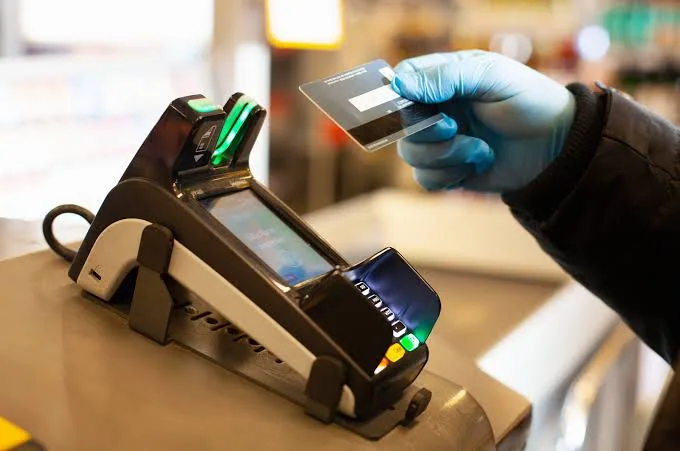
The financial technology sector in Nigeria is poised for a transformative year as contactless payment solutions gain momentum. With major players introducing innovative systems, the country could see a significant shift toward cashless transactions, making payments faster, cheaper, and more accessible. Leading the charge is Moniepoint, which has partnered with AfriGo to roll out five million contactless payment cards. These cards are designed to make everyday transactions seamless by allowing users to simply tap their cards on compatible devices. In a similar vein, Access Bank, in collaboration with Visa, has launched the “Tap to Phone” solution. This innovation enables merchants to accept payments directly on NFC-enabled Android smartphones without the need for traditional POS terminals. This growing adoption of contactless technology is not limited to private enterprises. The Central Bank of Nigeria (CBN) is actively supporting these developments as part of its broader push for financial inclusion. By encouraging innovations like open banking and expanding digital payment infrastructure, the CBN aims to bring more Nigerians into the formal financial system. The Nigeria Inter-Bank Settlement System (NIBSS) is also playing a key role in this transformation. It has introduced new tools like the Soundbox and mCash Plus, which are designed to simplify payments for small businesses and individuals. These solutions not only enhance convenience but also address challenges faced by underserved populations, further promoting financial inclusion. The shift toward contactless payments comes at a critical time when the cost of producing physical cards is rising due to global chip shortages and inflationary pressures. Digital-first solutions, such as virtual cards and mobile wallets, offer a more cost-effective alternative. They also align with global trends where consumers increasingly prefer faster and more secure payment methods. Experts believe that 2025 could be the year when contactless payments become mainstream in Nigeria. As banks, fintech companies, and regulators work together to expand access and improve user experiences, the country may witness a significant leap forward in its journey toward a fully cashless economy. With these advancements, Nigeria is positioning itself as a leader in Africa’s digital payment revolution. Whether through tap-to-pay cards, smartphone-enabled transactions, or virtual wallets, contactless payments are set to redefine how Nigerians interact with money, making everyday transactions easier and more efficient for millions.