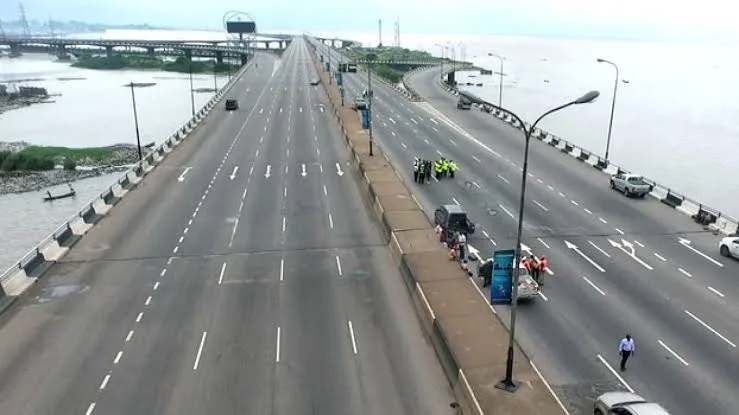
Lagos State has announced a major traffic diversion plan ahead of a 110-day repair on the Ogudu/Ifako Bridge starting June 28, 2025. The repair work, previously postponed, will be done in eight phases across both lanes of the bridge. The first four phases will cover the inbound Alapere stretch from June 28 to August 16, while the remaining four phases will focus on the inbound Oworonshoki section from August 16 to October 5. To ease traffic flow during the partial closures, motorists are advised to use alternative routes. For example, drivers from Iyana Oworo should divert through Gbagada and Anthony to reach Ikorodu Road, while those from Eko Bridge are encouraged to use Funsho Williams Avenue to connect to Ikorodu Road. Only one lane will remain open near each work zone, limited to 50 meters before and after the repair sites, to reduce disruption. Lagos State Traffic Management Authority (LASTMA) officers will be deployed along affected routes to manage traffic and assist commuters. Commissioner for Transportation, Oluwaseun Osiyemi, said the repairs are essential for the bridge’s long-term safety and urged motorists to be patient and follow the diversion instructions. The Ministry of Works and Infrastructure will supervise the replacement of the bridge’s expansion joints during the project. This repair is crucial as the Ogudu/Ifako Bridge is a key transport link on the Lagos mainland, and the government aims to complete the work with minimal impact on daily commuters.
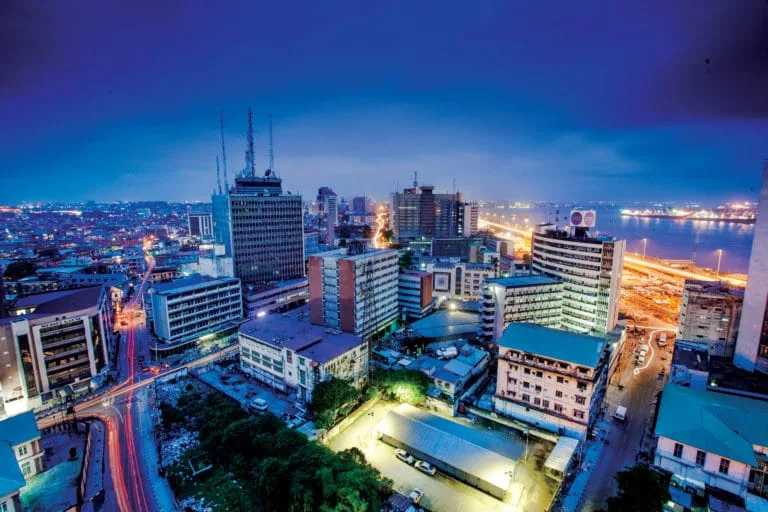
Lagos to start digital house numbering from July 1
Lagos State will begin using a new digital system to number houses starting July 1, 2025. The Lagos Identity Project aims to make property identification easier and improve services like emergency response, postal delivery, and urban planning. The system will use digital plates with QR codes and colour codes specific to local governments. Scanning these QR codes will give access to important property details, helping residents and officials alike. The project kicks off in Ikeja Local Government, where 23,000 properties will be numbered first before expanding to other areas. Dr. Babatunde Olajide, Special Adviser on e-GIS and Urban Development, said the system will also help curb tax evasion, rental fraud, and improve security and transportation services. He noted that this initiative builds on Lagos’ smart city efforts and could serve as a model for other states. The digital house numbering is expected to make Lagos a smarter city by improving government response and making everyday services more accessible to residents. The project is a partnership with tech firm Interspatial, which conducted two years of aerial mapping to support the system. With this launch, Lagos is set to enhance how residents and officials interact with property data, making the city more efficient and connected.