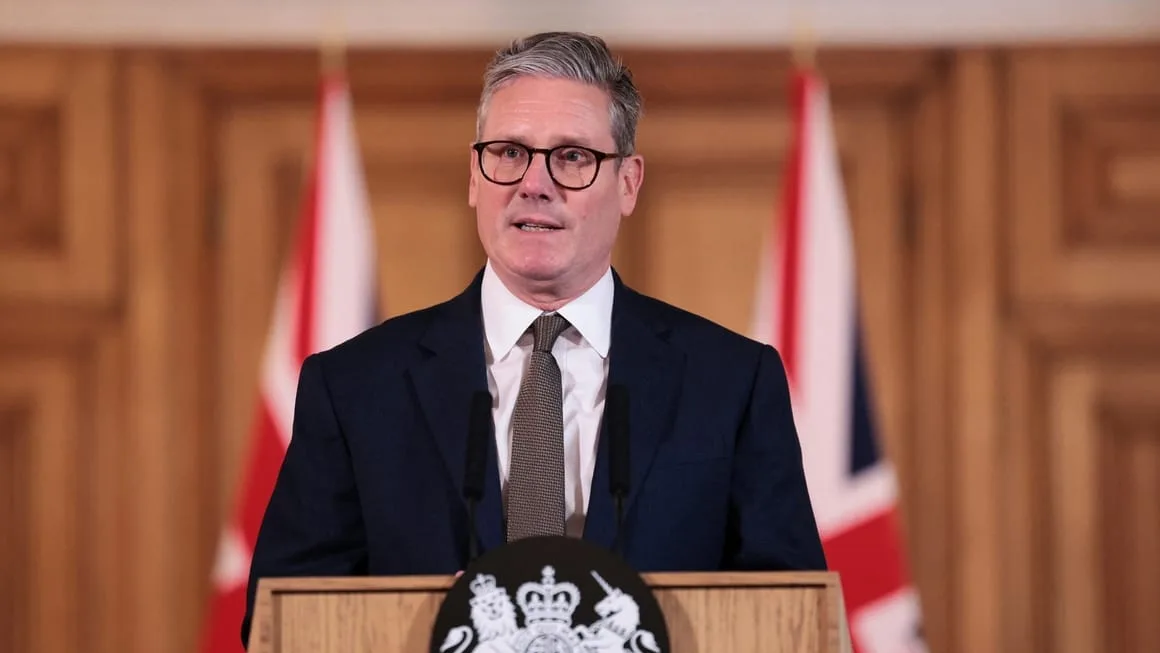
The United Kingdom has updated its immigration guidelines, reminding citizens from Nigeria and 32 other African nations that they must secure a valid visa before visiting or transiting through the country. The rules which were released by the UK Home Office this week, maintain strict entry clearance protocols for anyone planning a short-term stay of up to six months. The new framework, detailed in the Immigration Rules Appendix Visitor, applies to nationals from over 100 countries and territories worldwide. For African travelers looking toward the UK for higher education, business deals, or family holidays, the directive means the standard visa application process remains a mandatory hurdle. The requirement applies not just to final destinations, but also to connecting journeys. Passengers simply catching a connecting flight through British airports must also hold the correct documentation, depending on their specific flight schedules and layover circumstances. The Home Office emphasized that stateless individuals, or those traveling with documents outside of officially recognized national passports, will face the same entry clearance checks before departure. “These updated guidelines are an essential part of our ongoing border management strategy…our primary focus is to strengthen immigration controls, ensure everyone is complying with existing laws, and eliminate any guesswork for passengers arriving at our airports” – the government The list of affected African nations remains extensive, covering major travel hubs like South Africa, Ghana, Kenya, Egypt, and Ethiopia alongside Nigeria. Travelers from these regions are advised to confirm their visa eligibility and current processing times long before purchasing their flight tickets. Arriving at the airport without the proper UK clearance will result in boarding refusals and costly travel disruptions.
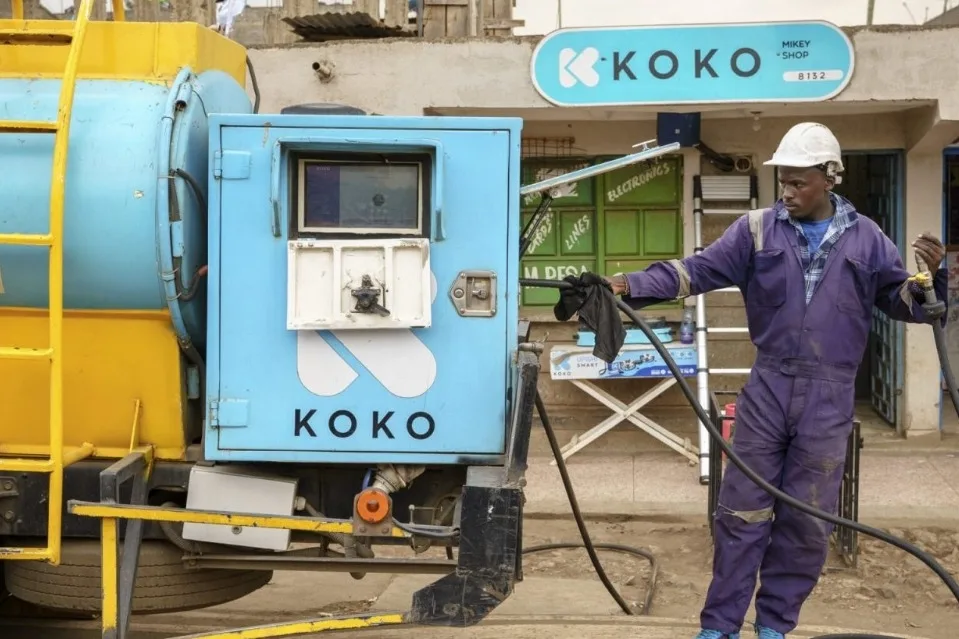
Administrators begin sale of Koko Networks’ assets following startup’s collapse
Administrators have commenced the sale of assets belonging to Kenyan clean cooking startup Koko Networks to wind down the company following its collapse earlier this year. The move marks a step in the insolvency process after the company ceased operations and laid off more than 700 employees in January when it lost access to a key carbon credit revenue stream. Koko Networks collapsed after the Kenyan government declined to issue a Letter of Authorisation required for the company to sell carbon credits on the international market. The decision prevented the startup from accessing carbon credit revenues that had been used to subsidise ethanol fuel prices for more than one million Kenyan households using its clean cooking system. Founded in 2013 by Gregg Murray, Koko Networks attracted investment from organisations including Microsoft’s Climate Innovation Fund, Mirova, Verod-Kepple, and Rand Merchant Bank. The business also received a $179.6 million guarantee from the World Bank’s Multilateral Investment Guarantee Agency (MIGA). Administrators are now seeking buyers capable of completing transactions worth more than $15 million. PwC, which is overseeing the administration of Koko Networks Limited, has invited interested bidders to submit expressions of interest by July 17 and is expected to shortlist qualified buyers after the deadline. The assets on offer include the company’s intellectual property portfolio, comprising patents, hardware designs and software technologies developed over the past decade. Also included are Koko’s stove and canister manufacturing facility in Sanand, Gujarat, India, as well as its fuel distribution network that supported more than 3,000 automated ethanol fuel stations across Kenya. While PwC is managing the administration of Koko Networks Limited, the company’s affiliated Indian entities, Saarus Innovations Pvt. Ltd. and Koko Networks Pvt. Ltd., are currently undergoing voluntary liquidation. Potential buyers are required to demonstrate sufficient financial capacity before gaining access to detailed information on the assets.
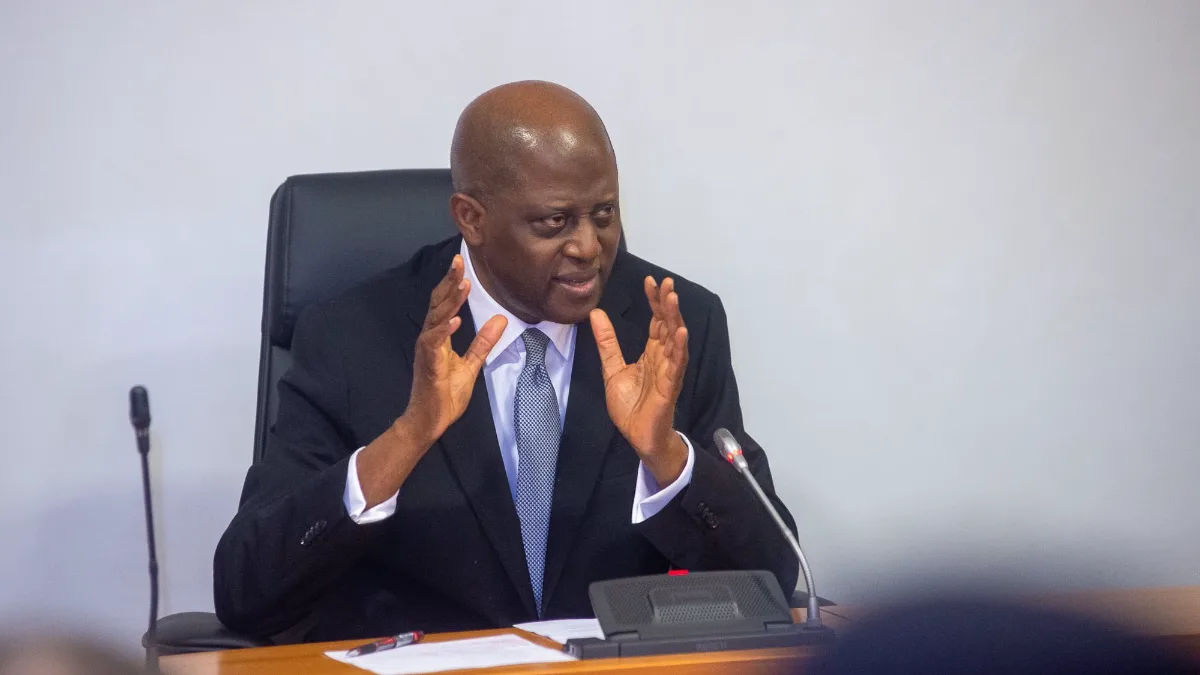
CBN orders fintechs to drop foreign cloud hosts amid infrastructure readiness
The apex bank of Nigeria, in a circular issued on June 15, directed banks, payment service providers and fintech companies to host all payment-related data domestically by January 2027, as part of efforts to strengthen the security, sovereignty and resilience of Nigeria’s financial system. The CBN says the data localisation policy is designed to strengthen Nigeria’s payment infrastructure by ensuring critical financial data remains within the jurisdiction of the country in order to improve digital resilience and data sovereignty. While the directive allows firms to continue using cloud providers, their data must reside within Nigeria through local infrastructure, shifting workloads from foreign cloud regions to domestic data centres. Meanwhile, the fintech industry has raised concerns over the Central Bank of Nigeria’s (CBN) directive requiring payment-related data to be stored and processed within the country, warning that the success of the policy will depend on the capacity and resilience of local data infrastructure. Concerns were raised over whether existing data centres can handle the scale and complexity of Nigeria’s rapidly growing digital payments ecosystem. Adedapo Sobayo, Co-founder and Chief Technology Officer of Rank, said the issue is not the availability of local data centres but their ability to deliver the processing capacity, reliability and uptime required by financial institutions; “There are data centres in Nigeria, but the real question is whether they have the processing capacity and service quality needed by the country’s largest financial institutions” – Sobayo Despite the concerns, Sobayo believes the six-month implementation window is achievable if companies adopt a structured migration strategy and begin working with local infrastructure providers early. Key stakeholders in the industry warn that migrating large-scale financial systems from global cloud providers to local infrastructure without adequate testing could expose payment platforms to downtime and service disruptions. Amongst the stakeholders, Musa Ganiyu, Chief Executive Officer of Payvessel, identified disaster recovery as a major concern, stressing that most of Nigeria’s data centres are concentrated in Lagos, limiting geographical redundancy in the event of outages; “If a major incident occurs at a local data centre and there is no backup on another server, that could become a significant challenge” – Ganiyu, CEO Payvessel Many in the field also expressed concerns over the complexity of migrating financial systems, emphasizing that moving payment infrastructure involves database replication, system reconfiguration and continuous validation to avoid disrupting transactions. They added that compliance could increase operating costs, particularly for startups that currently benefit from infrastructure credits and affordable services offered by global cloud providers such as Amazon Web Services (AWS) and Microsoft Azure.
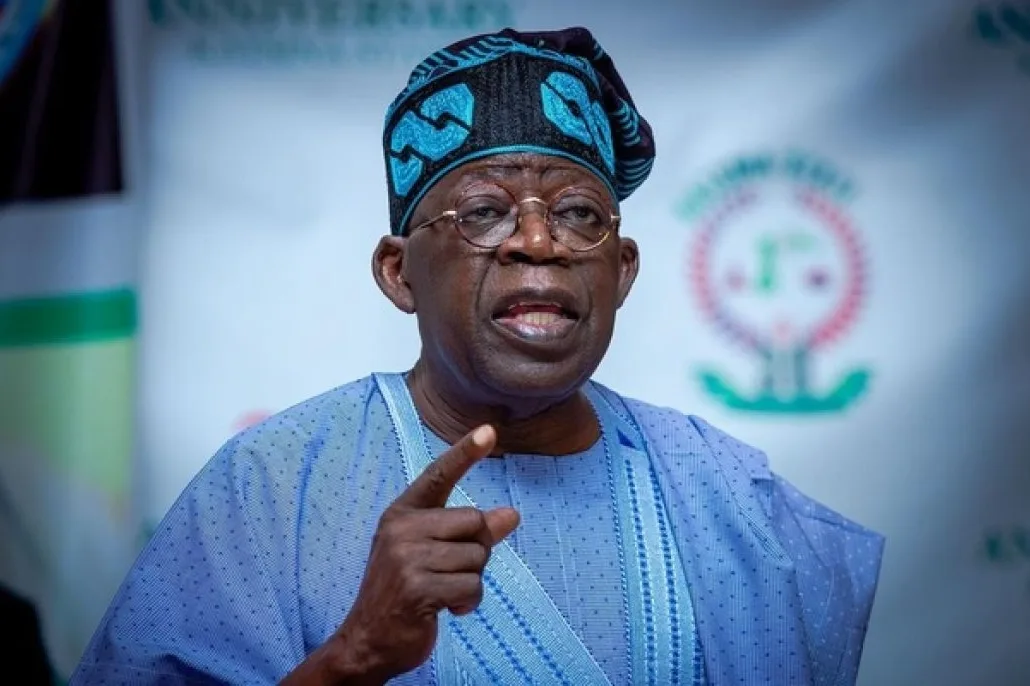
Tinubu orders FCCPC investigation into Meta, Google, and X over Nigerian media content
President Bola Tinubu has directed the Federal Competition and Consumer Protection Commission (FCCPC) to investigate Meta, Google, X, and other generative artificial intelligence (AI) platforms over allegations of anti-competitive practices and the unauthorized use of content produced by Nigerian media organizations. The directive followed a joint petition submitted by the Nigerian Press Organisation (NPO), which comprises the Newspaper Proprietors’ Association of Nigeria (NPAN), the Nigeria Union of Journalists (NUJ), the Broadcasting Organisations of Nigeria (BON), and the Guild of Corporate Online Publishers (GOCOP). According to the FCCPC, the investigation will examine allegations that global technology companies unlawfully extracted, scraped, and used copyrighted Nigerian news articles, broadcast materials, and other journalistic content to develop and train AI models. It will also assess claims that the companies failed to establish fair commercial arrangements with Nigerian publishers for the use of their content. FCCPC Executive Vice Chairman and Chief Executive Officer Tunji Bello said the Commission would conduct an independent and evidence-based investigation. He added that the investigation should not be viewed as evidence of wrongdoing by any company; “This inquiry is not directed at any entity by presumption of wrongdoing. Rather, it is an opportunity to carefully examine the facts, hear from all affected parties, and determine whether any conduct has resulted in anti-competitive outcomes or unfair business practices” – Bello The FCCPC previously investigated Meta over alleged violations of Nigeria’s competition and consumer protection laws, resulting in a $220 million fine, which the company has appealed.
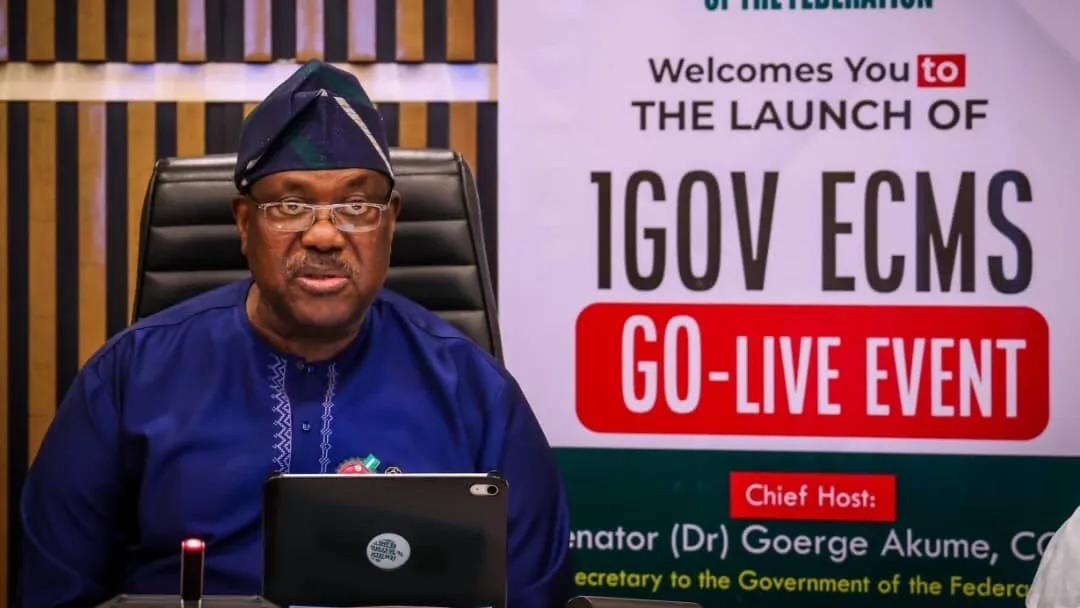
FMIST launches 1GOV ECMS to digitalise public service
By Oluwatunmise Omoseyin The Federal Ministry of Innovation, Science and Technology (FMIST) has officially gone live on the 1GOV Enterprise Content Management System (ECMS), marking a step towards a fully digital and accountable Public Service nationwide. The Go-Live event took place at the headquarters of the ministry in Abuja, led by the Head of the Civil Service of the Federation (HCSF), Mrs. Didi Esther Walson-Jack, OON, mni, alongside the Honourable Minister of Innovation, Science and Technology, Dr. Kingsley Tochukwu Udeh (SAN). The project was fully backed by the Galaxy Backbone Limited, which is a digital infrastructure provider of the Federal Government. Dr. Kingsley Tochukwu Udeh (SAN), represented by the Permanent Secretary, Mr. Philip Ndiomu, described 1GOV as not merely an ICT solution, but a governance reform instrument. According to him, the platform is aimed towards fostering smarter governance, institutional reform, transparency, and better service delivery for Nigerians. Today, we are not just unveiling technology. We are igniting a new digital culture, one that replaces bureaucracy with efficiency, paper with performance, and delays with decisive action – the Minister stated Dr. Udeh added that the FMIST launch of the 1GOV ECMS aligns with the Renewed Hope Agenda, urging directors and staff of the Ministry to adopt the platform with discipline and purpose. He stressed that technology alone cannot drive transformation without consistent and people driven use. Speaking at the event, Mrs. Walson-Jack, represented by the Permanent Secretary, Service Policies and Strategies Office of the Head of Civil Service of the Federation, D. Isiaku Musa Mohammed, described the ECMS deployment as a strategic and irreversible shift from fragmented, paper based processes to a secure, integrated, and accountable digital work environment. She emphasized that for a Ministry focused on innovation, science, and emerging technologies, effective digital records and workflow management are essential, not optional. The Ministry joins a growing list of Ministries, Departments, and Agencies (MDAs) using the ECMS across the Federal Civil Service. The system, hosted on the 1GOV Cloud platform, supports secure digital records, automated workflows, electronic approvals, interoperability, and controlled access to sensitive information.
Nigeria aims to restore power to manufacturers and industries as President promises economic growth
At the Nigerian Economic Summit held recently in Abuja, President Bola Tinubu, represented by his VP Kashim Shettima, made a major pledge to improve Nigeria’s power infrastructure, aiming to reconnect large industrial players back to the national electricity grid. Nigeria’s power supply has been unreliable for years, forcing many businesses – including telecommunications, manufacturing, and large conglomerates – to rely heavily on costly diesel generators. For instance, IHS Towers, which operates 16,000 telecom sites across Nigeria, recently revealed that 70% of their operating time is powered by diesel due to an unreliable grid. This dependency drains resources that could otherwise be invested in innovation and expansion. During the summit, President Tinubu emphasized that a stable and reliable power supply is central to Nigeria’s plan for industrial recovery and economic advancement. “Improving the national grid and bringing key industrial players back online is essential for economic growth and job creation,” he stated. The Dangote Group, Africa’s largest conglomerate, has been among the major companies operating off-grid, relying on private power solutions due to inconsistent electricity. Restoring grid access for such firms is expected to vastly reduce their operating costs and improve competitiveness. Officials and experts present highlighted that this power challenge affects not only large firms but also the entire economy, including startups and the growing technology sector, which depends on steady electricity to innovate and scale. Also, representatives from the Nigerian Electricity Regulatory Commission (NERC) noted that addressing power issues is critical to attracting investments and fostering industrial innovation. Meanwhile, the government has announced ongoing reforms that include upgrading transmission infrastructure, encouraging private investments in power generation, and reviewing tariffs to support sustainable electricity delivery. These initiatives aim to curb the reliance on diesel generators, which contribute to pollution and higher costs for businesses.