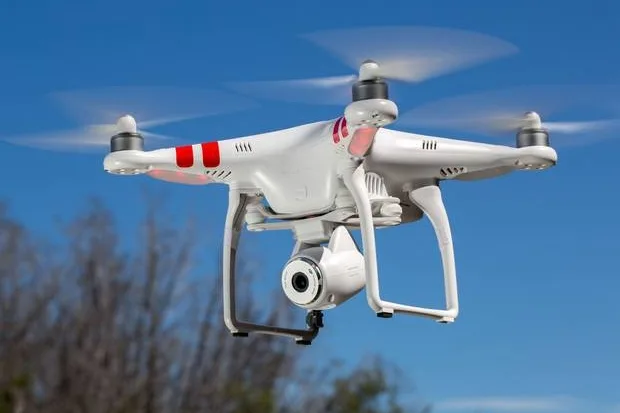
The Lagos State Traffic Management Authority (LASTMA) has deployed cutting-edge drones to enhance traffic monitoring and security surveillance throughout the city. This new step modernizes how the agency manages roads, aiming to reduce congestion and improve safety for commuters. Transitioning from traditional traffic control, LASTMA is embracing a high-tech approach with the introduction of unmanned aerial vehicles (UAVs). According to Olalekan Bakare-Oki, the agency’s General Manager, these aerial devices will provide live, top-down views across critical areas, enabling quicker responses to traffic jams, accidents, and emergencies. He described this evolution as a breakthrough that will contribute to shortening travel delays, minimizing crashes, and fostering better driving discipline among Lagos motorists. This digital transformation does not only involve the drones themselves but also marks the shift towards intelligent traffic governance. The technology aims to enhance coordination in emergency situations while reinforcing security frameworks across the city’s bustling roads. The new aerial surveillance complements other traffic management tools already in operation, including Automatic Number Plate Recognition (ANPR) cameras installed at strategic checkpoints such as Alapere and Mobolaji Bank Anthony Way. Additional digital enforcement sites with high-resolution cameras at Allen Avenue Junction and Nurudeen Olowopopo Road monitor road violations like running red lights and illegal turns. These measures built on earlier advancements, such as the 2025 collaboration with Huawei Technologies that introduced Intelligent Transport System (ITS) facilities aimed at improving road safety and control. Together, these efforts show Lagos State Government’s commitment to integrating innovative technology into its transport infrastructure to enhance the daily commute and public security. Ethical considerations remain paramount, with LASTMA assuring strict adherence to privacy protections and legal standards to maintain the public’s trust while using drone surveillance.
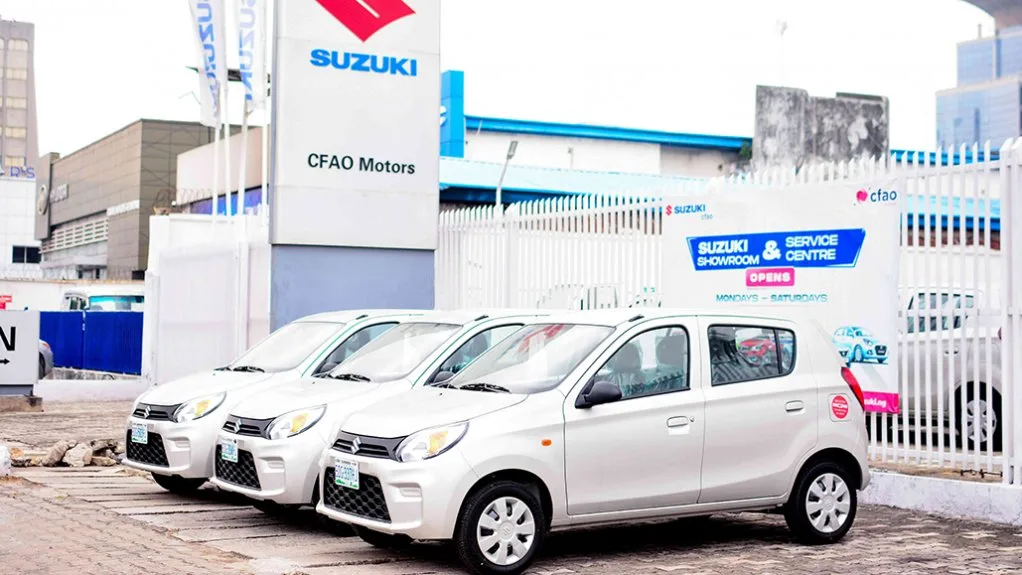
Moove drivers halt operations over doubling of weekly payments
E-Hailing drivers using vehicle financing from Moove alongside the Uber platform have suspended their work in protest of a sharp 100% increase in their weekly remittance amounts. The disruption began in Maryland, Lagos, as these drivers voiced frustration over the steep rise from 56,400 naira to 112,200 naira for weekly payments tied to their Suzuki S-Presso cars. The affected drivers attribute their dissatisfaction not only to the substantial hike but also to what they describe as an unbalanced breakdown of costs within the new payment structure. They demand that Moove reconsider and roll back the increase, which they see as unfair, especially as the repayment period for owning the vehicles remains unchanged and some drivers did not receive brand-new cars. These drivers acquired their cars through a financing plan requiring weekly loan installments. However, they note that out of the new 112,200 naira weekly amount, only approximately 39,766 naira goes toward the actual loan repayment, about 33%. The remainder covers several additional fees, such as a weekly maintenance charge of 9,966 naira, a repairs fund of 16,343 naira, insurance costs totaling around 3,390 naira, and a handling fee of 42,735 naira, which has raised questions given the handling expense exceeds the loan portion. Additionally, the protesting drivers urge that Uber, the platform facilitating their work, caps its commission at no more than 20% to ease their financial burdens. The drivers have committed to a peaceful demonstration and have warned that any violent behavior by participants will lead to immediate removal and handing over to authorities. Services on the UberGo platform will remain suspended until Moove reverts the payment hike. About a year ago, concerns circulated among Uber Go drivers when reports emerged of Moove’s plan to raise the weekly repayment amounts. Initially, vehicles were provided under a hire-purchase agreement with a four-year repayment plan set at 56,400 naira weekly, exclusive of Uber’s 25% fare commission. Drivers were reportedly invited in groups to be briefed on the decision, with company representatives explaining rising operating expenses as the rationale for the increase. One driver confirmed that during the meeting, management detailed their rising costs, which justified increasing the weekly remittance. However, insiders suggest that Moove is reassessing its business model in light of Nigeria’s challenging economic climate. Inflation has eroded the value of the agreed interest rates within the repayment schedule, jeopardizing the company’s profitability.

Bolt challenges Lagos court ruling allowing FIRS to tax ride-hailing and food delivery services
E-mobility company Bolt has lodged an appeal at the Lagos Court of Appeal to overturn a High Court judgment permitting the Federal Inland Revenue Service (FIRS) to impose a 5% VAT on transport and food delivery services connected with its platform. Bolt contests the Lagos High Court’s June 24, 2025 decision that upheld FIRS’s authority to designate Bolt as a VAT collection agent under the VAT Act. The ride-hailing firm argues that the ruling misinterprets tax law and unfairly burdens independent contractors using its digital platform. Represented by attorney Elvis Asia, Bolt asserts that applying the tax to service providers earning below the N25 million threshold is a flawed approach. Asia emphasized that the court erred in broadly applying Section 10(3) of the VAT Act, which originally targets non-resident suppliers, to domestic transactions involving Nigerian drivers and food vendors who act autonomously and are not Bolt employees. Bolt claims it does not maintain a physical presence in Nigeria and should not be seen as the direct supplier of transportation or meal services. The company further challenges the usage of the 2021 Simplified Compliance Guidelines for Non-Resident Suppliers in this context, calling their application to local transactions inappropriate. The Lagos High Court’s initial ruling had aligned with the earlier decision by the Tax Appeal Tribunal, which authorized FIRS to collect VAT from ride-hailing and food marketplace providers operating through digital platforms like Bolt. Justice Akintayo Aluko affirmed that the tax agency acted within the bounds of the law by electing Bolt as an agent to withhold and remit VAT payments. Bolt’s legal team also disputes the N1 million penalty imposed by the court, arguing that the entire matter should be reexamined given the misinterpretations surrounding the relevant tax provisions. This lawsuit is another phase in the firm’s contest with the tax authorities, a struggle that began in 2022 when Bolt first challenged FIRS’s mandate to collect value-added tax on its services. At that time, the Tax Appeal Tribunal dismissed Bolt’s suit, a verdict that Bolt then took to the federal high court.
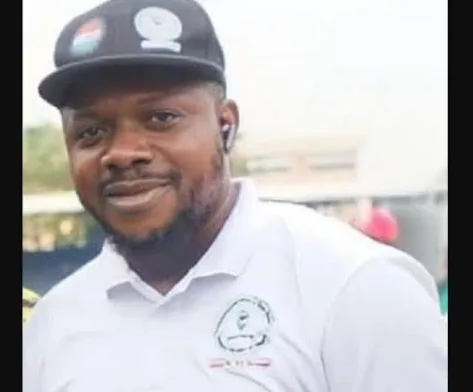
AUATON suspends president David Nosa, names Oluwatosin Ibiwoye as acting national leader
The Amalgamated Union of App-based Transporters of Nigeria (AUATON) has suspended its national president, David Nosa Aigbonran, appointing Comrade Rachel Oluwatosin Ibiwoye as Acting National President with immediate effect, following internal leadership disputes that unfolded over the past week. The union’s National Executive Council (NEC) disclosed this leadership change through a statement issued by the Lagos State Council. This suspension comes just two days after David Nosa Aigbonran was officially recognized as the union’s substantive chairman, succeeding Adedamola Adeniran, who stepped down amid ongoing turmoil. Oluwatosin Ibiwoye’s elevation to acting president was met with support from various state councils, including a commendation from Rivers State’s chairman, Comrade Nosa Omoruyi, who praised her for stepping up during this critical period. Her new role is expected to foster unity among members, strengthen democratic practices within AUATON, and champion the rights and welfare of Nigeria’s platform drivers. The Public Relations Officer for the Lagos council, Comrade Iwindoye Steven, welcomed the shift, describing it as a well-timed and deserved promotion. He emphasized the union’s trust in Oluwatosin’s capability to steer AUATON toward greater effectiveness and resolve internal conflicts. The removal of David Nosa stems from a series of allegations including constitutional violations and disregard of union resolutions. NEC members accused him of prematurely declaring himself substantive president, ignoring directives to act only temporarily until proper elections are held between him and his fellow deputy, Oluwatosin. According to union insiders, Nosa’s actions contravened Article 16B(v) of AUATON’s constitution. Additionally, his unilateral decisions, such as excluding a Central Working Committee (CWC) member from important meetings and sidelining authorized administrators, fueled the discord. The unresolved mediation efforts involving former president Adedamola Adeniran and Acting General Secretary Comrade Ayoade further exacerbated the situation, ultimately leading to Nosa’s indefinite suspension. A source close to the union’s leadership revealed that Nosa’s self-appointment did not sit well with key NEC and CWC figures, resulting the power struggle that culminated in his suspension. He was meant to serve as acting president for 90 days, after which an election was to decide the permanent leader. Instead, he prematurely asserted full control, causing friction with other council members – He said Meanwhile, debate continues among union members over whether Oluwatosin should also serve an acting term of 90 days before elections take place, or if the suspension of her co-deputy means different constitutional rules now apply.
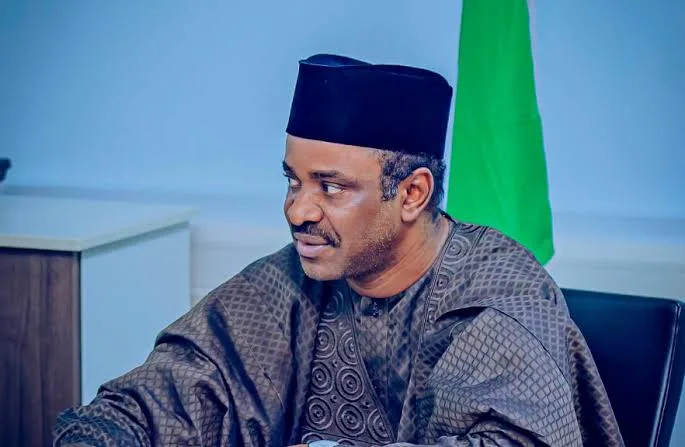
FG approves ₦142 billion for six new modern bus terminals across Nigeria
The Federal Executive Council (FEC) has approved a fresh contract worth ₦142 billion for the construction of six large, modern bus terminals across the country, a major federal push into road transport infrastructure. Announced on Wednesday, August 14, by the Minister of Transportation, Sa’idu Ahmed Alkali, the project will see new terminals built in Abeokuta, Gombe, Kano, Lokoja, Onitsha, and Warri, one in each of Nigeria’s six geopolitical zones. The contract was awarded to Planet Project Limited, the company best known for building the celebrated Oshodi Transport Interchange in Lagos. Minister Alkali explained that this is the first time the federal government, through the transport ministry, is taking such a sweeping step in road transport beyond just road construction. According to him, these new terminals are not just buildings, they are a direct response to issues like crime at unmanaged stops, road accidents, and the unchecked movement of weapons along highways. These terminals are meant to boost safety for both commuters and transport operators. The locations were picked because they see a lot of traffic and have strong business potential – Alkali Each terminal will serve as a modern hub for interstate travelers, equipped with better waiting areas, ticketing booths, and places for drivers to rest, similar to the terminals Planet Project already delivered in Lagos and is currently working to launch in Enugu. Background checks show that Planet Project Limited is not new to high-profile transit jobs. Just in May 2024, FEC awarded them another contract of ₦51 billion to build bus stations and other transport facilities in Abuja. Their Oshodi Transport Interchange in Lagos features three multi-storey terminals, pedestrian bridges, and control centers aimed at improving service quality and passenger safety. The company is also behind the Ikeja Bus Terminal, known for its intelligent transport systems and real-time passenger information services. Minister Alkali believes these new hubs will make travel more organized and attract private sector investment, while helping commuters move around the country more comfortably and safely. Construction work is expected to start soon, though no end date was given. The real benefit of this initiative will be felt when these terminals eventually open their doors, giving Nigeria’s transport system a much-needed facelift.
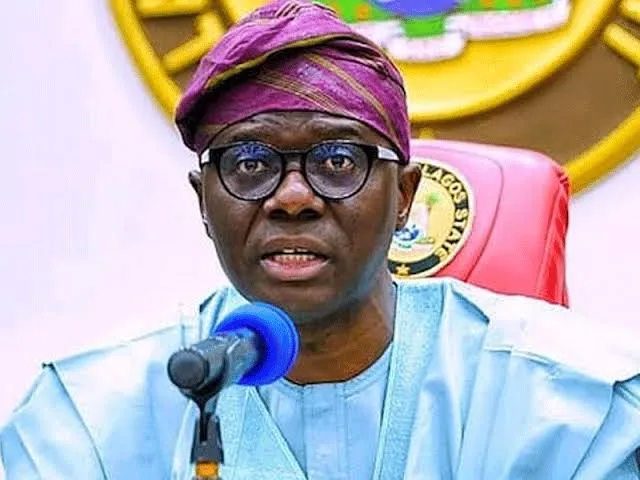
Lagos State Government orders roadworthiness audit for Uber, Bolt, Lagride, and InDrive vehicles
Lagos State Government has ordered all licensed e-hailing drivers from Uber, Bolt, Lagride, and InDrive to bring their vehicles for a mandatory roadworthiness inspection. The announcement came from Lagos State Commissioner for Transportation, Oluwaseun Osiyemi, who made the disclosure on his official X (formerly Twitter) account after meeting with e-hailing operators at the Ministry of Transportation in Alausa, Ikeja. The Ministry has raised concerns about the poor condition of several vehicles used by drivers on these platforms, prompting the new inspection drive. Osiyemi stated that any vehicle failing the inspection will be prohibited from operating within Lagos. Only vehicles registered with the Lagos State Government and driven by drivers certified by the Lagos State Drivers’ Institute (LASDRI) will be allowed on the roads. He also warned that operators who do not comply with the audit risk sanctions, including possible suspension of their licences. The government’s move addresses growing worries over safety risks and the decline in service standards, worsened by many vehicles looking old and poorly maintained. Rising costs and limited financing options have made vehicle upgrades difficult for many drivers. Representatives from major e-hailing companies like Uber, Bolt, Lagride, InDrive, and others were involved in the stakeholder meeting. They shared their efforts to enhance safety, such as adding panic buttons, better driver verification, and strict onboarding processes. Mr. Osiyemi urged Lagos residents to book rides only through official platforms to benefit from traceable trips and in-app safety features, rather than informal offline bookings. This inspection drive is a crucial step toward safer and more reliable urban transportation in Lagos, with authorities pushing to raise the standards and protect both passengers and drivers in the fast-growing ride-hailing industry.