
The Advertising Regulatory Council of Nigeria (ARCON) has called out Meta Platforms, the parent company of Facebook and Instagram, for hosting a plethora of misleading health advertisements. These ads, which make unverified claims about treating various health conditions, have raised significant concerns about the potential risks they pose to the Nigerian public. ARCON has highlighted that many of these advertisements were not submitted for approval, violating Nigerian advertising laws designed to protect consumers from false information. The council emphasized that the lack of scientific backing for these claims could lead to serious health implications for individuals seeking legitimate medical advice. This isn’t the first time Meta has found itself in hot water in Nigeria over its advertising practices. The company previously faced a lawsuit regarding similar issues, highlighting the ongoing concerns about the integrity of ads on its platforms. In response to this latest situation, ARCON has announced its intention to take firm action against those responsible for these unapproved advertisements. The council is committed to ensuring that advertising standards are upheld and that consumers are not misled by false health claims. ARCON’s actions aim to create a safer online environment for Nigerians by ensuring that health claims are accurate and verified. This serves as a reminder for both consumers and advertisers about the importance of ethical advertising practices. With ARCON’s commitment to enforcement, there is hope for more responsible advertising that prioritizes the well-being of the public.
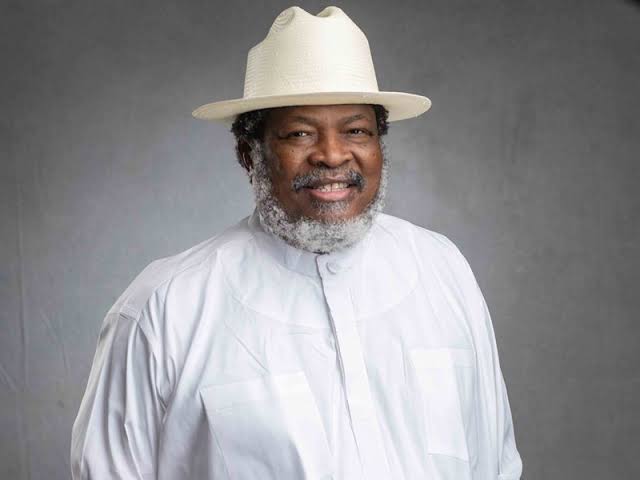
Court freezes Nduka Obaigbena’s accounts over $225.8 million debt
The Federal High Court in Ikoyi, Lagos, has ordered the freezing of accounts belonging to Nduka Obaigbena, the founder and publisher of ThisDay Newspapers and Arise TV. This action comes in response to a staggering debt of $225.8 million owed to First Bank of Nigeria. The court’s ruling prohibits all commercial banks across Nigeria from releasing or handling any funds associated with Obaigbena and his company, General Hydrocarbons Limited. This includes accounts held by Obaigbena’s family members, Efe Damilola Obaigbena and Olabisi Eka Obaigbena. The injunction aims to safeguard the plaintiffs, First Bank and its subsidiary, FBNQuest Trustees, as they pursue repayment of the substantial loan. The controversy stems from a series of unpaid loans linked to General Hydrocarbons, an oil and gas company that operates OML 120, an oil-producing block in Nigeria. The loans, which reportedly amount to $225,802,379.69 as of September 30, 2024, were initially issued to Atlantic Energy Drilling Concepts Limited in 2011 to fund oil drilling operations. However, after Atlantic Energy defaulted on its repayments, First Bank faced significant financial challenges. Obaigbena has claimed that the loan agreements were mishandled and that First Bank’s actions have hindered General Hydrocarbons’ ability to operate effectively. He has alleged that the bank has not fulfilled its obligations under their agreements, contributing to financial losses for his company. The court has scheduled a follow-up hearing for January 20, 2025, where further developments in this case will be addressed. In the meantime, the freeze on Obaigbena’s accounts remains in effect as both parties prepare for what could be a protracted legal battle over these significant financial issues. This case highlights ongoing challenges within Nigeria’s banking sector and raises questions about lending practices and accountability among financial institutions. As this story unfolds, many will be watching closely to see how it impacts not only Obaigbena and his businesses but also the broader landscape of Nigeria’s financial system.

Nigerian air force revives Dornier DO-228 after 23 years
The Nigerian Air Force (NAF) has successfully reactivated a Dornier DO-228 aircraft that had been grounded for an astonishing 23 years. This significant achievement not only enhances the NAF’s operational capabilities but also highlights the growing technical expertise within the force. The reactivation process took place between June and September 2024, led by a skilled team of five engineering officers and 40 technicians from the NAF 431 Engineering Group based in Kaduna. The aircraft, originally designated “5N-MPS” and previously operated by the now-defunct Ministry of Mines, Power, and Steel, had been sitting idle at the DANA facility since 2001. Air Vice Marshal Olusola Akinboyewa, the Director of Public Relations and Information for the NAF, emphasized that this project reflects the NAF’s commitment to self-reliance in aviation maintenance. “This accomplishment is not just about restoring an aircraft; it’s a testament to our engineers’ ingenuity and determination,” he stated. The reactivation was initiated following a Presidential Directive encouraging government agencies to transfer grounded assets to the NAF for evaluation and potential restoration. The Dornier DO-228, now redesignated as “NAF-039,” had only logged 1,081 flight hours since its inception, making it a valuable national asset worth reviving. Air Marshal Hasan Abubakar, Chief of the Air Staff, praised the efforts of the engineering team, noting that this success builds on previous milestones, including a significant inspection conducted on another DO-228 earlier in January 2024. “The successful reactivation of NAF-039 is more than just an operational gain; it’s a statement of our capabilities and our commitment to self-reliance,” he said. With the addition of this aircraft to its fleet, the NAF is poised to strengthen its tactical airlift capabilities. This development not only boosts morale among NAF personnel but also positions Nigeria as a key player in Africa’s aviation sector, demonstrating its potential for indigenous maintenance and technical innovation. This successful reactivation of the Dornier DO-228 marks a significant step forward for the Nigerian Air Force, showcasing its commitment to self-sufficiency and technical excellence. With this aircraft back in service, the NAF is better equipped to fulfill its mission of national security and operational readiness, reinforcing Nigeria’s position in the aviation sector.
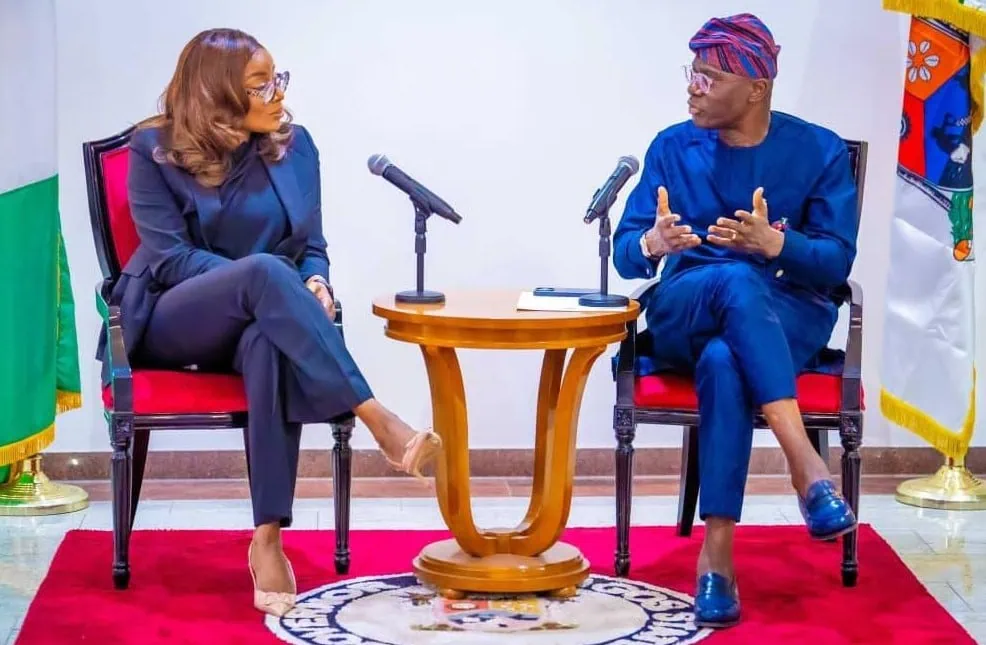
NIPOST teams up with Lagos government to boost e-commerce in Nigeria
The Nigeria Postal Service (NIPOST) is seeking a partnership with the Lagos State government to boost e-commerce in the country. This initiative aims to enhance postal and logistics services in the state, making it easier for businesses and consumers to engage in online shopping. During a recent visit to Governor Babajide Sanwo-Olu, NIPOST’s Postmaster-General, Ms. Tola Odeyemi, highlighted the importance of this collaboration. “Lagos is at the forefront of e-commerce growth in Nigeria,” she said. “By working together, we can optimize last-mile delivery and ensure seamless connectivity within the city and across the nation.” Odeyemi emphasized that one of her key goals as Postmaster-General is to forge strategic partnerships that improve NIPOST’s services in a rapidly changing world. She views Lagos as a critical ally in this mission, given its status as Nigeria’s economic hub. The governor welcomed the initiative and encouraged NIPOST to embrace innovation. “You need to think outside the box and challenge the status quo,” Sanwo-Olu urged Odeyemi. He stressed that leveraging technology is essential for enhancing the ease of doing business in Lagos and across Nigeria. This partnership comes on the heels of NIPOST’s remarkable achievement in 2024, where it reported a 275% increase in revenue. Odeyemi attributed this growth to improved service quality and efforts to close operational loopholes. To sustain this momentum, NIPOST is renovating its facilities in key locations like Abuja, Lagos, and Kaduna. This partnership between NIPOST and the Lagos State Government is set to transform e-commerce in Nigeria. By improving logistics and delivery services, they aim to create a more efficient environment for businesses and consumers. With a focus on innovation and better service, this collaboration could significantly enhance the shopping experience in Lagos and beyond, driving economic growth across the nation.
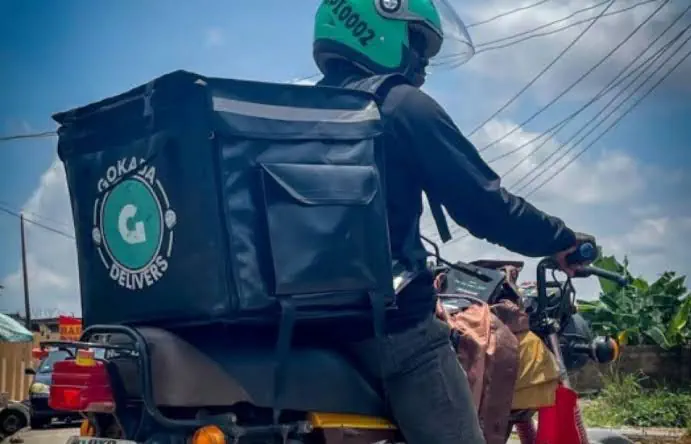
Gokada seeks court protection as financial woes mount in last-mile delivery sector
Gokada, once a shining star in the ride-hailing and delivery landscape of Lagos, has hit a significant roadblock. On October 18, 2024, the company filed for Chapter 11 bankruptcy protection in Delaware, seeking court assistance to navigate its financial troubles and restructure its debts. For Gokada, this move is a desperate attempt to stay afloat. Essentially, the company is asking for time to reorganize while figuring out how to pay back what it owes. However, the news isn’t good for those who are owed money but lack any legal guarantees, known as unsecured creditors. According to regulatory filings, Gokada has stated that there are no funds set aside for these creditors, meaning they may not see any repayment at all. Gokada’s journey began in 2017 when co-founders Fahim Saleh and Deji Oduntan launched the platform focused on motorcycle ride-hailing. However, everything changed in 2020 when the Lagos State government imposed a ban on commercial motorcycles in key areas of the city. This ban effectively crippled Gokada’s core business overnight, forcing the company to lay off staff and pivot towards logistics and food delivery services. This wasn’t Gokada’s first brush with adversity. In 2019, the company temporarily paused operations to retrain its riders and enhance service quality. But the okada ban proved to be a massive setback. In an effort to adapt, Gokada introduced new services like G-Boat for water transport and GoMedic for medical transport, and even formed partnerships with platforms such as Jumia Food. Unfortunately, these initiatives did not yield the desired results, and profitability remained elusive. The situation worsened in July 2020 with the tragic death of CEO Fahim Saleh. His passing left a leadership void during a critical restructuring phase, complicating efforts to stabilize the company. Despite their best efforts to innovate and adapt, Gokada has struggled to find its footing in an increasingly competitive urban mobility and delivery market. Gokada now faces a challenging path as it navigates bankruptcy. The company must restructure its debts while trying to regain the trust of customers and partners. Unfortunately, many unsecured creditors may not see any repayment. However, there is still hope. Gokada has shown resilience in the past, and if it can successfully manage this crisis, it could emerge stronger and ready to reclaim its position in Lagos’ ride-hailing and delivery market. The next few months will be critical for the company’s future.
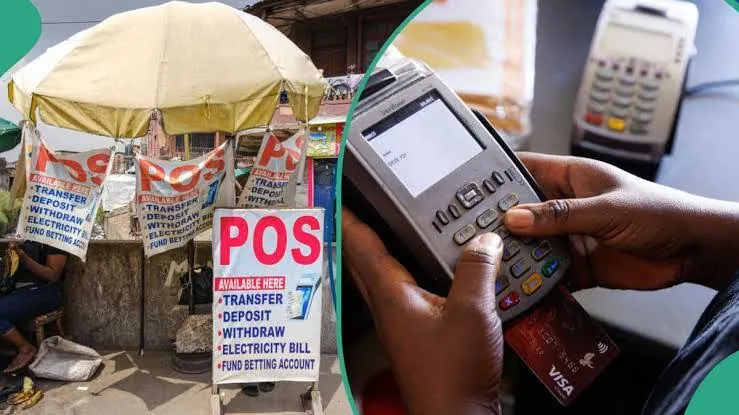
Nigerians now pay ₦3,000 for ₦100,000 withdrawals at POS agents amid cash scarcity
In recent months, many Nigerians have found themselves paying significantly higher fees to withdraw cash from Point of Sale (POS) agents. With reports indicating that customers are now shelling out as much as ₦3,000 for a ₦100,000 withdrawal, the financial landscape is becoming increasingly challenging for everyday citizens. Despite efforts by the Central Bank of Nigeria (CBN) in late 2024 to regulate cash withdrawals, such as imposing limits on POS agents and threatening penalties for banks selling mint notes to currency dealers, the situation on the ground tells a different story. Instead of alleviating the problem, these measures seem to have had little effect on curbing the growing reliance on POS agents, which have become the go-to option for accessing cash across the country. Once upon a time, traditional banking methods like ATMs and over-the-counter withdrawals were the primary means for Nigerians to get cash. However, as cash scarcity has become a pressing issue, POS agents have emerged as a more reliable alternative. This shift has led to a dramatic increase in demand for their services. In December 2024, many POS agents began raising their withdrawal fees in response to the new regulations and ongoing cash shortages. While some agents have kept their rates steady, others have taken advantage of the situation, leading to a wide disparity in fees depending on location. For instance, in parts of Lagos, customers are reporting withdrawal fees that are significantly higher than what they used to pay. In interviews with over 20 POS agents and their customers, it became clear that this fee hike is causing frustration among users. Many feel trapped by the lack of alternatives and are left with no choice but to pay the inflated rates. One customer lamented, “It’s frustrating! I used to pay much less for withdrawals, but now I feel like I’m being taken advantage of.” The sharp increase in withdrawal fees at POS agents is creating real challenges for Nigerians, raising concerns about how effective recent Central Bank policies have been. With many people feeling the financial strain, it’s clear that finding a way to make cash withdrawals more affordable and accessible is urgently needed. Moving forward, it will take cooperation from regulators, banks, and POS operators to tackle this issue and help ease the burden on everyday citizens.