
Federal Government has announced plans to tackle ongoing issues in Nigeria’s telecommunications sector. This comes on the heels of an interim report submitted by KPMG, which outlines critical challenges facing the industry. Dr. Bosun Tijani, the Minister of Communications, Innovation, and Digital Economy, expressed his commitment to ensuring that all Nigerians have access to reliable connectivity. After receiving the KPMG report, he stated, “We are working to find a balance between the sustainability of the telecom sector and ensuring meaningful connectivity for our people.” He emphasized that internet access is a fundamental human right and a vital component for economic growth. One of the key issues highlighted in the report is the urgent need for a review of tariffs. Telecom operators have been vocal about their concerns regarding rising operational costs, which they argue threaten the industry’s sustainability. The CEO of MTN Nigeria, Karl Toriola, recently pointed out that inflation and foreign exchange fluctuations have significantly increased expenses for telecom companies. For instance, he noted that diesel prices have skyrocketed from around N230 per liter before COVID-19 to over N1,000 now. Dr. Tijani mentioned in an interview that the government is considering medium to long-term solutions in response to operators’ requests for tariff increases. He acknowledged that while there may be a need for higher tariffs, there are numerous other factors that must be addressed to keep the telecom sector competitive. “We must also invest in digital infrastructure,” he added, indicating that government support will extend beyond just tariff adjustments. As discussions continue, it is clear that both the government and telecom operators recognize the importance of a sustainable industry for Nigeria’s economic well-being. With rising costs and increasing demands for connectivity, finding a viable path forward will be crucial for ensuring that all Nigerians can benefit from modern telecommunications services.

Nigeria rises as digital leader in Africa with over 231,000 .ng domains registered
The Nigeria Internet Registration Association (NiRA) has announced a significant milestone in the growth of the country’s .ng internet domain. By November 2024, total registrations surged to 231,853, reflecting a steady increase in the adoption of local domains. This impressive growth can be attributed to a series of strategic initiatives launched by NiRA. Among these efforts were price reductions and targeted awareness campaigns designed to highlight the benefits of using .ng domains for Nigerian businesses. By promoting local domains, NiRA aims to encourage more businesses to establish an online presence that resonates with their local identity. The report emphasizes NiRA’s financial success as well, with the organization reporting revenues of ₦348 million for 2023. This financial boost not only reflects the growing popularity of .ng domains but also supports NiRA’s ongoing efforts to enhance the digital landscape in Nigeria. Despite facing competition from globally recognized domains like .com, the rise in .ng registrations signals a shift in preference among Nigerian businesses and individuals towards local internet solutions. This trend is positioning Nigeria as a leading player in Africa’s digital infrastructure, paving the way for further growth and innovation in the country’s tech sector.

4,000 women to showcase tech skills in Lagos demo day
Over 4,000 women are expected to participate in the Demo Day of the Transitioning to Tech for Women programme on January 15 at The Mike Adenuga Centre, Ikoyi, Lagos. The event marks the conclusion of a year-long programme aimed at equipping women with technology skills and industry expertise. According to Peter Dingba, Chief Executive Officer of asf.africa, the initiative was designed to address the gender gap in coding and the broader tech sector. “The programme was developed to address the gender gap in coding and, generally, the tech industry,” Dingba said in a statement. The women received training in Backend Development, Frontend Development, DevOps, and Data Science. They also completed a course titled *The Business of Tech* to build both technical skills and business knowledge. During the event, participants will present their projects, while the top 10 participants will pitch their startups for a chance to win a N1 million grant each. Other highlights of the event include panel discussions, networking opportunities with industry leaders, and the presentation of the Outstanding Women in Tech Awards (OWITA). Partners for the programme include the United Nations, European Union, GIZ, IFC, U.S. Consulate, Dutch Consulate, Mastercard Foundation, MainOne, Aruwa Capital Management, Jobberman, and AWS. Leading female tech founders and prominent media organizations are also involved. The event aims to provide a platform for women to showcase their skills and gain recognition in the tech industry.

Nigeria’s Customs Service unveils new technologies to boost border security
Nigeria’s Customs Service is rolling out innovative technologies designed to strengthen border surveillance and improve trade facilitation in order to enhance national security and combat transnational crime. At the forefront of this initiative is Geoportal, a cutting-edge web-based platform that allows for real-time monitoring of general aviation activities. This technology aims to tackle illicit activities such as arms and drug trafficking, providing authorities with the tools they need to respond swiftly to potential threats. Complementing Geoportal is n-Ceen, a sophisticated system that enhances data management and risk assessment. By facilitating intelligence-driven enforcement, n-Ceen empowers customs officials to make informed decisions, ultimately leading to more effective operations at the nation’s borders. These technological advancements are part of the Colibri Project, an initiative spearheaded by the World Customs Organization (WCO) and funded by the European Union. The project aims to bolster countries’ capacities in fighting transnational crime while also streamlining trade processes. The leadership of Nigeria’s Customs Service is optimistic about the impact of these new systems. They believe that by integrating advanced technology into their operations, they can significantly improve national security and contribute to record revenue generation for the country. Early results from the pilot program have shown promise, with plans for expansion beyond just aviation surveillance on the horizon. This proactive approach not only aims to safeguard Nigeria’s borders but also positions the country as a leader in adopting modern solutions for customs enforcement.
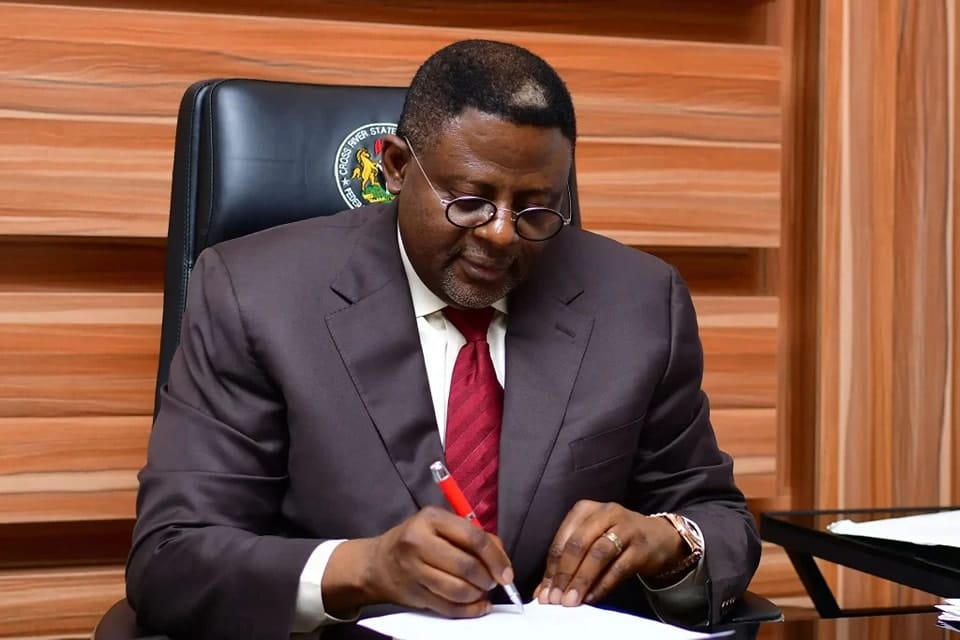
Cross River State symposium highlights challenges for journalists in the digital age
A symposium was held in Cross River State, where key figures discussed the pressing challenges faced by journalists in the digital age. The event, attended by media professionals, government officials, and stakeholders, served as a platform to explore the intersection of technology and journalism. Governor Bassey Otu opened the symposium with a call to action for journalists to adopt modern technological tools. He emphasized that leveraging these tools is essential for improving information dissemination. “In today’s fast-paced world, accuracy and transparency are paramount,” Governor Otu stated. He urged journalists to embrace innovations that can enhance their reporting and ensure that the public receives reliable information. Former Governor Donald Duke also took the stage to address a critical concern: the impact of misinformation in our rapidly changing technological environment. He pointed out that with the rise of social media and instant news sharing, the potential for spreading false information has increased dramatically. “We must be vigilant against misinformation,” Duke warned, highlighting its consequences on public perception and trust in the media. The symposium did not shy away from discussing darker aspects of the digital landscape. Participants delved into issues like cybercrime and the legal challenges that journalists often encounter while navigating online platforms. Experts shared insights on how these challenges can hinder effective reporting and urged for stronger protections for journalists in the digital sphere. The discussions at the symposium align with the Nigerian government’s broader initiative to promote digital transformation across various sectors, including journalism. By fostering an environment where technology can thrive, officials hope to empower journalists to better serve their communities with accurate and timely information. As the event concluded, it was clear that while challenges remain, there is a collective commitment among journalists, government officials, and stakeholders to adapt and evolve in this digital age. The future of journalism in Nigeria may very well depend on how effectively these challenges are met and how technology is harnessed to promote truth and transparency.

Airtel Nigeria calls for tariff review as operational costs soar by 300%
Airtel Nigeria is urging the government and telecom regulators to consider an increase in service tariffs, citing a dramatic rise in operational costs that have surged by over 300% in the past two years. This call comes as the company’s CEO, Dinesh Balsingh, highlights the urgent need for adjustments to ensure the sustainability of high-quality services in the face of rising expenses. In an opinion piece, Balsingh pointed out that tariffs have remained unchanged for over a decade, despite significant increases in costs associated with running telecom operations. He emphasized that without a realignment of pricing structures, it will be challenging for companies to continue meeting the growing demand for digital connectivity across Nigeria. “For over ten years, we have kept our tariffs stable, but the reality is that our operational costs have skyrocketed,” Balsingh explained. “To maintain our service quality and support Nigeria’s digital transformation journey, we must adapt our pricing to reflect these economic changes.” Balsingh also stressed the importance of ongoing investments in telecom infrastructure. He noted that sectors like education, banking, and healthcare are increasingly reliant on digital services, necessitating upgrades to network capacity and quality. “These enhancements come at a cost,” he said. “It’s essential that this cost is shared fairly among all stakeholders to ensure long-term viability.” The proposed tariff adjustments are not just about maintaining profitability; they are crucial for improving service delivery and expanding network coverage. Balsingh believes that by enabling telecom operators to invest in advanced technologies and strengthen network security, the overall quality of connectivity for Nigerians will significantly improve. Airtel’s call for tariff adjustments aligns with sentiments expressed by other industry leaders. Recently, MTN Nigeria’s CEO, Karl Toriola, revealed that telecom operators have requested an approximate 100% increase in tariffs to address sustainability concerns within the industry. However, he acknowledged that regulatory bodies might be hesitant to approve such significant hikes due to the current economic climate. Both Airtel and MTN are supported by industry associations like the Association of Licensed Telecom Operators of Nigeria (ALTON) and the Association of Telecommunication Companies of Nigeria (ATCON), which have been advocating for tariff reviews for over two years. With rising operational costs posing a serious threat to service quality and sustainability in the telecom sector, Airtel Nigeria’s call for a tariff review highlights a critical moment for both industry players and regulators. As the demand for digital services grows, finding a balance between affordability for consumers and viability for operators will be key to supporting Nigeria’s digital future.