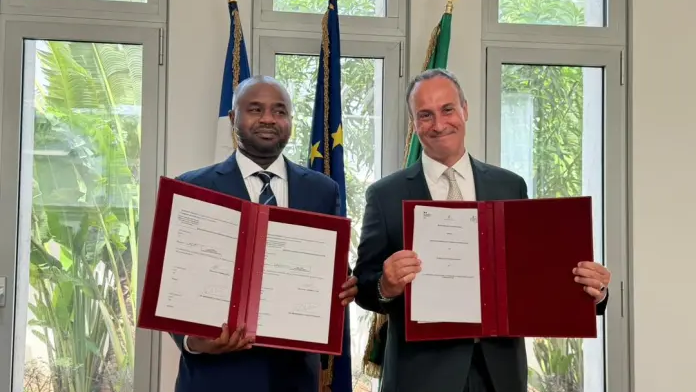
A debate has erupted following the signing of a Memorandum of Understanding (MoU) between the Federal Inland Revenue Service (FIRS) and France’s Direction Générale des Finances Publiques (DGFiP) on December 10. While the FIRS stated that the deal is a critical step toward digital tax administration, legal experts and opposition figures are raising alarms over data sovereignty.The partnership aims to leverage on the decades of experience in AI-powered audits of France and the automated compliance systems as the FIRS plan to adopt this into the Nigeria Revenue Service (NRS) in January 2026.Oladipupo Ige, a legal expert argued that even advisory access can lead to data exposure, potentially giving a foreign power visibility into Nigeria’s economic heartbeat.Dr. Segun Adebayo warned that aggregated data, though anonymized, can reveal vulnerabilities, industry-specific compliance gaps, and revenue dependencies, providing France with leverage in future trade and loan negotiations.Meanwhile, the FIRS maintains that no raw taxpayer data will leave the country.The Nigeria Data Protection Commission (NDPC) is expected to conduct an independent review of the MoU. Meanwhile, opposition parties and the Northern Elders Forum are calling for the suspension of the deal until full public disclosure of the terms is made to the National Assembly.

Africa’s first E1 Electric Powerboat Championship takes off in Lagos
Lagos made history today, by becoming the first city in Africa to host the E1 Electric Powerboat Championship. The race started on the Lagos Lagoon by Victoria Island and will run until October 5.This year’s E1 series, which began in early 2024 and has already visited cities like Jeddah, Venice, and Monaco, has now added Lagos to its prestigious lineup. The competition features high-speed electric boats, pushing the boundaries of clean technology on water. Each of the nine teams has both male and female pilots, in order to close gender gap disparities in the sport.The event is star-studded, with teams backed by big names such as Tom Brady, Rafael Nadal, LeBron James, and Didier Drogba. The races so far have been thrilling, with Team Brady currently just ahead of Team Rafa in the standings. Fans from across Nigeria and beyond are excited to witness the fusion of sport, innovation, and sustainability right in the heart of Lagos.

TikTok and CABC unite to combat online gender-based violence in Nigeria
TikTok and the Centre for Analytics and Behavioural Change (CABC) convened a roundtable in Lagos to address tech-facilitated gender-based violence (TFGBV) targeting women and girls in Nigeria. The gathering centred on content moderation methods, particularly those aimed at curbing hate speech disproportionately affecting females. This meeting set the stage for a joint campaign focused on monitoring and disrupting damaging online narratives while empowering digital communities. Jesse Cann, Head of Research at CABC, a Cape Town-based non-profit, remarked, their collaboration with TikTok is about protecting users from harmful material online and that they are dedicating their efforts to tackling hate speech, especially that which is gendered, placing women and girls front and centre in critical conversation. The session assembled various stakeholders united in fighting online abuse. TikTok representatives, including Tokunbo Ibrahim-Okuribido, West Africa’s government relations and public policy head, and Keagile Makgoba, communications lead for sub-Saharan Africa, shared insights on platform strategies tailored for the region. Dudu Mkhize, outreach and partnership manager, also emphasized TikTok’s proactive engagement with local experts to craft relevant solutions for the Nigerian context. The Lagos forum featured an agenda overview, TikTok’s content moderation presentation, followed by robust discussions and breakout groups, all aimed at tackling gendered hate speech and safeguarding women and girls. Founded in 2019, the Centre for Analytics and Behavioural Change is South Africa’s pioneering independent non-profit powered by data storytelling and dedicated to social transformation. Their work spans social divisions, prejudices, public health, and platform safety. Partnering with platforms like TikTok, they expose harmful coded language, including pedophile networks’ communication on platforms like X. CABC counters internet weaponization by exposing and dismantling divisive online content while fostering secure digital communities. TikTok continues to reinforce its commitment to protecting African users. According to its Q2 2024 Community Guidelines Enforcement Report, over 2.1 million videos were removed in Nigeria, equating to less than 1% of uploads. In November 2022, TikTok launched the #SaferTogether campaign in Nigeria, its first in Sub-Saharan Africa. It partnered with the Data Scientists Network (DSN) to conduct community workshops educating parents, teachers, and guardians about digital safety in Abuja and Lagos. The platform pledges enhancements to content moderation technology, marked by removing over 178 million videos globally in June 2024, with 144 million filtered automatically. These technological gains decrease human moderator exposure to violent content, ensuring stronger safety for its diverse users. TikTok, known for entertainment, now thrives as a platform for education, activism, and community building, connecting creators and businesses with vast, engaged audiences.
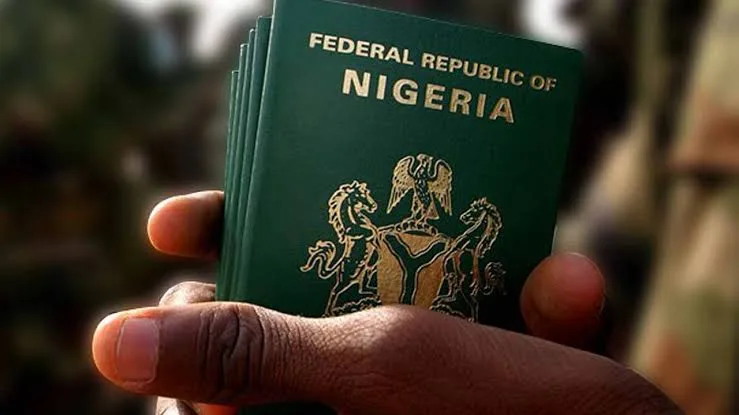
NIS launches central passport hub producing 5,000 passports daily
The Nigeria Immigration Service (NIS) has introduced a centralised passport personalisation centre in Abuja that can produce up to 5,000 passports daily, improving the processing capacity from the previous average of 250-300. During a visit to the new facility at the NIS headquarters, Interior Minister Dr. Olubunmi Tunji-Ojo hailed the establishment as a transformative step in Nigerian passport processing. For the first time since Nigeria’s independence, the issuance of travel documents is being managed through a single, centralised hub, enabling streamlined production and distribution. The advanced centre, developed in collaboration with IRISMAT Technologies Limited, uses cutting-edge machines capable of producing up to 1,000 passports per hour. This upgrade shortens waiting times drastically, with applicants now able to receive their passports within four to five hours, compared to the previous timeframes. The revamped system marks the reduction in processing backlogs that had plagued the service, including over 204,000 pending applications when the current administration took office. The automated design guarantees consistent and efficient handling, ensuring that taxpayers receive better value. This development promotes conformity with international standards, enhancing the credibility and security of Nigerian passports globally. While this technology-driven transformation promises unparalleled convenience and reliability in passport processing, it comes with revised fees. Daily Tech Nigeria reported that from September 1, 2025, the cost for a 32-page passport with 5-year validity doubled to ₦100,000, and a 64-page 10-year passport now costs ₦200,000. Despite the price increase, this development is expected to enhance service quality and benefit Nigerians both at home and abroad.
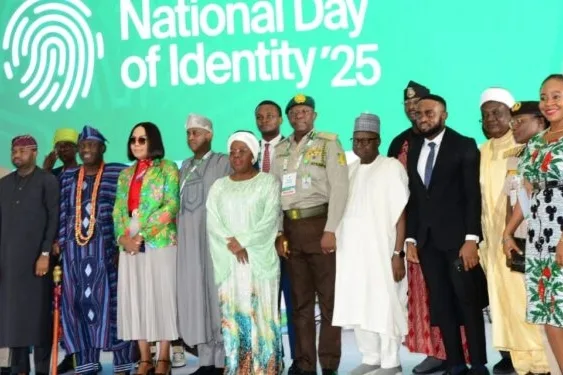
Seamfix drives digital identity progress at National Identity Day 2025 in Lagos
Seamfix played a prominent role at the 2025 National Identity Day event held in Lagos, showing the importance of digital identity as a universal right. The company reaffirmed its dedication to delivering secure and verifiable identification solutions for all Nigerian citizens. As a Diamond Sponsor, Seamfix spearheaded discussions around the critical role of Public Key Infrastructure (PKI) as the foundation for digital public infrastructure. This technology supports secure digital governance, financial dealings, and seamless integration across sectors. The event, organized by the National Identity Management Commission (NIMC), emphasized trusted identity’s pivotal function in driving national development, enhancing financial inclusion, and accelerating the country’s digital transformation goals. Seamfix’s collaborative efforts with NIMC have led to innovative digital access management tools that facilitate mass biometric enrollment and compliance with regulatory standards. The platform supports a wide range of industries, including banking, telecommunications, healthcare, and education, while ensuring internal security for enterprises. The firm’s portfolio, featuring products such as Fixiam, GovSmart, BioSmart X, Verify, and SeamID, has enabled over 400 million digital identity checks, surpassed 70 million biometric SIM activations, and enrolled 50 million citizens into official identity programs. Beyond Nigeria, Seamfix operates in several countries including Côte d’Ivoire, Kenya, Uganda, South Africa, the UAE, the UK, and the US, adapting its innovations to diverse markets and regulatory environments. At the gathering, key participants explored how PKI can enhance digital trust by securing electronic signatures, safeguarding encrypted communications, and facilitating cross-platform interoperability. Seamfix also called for bolstered cooperation between public entities and private stakeholders to expand nationwide digital identity coverage, combat fraud more effectively, and lay a robust foundation for inclusive economic growth.
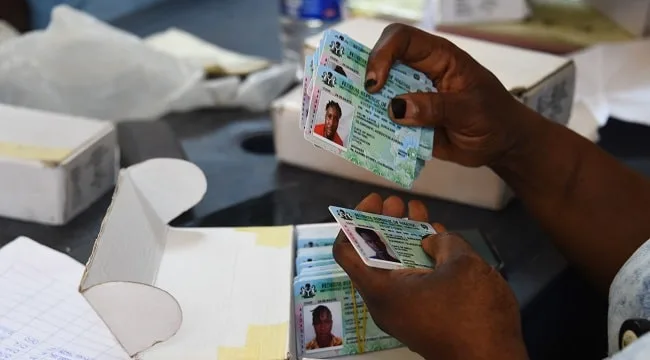
Osun leads as INEC reports over 4.4 million Nigerians pre-registered online for voter’s card in four weeks
The Independent National Electoral Commission (INEC) announced that more than 4.4 million Nigerians have completed their online pre-registration for voter cards within a month since the Continuous Voter Registration (CVR) began on August 18, 2025. Osun State records the highest number of pre-registrants nationwide. Data released by INEC’s National Commissioner for Information and Voter Education, Sam Olumekun, shows that as of September 14, 2025, a total of 4,445,505 Nigerians had registered through the online platform. Of these, females slightly outnumber males, at 51.83% and 48.17% respectively. Young adults aged between 18 and 34 led the registration figures, making up 65.79% with almost 2.9 million participants. The commission also detailed the demographic spread across age groups. The middle-aged segment (35-49 years) accounted for nearly 23%, while those between 50 and 69 years constituted 10%. Adults aged 70 and above formed the smallest group at just over 1%. Occupational data revealed that students dominate the registrants, comprising 25.02%, followed by business owners (22.18%) and those engaged in farming or fishing (13.06%). Other professions recorded smaller proportions, including housewives, traders, artisans, and public or civil servants. Special focus is given to persons with disabilities, who represent over 2% of registrants; within this group, individuals living with albinism and physical impairments have the highest participation rates. INEC emphasized that online pre-registration in the Federal Capital Territory (FCT) concluded on September 15, with physical registration centers now open to complete the voter window. The commission reminded Nigerians that online registration is invalid without completing the in-person process. The FCT voter registration will officially close on October 8, 2025, in compliance with electoral laws ahead of the FCT Area Council elections set for February 21, 2026. Regionally, Osun State maintains the front position with over half a million online pre-registrations, followed by Lagos and Borno states. The states with the fewest registrations include Enugu, Abia, Edo, Ondo, and Adamawa. Online and physical registrations combined stand at over half a million completed by mid-September, with females again leading the gender distribution slightly. INEC continues nationwide physical registration and encourages Nigerians to visit the official portal to register online. However, Anambra State was exempted from the current voter registration due to its gubernatorial election scheduled for November 8, 2025. With key deadlines approaching, Nigerians are urged to take prompt action to secure their voting rights in upcoming elections.