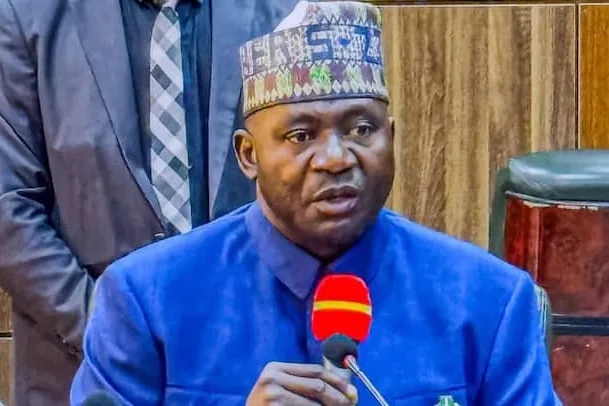
The Minister of Defence, Christopher Gwabin Musa, has urged local innovators, researchers, and technology start-ups to develop indigenous defence technologies to address the evolving security challenges of the country. Speaking at the Omniverse Africa 3.0 Summit in Lagos, Musa said modern security threats require more than traditional military capabilities. He stressed that technology, innovation, and industrial development must become central to the defence strategy of Nigeria. Stakeholders during the Summit believe technological innovation and local industrial capacity are essential for strengthening national security while reducing reliance on imported defence systems. According to Musa, ongoing reforms at the Defence Industries Corporation of Nigeria are designed to create an ecosystem where defence investments support economic growth, generate high-technology jobs, university research, and stimulate local manufacturing. Musa called on Nigerian innovators to focus on areas such as artificial intelligence, cybersecurity, robotics, surveillance systems, secure communications, and advanced manufacturing. The Minister launched the Defence Futures Lab Pathway, a collaboration platform intended to encourage partnerships between the defence sector and technology innovators. He stated that the initiative is not a procurement programme but a forum for long-term planning and capability development. “We must secure the nation today, but we must also build the capabilities that will secure the nation tomorrow…This is an opportunity to think ahead, organise better, and explore practical ways of strengthening the wider defence ecosystem” – Musa Nigeria has overtime explored technology-driven approaches to tackle security challenges, including insurgency, banditry, cyber threats, and organised crime. Many believe that investing in indigenous technology could improve Nigeria’s self-reliance, enhance military readiness, and create economic opportunities through innovation and industrial development. However, experts warn that achieving these goals will require sustained funding, research investment, collaboration between government and private industry, and the successful implementation of defence-sector reforms. To assess progress, review proposed technology concepts, and evaluate the reforms align with the Federal Government’s indigenous defence strategy, participants at the summit agreed to reconvene in three months. The government has also sought to reduce dependence on imported defence equipment by strengthening domestic production and innovation.

Nigerian Police arrest suspect over AI generated Tinubu voice note
The Nigeria Police Force has arrested a man identified as Ifechukwu Dennis over an AI-generated audio recording falsely attributed to President Bola Tinubu that circulated widely on social media. The arrest was announced by presidential spokesperson Bayo Onanuga, who said the suspect was apprehended in Benin City by a police special investigation team. The controversy began on May 27 after a viral audio clip, purportedly featuring President Bola Ahmed Tinubu, surfaced online. The recording contained politically sensitive remarks on national security, the 2023 presidential election, and economic hardship. The audio generated massive debate before media organizations and digital verification experts reportedly concluded that the recording had been created using artificial intelligence technology. Investigations revealed that the manipulated content did not originate from social media activist Martins Vincent Otse, despite earlier claims linking him to the clip. The Nigeria Police Force pledged to release more details on the investigation, including the evidence linking the suspect to the recording and any charges that may be filed.
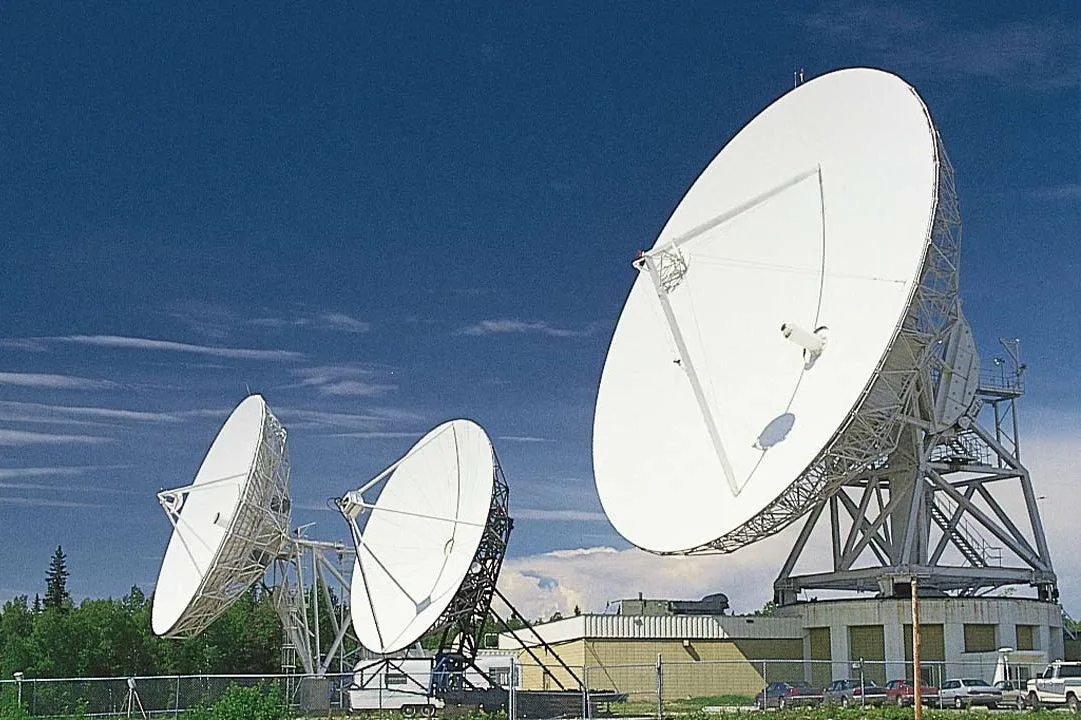
Stakeholders raise concerns over June 17 digital switch
Barely a week after the Federal Government fixed June 17, 2026, for Nigeria’s nationwide digital television switchover, broadcasters and industry stakeholders have raised concerns over the planned rollout, warning that it could create legal, financial and technical challenges. The concerns emerged as Nigeria prepares to complete its long-delayed transition from analogue to digital broadcasting through a satellite-first model known as Free TV. Announcing the relaunch of the programme, the Minister of Information and National Orientation, Mohammed Idris, described the Digital Switch Over (DSO) as an important step for Nigeria’s broadcasting sector. The Federal Government said the platform would provide Nigerians with access to about 100 free television channels across the country. However, the rollout has already faced criticism from key stakeholders, who argue that the approach may not fully follow Nigeria’s original digital migration plan. The Broadcasting Organisations of Nigeria (BON), in a letter to the Director-General of the National Broadcasting Commission (NBC), Dr Charles Ebuebu, argued that the planned platform appears more like a satellite television service than a proper digital switchover. According to BON, Nigeria’s digital migration was originally designed to move television broadcasting from analogue to Digital Terrestrial Television (DTT) and not satellite broadcasting. Earlier in April 2026, Dr Charles Ebuebu disclosed that about ₦60 billion had already been spent on the digital switchover project over the last 17 years, yet digital terrestrial signals had reached only eight states. He said the new satellite-first model was introduced to speed up nationwide coverage. Questions have also been raised about what the rollout could mean for Nigerians. Although the government described the platform as free, stakeholders said many households may still need to buy dishes, decoders and pay installation fees to access the service. They warned that this could place extra financial pressure on low-income families, especially in rural communities where access to digital devices remains limited. Stakeholders also warned that the transition could affect Nigeria’s technology and telecommunications plans. One major concern is that the switch may not free up terrestrial broadcast frequencies expected to support mobile broadband and telecommunications services. The spectrum, often called the digital dividend, is expected to improve internet access and telecom expansion across the country. Veteran broadcaster Aderemi Ogunpitan also called for greater transparency and accountability over the project, urging civil society groups to seek clarity on funds already spent. The digital switchover is expected to improve picture quality and expand access to television channels, but concerns remain over its cost, implementation and long-term impact on Nigeria’s broadcasting and telecommunications sectors. With the June 17 deadline drawing closer, attention is now shifting to how the government, broadcasters and regulators will address concerns raised by stakeholders and whether the rollout will meet expectations.
NAICOM grants Nigeria’s first Insurtech licence
Nigeria’s insurance regulator, the National Insurance Commission (NAICOM), has issued the country’s first operational licence to an insurtech company. The licence was granted to CBI Partnering Insurtech Ltd during a handover ceremony, where NAICOM said the move reflects its broader effort to encourage innovation while maintaining consumer protection and regulatory oversight. The sector has expanded globally as insurers increasingly adopt artificial intelligence, digital platforms, and automated systems to improve efficiency and financial inclusion. NAICOM said the approval follows the implementation of the Nigerian Insurance Industry Reform Act (NIIRA) 2025 and the introduction of new insurtech guidelines aimed at aligning Nigeria’s insurance market with international standards. NAICOM restated its commitment in supporting technology-driven reforms and enforcing compliance standards across the industry. Deputy Commissioner for Insurance, Finance and Administration, Mr. Ekerete Ola Gam-Ikon, said the Commission remains focused on fostering innovation within a robust and well-governed regulatory framework. Many believe possible insurtech expansion can improve insurance penetration in Nigeria, where large parts of the population remain uninsured with technology reducing operational costs, simplify claims processing, and improve access to financial services. However, concerns were raised that rapid digitisation could create regulatory and cybersecurity challenges if oversight mechanisms do not keep pace with innovation.
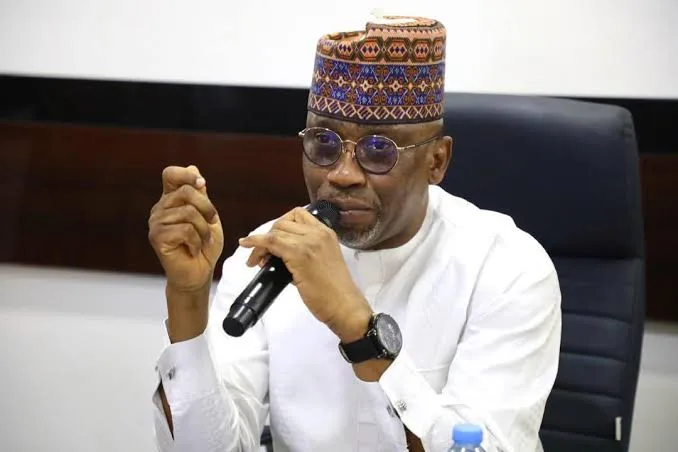
Nigeria targets ₦605 billion advertising market through digital broadcasting transition
The National Broadcasting Commission (NBC) says Nigeria’s planned Digital Switch-Over (DSO) project could unlock a national advertising market valued at N605.2 billion while expanding digital broadcasting access across the country. NBC Director-General Charles Ebuebu disclosed the plans during a press briefing ahead of the nationwide rollout of the digital broadcasting transition. According to the commission, the national launch is scheduled for June 17, 2026, while the final shutdown of analogue broadcasting is expected by December 31, 2028. The Digital Switch-Over is Nigeria’s transition from analogue television broadcasting to digital transmission. The project has faced repeated delays over funding, infrastructure, and policy implementation challenges. Ebuebu said the DSO would create a more efficient broadcasting system capable of reaching households nationwide while improving audience measurement and advertising revenue opportunities for broadcasters and content creators. “The DSO will unlock the N605.2 billion national advertising market through verifiable audience measurement, generating new revenue streams for broadcasters and content creators” – Ebuebu The NBC also stated that spectrum freed through the transition, particularly in the 700 MHz and 800 MHz bands, could generate more than $1 billion through future auctions and support broadband expansion in underserved communities. The commission said Nigeria’s creative economy, which it estimates contributes about N5 trillion to the country’s Gross Domestic Product (GDP), could also benefit from wider digital distribution and regional content exports through Nigerian Communications Satellite Limited (NIGCOMSAT). The digital broadcasting will improve picture quality, increase channel capacity, create jobs, and strengthen Nigeria’s creative and advertising industries. The freed spectrum could support faster internet access and rural broadband expansion. NBC stated that the FreeTV service would not require monthly subscription fees and that compatible decoders could cost between N15,000 and N25,000. However, challenges remain around affordability, infrastructure readiness, and ongoing legal disputes involving local set-top box manufacturers. Ebuebu acknowledged that litigation over decoder production remains unresolved, though he said it would not stop national implementation. However, concerns remain over the pace of implementation, public awareness, and whether all households, especially in rural areas, will be adequately prepared before the analogue switch-off deadline. NBC and Nigerian Communications Satellite Limited stated that phased implementation and backup satellite arrangements are being put in place to avoid service disruptions during the transition.

Tech grows, fails to dominate Nigeria Q1’26 GDP
Nigeria’s technology sector recorded strong growth in the first quarter of 2026, showing the role of digital services in the economy of the country. According to the latest Gross Domestic Product (GDP) report released by the National Bureau of Statistics (NBS), the telecommunications and information services sector contributed ₦7.97 trillion to the economy in Q1 2026. The sector also recorded a 12.24% growth rate, making it the fastest-growing major services sector during the quarter. The growth shows the high demand of digital services such as mobile networks, online payments and digital banking amongst Nigerians for everyday activities and business. Despite this growth, technology failed to become one of the biggest contributors to Nigeria’s GDP. Trade contributed ₦20.16 trillion, while real estate added ₦18.76 trillion, making both sectors far larger than telecommunications and information services. The difference in contribution explains why technology did not dominate economic activity in Q1 2026. Although the sector expanded quickly, trade and real estate continued to contribute more because of their larger size.The report also showed that financial institutions grew by 8.4% in the first quarter, reflecting continued growth in digital banking, online payments and other financial services. The report also showed that financial institutions grew by 8.4% in the first quarter, reflecting continued growth in digital banking, online payments and other financial services. Compared to previous years, the services sector recorded a slight increase, accounting for 57.73% of GDP in Q1 2026, up from 57.50% in Q1 2025 and 56.84% in Q1 2024. Although digital services recorded strong growth in the first quarter, the Q1 2026 figures show that technology is still growing from a smaller base compared to larger sectors of Nigeria’s economy.