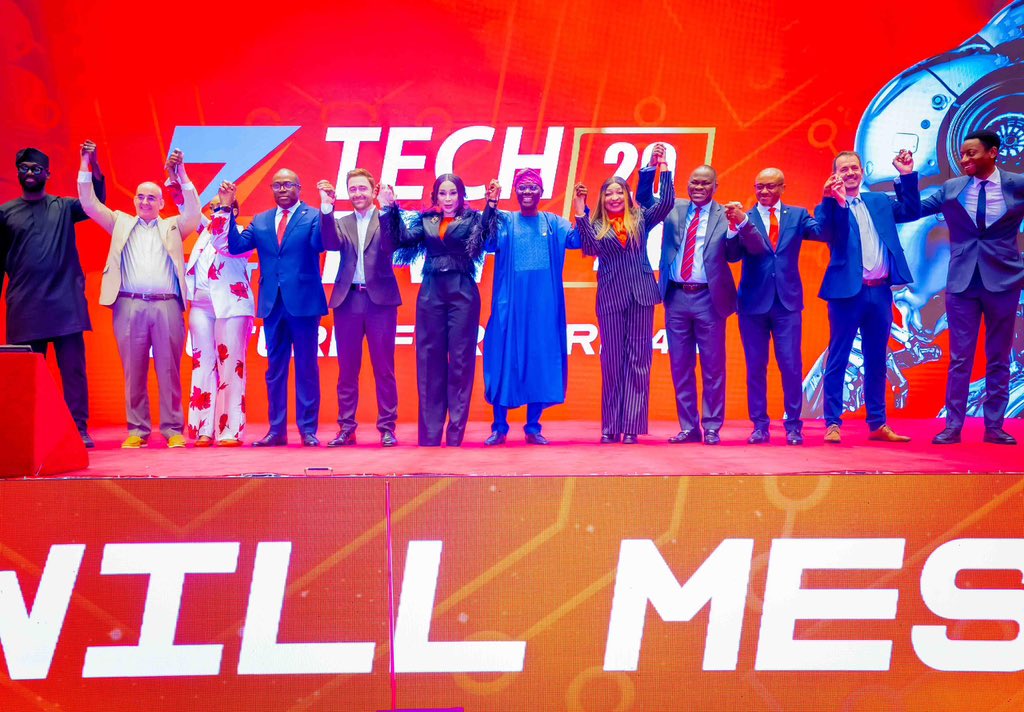
Lagos State Governor Babajide Sanwo Olu made a firm statement on the state of affairs of Lagos as Africa’s innovation hub during the Zenith Bank Tech Fair 4.0 held at the Eko Convention Centre. The event themed “Future Forward 4.0: Embedded Finance, Cybersecurity, and Growth Imperative – The Impact of AI” enthralled audiences with up-and-coming revolution in artificial intelligence, cybersecurity and financial technology. “This is the Lagos we envisioned” Sanwo-Olu said, noting that more efforts are being made to make the state one of the top technology cities in the world. “Events like this reaffirm Lagos as the epicentre of innovation and technology in Africa.” The Tech Fair included an electrifying startup pitch presentation, informative panel discussions on the prospects of embedded finance and an innovative and eye-catching display of AI and cybersecurity solutions. The event was clearly teeming with innovation as experts and professionals engaged their counterparts from other companies to discuss how technology is transforming the financial world. This initiative as executed by Zenith Bank pinpointed the importance of technology-related programs in supporting the growth of the economy and security. Not only did the fair represent the advancement of the city but expectations of the city as a global start for innovation.
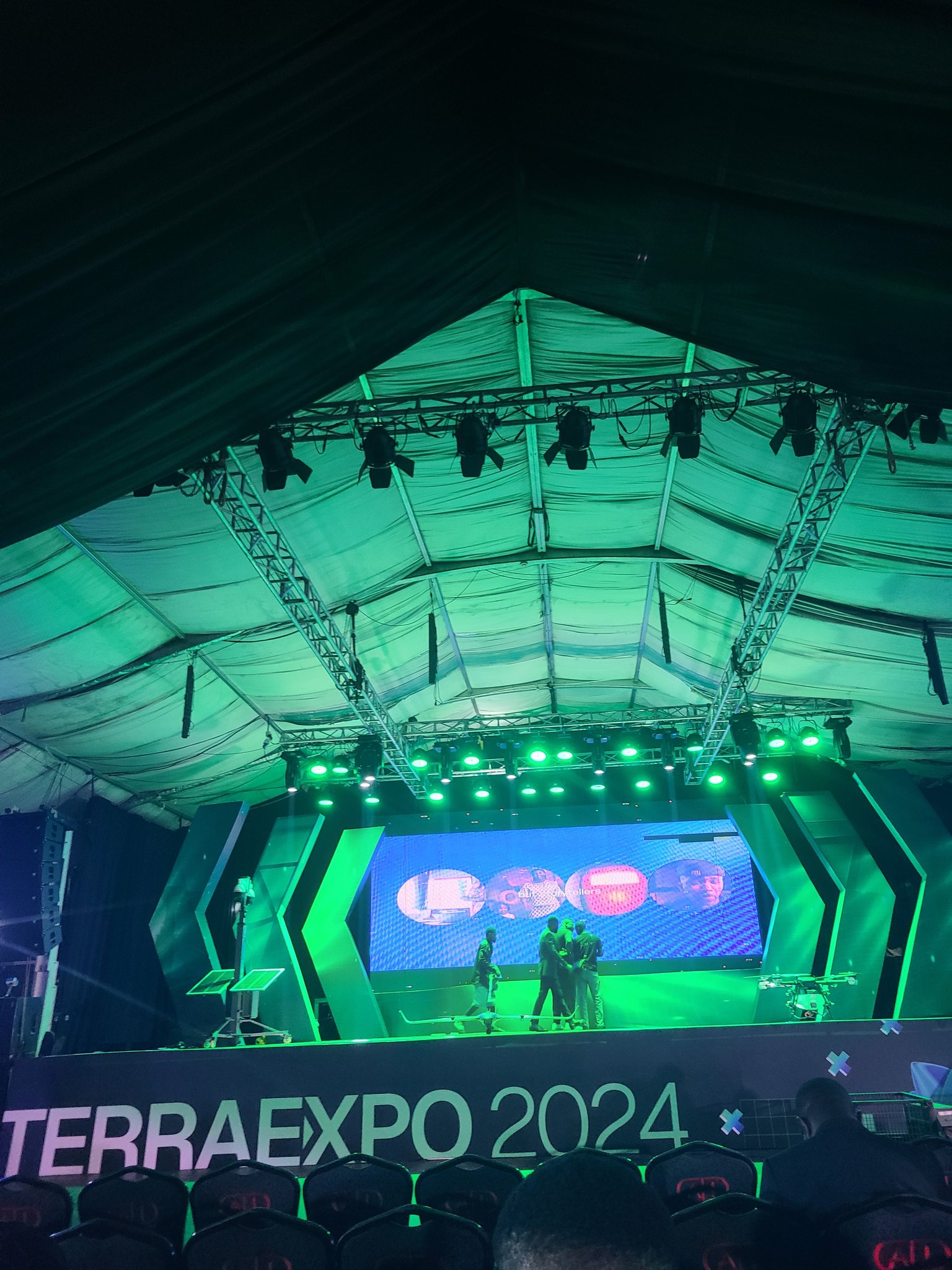
PHOTOS: Terrahaptix Celebrates Successful Launch of Terra Expo 2024 with Over 500 Attendees
Port Harcourt, Nigeria – November 23, 2024—Terrahaptix, a leader in Africa’s drone and robotics industry, successfully hosted its first-ever Terra Expo 2024 at the Aztec Arcum in Port Harcourt. According to a member of the event marketing team, @saamu_eleja on X, whilst celebrating, revealed that it had 1120 registered for the event and over 500 registrants were in attendance. 2024’s Terra Expo brought together top industry professionals, innovators, and tech enthusiasts eager to witness Nigeria’s latest advancements in drone technology and artificial intelligence (AI) and meet the masterminds behind this innovation. One user @bigboy_designer shares his experience on X, “Went for the Terra Expo today and it was awesome.’ He noted, ‘there were a lot of great speakers and many people who were interested in the hardware space. I enjoyed this one.” The expo highlighted Terrahaptix’s dedication to driving automation across emerging markets. A key moment of the event was the unveiling of three groundbreaking products poised to transform the agricultural and logistics industries. The surprise product launch added to the excitement, making the expo a milestone event for the company. The three main products launched include: Archer Drones: for advanced aerial security and surveillance. Kallon Sentry Tower: a solar-powered surveillance system using AI to detect and track threats up to 5 kilometers away. ArtemisOS: A mobile-first operating system built for drones, likened to “Android for drones.” Speaking at the expo, Nathan Nwachuku, Chairman of Terrahaptix, described the event as a turning point for the company. “This is the beginning of something extraordinary. Terra Expo marks our commitment to innovation, and we’re excited to be at the forefront of AI-driven robotics. These products represent years of meticulous research and testing,” he stated. The Terra Expo not only showcased cutting-edge tech from Nigeria but it also created an opportunity for young industry players to meet and connect. Attendees had the opportunity to engage with experts and discuss the future of robotics in Nigeria, Africa. Another X user @designeragba shared photos online, and exclaimed, it was lovely meeting like-minded people at the expo. Terrahaptix has quickly established itself as an important player in the global automation industry. The company recently opened a 15,000-square-foot drone factory in Abuja and secured a $500k contract to supply Archer drones to Ghana. With over $1 million processed in drone orders, Terrahaptix will continue to innovate across various sectors including mining, oil and gas, and construction.
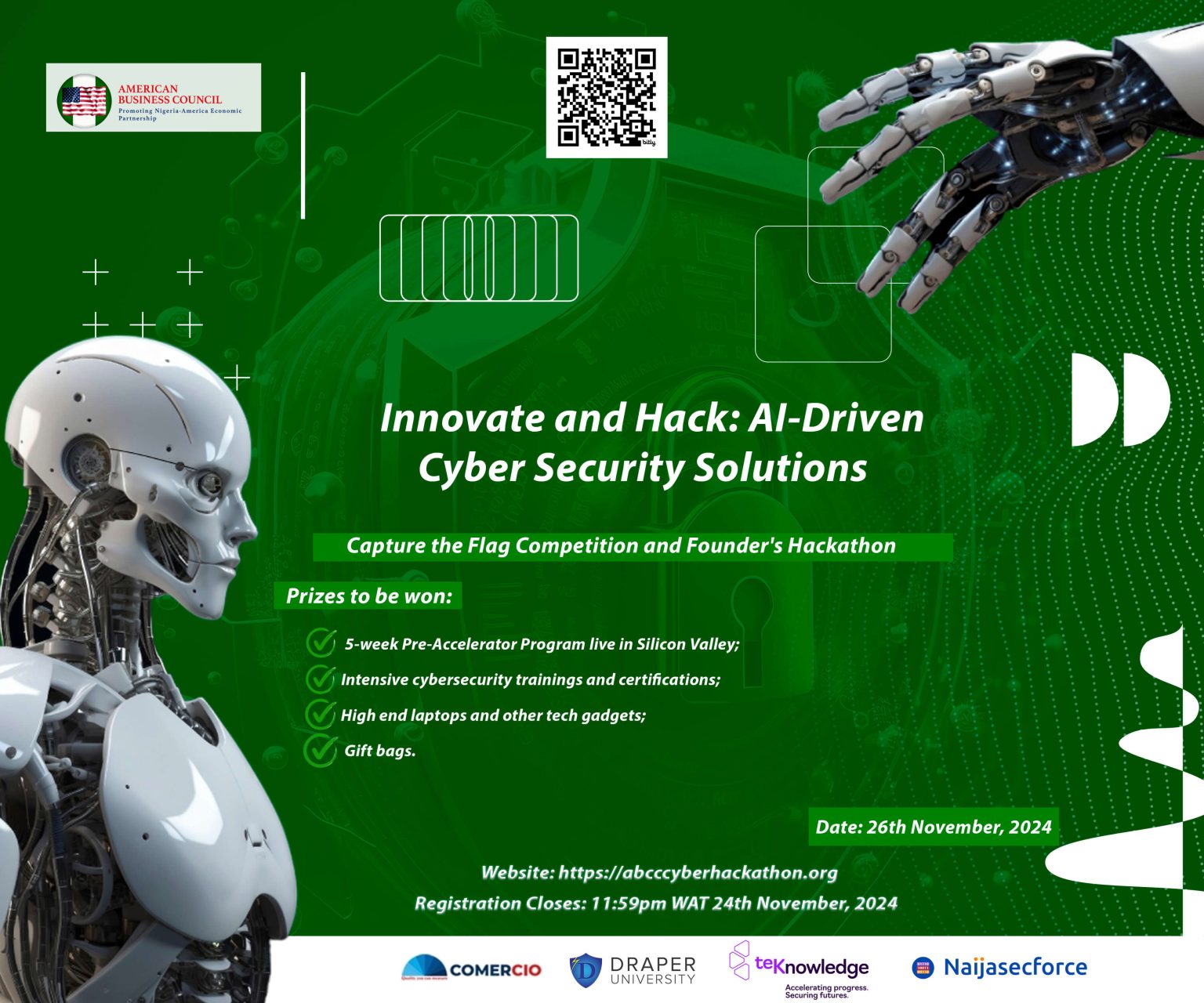
American Business Council Kickstarts Cyber Hackathon to Help Promote Talents in Africa’s Cybersecurity Industry
Africa’s brightest tech minds are preparing for the opportunity to shine on the global stage with the announcement of the 2024 Cyber Hackathon by the American Business Council Nigeria (ABC Nigeria) in collaboration with Comercio, and other leading partners in the private sector. The event is aimed at providing a vibrant platform for Africa’s brightest tech minds to collaborate, innovate, compete, and also to identify the best cybersecurity talent in the continent. This year’s Cyber Hackathon is a high-stakes arena for innovation, mentorship and unprecedented opportunities. The event which is scheduled to hold in November 26 will allow participants engage in intense brainstorming and problem-solving sessions in areas like artificial intelligence and cybersecurity. Winners at the event don’t only stand the chance to walk away with prizes such as laptops, cutting-edge tech gadgets and cybersecurity certifications, but will also secure a coveted spot in a five-week pre-accelerator program in Silicon Valley, and which will avail them the opportunity to rub shoulders with tech giants at the heart of global innovation.

Amazon Doubles Down on AI Revolution with $4 Billion Boost to Anthropic Partnership
Amazon Web Services (AWS) has deepened its collaboration with Anthropic, with its commitment of an additional $4 billion investment. This brings Amazon’s total stake in the AI powerhouse to $8 billion and solidifies its role as a minority investor and primary cloud and training partner for Anthropic. The partnership with Anthropic includes a joint effort to improve AWS Trainium hardware and software, ensuring Anthropic’s models are trained with more efficiency. Engineers from both companies are collaborating on low-level kernel development for the Trainium silicon and contributing to AWS’s Neuron software stack. This development promises groundbreaking advancements in machine learning performance. Anthropic’s AI assistant, Claude, has rapidly become indispensable for companies using Amazon Bedrock. Organisations such as Pfizer, Intuit and the European Parliament rely on Claude to drive efficiency and innovation.

X Users Debate Opay’s Role in Nigeria’s Tech Ecosystem
The Nigerian Twitter space buzzed recently after a tweep (@adeolaowosho) expressed his thoughts about OPay’s absence of support in tech-related conferences and initiatives. He exclaimed that the Fintech hadn’t sponsored any tech conference within the country. “OPay no even dey sponsor any tech conference. Dem no send anybody …,” he posted on X. The tweet sparked a flurry of responses, ranging from defenses of the company to playful jabs. An X User @dontee__ corrected the narrative, replying that they were one of the sponsors of TechCabal Moonshot Conference.” Another user, @JosephineAvid chimed in, “They are a Chinese company. It’s not just in their culture to do PR. The focus is on organic and local expansion.” Meanwhile, another user @SokeyeA humorously noted, “Wetin dem wan get from tech conference? They don’t have a developer-facing product yet. They are looking for consumers, entrepreneurs, and businesses. They won’t find them at a tech conference with 500-1000 people who most likely know about them already.” Despite the mixed opinions, OPay’s efforts to foster financial inclusion in Nigeria are evident. Also, the company was recently a Gold Sponsor of Moonshot 2024, and freshly awarded a N12 million scholarship to 40 indigent students at Ahmadu Bello University.