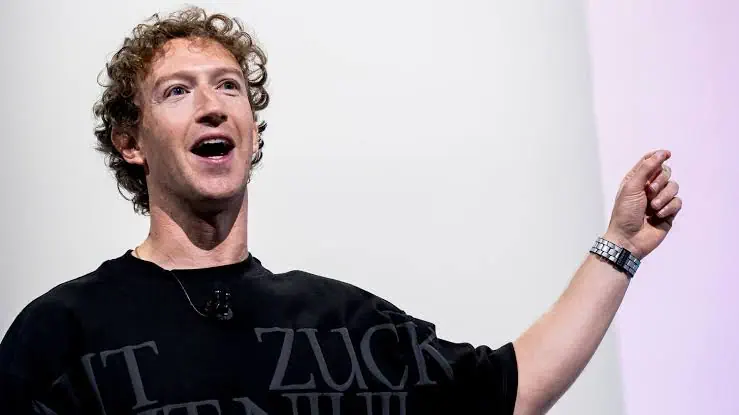
Meta, the parent company of Facebook and Instagram, recently announced it will end its third-party fact-checking program, a significant shift that could have serious implications for Nigeria. This change, which was made public on January 7, 2025, will replace the existing system with a crowd-sourced moderation model called “Community Notes,” similar to the approach taken by X (formerly Twitter). Meta CEO Mark Zuckerberg stated that the new moderation strategy will focus on high-severity violations, such as child exploitation and terrorism, rather than addressing controversial or misleading content that doesn’t necessarily break community standards. He emphasized the need to simplify policies and restore free expression on the platform. However, this decision has raised alarms among experts, particularly in Nigeria, where misinformation has already had dire consequences. Shirly Ewang, a Senior Specialist at Gatefield, a public strategy and advocacy firm, expressed her concerns about how this change could worsen existing ethnic and religious tensions in the country. Nigeria has been grappling with misinformation for years, especially during the recent 2023 elections. Ewang pointed out that false claims about candidates circulated widely on social media, leading to heightened tensions among different religious and ethnic groups. Reports indicated that fact-checkers were identifying over 100 false claims daily during this period. The African Digital Democracy Observatory has noted that disinformation is often wielded as a political tool to manipulate public opinion. Ewang recalled instances where fake images spread on social media incited violence, such as in Plateau State. One particularly troubling example involved a misleading post by Nigerian politician Femi Fani-Kayode. He shared an image of a man holding a burnt child with a caption that falsely attributed the incident to violence by Fulani terrorists in Oyo State. In reality, the image was from the Southern Cameroon crisis. With Meta’s new policy potentially rolling out in Nigeria, experts fear that misinformation could spread even more unchecked. Ewang warned that without effective moderation, false narratives could exacerbate existing conflicts, particularly in a country where social media plays such a pivotal role in shaping public discourse. In past years, Meta has faced lawsuits over its role in inciting violence and hatred in various African regions. The company was sued in Kenya by Abraham Meareg after his father was killed during the Tigray war, allegedly due to hate speech proliferated on Facebook. Zuckerberg argues that Community Notes will enhance free expression and reduce bias in moderation. However, Ewang is skeptical about its effectiveness as a replacement for traditional fact-checking. She believes that misinformation would likely spread before any community notes could be created to address it.“Community Notes will only encourage conversations,” she said. “It’s not a solid method for content moderation.” With millions of users on Meta platforms, over 51 million on Facebook and 12.6 million on Instagram, Ewang stresses that Nigerian citizens also bear responsibility for combating misinformation. She advocates for individuals to verify information before sharing it online Ewang calls on the Nigerian government to collaborate with civil society organizations to educate citizens about identifying fake news. She emphasizes the need for clear guidelines for tech companies like Meta to ensure safer online spaces. Meta’s new content moderation policy poses significant risks for Nigeria, where misinformation can exacerbate ethnic and religious tensions. To combat this challenge, citizens, civil society organizations, and the government must work together. Promoting media literacy, encouraging verification of information are essential steps and most importantly, regulators should establish clear guidelines for tech companies to ensure safe online spaces.
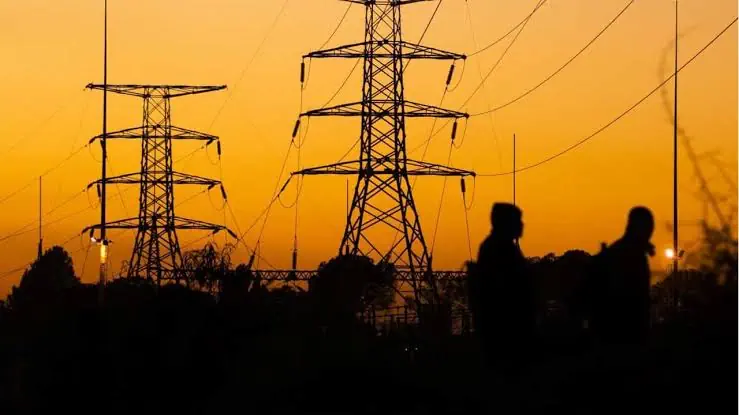
Nigeria’s national grid faces first collapse of 2025
Nigeria’s national grid suffered its first collapse of 2025, plunging many parts of the country into darkness. The blackout occurred at approximately 1:56 PM, leaving millions without electricity According to data from the Nigerian System Operator’s portal, the grid failure was significant, with power generation dropping dramatically from over 2,100 megawatts (MW) to around 390 MW shortly after the incident. Fortunately, restoration efforts were initiated quickly, and by 2:40 PM, generation had increased to 302 MW. Energy experts have noted that this type of collapse is not uncommon; in fact, it marks the 13th occurrence in just over a year. The national grid faced a total of 12 collapses throughout 2024 alone. In an effort to clarify the situation for concerned citizens, EnergyTimePod explained that there are two types of national grid collapses: a partial collapse, where some areas retain power, and a total collapse, which results in widespread blackouts. They emphasized that while some regions may experience delays in losing power following a grid failure, this does not mean that the reports of the collapse are inaccurate. With efforts to restore power already in motion, this latest blackout shines a light on the ongoing struggles within Nigeria’s electricity system. The fact that the grid has failed 13 times in just over a year has left many people worried about how reliable power supply really is in the country. There’s a clear need for significant changes and investments in the infrastructure to create a more stable energy system. Despite these challenges, many Nigerians are hopeful that 2025 will bring real improvements, leading to a brighter and more dependable future for electricity across the country.

CBN launches new accounts for Nigerians abroad to boost investment in Nigeria
The Central Bank of Nigeria (CBN) has launched two new financial products designed to make it easier for Nigerians living overseas to invest in their home country. The new accounts, known as the Non-Resident Nigerian Ordinary Account (NRNOA) and the Non-Resident Nigerian Investment Account (NRNIA), aim to attract the Nigerian diaspora and encourage their participation in the local economy. The announcement was made on Friday by W.J. Kanya, acting director of the CBN’s trade and exchange department. According to the CBN, the NRNOA allows non-resident Nigerians to remit their foreign earnings back home and manage their funds in both foreign and local currencies. This means that whether you’re earning in dollars, pounds, or euros, you can easily transfer your money to Nigeria without hassle. On the other hand, the NRNIA is specifically designed for investment purposes. It enables Nigerians abroad to invest in various assets within Nigeria using either foreign currency or Naira. This dual currency option is a significant advantage for those looking to take part in Nigeria’s growing investment landscape. The CBN believes that these new accounts will not only provide greater access to investment opportunities but will also strengthen the contributions of Nigerians living abroad toward the socio-economic development of Nigeria. The circular from CBN highlights that account holders can participate in initiatives like Nigeria’s Diaspora Bond and other debt instruments specifically aimed at the diaspora community. “This initiative will serve as a secure channel for managing funds directly, reducing reliance on third parties for local commitments,” the CBN stated. This move which started since January 1, 2025, permits eligible non-resident Nigerians to open these accounts, provided they meet certain Know Your Customer (KYC) requirements. Details on these requirements will be made available soon. This move comes on the heels of a previous announcement regarding the introduction of a Non-Resident Bank Verification Number (NRBVN), which is set to simplify banking processes for Nigerians abroad. During a recent forum focused on optimizing remittances to Nigeria, CBN’s Deputy Governor for Economic Policy, Muhammad Sani Abdullahi, emphasized the importance of enhancing remittance flows and strengthening Nigeria’s financial sector. Remittances have been a crucial source of income for Nigeria, averaging around $20.5 billion annually over the past decade according to the World Bank. However, much of this money tends to be used for immediate consumption rather than long-term investments that could foster economic growth. The CBN aims to change this narrative by encouraging more strategic use of remittance funds. These new account offerings from the CBN present an exciting opportunity for investment and engagement with Nigeria’s financial landscape.
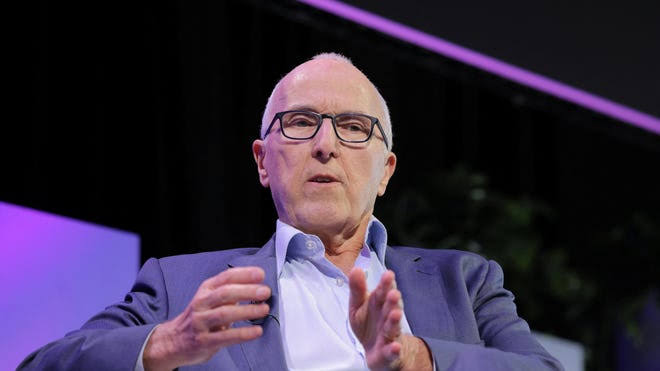
Frank McCourt bids to acquire Tik-Tok’s U.S. operations amid ban concerns
Frank McCourt has officially submitted a bid to acquire the social media platform’s U.S. operations, a move that could reshape the future of Tik-tok in the United States. McCourt, who is best known as the former owner of the Los Angeles Dodgers, is leading a consortium under the initiative dubbed Project Liberty. This comes at a critical time as TikTok faces a potential nationwide ban due to ongoing concerns about data security and its ties to its Chinese parent company, ByteDance. McCourt’s proposal is not just about ownership; it’s about creating a fairer digital landscape. He emphasizes that his goal is to keep TikTok accessible to millions of American users while addressing pressing issues around privacy and algorithm transparency. “We’ve put forward a proposal to ByteDance to realize Project Liberty’s vision for a reimagined TikTok, one built on an American-made tech stack that puts people first,” McCourt stated. The plan involves transferring TikTok’s substantial U.S. user base, approximately 170 million people, to infrastructure developed in the United States. This shift aims to alleviate data security fears and ensure that the platform operates independently from its current, often-criticized algorithms. The consortium backing McCourt’s bid has reportedly secured significant financial support from private equity firms and high-net-worth individuals. Additionally, they have arranged debt financing through one of the largest banks in the country, providing them with the resources needed to pursue this complex acquisition. While the exact financial details of the offer haven’t been disclosed, McCourt’s team has expressed confidence in their ability to navigate this challenging transaction. Project Liberty has garnered support from various TikTok creators and has enlisted a network of experienced legal and financial advisers to help guide them through the process. Notably, “Shark Tank” investor Kevin O’Leary has joined the consortium and confirmed discussions with President-elect Donald Trump regarding the bid. The timing of this bid is particularly crucial as it coincides with a Supreme Court hearing on TikTok’s legal challenge against a federal mandate requiring ByteDance to divest its U.S. operations. The court is set to hear arguments regarding this law, which could force TikTok to sell or face a nationwide ban effective January 19, just one day before Trump’s inauguration. Despite previous reluctance from ByteDance to sell its U.S. assets, McCourt’s consortium remains optimistic about their proposal. They promise not only to preserve TikTok’s cultural impact but also to create a safer and more transparent platform for American users. As the clock ticks down on TikTok’s uncertain future, all eyes are on McCourt and his ambitious plans for Project Liberty. Will this bid succeed in securing a new chapter for TikTok in America? Only time will tell.

NBS to resume operations after cyberattack: What this means for national data integrity
The National Bureau of Statistics (NBS) is set to resume its operations on January 15, 2025, following a significant cyberattack that temporarily crippled its systems. This incident, which occurred on December 18, 2024, disrupted public access to vital national data and raised serious concerns about the security of sensitive information. During a recent workshop organized by the Nigerian Economic Summit Group, NBS officials confirmed the timeline for resuming services. They also announced that both the old and new Consumer Price Index (CPI) figures will be released upon their return. In the wake of the breach, the bureau had urged citizens to ignore any updates from its platforms until they could ensure the integrity of their data. This cyberattack is not an isolated incident; Nigeria has seen a troubling rise in cyber threats targeting both public and private sectors. According to the Nigeria Computer Emergency Response Team (ngCERT), ransomware attacks on local organizations have surged in recent years, impacting critical areas such as finance, technology, and public administration. In fact, Nigerian financial institutions reported losses exceeding ₦17 billion due to fraud in 2024 alone. The NBS breach serves as a stark reminder of the urgent need for stronger cybersecurity measures across the country. Recent penalties imposed on major institutions for inadequate data protection, amounting to over ₦200 million against banks for privacy violations, highlights this pressing issue. Government initiatives like the Nigeria Data Protection Act (NDPA) and the establishment of cybersecurity operation centers are crucial steps toward bolstering defenses against these evolving threats. Collaborative efforts between public entities and private firms are also gaining momentum; for example, Flutterwave has partnered with the Economic and Financial Crimes Commission (EFCC) to create a Cybercrime Research Center. As NBS prepares to resume operations, it emphasizes the importance of ongoing vigilance in cybersecurity. Strengthening policies, investing in advanced technologies, and educating personnel about digital threats are essential for safeguarding Nigeria’s digital landscape. With more institutions embracing digital solutions, robust cybersecurity frameworks are no longer optional, they are essential. The experience of the NBS highlights that proactive measures will be key to ensuring secure digital operations in Nigeria’s future.

NERC transfers regulatory control of Niger state electricity market to NSERC
The Nigerian Electricity Regulatory Commission (NERC) has officially transferred regulatory oversight of the electricity market in Niger State to the Niger State Electricity Regulatory Commission (NSERC) to enhance electricity services across the state. This announcement was made on January 10, 2025, via NERC’s social media channels. This transfer is part of a broader initiative under Nigeria’s amended Constitution and the Electricity Act 2023, which empowers individual states to regulate their own electricity markets. While NERC will continue to oversee inter-state and international electricity operations, this shift represents a crucial step toward localized management of power supply and distribution. As part of this transition, NERC has issued specific directives to two major electricity distribution companies operating in Niger State: the Abuja Electricity Distribution Company (AEDC) and the Ibadan Electricity Distribution Company (IBEDC). AEDC is required to establish a subsidiary, known as AEDC SubCo, dedicated to managing intrastate electricity supply and distribution in Niger State. The company must complete the incorporation of AEDC SubCo within 60 days from January 10, 2024. Following this, AEDC SubCo will need to apply for and obtain a license from NSERC to operate within the state. Similarly, IBEDC must create its own subsidiary, IBEDC SubCo, to handle intrastate responsibilities. The incorporation deadline for IBEDC SubCo is also set at 60 days from January 10, 2024. Like AEDC, IBEDC SubCo will need to secure a license from NSERC before commencing operations. The entire transfer process is expected to be fully implemented by July 9, 2025, ensuring that the transition of regulatory authority is smooth and efficient. This regulatory shift reflects Nigeria’s ongoing efforts to decentralize electricity management. By empowering state-level bodies like NSERC, the government aims to improve efficiency and responsiveness in addressing local electricity needs. In recent years, NERC has already transferred oversight responsibilities to regional bodies in several other states, including Lagos and Ogun. This trend underscores a commitment to fostering better regulation at the state level and enhancing operational effectiveness across Nigeria’s power sector. Stakeholders in Niger State can look forward to more localized oversight of their electricity services, potentially leading to improved service delivery and customer satisfaction as this transition unfolds.