
Unify’s e-learning platform, Verticul, has partnered with DecisionSpaak Technologies to introduce a course on Artificial Intelligence. The course, titled Artificial Intelligence 101: Prompt Engineering for Beginners, aims to equip African professionals with essential skills to navigate AI systems like chatbots and Large Language Models (LLMs). The General Manager of Unify, Samuel Omokanye, said the program is designed to meet the growing demand for AI expertise in industries such as finance, healthcare, and education. “AI is the future, and it is essential for African professionals and companies to have access to top-tier AI training,” he said. Verticul, a platform developed by Unify, provides young Africans with affordable courses to enhance their employability. With over 1,000 learners, it focuses on market-ready skills. DecisionSpaak Technologies, led by founder Philip Ade-Akanbi, specializes in advanced technology solutions. Ade-Akanbi, who leads the course, described the partnership as an opportunity to bridge the skills gap in Africa. “This course will enable African businesses and young entrepreneurs to unlock new opportunities for growth and innovation in the global economy,” he said. Both companies emphasized the need for professionals capable of implementing and managing AI systems as businesses across the continent adopt the technology at an increasing rate.
CMS launches Sauki, an AI tool to simplify public health research in Nigeria
Corona Management Systems (CMS) has launched Sauki, an artificial intelligence tool designed to simplify public health research papers, making them easier to understand for academics, policymakers, and journalists. The company said Sauki allows users to upload mathematical modeling research and generate summaries at four levels of complexity, ranging from academic briefs to simplified formats for non-experts. “In our ten years of work across Africa, we have observed how the lack of accessible information hinders both policy impact and research progress,” Don Aadum, Innovation Specialist at CMS, said. Aadum explained that the tool is particularly useful for those involved in funding and decision-making who may not have public health expertise. “This is important because, too often, those who have funding and those who are subject matter experts are not the same people,” he said. Chijioke Kaduru, Managing Director of CMS, highlighted the importance of accessibility in tackling Africa’s public health challenges. “How much progress Africa makes in addressing public health issues will be determined by how much progress we make in understanding the nature of the challenges we face,” Kaduru said. The company said Sauki, meaning “simple” or “easy” in Hausa, aims to make public health solutions more visible and encourage collaboration between experts and broader audiences.
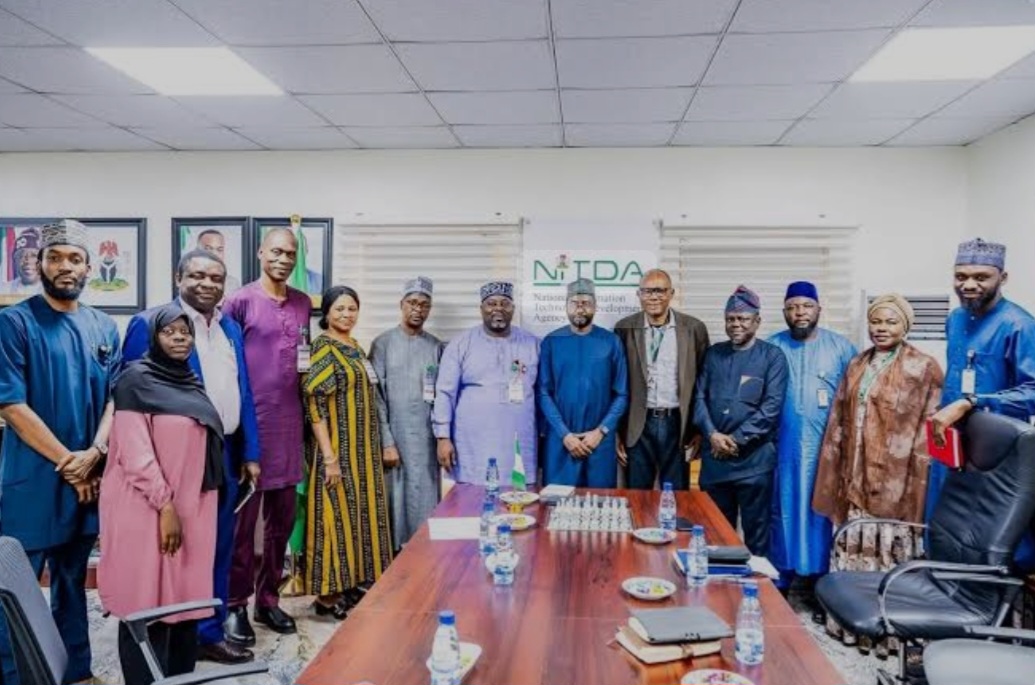
NCAC, NITDA partner to train two million Nigerians in cultural innovation
The National Council for Arts and Culture (NCAC) and the National Information Technology Development Agency (NITDA) have announced a plan to train two million Nigerians on cultural innovation by 2027. This was announced in a joint statement on Monday in which the agencies outlined their goal to integrate Nigeria’s cultural and creative industries with digital technology through training, digitization, and infrastructure projects. The NCAC said its flagship program, Innovate, Create, and Empower (ICE), will expand to 1,000 locations with NITDA’s support. The program aims to upskill participants in cultural and creative industries. “NITDA will provide support through local distribution networks and cloud services to strengthen these platforms,” the statement said. As part of the initiative, NCAC and private sector partners are developing digital platforms for cultural inventory, fan engagement, influencer marketing, subscription video-on-demand services, e-commerce, and capacity building. The agencies plan to pilot an e-commerce platform, BuyNigeria.ng, in key markets in Kano, Lagos, Aba, and Abuja. The platform is intended to boost visibility for traders and artisans. The NCAC said it would mobilize creative and cultural communities to participate in NITDA’s Gulf International Technology Expo in Nigeria in 2025. A joint committee of directors from both agencies has been formed to oversee the partnership and its projects.

Hermplify launches AI platform to support women entrepreneurs in Africa
Hermplify has launched a new platform to help women entrepreneurs and young girls in Africa manage businesses, access loans, and learn tech skills, CEO Anthony Olanrewaju announced Monday. “Our mission at Hermplify is simple: to give women and girls the tools they need to succeed in business and life,” Olanrewaju said. “With the platform, our scope is to ‘amplify’ every ‘her’ in underserved communities across Africa.” The platform includes features such as automated invoicing, payment processing, and online storefronts to assist women in managing and growing their businesses. It also offers educational resources with courses on digital marketing, web design, and data analysis. Hermplify provides soft loans and financial services aimed at helping women start and expand their businesses. The initiative comes as Africa’s digital economy is projected to reach $300 billion by 2025. Olanrewaju said the platform’s goal is to provide opportunities for women entrepreneurs to thrive in an increasingly competitive market.

Nigerian Government to Establish Digital Hubs in 200 Rural Communities
The federal government has announced plans to build digital technology hubs in 200 rural communities across Nigeria’s six geopolitical zones to address the lack of digital infrastructure and promote economic growth. The initiative was revealed on Sunday by the Special Assistant to the President on ICT Development and Digital Innovation, Tokoni Igoin as part of President Bola Tinubu’s Renewed Hope Agenda. Igoin emphasized that the project seeks to empower rural youth and marginalized groups by providing access to tools and skills for the modern economy. “This ICT initiative aligns with President Bola Tinubu’s Renewed Hope Agenda, which prioritises the development of the ICT sector alongside other key areas of Nigeria’s economy,” Igoin said. The digital hubs will feature co-working spaces, mentorship programs, and workshops aimed at nurturing creativity and entrepreneurship. Project Coordinator, Charles Folayan said the hubs will serve as innovation centers to support start-ups, students and individuals with disabilities. By equipping these communities with digital tools, the government hopes to reduce unemployment, curb poverty, and combat social challenges. “The goal is to reduce unemployment, poverty and social vices by fostering innovation, building capacity and creating sustainable pathways for development,” Igoin said. With many rural areas still lacking digital infrastructure, the project aims to bridge the gap between urban and rural regions. The government hopes this initiative will help communities thrive by fostering skills and creating opportunities for economic diversification and local development.
FCCPC Calls Out GTB, MTN and Air Peace Over Mounting Consumer Complaints
The Federal Competition and Consumer Protection Commission (FCCPC) is set to question Guaranty Trust Bank (GTB), MTN Nigeria, and Air Peace Limited following widespread customer complaints about poor service and questionable business practices. According to a statement released Sunday by Ondaje Ijagwu, the FCCPC’s Director of Corporate Affairs, the hearings are scheduled for December 3, 4, and 5. The investigations come after a surge in consumer frustrations in banking, telecommunications, and air travel. From failed transactions to unexplained charges and soaring ticket prices, Nigerians have taken to various platforms to demand answers. “The FCCPC will engage GTB over network failures that leave customers unable to access funds or use banking apps. MTN will be answering to complaints about undelivered data services and disappearing data bundles. Air Peace is under review for what passengers are calling unreasonably high ticket prices, especially on local routes,” the statement said. GTB customers have reported repeated struggles with network outages, sometimes during critical moments when they need access to their money the most. Frustrated users have described being locked out of their accounts or having transactions fail without explanation. The FCCPC will examine whether these failures violate consumer rights under the Federal Competition and Consumer Protection Act (FCCPA) of 2018. MTN Nigeria, the country’s largest telecom provider, faces scrutiny over complaints that data plans are vanishing without proper usage and that refunds or resolutions are hard to come by. Customers have long accused the company of charging them for services they never received. For domestic travelers, Air Peace is a name that has become associated with escalating ticket prices. Many passengers have pointed out sharp increases in fares on routes that were once affordable. The airline will need to provide explanations and justify these price changes to the commission. The FCCPC said its mission is to ensure Nigerian consumers receive fair treatment and that companies operate within the bounds of the law. “The companies will appear to provide detailed explanations and defend their practices. Our focus is to address these concerns and ensure compliance with regulatory standards,” the statement noted. The commission encouraged consumers to keep sharing their experiences, stating that these reports are vital for improving accountability and fairness in the market. This inquiry is a chance for affected Nigerians to get answers and for the companies involved to either clean up their acts or face the consequences.