
Kenya’s leading telecom operator, Safaricom, is embroiled in a legal dispute with Goodweek Inter-Services Limited, a long-time dealer of its M-PESA services, SIM cards, and merchandise. The case, filed in Kenya’s High Court, accuses Safaricom of abusing its dominant market position to impose unfair contract terms. Goodweek, which has been a Safaricom dealer since 2002, lost access to the telecom’s dealer portal in April 2024 after failing to renew its dealership agreement. Safaricom argues that the suspension was procedural and automatic, as the contract had expired. The company claims over 400 other dealers renewed their agreements without issue and insists Goodweek had ample notice to do the same. However, Goodweek contends the termination was deliberate and unfair. The dealer alleges that Safaricom used its market dominance to coerce smaller partners into accepting non-negotiable contracts. These agreements reportedly included clauses allowing unilateral termination by Safaricom and imposing high sales targets—such as registering 20,700 new subscribers in 2023, a goal Goodweek claims was unrealistic. Goodweek has also named Vodafone Plc, Vodafone Kenya Limited, and Mobitelea Ventures Limited as respondents, suggesting the issue extends beyond Safaricom. The telecom giant’s legal team has questioned this move, arguing that the dispute is contractual and should have been resolved through arbitration as stipulated in the agreement. The case raises broader questions about power dynamics in Kenya’s telecom sector. If Goodweek prevails, it could set a precedent for how dominant firms engage with smaller partners. Safaricom maintains its stance that the contract lapsed naturally and denies any wrongdoing.

Bitcoin Soars to $95K as Trump Unveils U.S. Crypto Strategic Reserve
Bitcoin experienced a dramatic rally over the weekend, climbing nearly 20% from its recent lows to hit $95,000, following a major announcement by U.S. President Donald Trump. The president revealed plans to establish a “Crypto Strategic Reserve” in the United States, signaling a significant shift in federal policy toward digital assets. In a post on his Truth Social platform, Trump outlined the initiative, which will include leading cryptocurrencies such as Bitcoin, Ethereum (Ether), XRP, Solana (SOL), and Cardano (ADA). The move is part of an executive order aimed at bolstering the U.S.’s position as a global leader in the cryptocurrency industry. “The initiative aims to support the crypto industry and strengthen America’s position in the global digital asset market,” Trump stated. He emphasized that this effort would counteract what he described as “corrupt attacks” on the sector by the previous administration. Trump also highlighted his broader vision to ensure the U.S. stays ahead of other nations, particularly China, in embracing cryptocurrency innovation. The announcement has sparked optimism among investors, who had been growing frustrated with regulatory uncertainty under Trump’s administration. Bitcoin, which had been trading below $80,000 just days earlier due to concerns over new trade tariffs and inflation fears, surged as high as $95,000 before cooling slightly to $93,000. Trump’s position on cryptocurrencies has evolved significantly over time. Once skeptical of digital assets, the president has now embraced them as part of his broader economic strategy. His executive order on digital assets directs federal agencies to develop frameworks for integrating and regulating cryptocurrencies. This marks a departure from previous policies and underscores his commitment to making the U.S. a hub for crypto innovation. David Sacks, the White House’s AI and cryptocurrency czar, confirmed the administration’s plans and praised Trump’s leadership in this area. “President Trump is making the U.S. the ‘World’s Crypto Capital,’” Sacks wrote on social media. He also announced that Trump will host a White House Crypto Summit on March 7, bringing together industry leaders to discuss strategies for advancing America’s role in the global crypto market. Bitcoin’s recent rally reflects renewed investor confidence but also highlights ongoing volatility in the market. Technical analysts suggest that if Bitcoin sustains its momentum, it could retest resistance levels at $100,000. However, if it falls below its current support level of $90,000, it may drop further to $85,000. Despite these fluctuations, Trump’s pro-crypto stance has injected fresh energy into the market. His plans for a strategic reserve and industry collaboration are seen as steps toward creating a more stable regulatory environment for digital assets

Microsoft to shut down Skype in May 2025, focus shifts to Teams
Microsoft has announced that it will officially discontinue Skype on May 5, 2025, marking the end of an era for the once-dominant video calling platform. The company is urging users to transition to Microsoft Teams, which has become its primary communication tool in recent years. Skype, launched in 2003, revolutionized online communication by offering free voice and video calls globally. Acquired by Microsoft in 2011 for $8.5 billion, it was integrated into the company’s ecosystem, including Windows and Xbox devices. At its peak, Skype was a household name with hundreds of millions of users worldwide. However, the platform’s popularity has waned over the years due to competition from services like Zoom, WhatsApp, and Google Meet. Microsoft’s decision to prioritize Teams, especially during the COVID-19 pandemic when virtual collaboration tools became essential, further signaled Skype’s decline. In 2021, Skype was notably absent from Windows 11’s default applications as Teams took center stage. In a blog post, Jeff Teper, Microsoft’s president of collaborative apps and platforms, explained the rationale behind the move. “With Teams, users have access to many of the same core features they use in Skype, such as one-on-one calls and group calls, messaging, and file sharing,” he wrote. “Additionally, Teams offers enhanced features like hosting meetings, managing calendars, and building and joining communities for free.” Skype users can log into Teams using their existing credentials and are advised to export their chat history, contacts, and call logs before the shutdown date. The announcement has sparked nostalgia among long-time users who shared their memories online. One user reflected on how Skype played a pivotal role in maintaining long-distance relationships before smartphones became mainstream. Another described it as a “game-changer” during its heyday. Despite its decline in recent years, Skype remains a significant part of internet history. Its closure marks the end of a chapter for one of the most iconic communication tools of the modern era.

Mark Zuckerberg channels his inner pop star in a viral birthday surprise for wife Priscilla Chan
Mark Zuckerberg, the CEO of Meta, traded his usual tech-world persona for a show-stopping pop-star moment to celebrate his wife, Priscilla Chan, on her 40th birthday. The surprise performance, which has since gone viral, revealed a playful and unexpected side of the tech billionaire. In a video shared online, Zuckerberg took to the stage wearing a shimmering blue sequined jumpsuit reminiscent of Benson Boone’s iconic Grammys outfit. The performance was part of a private celebration for Chan’s milestone birthday, and it certainly left an impression. With microphone in hand and boundless energy, Zuckerberg delivered an enthusiastic routine that included dramatic gestures and even jumping onto a piano. The highlight of the evening was undoubtedly Chan’s reaction. She appeared both surprised and delighted as she watched her husband fully embrace his pop-star alter ego. “Your wife only turns 40 once!” Zuckerberg reportedly declared before stepping into the spotlight. The unexpected performance has sparked widespread attention online, with fans praising Zuckerberg’s effort to make the occasion unforgettable. It’s not every day you see one of the world’s most influential tech leaders donning sequins and channeling their inner entertainer. This lively display of affection adds a personal touch to the public image of Zuckerberg, who is more often associated with boardrooms and innovation than stage performances. For Priscilla Chan, it was surely a birthday to remember, complete with laughter, love, and a little bit of rock-and-roll flair.

African airlines see 14.9% surge in passenger demand in January 2025 – IATA
African airlines recorded a significant 14.9% increase in passenger demand in January 2025 compared to the same period last year, according to a new report from the International Air Transport Association (IATA). This growth highlights the continent’s expanding role in global aviation and its strong recovery from pandemic-era disruptions. The report, part of IATA’s Global Passenger Demand data for January 2025, also revealed that capacity among African carriers grew by 11.2% year-on-year. The load factor, a measure of how full planes are, rose to 75.9%, up to 2.4 percentage points from January 2024. This indicates that not only were more seats made available, but a higher percentage of them were occupied by passengers. While all international passenger markets showed robust growth, Africa stood out as one of the best-performing regions. This reflects an increasing appetite for air travel across the continent and the ability of African airlines to meet rising demand by expanding capacity. Globally, total passenger demand increased by 10% compared to January 2024, with international travel seeing a stronger rise of 12.4%. The overall global load factor reached an all-time high for January at 82.1%, underscoring the continued recovery and growing confidence in air travel. Among other regions, Asia-Pacific airlines led the way with a remarkable 21.8% year-on-year growth in passenger demand. Capacity in the region grew by 16.5%, and the load factor reached an industry-leading 86.7%. Latin American airlines saw a 12.9% rise in demand, but their capacity growth of 15.5% slightly outpaced demand, causing a dip in their load factor to 84.3%. Middle Eastern carriers posted a solid 9.6% increase in demand with a notable load factor improvement to 83.8%. In contrast, North American airlines reported the slowest growth at just 3.8%, with capacity inching up by only 0.6%. Despite this modest performance, their load factor remained strong at 81.8%. The strong performance of African airlines underscores their growing importance in global aviation markets and their ability to adapt to rising demand. According to Willie Walsh, IATA’s Director General, the record-high load factors globally reflect both supply chain challenges and airlines’ effective management of fleet and infrastructure constraints. IATA’s November 2024 passenger survey suggested that most travelers plan to maintain or increase their travel frequency over the next year, a promising sign for continued growth across all regions, including Africa
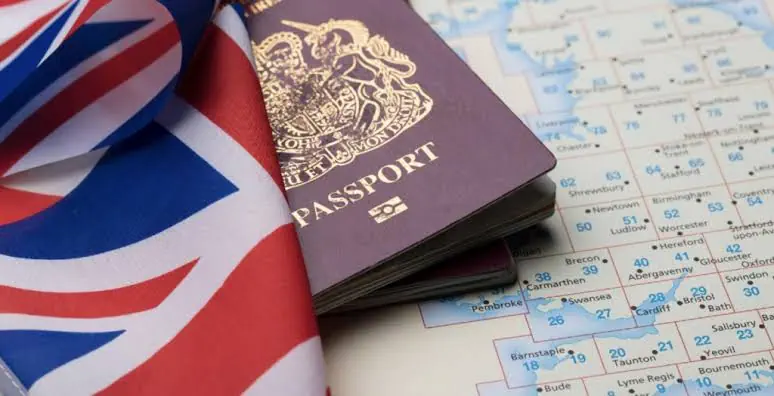
UK updates visa processing times for 2025: what applicants need to know
The UK Visas and Immigration (UKVI) department has announced updated visa processing times for 2025, offering clearer timelines to help applicants better plan their travel and visa applications. These updates apply to various visa categories, including visit, study, work, and family visas, providing essential guidance for those applying from outside the UK. Updated Processing Times by Visa CategoryVisit Visas: Standard Visitor, Marriage Visitor, Chinese Tour Group, and Transit visas: 3 weeks. Study Visas: Student, Child Student, and Short-term English Language visas: 3 weeks. Work Visas: Skilled Worker, Health and Care Worker, Temporary Worker, and Work Visas without a job offer: 3 weeks. Family Visas: Partner, Parent, Child, and Adult Dependent visas: 12 weeks. Other Specific Visas: British National (Overseas) visas: Up to 12 weeks. Specialized visas like International Sportsperson or Minister of Religion: 3 weeks. Applicants who need faster decisions can opt for priority or super-priority services at an additional cost. These services significantly reduce wait times but are not available for all visa categories. Key Considerations for ApplicantsDo Not Book Travel in Advance: Applicants are advised to wait for their visa decision before booking flights or making travel arrangements. Non-Refundable Fees: Visa application fees are non-refundable once processing begins. Refunds are only possible if no processing has occurred. Accurate Documentation is Crucial: Delays may occur if applications are incomplete, inaccurate, or require additional documentation or interviews. Factors That Can Cause DelaysProcessing times may be extended due to: Missing or incorrect information in the application. High application volumes. Technical issues affecting UKVI systems. The need for further verification of documents or interviews. Visa processing begins once applicants verify their identity and submit required documents. This can be done via the UK Immigration: ID Check app (if eligible) or by attending a Visa Application Centre (VAC) to provide biometric information. The standard processing time for most visa categories remains at 3 weeks, though family visas and some specialized categories may take up to 12 weeks. Applicants are encouraged to ensure their applications are complete and accurate to avoid unnecessary delays. For those requiring urgent decisions, priority services remain an option where available.