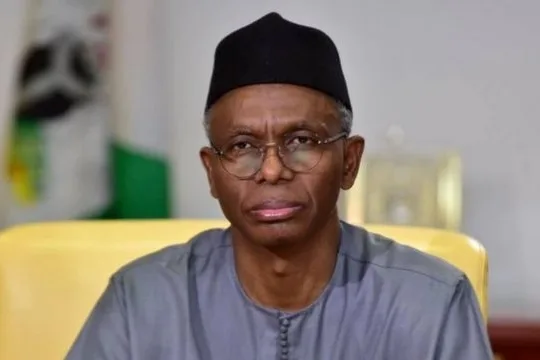
The State Security Service (SSS), has filed cybercrime charges against former Kaduna State Governor Nasir El-Rufai.The charges were presented immediately after El-Rufai’s public admission from an interview on ARISE TV on February 13th, that he accessed intercepted phone conversations belonging to the National Security Adviser (NSA), Nuhu Ribadu. El-Rufai claimed that he had listened to recordings of Ribadu’s private calls. In those recordings, he claimed that the NSA allegedly directed security agencies to detain him. He also acknowledged that tapping an official’s phone is a criminal act; “I know it’s illegal, but the government does it all the time; they listen to our calls all the time without a court order“. The Prosecution stated that the actions of the former governor was a clear breach of federal law and that the “Eye-for-an-Eye” justification does not grant private citizens the right to deploy surveillance technology against public officials. This law is enshrined under the Cybercrime Act 2024 and the Nigerian Communications Act 2003, which prohibits willfully intercepting or accessing electronic communications without authorization, which can include recording conversations without the consent of all involved parties.Meanwhile, El-Rufai is currently being investigated by the Economic and Financial Crimes Commission (EFCC) and the Independent Corrupt Practices Commission (ICPC) over his eight-year tenure as governor.
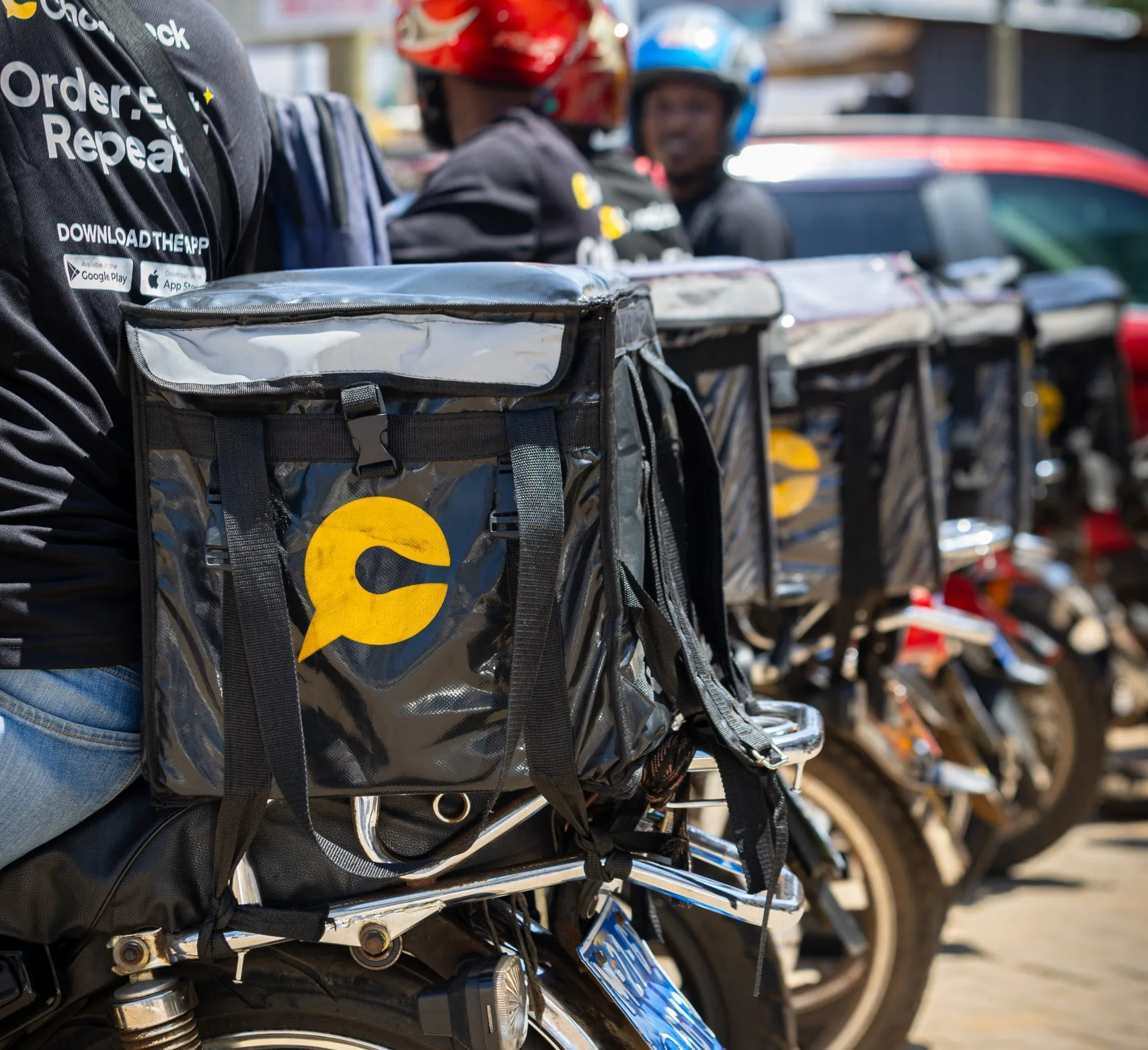
Chowdeck faces legal precedent over transparency concerns
A lawsuit filed before the Competition and Consumer Protection Tribunal of Nigeria against the food delivery platform Chowdeck, instituted this month by claimant Dolapo Adedeji, alleges that the company misleads consumers by inflating food prices without official price disclosure.The claimant alleges that Chowdeck lists food items at rates 25% to 50% higher than restaurant prices, presenting these as base prices but failing to disclose the embedded markup of the platform.The claimant argues that consumers are being deceived into paying premium prices tag under the guise of standard restaurant pricing. Counsel for the claimant, Abdulrahman Akinyemi, stated that the lawsuit is targeted at ensuring compliance and transparency for consumers to make well informed decisions: “The goal here is not merely to secure compensation. It is to prompt industry-wide policy reflection, strengthen compliance practices, and foster a culture of pricing transparency that enables consumers to make informed decisions” While Chowdeck has not responded to the allegation, stakeholders in the food delivery service argue that these markups sustain delivery infrastructure and provide living wages for riders, which the food delivery platform has been praised for in the past. They stressed that the price discrepancies are a common global practice used to offset high platform commissions and preserve thin margins for vendors. The lawsuit exposed the gap between in-store prices and app-listed prices. The Tribunal is asked to determine if undisclosed markups constitute material omission or misleading representation under Section 115 of the Federal Competition and Consumer Protection Act.
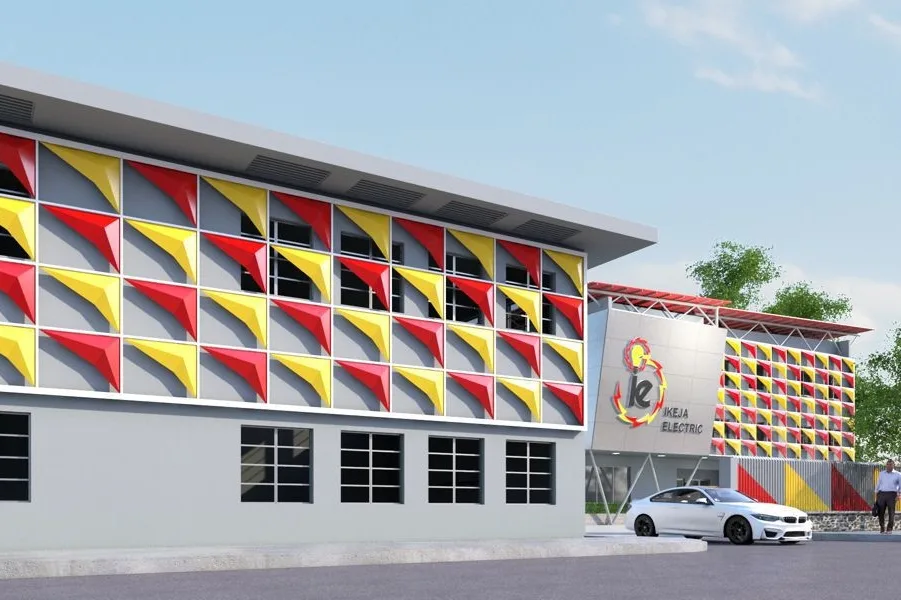
Ikeja Electric sets February 20 deadline for Tax ID updates. Who is affected?
Nigeria’s largest electricity distribution company, Ikeja Electric (IE), has mandated that corporate customers and business partners submit their Tax Identification Numbers (TIN) or National Identification Numbers (NIN) by February 20, 2026. The directive, which initially raised concern among residential consumers, comes after the implementation of the new Nigeria Tax Act (2025). Compliance and Clarification Ikeja Electric issued a public notice on Wednesday warning that any utility bill generated without a verified identification number is now considered invalid under federal law. The company stated that it would suspend electricity supply to customers who fail to comply with the update by the February 20 deadline. Who is affected? After public criticism and confusion regarding whether the policy applied to all account holders, the utility provider issued a clarifying statement 24 hours later. The first announcement from Ikeja Electric used broad language that did not distinguish between a “corporate” and a “residential” customer. This led thousands of private homeowners to believe they needed a Tax ID, which many do not possess, to prevent their lights from being cut off. The clarification statement confirms that the requirement for Tax IDs and Corporate Affairs Commission (CAC) details applies exclusively to business entities, specifically targets Corporate Customers (B2B), vendors, and strategic business partners, thereby exempting residential households from the threat of disconnection. The current billing system of residential households remains valid without a Tax ID.Corporate customers (B2B) and vendors must provide their TIN, NIN, or CAC registration details to maintain service. “Please note that the notice applies strictly to corporate customers (B2B), as well as our vendors and strategic business partners” – the statement Understanding what the Tax ID means The sudden requirement for identification numbers is as a result of the Nigeria Tax Act (2025), which became law on January 1, 2026. Under the new “Invoice Validation Framework,” the Nigeria Revenue Service (NRS) requires that every business-to-business transaction be uploaded and verified through a central portal. For Ikeja Electric to process these digital invoices, a valid Tax ID for the recipient is a mandatory field.This legislation aims to modernize the fiscal system of the country by linking utility consumption directly to tax records. What are the consequences for non-compliant businesses? For businesses, the February 20 deadline still remains. Under the 2025 Tax Act, a bill missing the required identification is legally null and void. This creates a deadlock because the utility cannot legally collect payment on an invalid bill, and it cannot legally provide service without a valid billing record.Businesses that fail to update their records will have their power supply suspended to ensure the utility remains compliant with federal tax laws.Corporate entities have until the close of business on February 19, 2026, to verify their details via Ikeja Electric’s online portal.
PayPal faces backlash in Nigeria as users report account deactivations after it return
Global payments giant PayPal is facing criticism in Nigeria following reports that the platform has begun disabling accounts with significant funds. The disruptions occurred less than three weeks after the company announced it would return to the Nigerian market through a partnership with Paga.For over two decades, Nigeria was restricted to “send-only” status on PayPal due to the alleged concerns of the platform regarding credit card fraud and insufficient regulatory oversight. This exclusion made Nigerian freelancers and digital entrepreneurs to rely on other alternative payment gateways.In late January 2026, PayPal officially expanded its services in Nigeria via Paga’s infrastructure. The partnership was designed to allow Nigerians to receive international payments and withdraw them in Naira, by leveraging on Paga’s Know Your Customer (KYC) frameworks to satisfy PayPal’s security requirements. However, the recent account closures have reignited the long-standing feud between PayPal and NIgerians.Recall Daily Tech Nigeria reported that the partnership with Paga, launched in early 2026, marked the first time in 22 years that Nigerian users were officially permitted to receive inbound international funds.Within days of the service going live, multiple users reported that their accounts were permanently limited or deactivated immediately after receiving deposits ranging from $1 to nearly $300.Despite the partnership with Paga which was intended to mitigate risk, the internal security algorithms of PayPal appear to still flag Nigerian inbound transactions as high-risk, leading to account freezes.Affected users have taken to social media to demand transparency. One user, identified as @Utdpunter, stated: “Now my payment of $290 was sent to my PayPal and you guys close my account. Are you people scammer or something? Give me back my money” Many well meaning Nigerians argued that the account blocks are aggressive “first-time” security triggers that should be resolved through better communication between PayPal and Paga. While others argue that the return of PayPal is opportunistic and inherently discriminatory. They stated that Nigerian users are still treated with a level of suspicion not applied to other markets. They also stressed that the homegrown fintech ecosystem of the country, including Flutterwave and Paystack, already provides superior service without the risk of arbitrary fund seizures, which makes PayPal’s return unnecessary.
Airtel breaks Lagos internet monopoly with Akwa Ibom subsea gateway
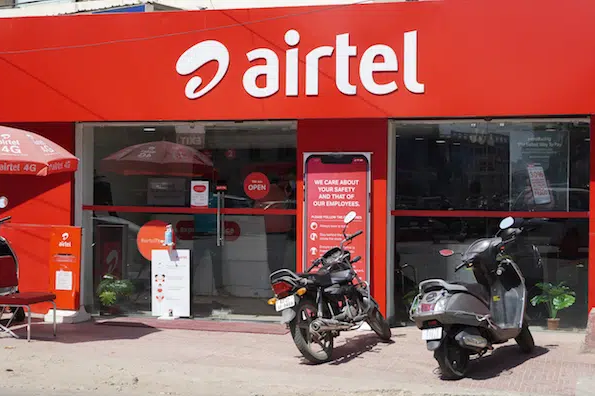
Airtel Nigeria has announced plans to establish the second international internet breakout of Nigeria designed to end the total reliance of the nation on Lagos as its gateway to the global web. This centralized architecture has made the national network vulnerable to localized infrastructure failures, such as fiber cuts or power outages in the Lagos corridor.Airtel, in partnership with the 2Africa submarine cable consortium, planned to route data through a new landing station in Kwa Ibo, Akwa Ibom State.The southern breakout point reduces latency and ensures that when Lagos sneezes, the rest of the country no longer catches a cold.The new project will utilize the 45,000km 2Africa cable, which is the world’s longest subsea system, to provide a secondary entry point for a faster and more resilient path for internet traffic in both the Northern and Southern regions. “This will create a faster and alternative path for large parts of the North and South and improve resilience for the entire ecosystem. Airtel is proud to take the lead in making this happen” – Dinesh Balsingh, CEO of Airtel Nigeria Meanwhile, Airtel is currently increasing its fiber-optic footprint by 25% across major cities in Nigeria and has already enabled 4G services on 99.99% of its 16,711 nationwide sites. The company has more than doubled its active 5G sites in the last quarter, to cover top 20 cities of the country and to support high-speed home broadband and enterprise services.Airtel also plans to integrate this subsea capacity with its Direct-to-Cell satellite partnership with Starlink to reach remote communities to provide a fail-safe network for over 179 million mobile subscribers.
NCC, CBN stop airtime sales in network glitches
The Nigerian Communications Commission (NCC) and the Central Bank of Nigeria (CBN) have introduced a draft regulatory framework requiring mobile network operators, banks, and payment merchants to suspend airtime and data sales during technical disruptions. The framework which was released in early February 2026, is targeted at eliminating the financial losses consumers face when they are debited for failed transactions.Data from 2025 revealed that approximately one in three of 170 million subscribers experience transaction failures, leading to frustration and unclear ownership of liability between banks and telecommunications firms. In January 2026 alone, the NCC reported that operators and banks had to refund over ₦10 billion to customers for failed recharges. The new framework seeks to institutionalize accountability and restore trust in the digital financial system.If a technical glitch or network downtime exceeds 10 minutes, all service providers and merchants must immediately block airtime and data purchases until the service is restored. The framework proposes a 30-second timeline for automatic refunds on failed transactions. This system-triggered reversal requires no manual intervention from the subscriber.Regulators will host a Central Monitoring Dashboard to track transaction failures and reversals across the entire value chain in real-time, enabling quick identification of Service Level Agreement (SLA) breaches.Dr. Aisha Isa-Olatinwo, Director of Consumer Protection and Financial Inclusion at the CBN, stated that the policy is a strategic tool to ensuring accountability; ”This development buttresses the need for the proposed framework to institutionalise clear accountability, standardise resolution timelines, and ensure a sustainable, coordinated approach to consumer redress across the financial and telecommunications ecosystems” The draft framework is currently open for public consultation. Stakeholders, including banks, payment service providers, and the general public, have until February 20, 2026, to submit their feedback to the CBN. Subject to final regulatory approvals and technical integration, the framework is tentatively scheduled to take full effect on March 1, 2026.