
Ekiti State is thriving to be a major hub for artificial intelligence (AI) and digital innovation in Nigeria, leveraging high literacy, government support, and homegrown tech talent to build a future-ready knowledge economy. Despite being one of Nigeria’s smaller states by size, Ekiti boasts the third-highest literacy rate in the country at 95.7%, a foundation that state leaders are keen to build on. With a renewed ICT policy focused on AI, the state aims to ensure its youth are equipped for the digital economy, including creating an AI model tailored for the Ekiti dialect, preserving local culture and language. The government has prioritized infrastructure upgrades, including expanding fibre-optic networks connecting government offices, universities, and schools, and pushing digital transformation such as paperless government operations. Yet, challenges remain with limited local connectivity and the need for more experienced AI developers. Local tech hubs like KinPlus, McKodev Tech Lab, and PurpleBee Technologies are key partners in this transformation. They provide hands-on training and develop AI tools like PurpleBee’s AI-powered school result management system currently used in 20 public schools. These hubs focus on “Afrocentric” tech solutions tailored to Nigeria’s unique context. Education reform starts young, with robotics and AI programs introduced from age seven, aiming to make Ekiti’s children globally competitive. The state also recognizes the need for ongoing teacher training to keep pace with emerging technologies. As Ekiti’s former Innovation Commissioner Seun Fakuade put it, AI is a powerful force shaping the future, and Ekiti is determined to not just participate, but lead, building a digital economy that reflects local strength and global potential.The journey is ongoing, but the foundation is strong and the vision clear.

Elon Musk accuses Apple of favoring OpenAI on App Store, threatens legal action
Elon Musk has accused Apple of giving special treatment to OpenAI on its App Store, claiming the iPhone maker’s ranking system unfairly blocks other AI apps, including his own, from reaching the top spot. Musk, who owns the X social network and the Grok AI chatbot, said Apple’s behaviour is “playing politics” and amounts to an antitrust violation. In a post on Tuesday, he vowed that his AI company, xAI Holdings, would take immediate legal action against Apple. OpenAI’s ChatGPT app currently holds the No. 1 spot among free iPhone apps in the US, while Musk’s Grok sits at No. 5. This ranking has fueled Musk’s claim that Apple is preventing fair competition in the global app discovery space. The dispute adds to Musk’s long-standing feud with OpenAI CEO Sam Altman. Altman dismissed Musk’s allegations and criticized Musk for allegedly manipulating the X platform for his own advantage. He said OpenAI remains focused on building great products. At Apple’s 2025 Worldwide Developers Conference in June, the company announced a stronger partnership with OpenAI alongside new AI features for its apps and devices. These include live translation in Messages, Phone, and FaceTime, and improved visual intelligence that analyzes images and text on iPhones. Apple’s deeper involvement with AI and OpenAI comes amid growing pressure to update Siri and stay competitive in the AI race. This clash marks Musk’s most high-profile confrontation involving AI and Big Tech since his public spat with former US President Donald Trump earlier this year.
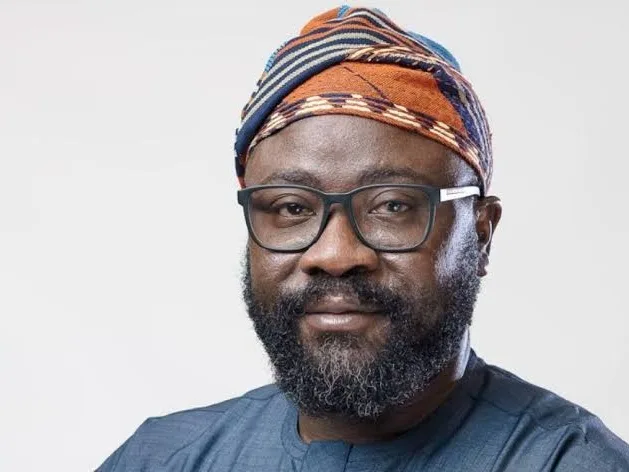
Nigeria to lead global AI innovation with right infrastructure, says Microsoft executive
Nigeria stands on the brink of becoming a global leader in artificial intelligence (AI), if it builds the right infrastructure and develops local talent, according to Mr. Abideen Yusuf, General Manager of Microsoft Nigeria and Ghana. Speaking in Lagos on Tuesday, Yusuf highlighted Nigeria’s growing tech ecosystem and youthful population as key strengths that could transform the country from a consumer of AI technology to a producer of world-class AI innovations. Yusuf emphasized AI’s massive potential for economic growth, with estimates projecting a $15 trillion impact on the global economy by 2030. He said the real economic benefits for Nigeria will come from making AI technology more accessible nationwide through investments in reliable power, data centres, and cloud infrastructure. Microsoft has already made progress in this area by building Africa’s first Microsoft data centres and edge nodes within Nigeria, enabling faster network speeds and better access to cloud services critical for scaling AI applications. Lagos, he noted, is already proving Nigeria’s innovation capabilities as a booming tech hub attracting startups and venture capital. But national progress depends on expanding digital infrastructure beyond the city and fostering strong public-private partnerships, including collaborations between government bodies and tech firms like Microsoft to unlock local data’s full potential. Equally important is developing a skilled workforce that can deploy and maintain AI technologies. With Africa expected to have 42% of the global youth population by 2030, Yusuf sees a demographic advantage for Nigeria’s digital transformation. He praised initiatives such as the Federal Ministry of Communications’ 3 Million Technical Talent program, which aims to create 2 million digital jobs, and Microsoft’s partnership with the Wootlab Foundation to deliver AI training. The Nigerian government has aligned with this vision by drafting a National Artificial Intelligence Strategy and forming the AI Collective, a group tasked with advancing AI research, projects, and inclusive policymaking. Recently, Nigeria also launched its own Large Language Model (LLM), tailored to low-resource languages and accented English, to boost AI development that better represents local languages and contexts. “With the right infrastructure and skilled people, Nigeria can become a global leader in AI innovation and use this technology to drive inclusive economic growth.” – Yusuf This push places Nigeria among the African countries racing to lead the AI frontier, marrying technology with local talent and infrastructure to harness AI’s promise for the continent’s future.

OpenAI, Sam Altman warns your chats with AI could be used in court
OpenAI boss, Sam Altman, has told users not to expect privacy protection if they share sensitive secrets with ChatGPT or any chatbots – it could all end up in court. Altman made the comments while speaking on a recent podcast of ‘This Past Weekend w/ Theo Von’ shared on YouTube, reportedly at OpenAI’s San Francisco office – saying many young people use ChatGPT to “talk about the most personal shit” like a therapist or life coach, asking for advice on relationships and personal struggles. But unlike real therapists, doctors, or lawyers, the conversations aren’t legally protected. If a lawsuit or police investigation digs into you, OpenAI might have to hand over what you said to the chatbot. “We haven’t figured that out yet for ChatGPT,” Altman said. “If you go talk to ChatGPT about your most sensitive stuff and then there’s like a lawsuit or whatever, we could be required to produce that. And I think that’s very screwed up,” he added. He believes chatbots should offer the same privacy as a human therapist, but for now, that’s not the law. The warning comes at a time when more Nigerians and young people around the world are turning to AI tools for advice, not just schoolwork or business. Altman also admitted that even deleted conversations might sometimes be recovered for legal or security reasons. He urged users to think twice before sharing private matters with AI chatbots until the law is clear. “I think it makes sense to really want the privacy clarity before you use it a lot like the legal clarity,” Altman explained. For now, anyone using ChatGPT for personal support should know: what you tell the bot isn’t fully private… Including Nigerians.
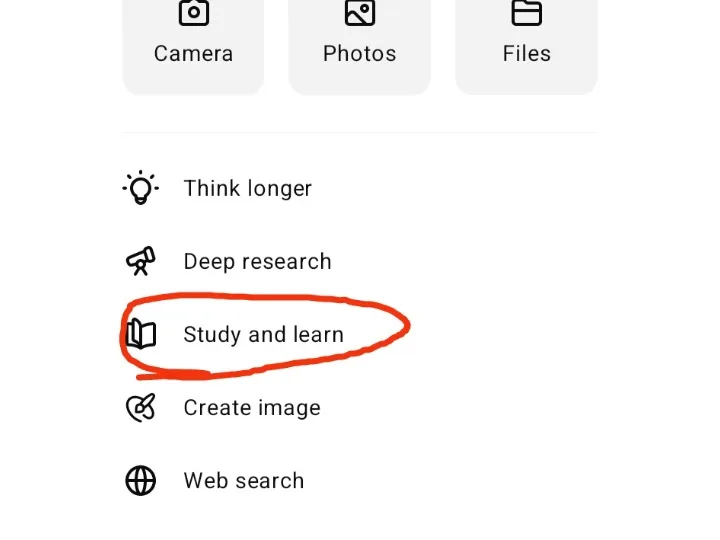
OpenAI rolls out study mode in ChatGPT to help students learn smarter
To tackle the problem of accumulating ‘cognitive debt’ from using AI, OpenAI has launched Study Mode in ChatGPT to help students think more deeply about questions and learn better, instead of just copying answers. The new ‘Study and Learn’ mode is now available for all ChatGPT users, including those on Free, Plus, Pro, and Team plans. OpenAI says the tool will reach ChatGPT Edu users in the coming weeks. This update comes after months of worries that AI is making it too easy for students to skip real learning by simply asking chatbots for answers. Unlike the usual ChatGPT experience, Study Mode guides students using prompts, hints, and questions that get them involved in the process. It won’t simply give the answer. Instead, it asks guiding questions, checks what the student already knows, and breaks big topics into smaller, easy-to-understand parts. The tool can also quiz students and give feedback as they go, aiming to build real understanding and critical thinking skills. OpenAI developed the study mode by teaming up with teachers, learning experts, and scientists. The system follows proven education methods, like active participation and Socratic questioning, to encourage deeper learning instead of shortcuts. “We’ve built study mode to help answer this question. It’s designed to engage students through guiding questions that match their skill level and learning goals, fostering curiosity and helping them build a deeper understanding of the subject matter,” OpenAI said in its announcement. Nigerian students can start using Study Mode today by choosing the “Study and learn” option in ChatGPT. They’ll get support not only for homework, but also for exam preparation and tough subjects. While students can still turn the mode off and get direct answers, OpenAI believes this feature is a strong step toward using AI as a learning partner, not just an answer machine. To activate Study Mode in ChatGPT, follow these simple steps: Features like Study Mode could shift the focus from just getting it done to actually learning. OpenAI says it will watch how people use the new tool and plans even more updates, including visual aids and more personalized support, after gathering more feedback from students and teachers.