
Gen AI Network (GAIN), a leading platform promoting artificial intelligence adoption among Nigerian youths, has announced the launch of Nigeria’s first-ever creative AI open competition titled ‘Prompt to Screen’. The competition, running from November 8 to December 13, 2025, aims to democratize AI creativity and foster collaboration among students, creators, and startups across the country.Open to everyone, Prompt to Screen features two main categories; Creative AI for storytelling and Creative AI for builders. Participants in the storytelling category will receive weekly themes to create AI-generated art, music, or videos, with winners declared each week until the grand finale. Meanwhile, builders, will develop AI-powered software solutions for creative media, with final winners announced at the conclusion of th competition. Michael Osumo, Program Manager at Instig Labs, emphasized the vision behind the program; We want AI creativity to become a shared resource, not a private advantage. The Prompt to Screen Competition brings together diverse talents to produce films with AI and learn through collaboration rather than isolation – Osumo The competition’s finale will feature a keynote speech by Paige Bailey, AI Developer Relations Engineering Lead at Google DeepMind, titled “AI and the Future of Storytelling”. Esteemed judges include multidisciplinary musician Hilda Edet (Hillz), Ejike Kanife, software engineer Olawale Ibitoye, AI strategist Amir Mušić, content specialist Odufa Oshiomah, and EbonyLife Group’s Group IT Head Oladayo Olufade.Chukwuerika Achum, Founder of Instig Labs, described these labs as cutting-edge R&D environments fueling Africa’s creative economy by providing free access to powerful AI tools previously out of reach for many. These labs make creative production accessible to students with just an idea and a laptop, removing traditional barriers like equipment costs and technical expertise – Achum He outlined the potential of Creative AI Labs, likening their impact to how Nollywood and Afrobeats turned cultural intellectual property into global exports. The Prompt to Screen competition and Creative AI Labs is set to unlock Nigerian youth’s potential to innovate and contribute to Africa’s emerging creative and digital economies.
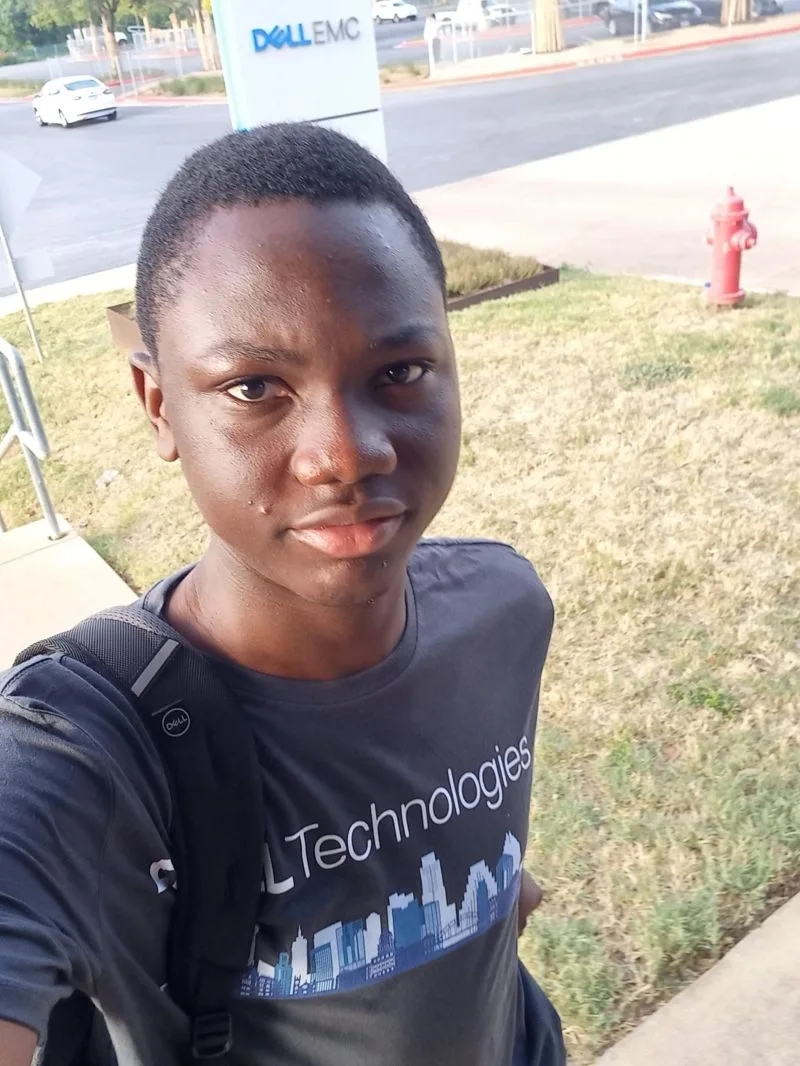
Nigerian duo builds viral AI job application app, gains late admission to Y Combinator
A dynamic Nigerian duo aged 21 and 22 have created an AI-powered mobile app that helps job seekers apply for positions by swiping, a concept that rapidly gained viral popularity in the United States. Despite applying to the prestigious Y Combinator accelerator program after the application deadline, they were accepted within hours, showing the strong promise of their innovation. The app simplifies job hunting by allowing users to swipe right on roles they like and left on those they don’t, leveraging artificial intelligence to match candidates with openings efficiently. Its intuitive design and user-friendly interface have resonated widely, especially in the US market. It signals a fresh approach to job applications amidst a competitive hiring landscape. According to Techpoint Africa, the pair began development with the goal of easing the application process, making it faster and less stressful for millions of job seekers who traditionally face cumbersome online forms. The app’s viral success in a mature job market like the US demonstrates the scalability of Nigerian tech ingenuity beyond local borders. The founders initially missed the official deadline to join Y Combinator’s latest batch but received a prompt acceptance shortly after submitting their late application. Y Combinator, Silicon Valley’s leading startup incubator, is known for backing startups with high growth potential, providing funding, mentorship, and global networks. This endorsement boosts the app’s visibility and resources, which can accelerate its development and expansion. For Nigeria and Africa’s growing tech ecosystem, this development underscores the rising global relevance of homegrown innovations. It also highlights Nigerian youths’ capacity to create solutions with international appeal, which can stimulate more investment in local startups while inspiring other young entrepreneurs.

Google expands AI app builder Opal to 15 countries, Nigeria yet to join
Google has rolled out its experimental AI app-building tool, Opal, to 15 additional countries as of October 2025, offering non-technical creators a simple way to build mini web apps using natural language prompts. However, Nigeria is notably absent from this expansion list. Originally launched in the United States in July 2025, Opal enables users to create, edit, and share AI-powered mini-applications without coding skills. Users describe the app they want, then Opal generates a functional prototype with editable visual workflows. The newly added countries include Canada, India, Japan, South Korea, Vietnam, Indonesia, Brazil, Singapore, Colombia, several Central American nations, Argentina, and Pakistan, according to Google’s official announcement. Megan Li, Senior Product Manager at Google Labs, expressed surprise at the sophistication of apps created by early adopters, stating, “We didn’t expect the surge of sophisticated, practical and highly creative Opal apps we got instead. The ingenuity of these early adopters made one thing clear: we need to get Opal into the hands of more creators globally”. Opal’s no-code approach, coupled with a visual editor that enables step-by-step debugging and customization, aims to democratize app development by supporting creators without technical backgrounds. Users can also publish their apps online and share them with others to test. The platform complements Google’s broader AI developer ecosystem, which includes offerings like Gemini Code Assist, an AI-powered coding assistant available in Nigeria that helps developers with code generation and review. Despite Nigeria’s vibrant and rapidly growing tech ecosystem – with over 500,000 developers and a strong focus on AI innovation – Opal has not yet been launched locally. This contrasts with Google’s recent investments in Nigeria, such as the “Build with AI” training program developed in partnership with GOMYCODE to empower 1,000 Nigerian developers with generative AI skills. For Nigeria, gaining access to tools like Opal could further accelerate digital innovation by enabling a broader segment of creators, startups, and enterprises to develop functional AI applications without deep programming expertise. The absence of Opal in Nigeria highlights the nuanced pace of global tech expansion and suggests a potential opportunity for Google to address local demand for accessible AI tools. As AI and no-code platforms gain traction worldwide, Nigeria’s tech community remains poised to adopt such innovations, bolstered by growing government and corporate support. Google’s Opal expansion marks a significant milestone in democratizing app creation, and a Nigerian launch would likely be met with enthusiasm from the nation’s burgeoning tech talent pool.
OpenAI and Jony Ive face technical challenges on secretive ‘screenless AI device’, launch delay likely
OpenAI and renowned designer Jony Ive are encountering big engineering and design hurdles in developing a groundbreaking screenless AI device, potentially delaying its planned launch beyond 2026. The device is described as a palm-sized, continuously listening assistant that understands audio and visual environmental cues without a traditional screen. The collaboration between OpenAI and Ive’s startup, acquired for $6.5 billion in May 2025, seeks to create a new generation of AI-powered computers. This pioneering gadget is designed to operate via cameras, microphones, and speakers, responding intuitively and building contextual memory over time. However, technical issues around software behavior, device “personality,” privacy safeguards, and backend computing capacity have proved unexpectedly complex. The key challenges include defining when and how the device should speak or interrupt users and ensuring privacy with continuous audio-visual sensing. OpenAI is also grappling with how to distribute the massive computing power required to serve millions of always-on devices without compromising performance or cost. Sources familiar with the project told the Financial Times and other outlets that OpenAI’s aim is to design a device that feels more like a “friend-like computer” rather than a quirky AI, setting it apart from existing assistants like Amazon’s Alexa, which require wake words for activation. The device’s continuous listening capability raises privacy concerns, as constant ambient sensing can be intrusive if not handled properly. Moreover, OpenAI faces budget and infrastructure constraints to support the immense data processing for the AI’s real-time contextual awareness, unlike tech giants Amazon and Google which have vast computing resources. This innovation is set to be carried or placed nearby rather than worn, differing from recent AI gadgets like the Humane AI Pin. The original plan targeted a late 2026 release, but sources suggest delays could push this timeline further due to unresolved critical issues.

SEC Warns Nigerians of AI-Generated Fake Celebrity Endorsements in Investment Scams
The Securities and Exchange Commission (SEC) of Nigeria has issued a strong warning about a rising wave of artificial intelligence (AI)-driven scams wherein fraudsters are fabricating celebrity endorsements to lure investors into fraudulent schemes. These AI-manipulated endorsements, including deepfake videos of well-known politicians, celebrities, and TV personalities, are being widely circulated on social media platforms, including Facebook, Instagram, and Telegram, threatening unsuspecting Nigerians with false promises of guaranteed returns. On Monday, September 29, 2025, the SEC alerted the public to remain vigilant against illegal investment platforms such as CBEX, Silverkuun, and TOFRO, which falsely advertise AI-powered trading systems promising unrealistic profits but operate without regulatory approval or registration. The Commission emphasized that these platforms are not regulated by the SEC and carry significant investment risks. “Scammers are exploiting AI to fabricate endorsements and testimonials that appear genuine. This has made traditional fraud detection methods less effective, hence the need for tech-enabled regulation and greater public awareness,” stated a representative of the SEC. In addition to ramping up surveillance systems that use advanced technology to detect fraudulent activities in real time, the SEC is working closely with the Central Bank of Nigeria and the Nigerian Financial Intelligence Unit for data sharing and coordinated enforcement actions. The Commission has also engaged social media companies to remove misleading advertisements and cautioned influencers about collaborating with or promoting unlicensed investment schemes. “Any influencer or blogger found complicit in promoting illegal platforms will face regulatory sanctions or prosecution,” the SEC warned.

Apple tests ChatGPT-like app following delayed Siri AI revamp for 2026
Apple is preparing a major overhaul of its Siri voice assistant, targeting a launch in 2026 as part of an iOS 26.4 update. The revamp will leverage advanced artificial intelligence and large language models to enable Siri to hold continuous, human-like conversations and perform more complex tasks across Apple devices. This ambitious upgrade follows delays due to engineering challenges and marks a pivotal shift in Apple’s AI strategy. According to reports, Apple has developed an internal ChatGPT-like app codenamed “Veritas” to test and refine the new Siri features ahead of launch in 2026. Moreso, Apple is expanding its AI development approach by partnering with major AI companies. The company is in talks with Google to integrate a custom-made version of Google’s Gemini AI model for summarization and web content processing. Apple has also explored talks with Anthropic to use their Claude model for planning functions but has favored Google’s offering due to cost and strategic considerations. Apple plans a three-component architecture for the new Siri: a planner to interpret user input, a search system to comb through the internet and personal devices, and a summarizer to produce final answers. While third-party AI will assist with web searches, Apple will retain exclusive control over processing personal data to uphold privacy standards. The company delayed the original Siri revamp planned for iOS 18 and now aims for a relaunch, responding to growing competitive pressure from rivals like Google Assistant and Amazon Alexa, which have added more sophisticated generative AI capabilities.