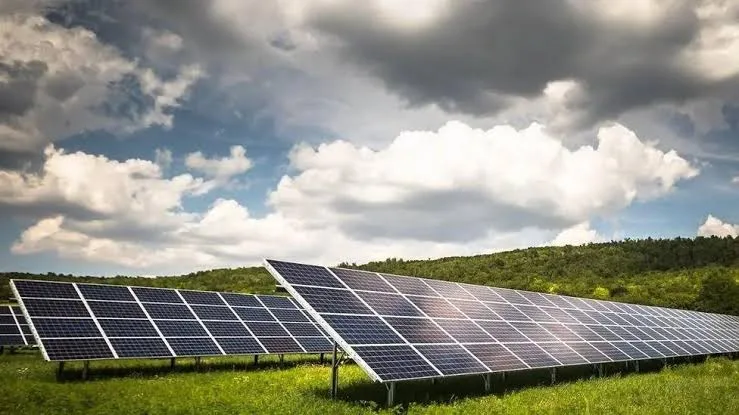
Solar energy is projected to become the world’s largest source of electricity by 2035, overtaking coal, oil, and natural gas, according to a new report by BloombergNEF. The report says falling solar costs and rising global electricity demand are pushing the transition toward renewable energy. However, it also warns that the expansion of artificial intelligence and data centers could keep fossil fuels relevant for decades because of their ability to provide continuous power. BloombergNEF said solar growth is being driven primarily by economics rather than government policy, with solar technology becoming affordable due to large-scale manufacturing and industrial support, particularly from China. Countries like Pakistan are already responding to energy market pressures, adding 25 gigawatts of solar power over the past two years after natural gas prices increased following Russia’s invasion of Ukraine. At the same time, electricity demand is rising due to AI systems, electric vehicles, industrial electrification, and the expansion of data centers. BloombergNEF estimates that data centers alone could drive demand for an additional 1 terawatt of utility-scale solar power, alongside major increases in natural gas and coal generation. The report forecasts that natural gas and coal could still supply 51% of additional electricity generation for data centers by 2050, despite renewable energy growth. “Tech companies and data center developers will have an outsized influence over which energy sources remain viable by mid-century” – The report Experts believe that falling solar prices and improved battery storage are making clean energy more economically competitive than fossil fuels. While others in the energy industry argue that renewable sources alone may not yet provide the reliable, around-the-clock electricity required for AI infrastructure and large-scale data centers. As a result, many operators continue to rely on natural gas and coal for stable power generation. Companies including Google are also investing in long-duration batteries and alternative energy systems to reduce fossil fuel dependence. Meanwhile, firms such as Fervo Energy and X-energy are promoting geothermal and nuclear solutions for future energy needs. BloombergNEF estimated that solar costs may fall another 30% by 2035, thereby strengthening its market position. BloombergNEF said energy independence could improve as countries expand renewable energy production and reduce reliance on imported fuels. According to the report, energy competition may likely increase on which technologies can provide both affordability and reliable electricity for fast-growing AI infrastructure. Renewable energy demand gains momentum in Africa Across Africa, the global transition toward solar energy carries major implications for electricity access, industrial growth, and digital development. Many African countries continue to face unstable power supply, rising fuel import costs, and increasing electricity demand driven by population growth and expanding digital infrastructure. Countries such as Nigeria, South Africa, Kenya, and Egypt are increasing investments in solar and renewable energy projects as governments seek alternatives to expensive fossil fuel generation and unreliable national grids. Africa’s growing fintech ecosystem, telecom networks, data centers, and AI-driven services are also increasing pressure on electricity infrastructure. According to experts renewable energy could become essential for supporting the ever expanding digital economy of the continent. They believe Africa possesses some of the world’s highest solar energy potential, yet millions of people across the continent still lack reliable electricity access. As solar technology becomes cheaper globally, African countries may likely adopt decentralized solar systems, mini-grids, and battery storage projects to improve power supply in underserved communities.
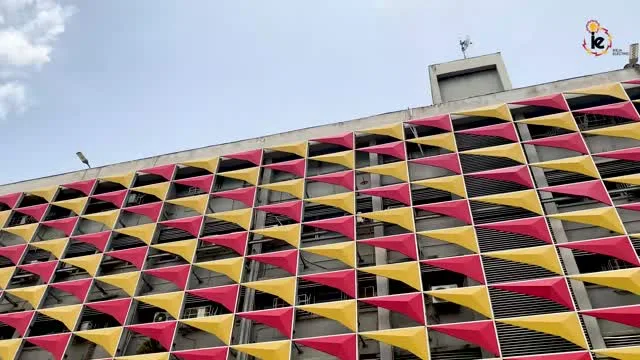
Lagos retains IKEDC and EKEDC as licensed DisCos amid power sector shake-up
Lagos State has confirmed the continued licensing of Ikeja Electric Distribution Company (IKEDC) and Eko Electric Distribution Company (EKEDC) as the official electricity distributors serving the region, solidifying their position amid ongoing power sector reforms in Nigeria. The Ministry of Energy, confirming the licenses this week, emphasised the crucial role both IKEDC and EKEDC play in ensuring reliable electricity supply to Lagos, Nigeria’s commercial hub and most populous state. This decision follows recent reviews of the distribution company (DisCo) operations across Nigeria to boost efficiency and service delivery. IKEDC and EKEDC are responsible for power distribution to Lagos’s millions of residents and businesses, handling a consumer base that represents one of the largest electricity markets in Africa. Lagos’s dense population, economic activities, and rapid urbanisation have made consistent electricity supply a top priority for state authorities. According to the Nigerian Electricity Regulatory Commission (NERC), these two DisCos collectively serve over 5 million customers, covering roughly 90% of the state’s power consumers. Energy experts have welcomed the move, noting that maintaining licensed, experienced DisCos is vital to improving service standards. Dr. Ayo Adekunle, an energy analyst based in Lagos, told Daily Tech Nigeria, “The decision to keep IKEDC and EKEDC licensed reflects confidence in their continued ability to manage complex urban power distribution. However, ongoing infrastructure upgrades and customer service improvements are needed to meet Lagosians’ growing energy demands.” This license confirmation coincides with the Federal Government’s broader power sector reforms aimed at addressing distribution inefficiencies, reducing technical losses, and tackling revenue collection challenges that have long plagued Nigeria’s electricity market. IKEDC and EKEDC have both announced recent initiatives to deploy smart meters and enhance grid infrastructure, signaling alignment with national efforts to modernise electricity distribution. For Nigerians and businesses in Lagos, the licensing stability offers some assurance amid concerns over erratic power supply, frequent outages, and escalating electricity tariffs. As Nigeria’s economy increasingly depends on reliable power, effective distribution will continue to shape productivity and living standards.
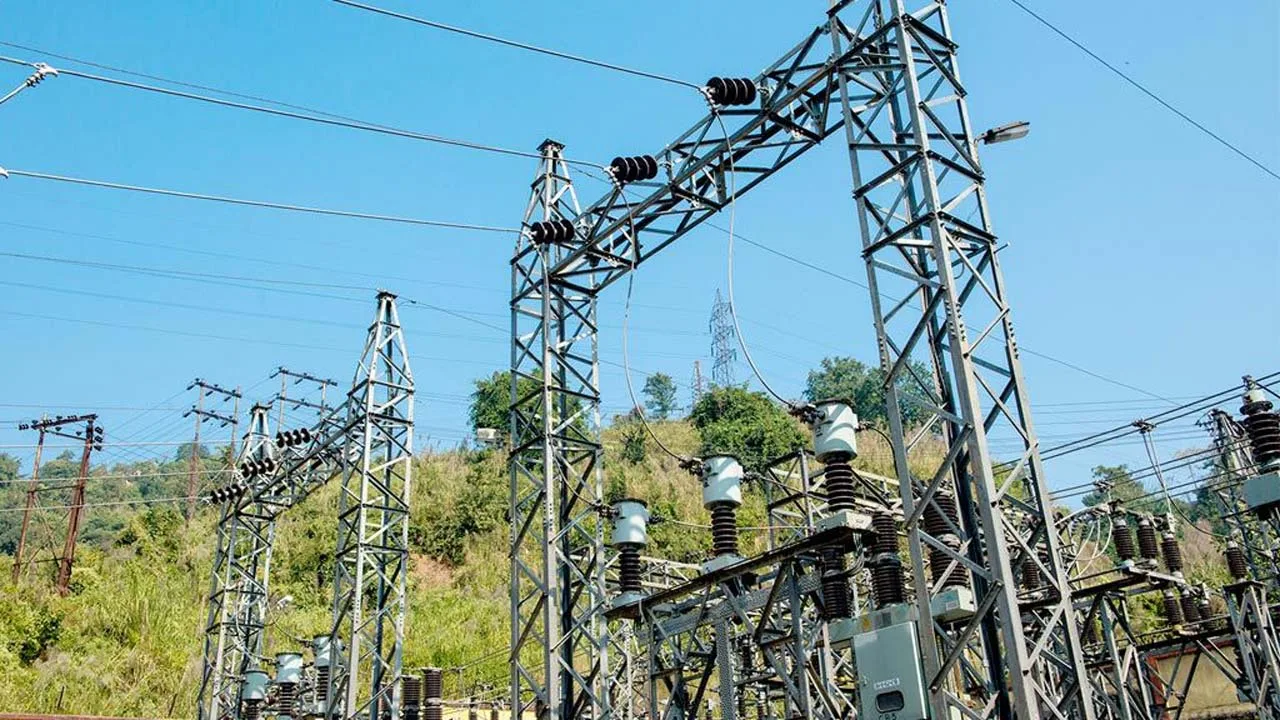
Update Electricity Act 2023: Poor Nigerians, schools, hospitals to receive tariff relief
The Nigerian Electricity Regulatory Commission (NERC) has announced a significant tariff relief package under the Electricity Act 2023, aimed at easing the financial burden of electricity costs on poor Nigerians and critical institutions such as schools and hospitals. This development was revealed by NERC’s new Chairman, Abdullahi Ramat, in Kano during a meeting with the Aminu Kano Teaching Hospital leadership on October 2, 2025. The relief package is part of the Power Consumer Assistance Fund (PCAF), a support mechanism enshrined in the Electricity Act designed to cushion vulnerable electricity consumers from rising tariffs. The fund will be sourced from both the Federal Government’s budget – approved through the National Assembly – and contributions from wealthier electricity users, including large industries. NERC will manage the fund, determining eligibility and subsidy distribution based on policy guidelines from the Minister of Power. According to Chairman Ramat, PCAF will provide tangible support to low-income households, schools, and hospitals, who have been disproportionately affected by recent tariff increases. This fund will help defray electricity bills by subsidizing consumption, with proposals for a minimum monthly subsidy of around N5,000 per eligible consumer, roughly equivalent to 25 kilowatt-hours of power usage.
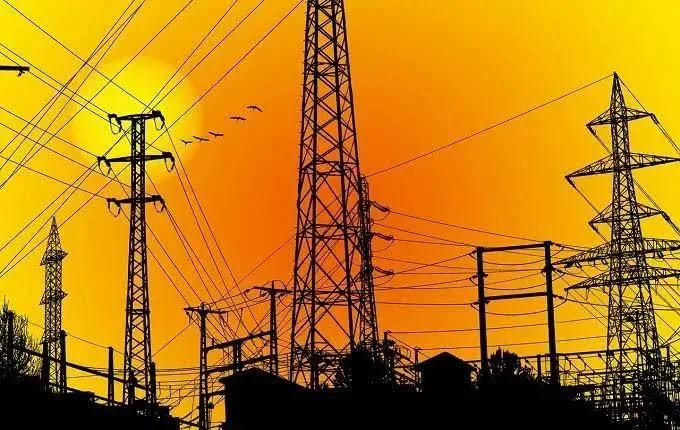
TCN confirms Kaduna tower collapse caused by severe weather and vandalism
The Transmission Company of Nigeria (TCN) confirmed the fall of a key transmission tower in Kaduna State on September 18, attributing the damage to intense weather conditions coupled with deliberate sabotage. Tower No. 7 along the Kaduna Town Line I and II in Rigasa Community came down following a heavy downpour accompanied by gusty winds. An investigation revealed that crucial structural parts had been removed by vandals, severely compromising the tower’s stability. Ndidi Mbah, TCN’s General Manager of Public Affairs, explained in a Saturday statement that the incident disrupted power supply to several distribution points, especially within Kaduna South. In response, the company has launched emergency operations aimed at reducing the blackout’s impact. Collaborating with Kaduna Electricity Distribution Company (KAEDCO), TCN recommended linking the 33kV Mogadishu feeder with the 33kV Abakwa feeder to maintain electricity flow to affected neighborhoods. Nevertheless, certain districts such as Kinkinau, Yan Tukwane, and Kaduna North continue to enjoy uninterrupted service. Technicians have mobilized to the site and are in the process of dismantling the remains of the damaged tower. Plans are progressing to construct a replacement structure as swiftly and safely as possible, reassuring residents of a prompt restoration. TCN reiterated its dedication to protecting its assets and urged local communities to report any suspicious actions near power installations.

Solar energy emerges as Nigeria’s most cost-effective power solution, says REA boss
The Managing Director of Nigeria’s Rural Electrification Agency (REA), Abba Aliyu, declared on August 25, 2025, that solar power stands out as the most economically feasible energy model for the country’s rural and underserved communities. Speaking on Channels Television, Aliyu emphasized explorations of other renewable energy methods, stating solar’s leading role.Aliyu outlined that the agency is actively considering various energy solutions, including wind and biomass. However, solar energy has proven to be the most cost-effective at present. Biomass projects were paused due to high tariffs linked to expensive processing and transportation logistics. Meanwhile, recent collaboration with the Nigerian Wind Energy Council aims to develop economically viable small wind infrastructures within allowed tariff limits. The solar program’s success is evident in its extensive deployment of mini-grids and interconnected systems, which power schools, hospitals, and rural businesses.Of particular interest is the tariff disparity in rural areas, some communities pay higher electricity rates than urban Band A customers, stating the high infrastructure costs incurred by the agency in remote locations. These tariffs range from around N250 to N280 per kilowatt-hour, compared to Band A’s rate of N209.50. Despite the higher fees, many rural residents willingly purchase tokens via mobile phones to sustain their reliable electricity access, showing the value they place on stable power supply.Solar power remains at the forefront of rural electrification strategies, driving economic growth and improved quality of life in remote communities, as Nigeria pushes forward with its energy transformation agenda. The REA’s endeavors are set to provide a more sustainable and inclusive power future for Nigeria, with continued efforts to diversify energy resources and manage tariffs.
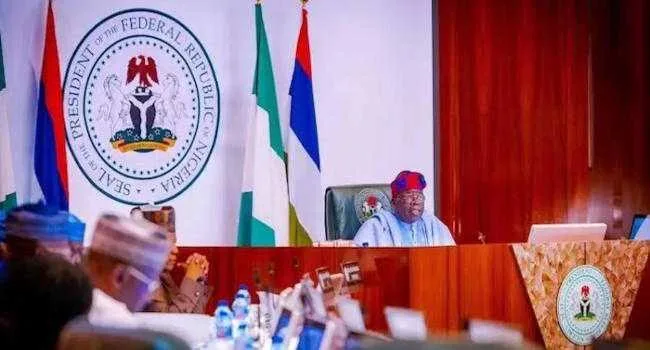
FG approves N68.7 billion for solar power in Nigerian universities, hospitals, and arms
The Federal Executive Council has given the green light to a major N68.7 billion investment that will bring solar electricity to universities, teaching hospitals, and rural agricultural centres across Nigeria. This move is part of the Ministry of Power’s wider N200 billion energising plan, which aims to solve Nigeria’s power problems, especially in areas critical to education, healthcare, and farming. Minister of Power, Adebayo Adelabu, announced the decision after an FEC meeting led by President Bola Tinubu on Thursday in Abuja. The first phase of this funding will cover engineering, procurement, and construction of solar mini grids for key institutions. According to the Ministry, “The projects reflect the government’s resolve to ensure steady electricity supply in vital sectors like health and education,” as reported by the News Agency of Nigeria. Beneficiaries in this round include some of Nigeria’s prominent schools and health centres: University of Lagos, Ahmadu Bello University Zaria, Obafemi Awolowo University Ile-Ife, University of Nigeria Nsukka, University of Calabar, University of Ibadan and its teaching hospital (UCH), and the Federal University in Wukari, Taraba State. The Ministry says these projects should be completed within seven to nine months. Past projects at places like the University of Abuja, Nigerian Defence Academy, and Usmanu Danfodiyo University are already delivering results. While this first phase targets universities and hospitals, the broader N200 billion plan will also roll out solar power to Agricultural Centres of Excellence and rural farming clusters nationwide. The aim is to help micro and small agro-businesses in less-served communities get reliable electricity to boost productivity and cut costs. Minister Adelabu explained that “the solar programme is not just about electricity supply but also about driving inclusive economic growth and unlocking productivity in rural areas.” The government has put the Rural Electrification Agency in charge of the programme under the Renewed Hope Infrastructure Development Initiative.