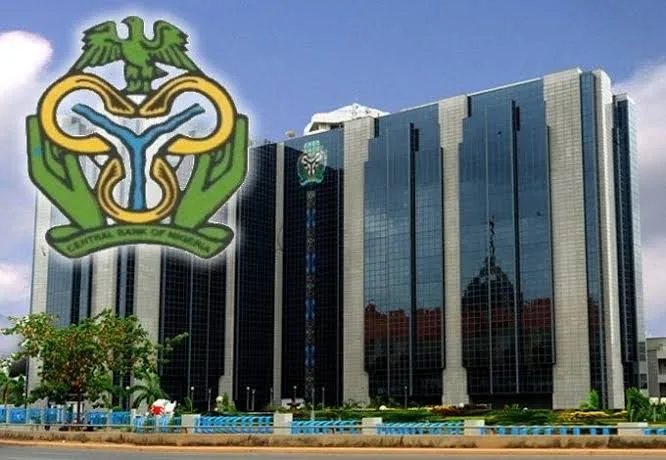
The Central Bank of Nigeria’s (CBN) latest Inflation Expectation Survey reveals that soaring energy costs are the primary cause of rising inflation in Nigeria, according to over 90% of surveyed firms. The May 2025 survey highlights that expenses on fuel, diesel, and electricity top the list of inflation drivers, highlighting persistent structural challenges in the country’s energy sector. Despite the CBN’s tight monetary policy, with the Monetary Policy Rate (MPR) at 27.5%, inflationary pressures remain largely fueled by supply-side factors beyond the reach of interest rate adjustments. Following energy costs, firms identified exchange rate volatility (88.5%) and transportation expenses (87.2%) as key contributors to inflation. High interest rates were also cited by 85.5% of respondents as a significant factor, suggesting that monetary tightening may be increasing operational costs for businesses reliant on credit. Other notable inflation drivers include insecurity (84.7%), rising raw material costs (78.3%), and infrastructural deficits (75.0%). Households similarly ranked transportation and exchange rates just behind energy as major inflation pressures. The survey also found growing concern about inflation’s impact, with 75.3% of respondents describing current inflation as high, up from 70% in April. Households earning between N30,001 and N100,000 felt inflation most acutely, with nearly 83% reporting high inflation. Both urban and rural dwellers expressed similar concerns. 43.1% of households and 29.7% of businesses expect inflation to rise in June, while a majority anticipate increased living and operational costs. Reflecting this, nearly 69% of respondents called on the CBN to reduce interest rates to ease financial pressures. The National Bureau of Statistics reported a slight easing of inflation to 23.71% in April 2025 from 24.23% in March, but the CBN’s findings emphasize that Nigeria’s inflation is driven mainly by cost-push factors linked to energy, currency, and transport challenges.

JPMorgan to accept crypto-linked ETFs as loan collateral, signaling growing institutional support for digital assets
JPMorgan Chase & Co., the largest U.S. bank, has announced it will allow its trading and wealth-management clients to use certain cryptocurrency-backed assets as collateral for loans. Starting with BlackRock’s iShares Bitcoin Trust (IBIT), a leading Bitcoin exchange-traded fund (ETF), JPMorgan plans to expand this offering to include additional crypto-linked ETFs over time. This policy formalizes what had previously been handled on a limited, case-by-case basis and applies globally to all client types, from individual retail investors to major institutional traders. Beyond loan collateral, JPMorgan will also begin factoring cryptocurrency holdings into clients’ overall net worth and liquid asset calculations. The bank will treat these digital assets similarly to traditional assets like stocks, luxury vehicles, or fine art when assessing loan eligibility. Since the introduction of spot Bitcoin ETFs in January 2024, the market has seen remarkable growth. These funds now manage a combined $128 billion in assets, marking one of the most successful ETF launches in history. Bitcoin itself reached an all-time high of $111,980 in May 2025, highlighting strong institutional demand. While JPMorgan continues to embrace blockchain technology and digital assets, CEO Jamie Dimon remains publicly cautious about Bitcoin. At the bank’s recent investor day, Dimon stated, “I’m not a fan of Bitcoin,” but emphasized client choice: “I defend your right to buy Bitcoin, go at it.” In related news, JPMorgan is seeking a merchant banking license from the Central Bank of Nigeria to convert its Lagos representative office into a fully operational branch. This move will allow the bank to expand its services in Nigeria, including offering dollar-denominated loans tailored for large corporations. Managed by Dayo Olagunju, head of West Africa, this expansion signals JPMorgan’s commitment to strengthening its presence in the African market.
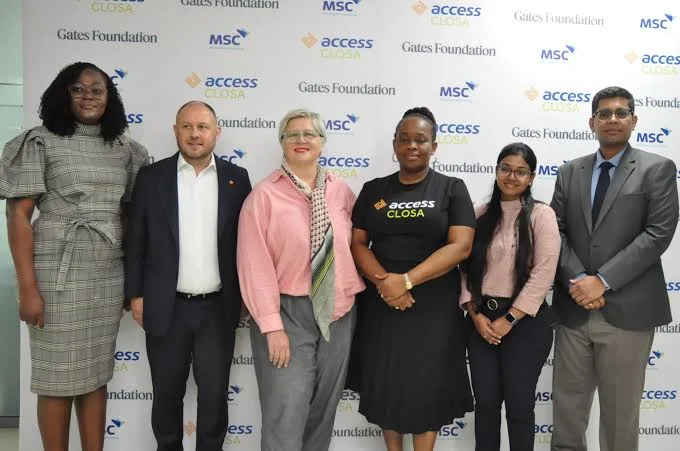
Access Bank, Gates Foundation, and MSC launch initiative to empower 50,000 female CICO agents in Nigeria
Access Bank Plc, in partnership with the Gates Foundation and MicroSave Consulting (MSC), has announced a new initiative aimed at empowering 50,000 female Cash In and Cash Out (CICO) agents across Nigeria. The program, known as Scaling Female Agent Networks in Nigeria (SFAN), seeks to boost women’s participation in agency banking by providing training, financial support, and digital tools. The three-year project will focus on rural and underserved areas, particularly in Northern and Central Nigeria, where access to financial services remains limited. By empowering women as agents, the initiative aims to deepen financial inclusion and enable more Nigerians to access banking services conveniently. “Agent networks are critical to improving financial inclusion in any country,” said Akshat Pathak, Associate Partner at MSC. “Female agents, in particular, play a vital role in empowering female consumers, who often feel more confident interacting with women for both transactions and financial advice.” Access Bank’s Senior Retail Advisor, Robert Giles, emphasized the bank’s commitment to sustainable banking and long-term impact. “Our projects are designed for the long term. We want to deliver better outcomes for our agents, who are also our customers,” Giles said. Chizoba Iheme, Group Head of Agency Banking and Financial Inclusion at Access Bank, highlighted that the bank will support agents with loans and training. “We aim to impact 50,000 female CICO agents by empowering them to perform more transactions and by gathering gender-disaggregated data to better understand their behavior,” she explained. The program also addresses challenges such as energy constraints in rural areas by partnering with a solar company to support agents in off-grid communities. Funded by the Gates Foundation, the initiative will include advisory and monitoring roles to ensure its success and sustainability. This partnership builds on Access Bank’s long-standing efforts to support women, dating back to 2013 with its Beta Proposition program, which currently maintains over 70% female participation in its Beta Friends workforce. The Scaling Female Agent Networks in Nigeria initiative represents a significant step toward financial inclusion, empowering women to become key players in Nigeria’s growing agency banking sector.
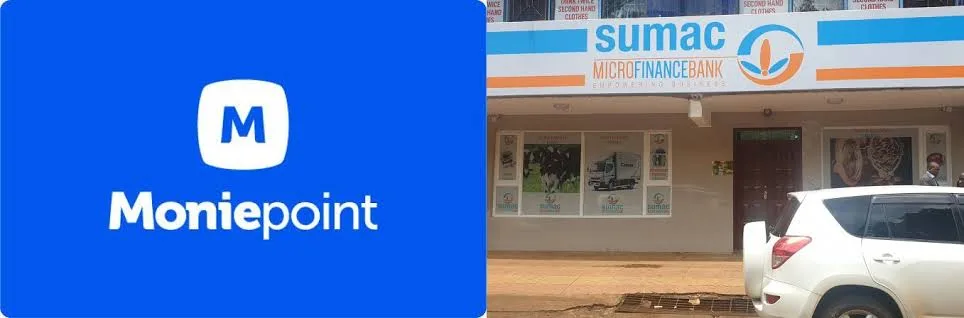
Moniepoint secures regulatory approval to acquire 78% stake in Kenya’s Sumac Microfinance Bank
Nigerian fintech giant Moniepoint Inc. has received the green light from the Competition Authority of Kenya (CAK) to acquire a 78% stake in Sumac Microfinance Bank Limited, marking the company’s first major entry into Kenya’s financial services sector. The CAK’s unconditional approval follows a thorough review, which found that the acquisition would not harm competition or public interest in Kenya’s microfinance industry. Moniepoint, a U.S.-registered fintech operating primarily through its Nigerian subsidiary, will gain immediate access to Sumac, a licensed deposit-taking microfinance bank founded in 2002. Sumac offers services including lending, deposit-taking, leasing, insurance agency, money transfers, and forex trading. Sumac is classified as a medium-sized microfinance bank with a 4.3% market share, below the 5% threshold for large players in Kenya’s microfinance banking market, which is dominated by five large institutions holding nearly 84% of the market. The CAK noted that Moniepoint currently has no operations in Kenya, so the acquisition will not lead to market dominance or reduce competition. Importantly, the CAK confirmed that the transaction will not result in any job losses, with all existing Sumac employees retained under current terms. The deal is also expected to have no negative impact on small and medium enterprises (SMEs) or the broader financial ecosystem. Moniepoint’s acquisition of Sumac follows a previous unsuccessful bid to acquire Kenyan payments firm KopoKopo. This new deal offers Moniepoint a strategic foothold in one of East Africa’s most dynamic financial markets, enabling it to scale its digital payment and banking services to Kenya’s large mobile-first consumer base. The transaction is pending final approval from the Central Bank of Kenya, which oversees licensed financial institutions. Sumac currently manages over 43,000 active loan accounts and holds assets valued at approximately $23 million (KES 3 billion). The acquisition is expected to bring increased capital, innovation, and technology infrastructure to Sumac, enhancing its capacity to serve Kenyan consumers and SMEs. Moniepoint, founded in 2015 and valued at over $1 billion following recent funding rounds, aims to leverage this acquisition to deepen its presence in East Africa and accelerate financial inclusion through digital solutions.

Unity Bank partners AfriGo to boost electronic payment access across Nigeria
Unity Bank Plc has announced a strategic partnership with AfriGo, a domestic card scheme, to enhance electronic payment adoption and deepen financial inclusion across Nigeria. The collaboration aims to increase the use of AfriGo cards among Unity Bank’s retail customers, positioning the card as a key local payment solution. Speaking at a recent meeting in Lagos, Unity Bank’s Managing Director/CEO, Ebenezer Kolawole, emphasized the bank’s commitment to making the AfriGo Card a primary delivery channel. “As a national domestic card scheme, AfriGo deserves to be promoted as a local solution with significant potential to redefine Nigeria’s card payment landscape,” Kolawole said. He also pledged ongoing support for the card’s adoption and encouraged AfriGo to intensify awareness campaigns to boost market acceptance. AfriGo’s Managing Director, Ebehijie Momoh, praised Unity Bank as one of the top five adopters of the AfriGo card, highlighting the partnership’s role in expanding financial inclusion and improving access to electronic payments. Momoh noted AfriGo’s innovations, including instant payment technologies and offline capabilities, which enable broader access to e-payment services, especially in underserved communities. He also cited the success of contactless payment solutions like Tap & Go in enhancing convenience for users. This partnership builds on Unity Bank’s strong track record of digital innovation. The bank pioneered USSD banking (*7799#) in local languages to reach rural and semi-urban populations, launched Unifi, a youth-focused digital banking platform, and recently introduced GenFi, a gamified mobile banking app designed to teach children and teenagers smart money habits. AfriGo itself is a homegrown card scheme developed in collaboration with the Central Bank of Nigeria and the Nigeria Inter-Bank Settlement System (NIBSS). It offers Nigerians an affordable, secure, and locally tailored alternative to international card schemes, with features such as chip-and-PIN security, seamless ATM and POS payments, 24/7 fund access, and reward programs. The card targets a broad demographic, including students, market traders, artisans, and small business owners, supporting the nation’s drive toward a cashless economy. Together, Unity Bank and AfriGo aim to leverage their combined networks and innovations to accelerate the adoption of electronic payments, promote financial inclusion, and contribute to Nigeria’s digital economy growth.

Access Holdings appoints Akinyemi Odusolu as independent non-executive director of Access Bank Plc
Access Holdings Plc has announced the appointment of Mr. Akinyemi Odusolu as an Independent Non-Executive Director of its subsidiary, Access Bank Plc, effective May 2, 2025. The appointment, which received approval from the Central Bank of Nigeria (CBN), is part of the bank’s strategic effort to enhance its governance and technological capabilities. In a statement signed by the Company Secretary, Sunday Ekwochi, Access Holdings highlighted that Mr. Odusolu’s extensive expertise in financial services and IT consulting will support the bank’s continued growth, particularly in digital transformation and financial strategy. Paul Usoro (SAN), Chairman of Access Bank Plc, welcomed Odusolu to the board, emphasizing the importance of his global experience and diverse perspective in strengthening the institution’s governance framework. “We are confident that his expertise will further strengthen our governance structure and contribute meaningfully to the continued growth and resilience of the Access Bank,” Usoro said. Mr. Odusolu brings over 30 years of experience, blending financial acumen with technology-driven solutions. He currently leads Pacific Realm Limited, a software engineering and consulting firm serving clients across Europe. His previous roles include pioneering leadership as the Managing Director and CEO of Cornerstone Financial Services and significant contributions at Guaranty Trust Bank Plc and Habib Nigeria Bank Limited. His academic credentials include a Bachelor of Science in Microbiology from the University of Ife and an MBA from the University of Lagos, complemented by certifications in Oracle e-Business Suite and executive programs at top business schools. This appointment follows the recent onboarding of Mrs. Ibironke Adeyemi as an Independent Non-Executive Director, reinforcing Access Holdings’ commitment to board diversity and expertise. Access Bank Plc aims to bolster its governance, technological innovation, and financial strategy, positioning itself for sustainable growth in Nigeria’s competitive banking sector.