
The Lagos State Government has unveiled a comprehensive initiative targeting a 50% annual reduction in slum settlements across the state through extensive urban regeneration and infrastructure upgrades. The move aims to improve living conditions, enhance infrastructure, and foster sustainable development in some of Lagos’s most challenged communities. Speaking at a ministerial press briefing in Ikeja, Dr. Olajide Babatunde, Special Adviser to the Governor on e-GIS and Urban Development, detailed the government’s progress. “Our urban regeneration efforts, led by the Lagos State Urban Renewal Authority (LASURA), have resulted in the upgrading of 36 roads across key local government areas including Somolu, Bariga, Surulere, and Ifelodun,” he said. “We are also implementing comprehensive drainage solutions and water reticulation projects to support these communities.” The regeneration program targets nine major slum communities identified as grossly deficient in essential facilities. These include Ilasan Housing Estate, Ikota Housing Estate, Adeniji-Adele Housing Estate, Makoko, parts of Shomolu/Bariga, Ifelodun/Ijora-Badia, Obalende, Isale-Eko, and Ebute-Ero. The initiative is part of the broader Lagos State Development Plan (2015-2025) and the T.H.E.M.E.S. Agenda, which envisions a sustainable and smart megacity. Mrs. Ajibike Shomade, General Manager of LASURA, emphasized the legal backing for the project: “The Lagos Urban Regional Planning and Development Law empowers LASURA to prepare and implement improvement plans aimed at rehabilitating and upgrading blighted communities to ensure provision of infrastructural facilities and amenities.” One of the flagship projects is the regeneration of the Otumara slum in Ebute Meta. LASURA has engaged residents directly in the planning process to ensure inclusive development. Olajide Abiodun, Special Adviser on Urban Development, assured affected residents of fair compensation and urged them to regularize land documents to benefit fully from the redevelopment. The government’s approach balances upgrading existing structures with necessary clearance of dilapidated buildings, aiming to create vibrant, safe, and economically viable neighborhoods. Dr. Babatunde added, “Additional urban renewal efforts are underway in areas such as Lakowe Phase II, Adeniji Adele Low-cost Housing Estate, Jakande Estate, Ilasan, Lekki, Ipodo-Olowu, Ikeja, and informal communities across Ajegunle, Alimosho, Agege, and Ajeromi-Ifelodun.” Commissioner for Information, Gbenga Omotosho, reassured Lagosians that the plan prioritizes improving living standards rather than displacing residents. “We are committed to building new houses, schools, and health centers to make these communities more comfortable and sustainable,” he said. The urban renewal drive also includes upgrading drainage systems to mitigate flooding, road rehabilitation to improve accessibility, and water projects to enhance sanitation. These infrastructure improvements are expected to stimulate local economies and improve residents’ quality of life. This ambitious project aligns with Lagos State’s vision to reduce slum prevalence by 5% annually and transform informal settlements into well-planned urban communities. It also addresses long-standing challenges such as overcrowding, poor sanitation, insecurity, and inadequate social amenities. Residents and developers are encouraged to liaise with LASURA to ensure their activities align with the state’s urban renewal objectives. The agency has invited town planning professionals to participate in consultancy roles to guide the regeneration projects. As Lagos continues its rapid urbanization, this phased approach to slum upgrading represents a critical step toward inclusive and sustainable city development.

Govt to deploy 80% of 7,000 new telecom towers in Northern Nigeria to bridge connectivity gap
The Nigerian Federal Government has announced a major initiative to deploy 7,000 new telecommunications towers nationwide, with a strategic allocation of 80% of these towers to Northern Nigeria. This move aims to address the region’s significant connectivity deficit and support the country’s broader digital transformation and 5G rollout plans. The Federal Executive Council approved the project in March 2025, with the formal rollout scheduled to begin in the fourth quarter of the year. The first tower installation is set for a rural community in Abuja next week, targeting an area of about 5,000 people where insecurity has exacerbated connectivity challenges. Unlike traditional telecom masts, these new towers will serve as digital hubs, delivering internet access not only to residents but also to schools, hospitals, and local government offices, maximizing their community impact. Minister of Communications, Innovation and Digital Economy, Dr. Bosun Tijani, highlighted that the majority of unconnected clusters are in the North, justifying the 80% allocation to this region. He emphasized a collaborative model where mobile network operators will share the towers’ infrastructure, reducing redundancy and optimizing resources. This initiative is part of a larger strategy that includes the deployment of 90,000 kilometers of fiber optic cable and the use of satellite technologies such as Starlink to enhance national connectivity. Currently, over 54% of Nigerians – approximately 128.3 million people – lack internet access, with broadband penetration at just 48%. The government aims to raise broadband penetration to 70% by the end of 2025. The telecom towers project complements significant private sector investments, including a $500 million commitment by Airtel Africa to strengthen Nigeria’s telecom infrastructure. The new towers will bolster 4G and 5G coverage, facilitating digital transformation in sectors like e-commerce, fintech, education, and healthcare. Overall, the government’s focus on the North reflects the region’s disproportionate share of unconnected communities and the need to bridge the digital divide, while also addressing security challenges through enhanced connectivity. This ambitious project aligns with President Bola Tinubu’s “renewed hope agenda,” which prioritizes foundational initiatives to unlock national productivity and make Nigeria the most inclusive digital economy in Africa

FG to establish industrial hubs in Lagos, Ogun, Kano, and Abia to boost manufacturing sector
The Federal Government of Nigeria has announced plans to establish industrial hubs in four states – Lagos, Ogun, Kano, and Abia – as part of its strategy to accelerate economic transformation and boost manufacturing across the country. Minister of State for Industry, Senator John Enoh, disclosed the initiative during the 16th National Council on Industry, Trade and Investment held recently in Lagos. The industrial hubs are a key component of the government’s Industrial Revolution Work Group (IRWG), launched in February 2025, which aims to rejuvenate Nigeria’s industrial sector through stakeholder engagement, evidence-based policies, and consistent implementation. The hubs will focus on sector-specific manufacturing clusters: agro-processing in Kano, textile production in Aba (Abia) and Lagos, and pharmaceutical manufacturing in Ogun. For example, the Kano hub will specialize in converting cassava into ethanol and starch, potentially creating thousands of jobs, while the textile clusters in Aba and Lagos aim to restore Nigeria’s prominence in garment production and exports. The pharmaceutical zone in Ogun is expected to reduce Nigeria’s dependence on imported medicines. Senator Enoh emphasized that the project aligns with President Bola Tinubu’s Renewed Hope Agenda, which prioritizes economic diversification and sustainable development by addressing challenges such as energy deficits, infrastructure gaps, and regulatory bottlenecks. “We are entering an era of full-scale industrialisation where every investment, every reform, every decision must drive us toward a globally competitive, inclusive, and innovation-led economy,” he said. The IRWG initiative rests on five pillars: financing and investment transformation, energy and infrastructure modernization, regulatory reforms and ease of doing business, product standards and market expansion, and human capital development and industrial innovation. The government is urging federal and state agencies, the private sector, and development partners to collaborate in unlocking financing for micro, small, and medium enterprises (MSMEs), reviving dormant industrial zones, and building thriving, employment-generating clusters nationwide. The 16th National Council on Industry, Trade and Investment reviewed 75 submissions, including 30 actionable recommendations aimed at turning policy into concrete industrial growth. The minister described the council as “a clarion call to transform ambition into action” and stressed the urgent need for collective effort to realize Nigeria’s industrial potential. This initiative is expected to create thousands of jobs, expand domestic manufacturing capacity, reduce import dependency, and position Nigeria as a leading manufacturing hub in Africa.
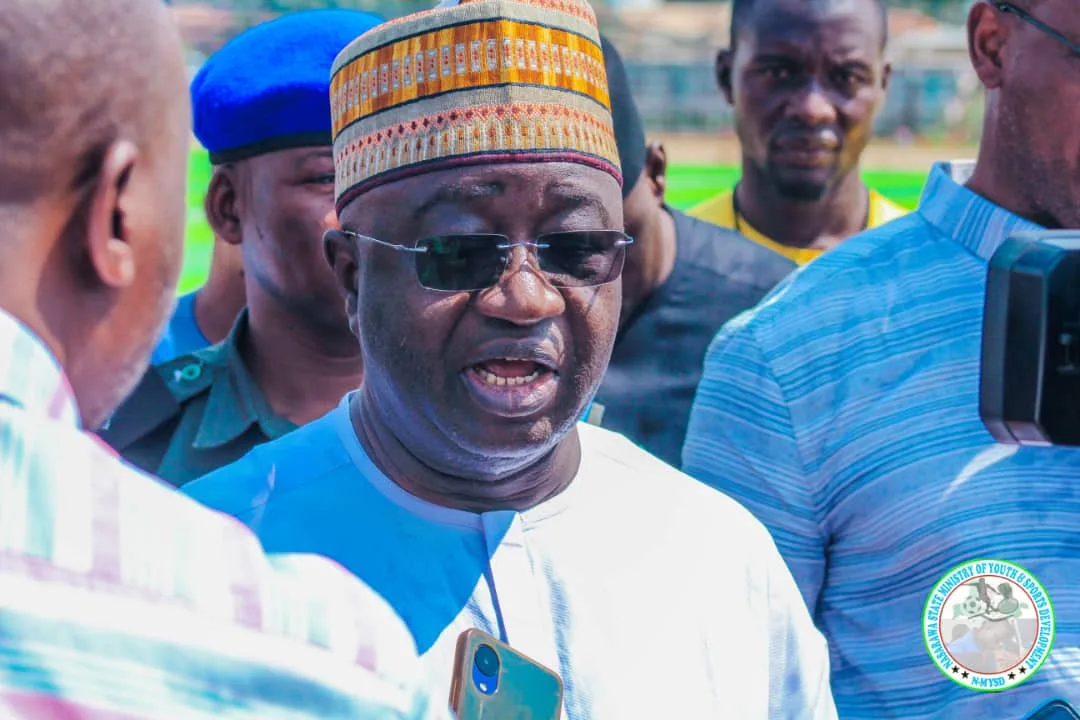
Nasarawa poise to produce Nigeria’s first electric car, says deputy governor
Nasarawa State Deputy Governor Dr. Emmanuel Akabe revealed that the state is poised to become the first in Nigeria to produce electric cars. This development is largely attributed to the vast lithium deposits discovered under Governor Abdullahi Sule’s administration, which have attracted major electric vehicle manufacturers. Speaking on Saturday, Dr. Akabe outlined the significance of lithium mining and the establishment of multi-million-dollar lithium factories in the state. He expressed confidence that Nasarawa could emerge as a leading producer of electric vehicles, second only to China. Dr. Akabe commended Governor Sule for his transparency in financial matters, citing a recent instance where the governor publicly disclosed a N9.7 billion federal refund and consulted stakeholders on its utilisation. The announcement was made during an event celebrating Governor Sule’s achievements, organised by Hajiya Hussaina Sule, the governor’s daughter. She praised her father’s leadership, stating that his impact on peace and economic development in Nasarawa State has been remarkable. Governor Sule, in response, attributed the state’s economic advancements to President Bola Tinubu’s transformation agenda. He emphasised the growing global attention on Nasarawa’s lithium reserves, particularly from leading electric vehicle producers. With lithium mining and electric vehicle production on the horizon, Nasarawa State is positioning itself as a key player in Nigeria’s transition to sustainable energy and modern transportation.
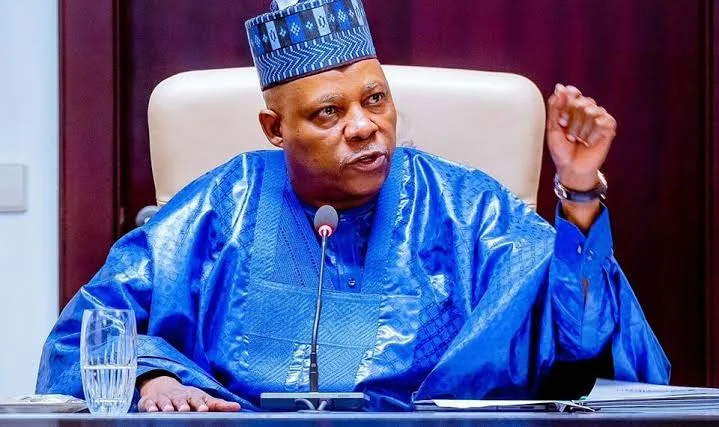
Nigeria builds digital bridges to empower MSMEs across Africa, says VP Kashim Shettima
Nigeria is making significant strides to boost Micro, Small and Medium Enterprises (MSMEs) by creating digital infrastructure that will enable these businesses to operate seamlessly across African borders. Vice President Kashim Shettima announced this during the inauguration of the oversight committee for the upcoming 4th African Union (AU) MSME Forum, set to take place in Abuja from June 23 to 27. Shettima highlighted that the administration of President Bola Ahmed Tinubu is committed to building “digital highways and bridges” to integrate Nigerian MSMEs into the broader African market. “Africa is not short of ideas and digital innovation,” he said, emphasizing that over 83% of employment on the continent is in the informal sector, where MSMEs play a critical role. The Vice President pointed to Nigeria’s alignment with the African Continental Free Trade Area (AfCFTA) agreement as a key policy framework supporting this vision. Nigeria has also established a Technology Export and Digital Trade Desk to help entrepreneurs export services and digital goods across Africa. Major initiatives include the i-DICE Programme, a $617.7 million investment targeting digital and creative enterprises, and the 3 Million Tech Talent Programme, which aims to train Nigerian youths in coding, data science, and digital skills to drive economic transformation. “The Tinubu administration is ready to lead in shaping Africa’s digital trade future,” Shettima said, adding that legal reforms are underway to make cross-border commerce more secure, scalable, and seamless. The AU MSME Forum will bring together nearly 6,000 SMEs from across Africa, along with 145 partners worldwide, providing a platform to exchange ideas, foster collaboration, and unlock new business opportunities. The event will conclude with the National SME Awards, celebrating outstanding contributions to the sector. Senator Ibrahim Hadejia, Deputy Chief of Staff to the President and chairman of the organizing committee, described the forum as “a veritable platform for exchanging knowledge and ideas on MSME development.” Temitola Adekunle-Johnson, Special Adviser to the President on Job Creation and MSMEs, assured that the committee is working to deliver a world-class event reflecting the government’s commitment to MSME growth.

Court orders final forfeiture of N1.29 billion stolen from Sterling bank in system glitch case
The Federal High Court in Ikoyi has ordered the permanent forfeiture of N1,292,798,746.81 stolen from Sterling Bank Plc due to a system glitch, directing that the funds be returned to the Federal Government in favor of the bank. The Economic and Financial Crimes Commission (EFCC) launched an investigation after Sterling Bank reported a theft totaling N2.5 billion. The probe traced the stolen money to multiple accounts held by individuals and a company, including M Sharif Inter-Trading and Marketing Company Ltd. and several accounts linked to Mustapha Abubakar and associates. On March 12, 2025, the court granted an interim forfeiture order and invited any interested party to contest the claim. Following no opposition, Justice D.I. Dipeolu ruled the EFCC’s motion meritorious and finalized the forfeiture. The theft occurred through exploitation of a system glitch at Sterling Bank, allowing criminals to withdraw funds unlawfully. The EFCC has also arrested five suspects, including some bank staff, charged with conspiracy, hacking, and money laundering related to the incident. The suspects allegedly used insider information and cyber tools to divert over N1.2 billion into fraudulent accounts. A similar incident in 2024 involved a system glitch at TAJ Bank Ltd, which led to freezing accounts in other financial institutions and reversing over N139 million credited erroneously. The EFCC continues to urge banks to strengthen security frameworks to prevent such incidents and protect customers’ funds.