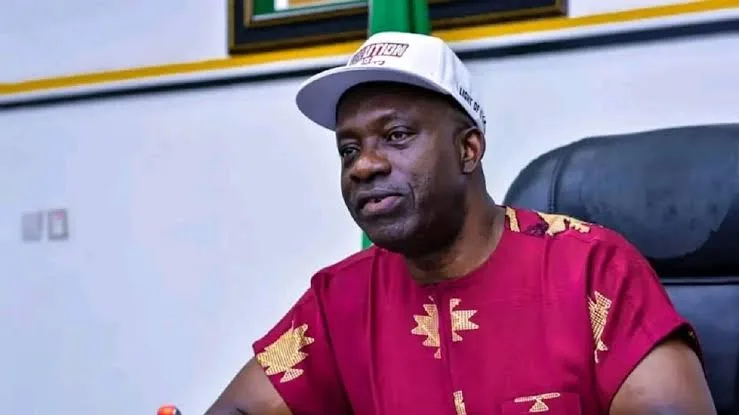
The Anambra State Government has launched a decisive crackdown on unauthorized Internet Service Providers (ISPs) operating without proper regulatory approval across the state. This move aims to safeguard public safety, protect residents’ data privacy, and ensure a reliable digital environment for all. In a joint statement, Mr. Chike Maduekwe, Managing Director of the Anambra State Physical Planning Board (ANSPPB), and Mr. Chukwuemeka Fred Agbata, Managing Director of the Anambra State Information Communication and Technology (ICT) Agency, revealed that several unlicensed ISPs have been carrying out illegal road and sidewalk excavations and erecting poles without authorization. These activities not only endanger public safety but also disrupt the operations of legitimate ISPs registered with the Nigerian Communications Commission (NCC). “The goal of this crackdown is to clean up the state’s digital landscape by ensuring that only ISPs with proper licenses and certifications operate here,” the statement said. “This initiative aligns with Governor Chukwuma Soludo’s vision to promote responsible and sustainable technology use for the benefit of all residents.” The government emphasized that the clampdown is not intended to hinder business growth but to enforce compliance with regulatory standards. Business owners interested in offering internet services in Anambra are urged to follow the official licensing process. To support enforcement, the state has set up dedicated hotlines, 08062533672 and 02014143039, for residents to report any suspicious or illegal ISP activities. This crackdown comes amid a nationwide decline in licensed ISPs, with many operators struggling due to high costs, limited spectrum availability, and competition from major telecom companies. Despite these challenges, independent ISPs remain vital to expanding broadband access across Nigeria. The Anambra State Government has pledged continued support for legitimate tech businesses that comply with regulations and contribute to the state’s digital transformation goals.

Uber explores stablecoins to cut costs and speed up global payments
Uber Technologies is considering the use of stablecoins, digital currencies pegged to stable assets like the U.S. dollar, to make its international money transfers faster and cheaper, CEO Dara Khosrowshahi revealed at a recent tech conference. Traditional cross-border payments often involve multiple banks and fees, taking several days to complete. Stablecoins could reduce these costs from around $30 per transfer to less than a dollar and enable near-instant transactions. This move would also improve access to dollars in regions with limited banking infrastructure or currency controls. Uber’s interest reflects a growing trend among major companies and financial institutions, including Meta and JPMorgan Chase, to explore stablecoins as a way to streamline global payments and financial services. While Uber has not yet chosen specific stablecoins or platforms, it sees them as a practical tool rather than an investment. Regulatory clarity remains a key factor, with lawmakers introducing bills to set standards for stablecoin use, including consumer protections and anti-money laundering measures.

Customs grounds 60 private jets in Nigeria over unpaid duties, targets high-profile owners
At least 60 private jets owned by some of Nigeria’s most prominent business leaders, including bank executives and oil moguls, have been grounded by the Nigeria Customs Service (NCS) in a sweeping crackdown on unpaid import duties. The enforcement operation, which began quietly this week at major airports in Lagos and Abuja, follows months of warnings and a verification exercise aimed at identifying jet owners who failed to pay customs duties running into billions of naira. Customs officials sealed private hangars and grounded luxury jets, including Bombardier Global 6000, 6500, and 7500 series aircraft. The move comes after the NCS extended its original deadline for compliance from October to November 2024, giving owners additional time to settle their dues. Despite appeals and extensions, many did not comply. “Yes, enforcement has started. The aircraft are grounded for the non-payment of customs duty, and as soon as they come over to regularise their payment and give what is due to Nigerians, they will get it back,” said Abdullahi Maiwada, spokesperson for the NCS. He emphasized that the agency had “over extended the period” for compliance and is now acting to collect revenue for the country. Sources say the clampdown has prompted a flurry of lobbying, with some jet owners reaching out to the Presidency for relief. At least one major commercial bank has pledged to settle its outstanding duties within days, while others are negotiating through representatives. An energy company with three jets has also committed to resolving its dues this week. In a document dated June 4, 2025, and reportedly signed by Deputy Comptroller-General C.K. Niagwan, the NCS indicated that some jets are being “temporarily unsealed” to allow operators to submit documentation and negotiate payment terms. The agency stressed this is not a waiver, but a measure to encourage compliance. Aviation experts have weighed in on the development. Frank Oruye, a former deputy director of engineering at the now-defunct Nigeria Airways, urged both jet owners and Customs to adhere to global best practices, calling for professionalism and timely payment of government dues. Retired Group Captain John Ojikutu raised security concerns, noting that many of the grounded jets are foreign-registered, which he described as a national security risk. The clampdown marks a significant shift in Nigeria’s efforts to enforce customs regulations and collect much-needed revenue.
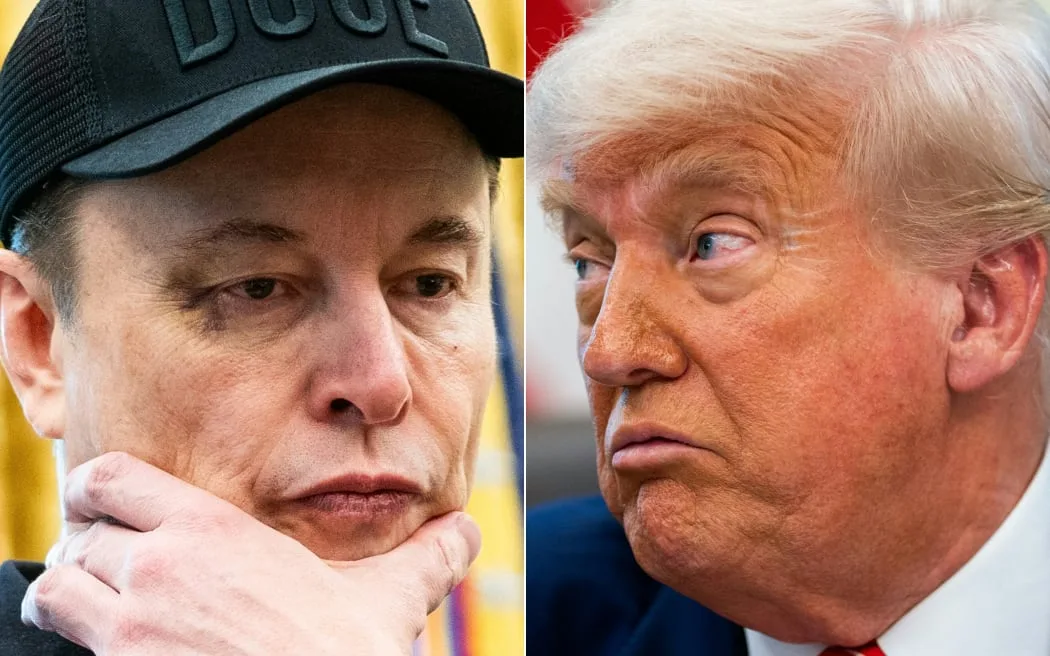
Tesla shares plunge $150 billion as Trump-Musk feud erupts over EV tax credits
Tesla shares suffered a dramatic fall on Thursday, losing more than 14% of their value and wiping out approximately $150 billion in market capitalization, as a bitter public feud between CEO Elon Musk and U.S. President Donald Trump rattled investors. The dispute centers on Trump’s sweeping new budget bill, which proposes eliminating the popular $7,500 federal tax credit for electric vehicle buyers, a move Musk argues would deal a significant blow to Tesla’s sales. Musk took to his social media platform X, calling the legislation a “disgusting abomination” and urging lawmakers to reject it. Trump, in turn, accused Musk of only objecting to the bill because it threatened his business interests, and suggested he might end government contracts and subsidies for Tesla and Musk’s other ventures, including SpaceX. “Look, Elon and I had a wonderful rapport. I’m not sure if that will continue,” Trump told reporters, expressing disappointment over Musk’s public criticism. Musk fired back, claiming Trump was “ungrateful” and asserting that his support had been crucial to Trump’s 2024 election victory. The clash unnerved Wall Street. Tesla’s stock plummeted by 14% in a single day, the largest one-day drop on record for the company, bringing its market value below the $1 trillion threshold. Investors, who once bet heavily on Tesla due to Musk’s close relationship with Trump, are now worried that the fallout could lead to regulatory hurdles and the loss of lucrative government deals. “The budget bill includes unfavorable provisions for Tesla, particularly the termination of EV credits. Moreover, his fallout with Trump poses risks for Tesla and Musk’s other ventures,” commented Ellerek, manager at Ent Capital Management. Analysts at J.P. Morgan estimate Tesla could lose $1.2 billion in annual profits if the EV credit is scrapped, not to mention potential losses from other regulatory changes. After Thursday’s rout, Tesla shares rebounded slightly, rising over 5% in premarket trading Friday. However, the broader outlook remains uncertain as the political drama continues to unfold. “This conflict does not alter our optimistic outlook on Tesla and its autonomous capabilities, but it certainly complicates the regulatory landscape under Trump moving forward,” said Dan Ives, an analyst at Wedbush Securities. The feud has left Tesla investors and industry watchers on edge. The company, still the world’s most valuable automaker, faces a more challenging environment as political and regulatory risks mount. Whether Musk and Trump can mend their relationship, or whether Tesla will have to navigate a new era without the benefit of federal incentives, remains to be seen.
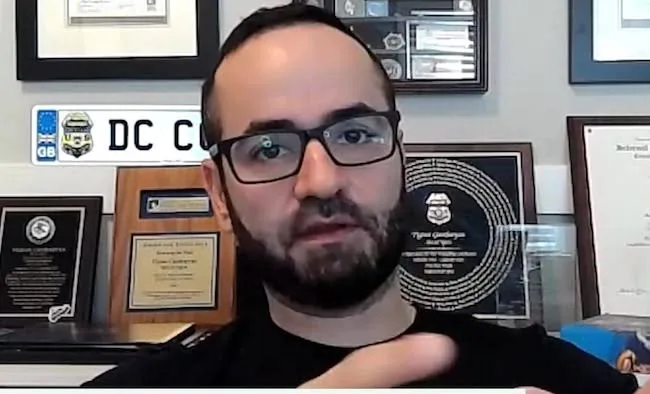
Binance’s head of financial crime compliance Tigran Gambaryan departs months after Nigeria detention
Tigran Gambaryan, Binance’s Head of Financial Crime Compliance, is leaving the world’s largest cryptocurrency exchange, marking the end of a turbulent chapter for both the executive and the company. His departure comes just months after his release from nearly eight months of detention in Nigeria, where he faced serious allegations. Gambaryan, a former U.S. Internal Revenue Service agent known for his expertise in tracing illicit crypto transactions, joined Binance in 2021. During his tenure, he played a key role in strengthening the company’s anti-money laundering protocols and worked closely with global law enforcement agencies to enhance compliance and asset recovery efforts. In 2024, Gambaryan was arrested in Nigeria on charges of money laundering and currency manipulation while on a business visit. The detention sparked international attention, with Binance and Gambaryan himself alleging that Nigerian lawmakers demanded a $150 million bribe for his release, claims the Nigerian government has strongly denied. After months of legal battles and deteriorating health, Gambaryan was released on humanitarian grounds in October 2024, and the charges against him were eventually dropped. In a statement confirming his exit on June 6, 2025, Gambaryan expressed gratitude for his time at Binance and his commitment to making the crypto industry safer. Binance also praised his contributions, highlighting his dedication to transforming their financial crimes compliance organization. “Thanks to his tireless efforts, the crypto industry is safer for all,” a Binance spokesperson said. Gambaryan’s departure comes as Binance continues to face regulatory challenges worldwide. The company recently settled a $4.3 billion case with the U.S. government over anti-money laundering violations and agreed to significant penalties, with its co-founder Changpeng Zhao stepping down as CEO and serving a prison sentence.

Nine Chinese nationals sentenced to one year in Lagos for financial terrorism
A Federal High Court in Lagos has sentenced nine Chinese nationals to one year imprisonment each and fined them N1 million for economic sabotage and financial terrorism. The defendants, including two women, pleaded guilty to charges related to cybercrime and economic sabotage following a plea bargain agreement with the Economic and Financial Crimes Commission (EFCC). Justice Daniel Osiagor handed down the sentences on Thursday, ordering that the prison terms commence from December 10, 2024, the date of their arrest. Upon completion of their sentences, the Nigerian Immigration Service is mandated to repatriate the convicts to China. Additionally, all items seized from the defendants, including furniture, laptops, and other gadgets, were ordered forfeited to the Nigerian government. The defendants, Zhao Xiang Hui, Liu Hai Rong, Liu Gang, Du Ji Geng, Li Dong, Huang Bo, Xhiong Zhen, Lai Rui Feng, and Deng Wei Qiang, were arrested during a raid on a building in the Oyin Jolayemi area of Lagos in December 2024. The EFCC arrested over 700 individuals suspected of cyber terrorism and economic sabotage in the operation. According to court documents, the defendants accessed computer systems to destabilize Nigeria’s economic and social structures by recruiting Nigerian youths to commit identity theft and impersonate foreign nationals for financial gain. Their actions violated the Cybercrimes (Prohibition, Prevention, Etc) Act, 2015 (amended 2024), and the Terrorism (Prevention, Prohibition) Act, 2022. EFCC counsel Nnemeka Omewa confirmed the plea bargain agreement and requested the court to convict and sentence the defendants accordingly. Defence counsel Folarin Damela supported the arrangement, which the court accepted without objection.