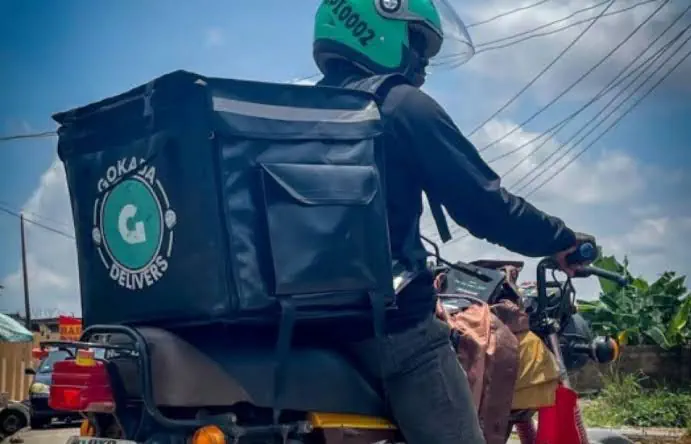
Gokada, once a shining star in the ride-hailing and delivery landscape of Lagos, has hit a significant roadblock. On October 18, 2024, the company filed for Chapter 11 bankruptcy protection in Delaware, seeking court assistance to navigate its financial troubles and restructure its debts. For Gokada, this move is a desperate attempt to stay afloat. Essentially, the company is asking for time to reorganize while figuring out how to pay back what it owes. However, the news isn’t good for those who are owed money but lack any legal guarantees, known as unsecured creditors. According to regulatory filings, Gokada has stated that there are no funds set aside for these creditors, meaning they may not see any repayment at all. Gokada’s journey began in 2017 when co-founders Fahim Saleh and Deji Oduntan launched the platform focused on motorcycle ride-hailing. However, everything changed in 2020 when the Lagos State government imposed a ban on commercial motorcycles in key areas of the city. This ban effectively crippled Gokada’s core business overnight, forcing the company to lay off staff and pivot towards logistics and food delivery services. This wasn’t Gokada’s first brush with adversity. In 2019, the company temporarily paused operations to retrain its riders and enhance service quality. But the okada ban proved to be a massive setback. In an effort to adapt, Gokada introduced new services like G-Boat for water transport and GoMedic for medical transport, and even formed partnerships with platforms such as Jumia Food. Unfortunately, these initiatives did not yield the desired results, and profitability remained elusive. The situation worsened in July 2020 with the tragic death of CEO Fahim Saleh. His passing left a leadership void during a critical restructuring phase, complicating efforts to stabilize the company. Despite their best efforts to innovate and adapt, Gokada has struggled to find its footing in an increasingly competitive urban mobility and delivery market. Gokada now faces a challenging path as it navigates bankruptcy. The company must restructure its debts while trying to regain the trust of customers and partners. Unfortunately, many unsecured creditors may not see any repayment. However, there is still hope. Gokada has shown resilience in the past, and if it can successfully manage this crisis, it could emerge stronger and ready to reclaim its position in Lagos’ ride-hailing and delivery market. The next few months will be critical for the company’s future.
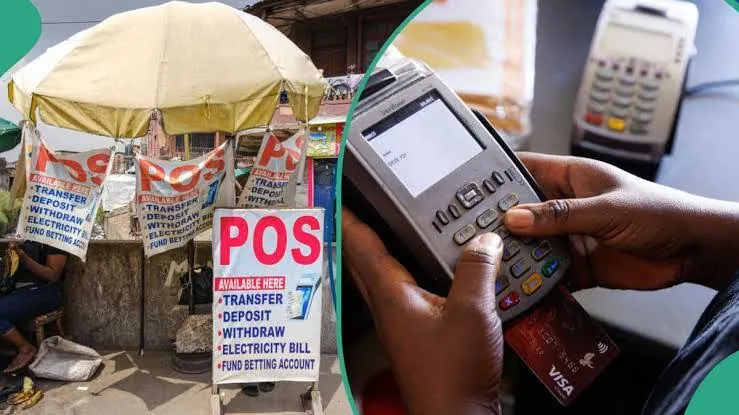
Nigerians now pay ₦3,000 for ₦100,000 withdrawals at POS agents amid cash scarcity
In recent months, many Nigerians have found themselves paying significantly higher fees to withdraw cash from Point of Sale (POS) agents. With reports indicating that customers are now shelling out as much as ₦3,000 for a ₦100,000 withdrawal, the financial landscape is becoming increasingly challenging for everyday citizens. Despite efforts by the Central Bank of Nigeria (CBN) in late 2024 to regulate cash withdrawals, such as imposing limits on POS agents and threatening penalties for banks selling mint notes to currency dealers, the situation on the ground tells a different story. Instead of alleviating the problem, these measures seem to have had little effect on curbing the growing reliance on POS agents, which have become the go-to option for accessing cash across the country. Once upon a time, traditional banking methods like ATMs and over-the-counter withdrawals were the primary means for Nigerians to get cash. However, as cash scarcity has become a pressing issue, POS agents have emerged as a more reliable alternative. This shift has led to a dramatic increase in demand for their services. In December 2024, many POS agents began raising their withdrawal fees in response to the new regulations and ongoing cash shortages. While some agents have kept their rates steady, others have taken advantage of the situation, leading to a wide disparity in fees depending on location. For instance, in parts of Lagos, customers are reporting withdrawal fees that are significantly higher than what they used to pay. In interviews with over 20 POS agents and their customers, it became clear that this fee hike is causing frustration among users. Many feel trapped by the lack of alternatives and are left with no choice but to pay the inflated rates. One customer lamented, “It’s frustrating! I used to pay much less for withdrawals, but now I feel like I’m being taken advantage of.” The sharp increase in withdrawal fees at POS agents is creating real challenges for Nigerians, raising concerns about how effective recent Central Bank policies have been. With many people feeling the financial strain, it’s clear that finding a way to make cash withdrawals more affordable and accessible is urgently needed. Moving forward, it will take cooperation from regulators, banks, and POS operators to tackle this issue and help ease the burden on everyday citizens.
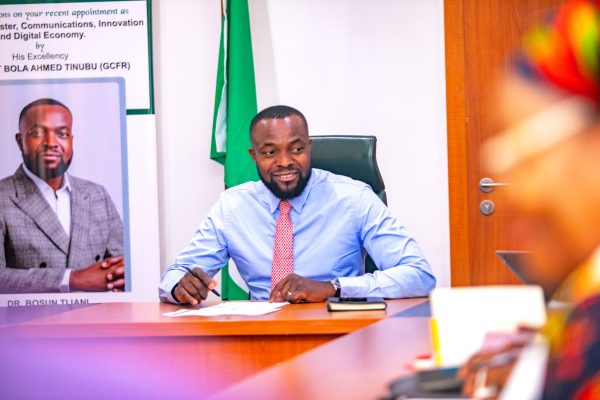
Nigeria’s telecom sector faces crisis: government responds to KPMG report
Federal Government has announced plans to tackle ongoing issues in Nigeria’s telecommunications sector. This comes on the heels of an interim report submitted by KPMG, which outlines critical challenges facing the industry. Dr. Bosun Tijani, the Minister of Communications, Innovation, and Digital Economy, expressed his commitment to ensuring that all Nigerians have access to reliable connectivity. After receiving the KPMG report, he stated, “We are working to find a balance between the sustainability of the telecom sector and ensuring meaningful connectivity for our people.” He emphasized that internet access is a fundamental human right and a vital component for economic growth. One of the key issues highlighted in the report is the urgent need for a review of tariffs. Telecom operators have been vocal about their concerns regarding rising operational costs, which they argue threaten the industry’s sustainability. The CEO of MTN Nigeria, Karl Toriola, recently pointed out that inflation and foreign exchange fluctuations have significantly increased expenses for telecom companies. For instance, he noted that diesel prices have skyrocketed from around N230 per liter before COVID-19 to over N1,000 now. Dr. Tijani mentioned in an interview that the government is considering medium to long-term solutions in response to operators’ requests for tariff increases. He acknowledged that while there may be a need for higher tariffs, there are numerous other factors that must be addressed to keep the telecom sector competitive. “We must also invest in digital infrastructure,” he added, indicating that government support will extend beyond just tariff adjustments. As discussions continue, it is clear that both the government and telecom operators recognize the importance of a sustainable industry for Nigeria’s economic well-being. With rising costs and increasing demands for connectivity, finding a viable path forward will be crucial for ensuring that all Nigerians can benefit from modern telecommunications services.

Nigeria rises as digital leader in Africa with over 231,000 .ng domains registered
The Nigeria Internet Registration Association (NiRA) has announced a significant milestone in the growth of the country’s .ng internet domain. By November 2024, total registrations surged to 231,853, reflecting a steady increase in the adoption of local domains. This impressive growth can be attributed to a series of strategic initiatives launched by NiRA. Among these efforts were price reductions and targeted awareness campaigns designed to highlight the benefits of using .ng domains for Nigerian businesses. By promoting local domains, NiRA aims to encourage more businesses to establish an online presence that resonates with their local identity. The report emphasizes NiRA’s financial success as well, with the organization reporting revenues of ₦348 million for 2023. This financial boost not only reflects the growing popularity of .ng domains but also supports NiRA’s ongoing efforts to enhance the digital landscape in Nigeria. Despite facing competition from globally recognized domains like .com, the rise in .ng registrations signals a shift in preference among Nigerian businesses and individuals towards local internet solutions. This trend is positioning Nigeria as a leading player in Africa’s digital infrastructure, paving the way for further growth and innovation in the country’s tech sector.

Shutterstock and Getty Images join forces in $4B deal amid anti-trust concerns
Shutterstock has announced a $4 billion deal to merge with Getty Images, a move that could reshape the stock photography industry. The agreement, revealed early Wednesday, has sparked immediate concerns about competition in the market for licensed visual content, where both companies compete with Reuters, the Associated Press, and others. The merger is expected to face antitrust scrutiny as regulators examine its potential impact on the sector. A combined Shutterstock+Getty Images entity could hold significant market power, leading to questions about reduced choices for consumers and businesses. Investors reacted positively to the news. Shutterstock’s stock price surged 26.5% in premarket trading, while Getty Images saw a 50.2% increase. However, the rally comes against the backdrop of years of declining performance for both companies. Industry analysts attribute this decline to the widespread use of mobile cameras, which has lowered demand for traditional stock photography. As of this report’s writing, details on how the merger will affect photographers, media companies, and the broader market have not yet been disclosed. Regulatory reviews and further announcements are expected in the coming months.
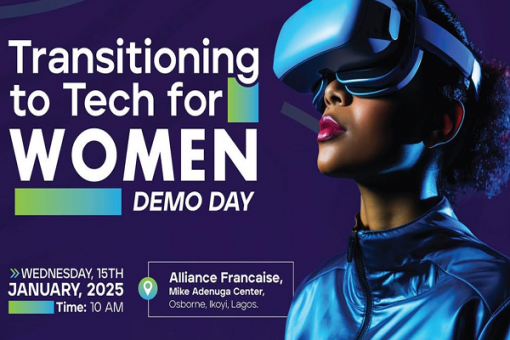
4,000 women to showcase tech skills in Lagos demo day
Over 4,000 women are expected to participate in the Demo Day of the Transitioning to Tech for Women programme on January 15 at The Mike Adenuga Centre, Ikoyi, Lagos. The event marks the conclusion of a year-long programme aimed at equipping women with technology skills and industry expertise. According to Peter Dingba, Chief Executive Officer of asf.africa, the initiative was designed to address the gender gap in coding and the broader tech sector. “The programme was developed to address the gender gap in coding and, generally, the tech industry,” Dingba said in a statement. The women received training in Backend Development, Frontend Development, DevOps, and Data Science. They also completed a course titled *The Business of Tech* to build both technical skills and business knowledge. During the event, participants will present their projects, while the top 10 participants will pitch their startups for a chance to win a N1 million grant each. Other highlights of the event include panel discussions, networking opportunities with industry leaders, and the presentation of the Outstanding Women in Tech Awards (OWITA). Partners for the programme include the United Nations, European Union, GIZ, IFC, U.S. Consulate, Dutch Consulate, Mastercard Foundation, MainOne, Aruwa Capital Management, Jobberman, and AWS. Leading female tech founders and prominent media organizations are also involved. The event aims to provide a platform for women to showcase their skills and gain recognition in the tech industry.