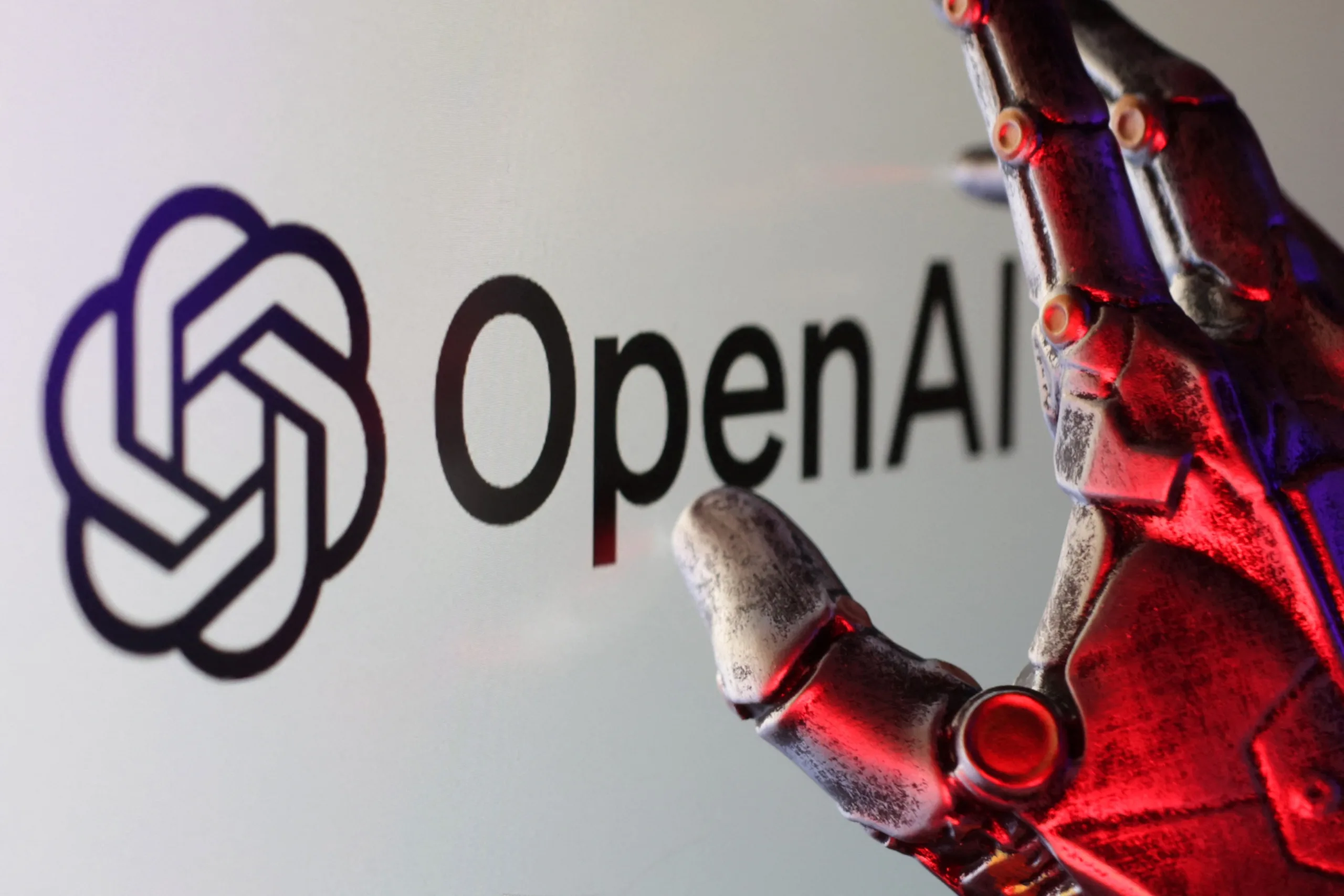
OpenAI and renowned designer Jony Ive are encountering big engineering and design hurdles in developing a groundbreaking screenless AI device, potentially delaying its planned launch beyond 2026. The device is described as a palm-sized, continuously listening assistant that understands audio and visual environmental cues without a traditional screen. The collaboration between OpenAI and Ive’s startup, acquired for $6.5 billion in May 2025, seeks to create a new generation of AI-powered computers. This pioneering gadget is designed to operate via cameras, microphones, and speakers, responding intuitively and building contextual memory over time. However, technical issues around software behavior, device “personality,” privacy safeguards, and backend computing capacity have proved unexpectedly complex. The key challenges include defining when and how the device should speak or interrupt users and ensuring privacy with continuous audio-visual sensing. OpenAI is also grappling with how to distribute the massive computing power required to serve millions of always-on devices without compromising performance or cost. Sources familiar with the project told the Financial Times and other outlets that OpenAI’s aim is to design a device that feels more like a “friend-like computer” rather than a quirky AI, setting it apart from existing assistants like Amazon’s Alexa, which require wake words for activation. The device’s continuous listening capability raises privacy concerns, as constant ambient sensing can be intrusive if not handled properly. Moreover, OpenAI faces budget and infrastructure constraints to support the immense data processing for the AI’s real-time contextual awareness, unlike tech giants Amazon and Google which have vast computing resources. This innovation is set to be carried or placed nearby rather than worn, differing from recent AI gadgets like the Humane AI Pin. The original plan targeted a late 2026 release, but sources suggest delays could push this timeline further due to unresolved critical issues.
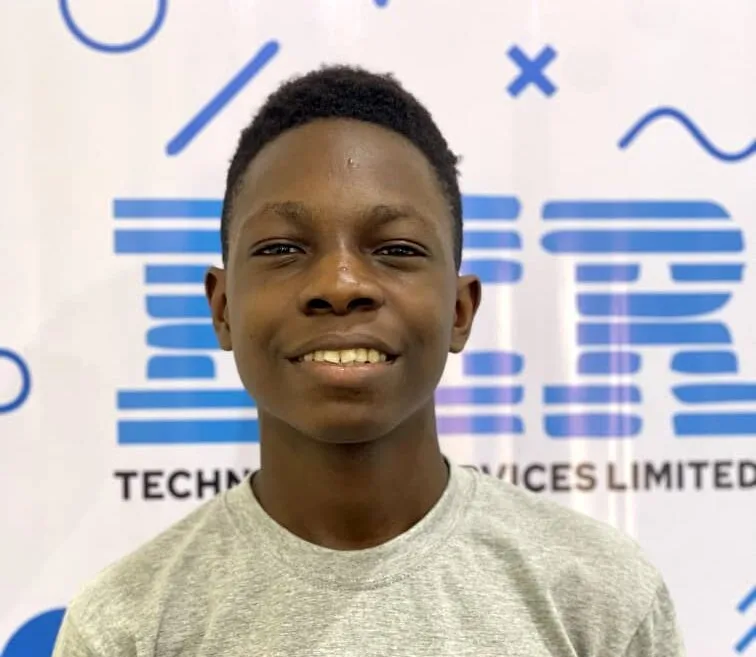
This 18-year-old UNIPORT student builds app to make any website smarter with AI
An 18-year-old student at the University of Port Harcourt (UNIPORT), Obinna Chimdi, has created a new app called ChatATP that can add artificial intelligence (AI) features to any website. This app helps websites become more interactive and smarter, allowing them to do more than just show information. Obinna, who studies Mathematics and Computer Science, said he wanted to make AI tools easy to use for everyone. “We want to help websites work smarter and respond better to users,” he explained The app is already being used by a small group of people and has strong potential to grow. The UNIPORT Vice-Chancellor, Owunari Georgewill, praised Obinna’s work. He said, “Our university encourages innovation. AI is changing the world, and having students create solutions like this is something we support.” In Nigeria, AI technology is gaining attention as a way to improve many industries including education and business. Nigerian universities like UNIPORT and ABU, ZARIA are helping by training students to create useful AI tools. The country is building an environment for young talents to use AI to solve local problems.
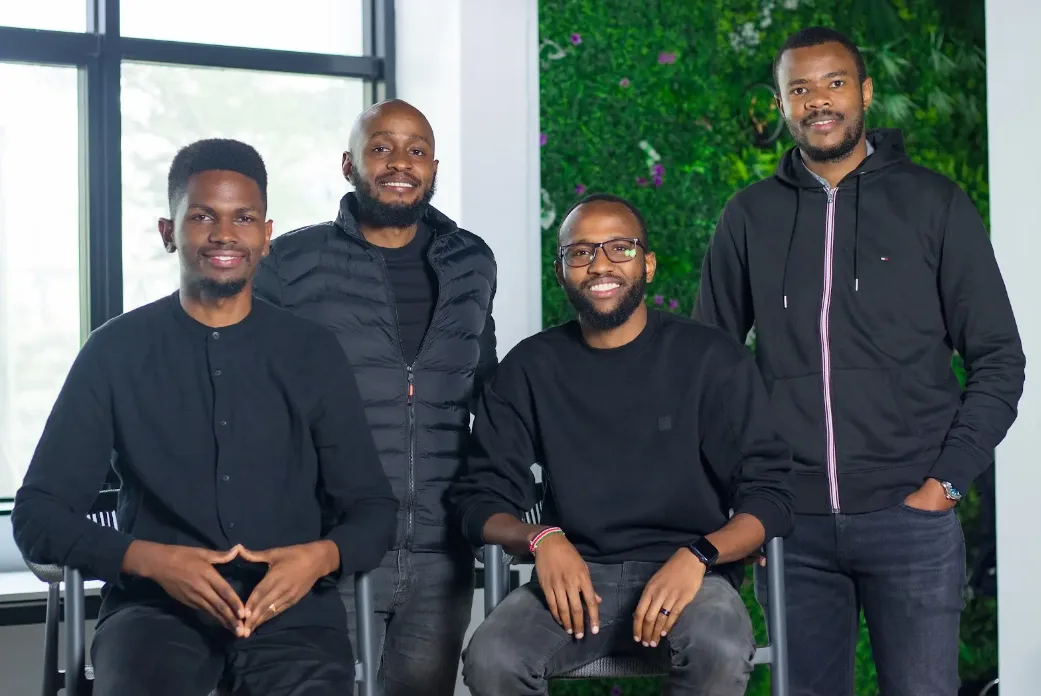
Chpter co-founders Tesh Mbaabu and Mesongo Sibuti step down, Founder returns as CEO
Kenyan social commerce startup Chpter has announced that its co-founders, Tesh Mbaabu and Mesongo Sibuti, have stepped down from their leadership roles as of mid-September 2025. The company’s original founder, Mark Kiarie, has returned as CEO to lead the next phase of the business. Mbaabu and Sibuti joined Chpter in early 2024 and helped the company grow quickly. During their time, Chpter expanded to 14 African countries, onboarded over 3,500 businesses, and partnered with fintech giant Flutterwave. They also launched Pluto, a new AI-powered WhatsApp app for transactions. In a message to staff and investors, Mbaabu said they believed it was best for Kiarie to return as CEO to provide clear vision and leadership. Both co-founders expressed support for this change and said they plan to start new projects, including a digital banking startup called Cloud9. This shift sheds light on the challenges fast-growing African startups face when balancing rapid expansion with clear leadership.
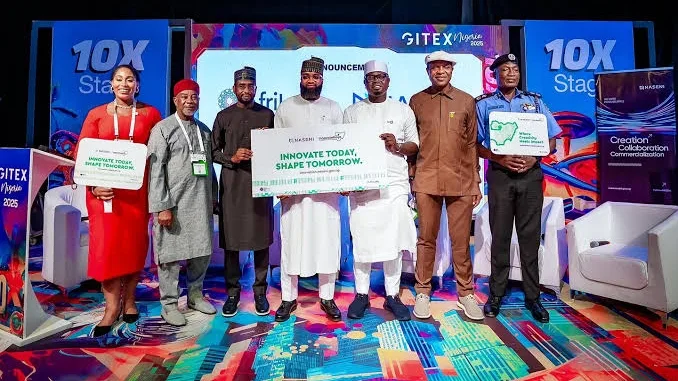
Nigeria launches ₦250 million InnovateNaija challenge to empower youth innovators
InnovateNaija was launched on September 4, 2025, at GITEX Nigeria in Lagos, designed to empower young creative minds across the nation and turn their ideas into scalable solutions. This program, spearheaded by NASENI in collaboration with AfriLabs, aims to energize Nigeria’s tech ecosystem and bolster homegrown innovations. The InnovateNaija program represents a movement to advance Nigerian ingenuity on a national scale. This competition seeks inventive solutions that address everyday challenges faced by millions. The launch event, held at Landmark Event Centre’s 10x stage, attracted influential policymakers, industry leaders, and young innovators eager to make a difference. NASENI’s Executive Vice Chairman, Khalil Sulaiman Halilu, described the project as a platform to unlock Nigeria’s vast creative potential. He emphasized support beyond monetary rewards, including mentorship, access to specialized tools, and global exposure. He recounted the story of a resourceful young inventor from Kano who crafted an affordable water purifier, exemplifying the transformative power of grassroots innovations. The contest will select 37 participants, one from each state and the Federal Capital Territory, after a rigorous public voting process. These outstanding innovators will each receive ₦2.5 million grants to refine their concepts. Subsequently, 15 finalists will compete at the NASENI Invention Festival in Abuja in February 2026, where the ultimate winner stands to gain ₦100 million to accelerate their innovation for commercial success. Affiliated with the competition is the NASENI Innovation Hub in Abuja, set to be a vital resource offering infrastructure, mentorship, and research support. The agency’s renewed philosophy, championed by Halilu since his appointment in 2023, revolves around creation, collaboration, and commercialization to transform research into market-ready products. Khalil Halilu stated that this challenge is more than a contest; it’s a movement designed to empower Nigeria’s youth to create solutions that not only alleviate local problems but can also scale across Africa. Honourable Minister of Youth Ayodele Olawande stressed the youth’s role in Nigeria’s digital future, while Senator Mohammed Ogoshi Onawo affirmed government backing for this program.

Ex-startup founder faces job hunt challenges after business closure
A former startup founder is struggling to find employment after his healthy food and beverage venture shut down due to funding difficulties and co-founders stepping away. Despite managing all aspects of the business, from marketing and finance to compliance and customer service,the founder found it difficult to transition into structured corporate roles. The entrepreneur shared his experience in a recent Reddit post, explaining that although he received positive feedback during interviews, employers often told him his background was “too founder-focused” for available positions and not specialized enough for niche roles. “We reached a point where we had to either raise money we weren’t ready for or accept that it wasn’t going to scale the way we dreamed,” he said. His story struck a chord with many others who have faced similar challenges after closing or exiting startups. Several social media users shared their own struggles of convincing companies they could be part of a team again, highlighting a common but rarely discussed hurdle for former founders seeking traditional employment. One commenter advised approaching company founders directly when applying for jobs, while others described surviving on freelance work or trying to balance job applications with new ventures. This case sheds light on the difficulties entrepreneurs face when shifting from running a startup to fitting into established corporate roles.

From Lara.ng to Motion Space – How Samuel Odeloye is using transport data to fix Nigeria’s last-mile delivery
Samuel Odeloye, the founder behind the popular Lagos transit chatbot Lara.ng, is now channeling eight years of rich transport data into building Motion Space, a cutting-edge logistics platform aimed at transforming Nigeria’s last-mile delivery landscape. Lara.ng, launched in 2017, helped over 250,000 monthly users navigate Lagos’ complex public transport system by providing step-by-step transit directions. Although it never became a profitable venture, the platform amassed valuable hyperlocal data on commuter behavior, routes, and fare changes across Lagos. Odeloye and his team are now applying these insights to Motion Space, a full-stack logistics startup designed to slash delivery costs by at least 50% and improve operational efficiency for courier companies, delivery hubs, and small vendors. Motion Space’s software automates delivery management by assigning tasks to riders based on location and familiarity, streamlining operations from order intake to final delivery. Early tests show a 50% reduction in delivery times and a 30% cut in costs. Beyond software, Motion Space is deploying smart lockers equipped with security features and sensors to reduce delivery failures and offer convenient package pick-up in densely populated areas where door-to-door delivery is often unreliable. Operating on a dual business model, Motion Space offers its logistics software as a subscription service and leases its smart lockers as infrastructure to estates, malls, and fulfillment centers. This approach allows continuous revenue generation while maintaining control over hardware maintenance and upgrades. Odeloye’s transition from Lara.ng to Motion Space reflects a deep understanding of Nigeria’s transport and logistics challenges, combining data-driven software with innovative physical infrastructure to tackle inefficiencies that even major players like Jumia and Konga face. With a focus on operational excellence and scalability, Motion Space aims to become the backbone of Nigeria’s last-mile delivery ecosystem. Currently bootstrapped and backed by silent investors, Odeloye is prioritizing proving the business model before seeking institutional funding, positioning Motion Space for rapid growth and widespread adoption in the near future. This bold initiative could finally crack the code on Nigeria’s logistics puzzle, leveraging years of transit data and local engineering expertise to make last-mile delivery faster, cheaper, and more reliable for millions of Nigerians.