
Nigerian Afrobeats star Wizkid has become the first African artist to surpass 11 billion streams on Spotify across all credited appearances, according to data released by Charts Africa. Charts Africa stated that Wizkid remains the first African artist to reach one billion, two billion, 10 billion, and now 11 billion cumulative Spotify streams. This milestone follows the release of State of Mind, Wizkid’s recent collaboration with DJ Tunez, which reportedly generated more than 685,000 Spotify streams globally within its first full day after release on May 15, 2026. Wizkid’s international streaming success has been linked to several landmark moments in African music history. He featured on the global hit One Dance alongside Drake and Kyla, becoming part of the first Spotify song involving an African artist to surpass one billion streams. Other African artists, including Rema, Tems, and Tyla, have recently reached major international streaming milestones. Meanwhile, some music industry analysts and artists continue to raise concerns about streaming royalty structures, arguing that African musicians may still face challenges related to earnings distribution, ownership rights, and dependence on foreign digital platforms. Despite these concerns, streaming growth has increased international visibility for African artists and strengthened the global commercial position of Afrobeats.
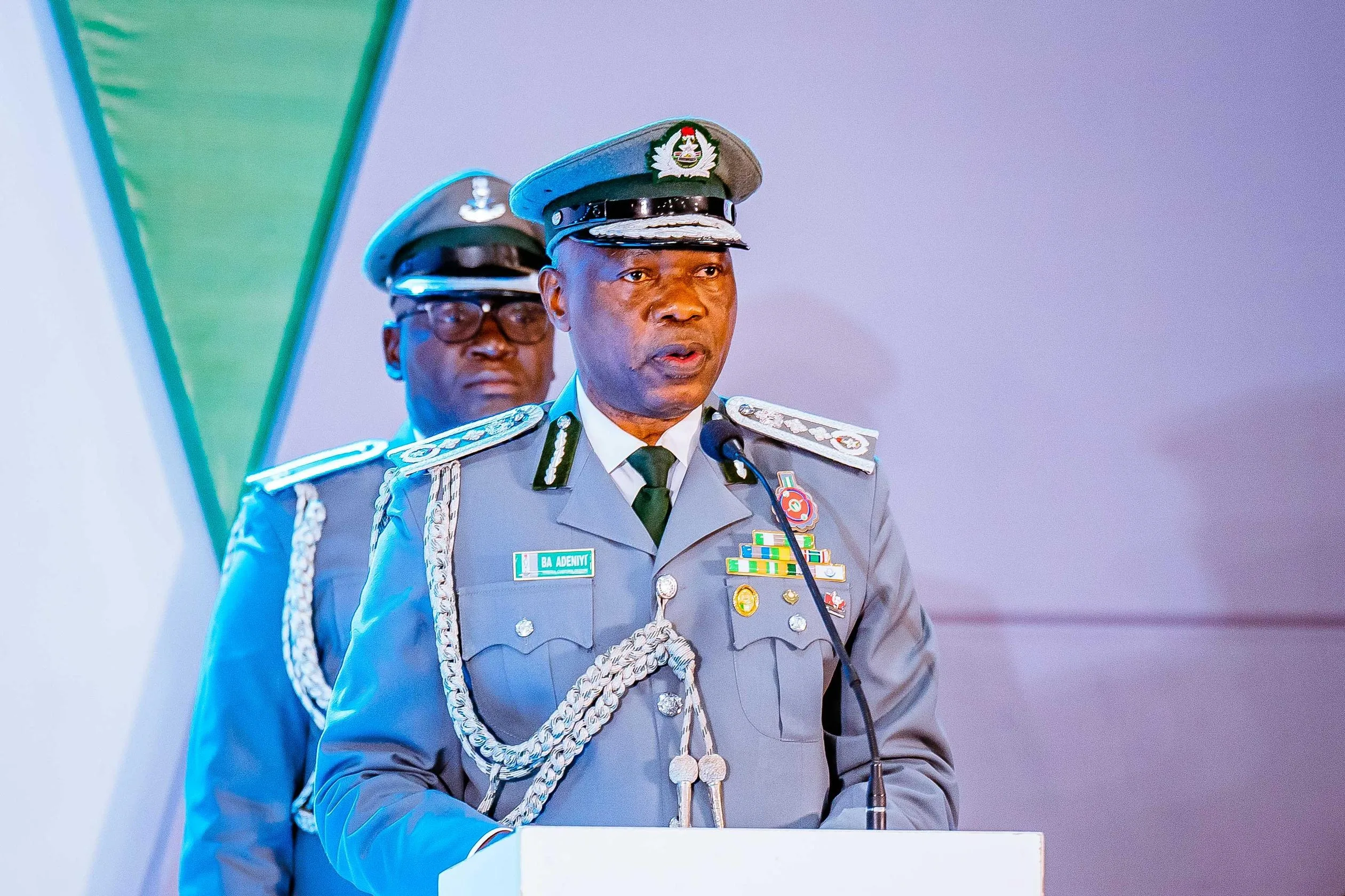
Customs rolls out automated passenger clearance platform to speed up arrivals
The Nigeria Customs Service has introduced a new automated passenger clearance system at Nnamdi Azikiwe International Airport aimed at reducing baggage delays and improving customs processing for international travelers. The platform, known as the Simplified Customs Advanced Declaration System (SCADS), allows passengers to declare baggage and commercial goods electronically before arriving in Nigeria. The system is currently being tested as a pilot project at the airport’s international terminal in Abuja. According to Customs officials, the initiative is designed to reduce manual bottlenecks, improve revenue assessment, and align airport operations with international digital standards. The digital platform was developed after an earlier customs passenger processing system experienced technical difficulties earlier in 2026. Customs authorities said the new version was designed to provide stronger operational reliability and greater automation. Deputy Comptroller-General in charge of ICT and Modernisation, Oluyomi Adebakin, said the agency viewed earlier technical failures as an opportunity to improve the system. “When the earlier platform experienced operational challenges, we chose not to see it as a setback. We saw it as an opportunity to build something better, stronger and more efficient…For passengers, this system creates the opportunity for advance declaration before arrival. It means faster clearance, easier compliance and smoother movement through our airports” -Adebakin Customs officials added that SCADS would automate tariff calculations using declared quantities and verified values, reducing human involvement in duty assessments as well as human bias from tariff calculations. Stakeholders in the sector say the platform could improve efficiency, increase transparency in revenue collection, and modernize airport operations. The pilot testing phase will continue through 22 May 2026, after which technical teams are expected to review performance and address any software issues. The Nigeria Customs Service plans to expand the SCADS platform to other international airports nationwide to modernize border management and digital customs operations.
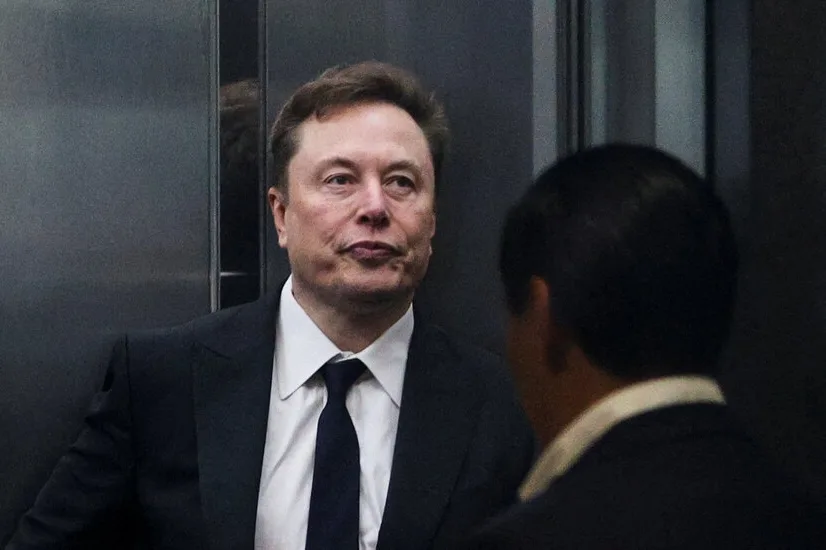
Elon Musk responds after jury dismisses OpenAI lawsuit
Elon Musk has responded to the dismissal of his lawsuit against OpenAI and its chief executive Sam Altman, saying the court decision was based on a calendar technicality rather than the substance of the case. In a post on X, Musk said the judge and jury did not actually give ruling on merits of the case, pointing to the jury’s finding that the lawsuit had been filed after the statute of limitations had expired. Musk also announced plans to appeal the ruling to the Ninth Circuit Court of Appeals, arguing that allowing such a precedent could damage charitable organizations in the United States. “There is no question to anyone following the case in detail that Altman & Brockman did in fact enrich themselves by stealing a charity, the only question is WHEN they did it1…I will be filing an appeal with the Ninth Circuit, because creating a precedent to loot charities is incredibly destructive to charitable giving in America” – Musk The lawsuit centered on OpenAI’s transition from a non-profit research organization into a company with significant commercial operations tied to artificial intelligence products, including ChatGPT. Musk, who co-founded OpenAI in 2015 before leaving in 2018, argued that the organization abandoned its original mission to develop AI for the benefit of humanity after accepting his financial support. OpenAI rejected the accusations during the trial as Altman testified that Musk had previously supported the idea of a for-profit structure and had sought greater control over the company. OpenAI’s legal team also argued that the lawsuit lacked factual basis. The case contributes to existing debates over how artificial intelligence organizations balance public-interest missions with commercial expansion. Details later….

Elon Musk loses OpenAI lawsuit as California jury rules claims filed too late
A California jury has dismissed a lawsuit filed by Elon Musk against OpenAI and its chief executive Sam Altman, stating that the legal claims were brought after the statute of limitations had expired. The unanimous decision came after a three-week trial in Oakland, California, as Jurors reviewed internal company communications and heard testimony from Musk, Altman, and Satya Nadella before reaching a verdict in about two hours. Musk argued that OpenAI violated its original non-profit mission after transitioning into a for-profit business model as he claimed Altman accepted his financial support, estimated at $38 million while later steering the company away from its founding purpose of developing artificial intelligence for the benefit of humanity. “It’s actually very simple.It’s not OK to steal a charity… If it’s okay to loot a charity, the entire foundation of charitable giving will be destroyed” – Musk Altman disputed the allegations and testified that Musk had previously supported the company’s commercial direction. According to Altman, Musk also sought long-term control of OpenAI. “A particularly hair-raising moment was when my co-founders asked, If you have control, what happens when you die? He said something like, maybe it should pass to my children” – Altman OpenAI was founded in 2015 as a non-profit artificial intelligence research organization by Musk, Altman, and other technology leaders. Musk left the company in 2018 after disagreements over leadership and strategic direction. The lawsuit also included claims against Microsoft, which has invested heavily in OpenAI. Those claims were dismissed after the jury ruled in OpenAI’s favor. OpenAI representatives described the ruling as a validation of the company’s position. Spokesman Sam Singer said the case was nothing but an effort by Musk to slow down a competitor, while William Savitt, a legal practitioner argued the lawsuit bears no relationship with reality. The ruling ends a major legal dispute between two major figures in the artificial intelligence industry. However, tensions between Musk and OpenAI are likely to continue as competition over AI development, governance, and commercial influence grows worldwide.

YouTube partners FIFA to expand streaming access for 2026 world cup
YouTube has partnered with FIFA to expand global access and digital engagement for the 2026 FIFA World Cup. The agreement allows media partners to stream select matches in full on YouTube, broadcast the first 10 minutes of every game live, and publish extended highlights. FIFA will also make content from its digital archive available, including full past matches and iconic moments, giving fans additional ways to engage with the tournament. FIFA Secretary General Mattias Grafström said the partnership is designed to strengthen global reach and fan interaction; “By spotlighting FIFA’s premium content and unlocking new opportunities for media partners and creators, this agreement will engage global fans in ways never seen before” The 2026 World Cup will be hosted by Canada, Mexico, and the United States, and will be the first edition to feature 48 teams, making it the largest in the history of the tournament. The ability to stream the opening minutes of every match may allow fans to sample games before committing to full broadcasts, thereby increasing overall viewership and engagement. However, full live match rights remain with traditional broadcasters, and YouTube has not disclosed how many matches will be available in full or which partners will receive streaming rights.
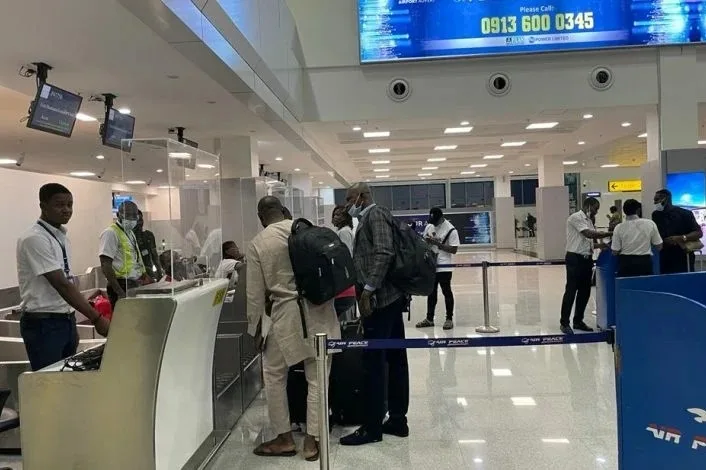
Rising aviation fuel costs may push up airfares
Airlines in Nigeria are warning that domestic airfares may increase as the price of aviation fuel continues to rise, thereby adding pressure on the operational costs. Daily Tech Nigeria gathered from an existing report that Jet A1 fuel is currently selling for about ₦1,835 per litre in Kano, ₦1,820 in Abuja, ₦1,815 in Port Harcourt and ₦1,780 in Lagos. Operators say the rise could lead to a review of ticket prices, subject to regulatory approval from the Nigerian Civil Aviation Authority. Many Nigerians are speculating that the oil and fuel prices in Nigeria are rising as global crude‑oil markets climb above 90 dollars per barrel, which they claim is driven by the escalating tensions in the Middle East involving the United States, Israel and Iran. The spokesman for the Airline Operators of Nigeria, Obiora Okonkwo, in an interview with Arise TV, said operators are assessing how to respond to the situation while complying with existing regulations; “As regards to us in Nigeria, before the war we were getting aviation fuel at about ₦1,000 per litre. As we speak right now, the last fuel we had this evening was going for about ₦1,800” – Okonkwo He added that airlines must submit any proposed fare adjustments to the Nigerian Civil Aviation Authority at least two weeks before implementation, in line with regulatory requirements. Aviation experts like Samuel Caulcrick said the rise in aviation fuel prices is linked to the dependence of Nigeria on the U.S. dollar for petroleum transactions, even when fuel is produced locally; “If not for the dollar, the Jet A1 you are talking about would be around ₦900” – Caulcrick He added that fuel suppliers and refiners must convert naira earnings into dollars to purchase crude oil at international market rates. Caulcrick also stated that the strategies put in place by the Central Bank of Nigeria to stabilise the naira have helped prevent further increases in fuel costs. Without such intervention, he said, the currency could weaken further and push aviation fuel prices even higher. Stakeholders in the aviation sector, express concerns that travellers could reduce their travel plans if fares increase significantly, likewise, lower demand could affect passenger numbers and put additional pressure on airline revenues.