
The National Agency for Food and Drug Administration and Control (NAFDAC), has warned healthcare providers and the public about the circulation of counterfeit vials of the cancer medicine Avastin (bevacizumab) 400mg in the country. The agency said the alert came after a report from the drug’s manufacturer, Roche, after an oncologist raised concerns about suspected fake vials discovered in a local hospital. NAFDAC said the suspected counterfeit products carry batch numbers K1830T71 and H0375B01, with manufacturing dates listed as April 2025 and February 2025 and expiry dates of May 2028 and December 2027. The medicine is used in cancer treatment, including recurrent glioblastoma in adults, and works by blocking the formation of blood vessels that supply tumors. According to NAFDAC, the suspect samples were compared with genuine products in English, French, and Arabic packaging formats because the global trade item number on the product matched that format. However, investigators identified multiple inconsistencies that suggested the medicine was falsified. “The tamper-evidence labels do not correspond to genuine Roche material, and the complaint sample serial number does not correspond to any genuine Roche serial number” – NAFDAC The agency also reported spelling errors in the packaging text and differences in the placement of variable data when compared with authentic products. NAFDAC said it has directed all zonal directors and state coordinators to conduct surveillance and remove any counterfeit Avastin products found in their jurisdictions. The regulator warned that counterfeit medicines may cause serious health risks because they have not been verified for safety, quality, or effectiveness. The agency advised importers, distributors, retailers, and healthcare professionals to obtain medical products only from authorised and licensed suppliers. It also urged healthcare providers to carefully check the authenticity and physical condition of medicines before administering them to patients. The agency has encouraged healthcare workers and consumers to report suspected falsified medicines through its offices, hotline, or pharmacovigilance platforms. The alert was meant to address concerns raised by regulators about counterfeit health products circulating in the country, including falsified HIV test kits, malaria medicines, and infant formula with altered expiry dates, to prevent further distribution.
Easybuy to recruit 10,000 sales representatives across Nigeria in 2026
Easybuy, a Buy Now Pay Later (BNPL) platform, has announced a plan to hire 10,000 business developers in Nigeria this year, targeting recent graduates, POS operators, and stay-at-home mothers. Since its Lagos launch in 2019, Easybuy, a subsidiary of Newedge Finance Limited, has utilized a network of thousands of partner stores to provide installment financing for smartphones and home appliances.The program provides a structured monthly salary framework where performance is rewarded with commissions, which allows representatives to operate remotely via mobile devices.Stakeholders like Jessica Ugwuoke, CEO of Newedge Finance Limited, lauded the hiring scheme for its dual-purpose vehicle for corporate growth and social empowerment: “This win-win partnership with Nigerians, on whose support we’ve come this far, reflects our continuous investment in people. Selected applicants… would be empowered with training and the opportunity to become financially independent” The scheme serves as commercial interest by building a huge boots-on-the-ground pipeline to capture the underserved consumer credit market. Easybuy plans to provide participants with digital tools and sales training to ensure high-performance standards.
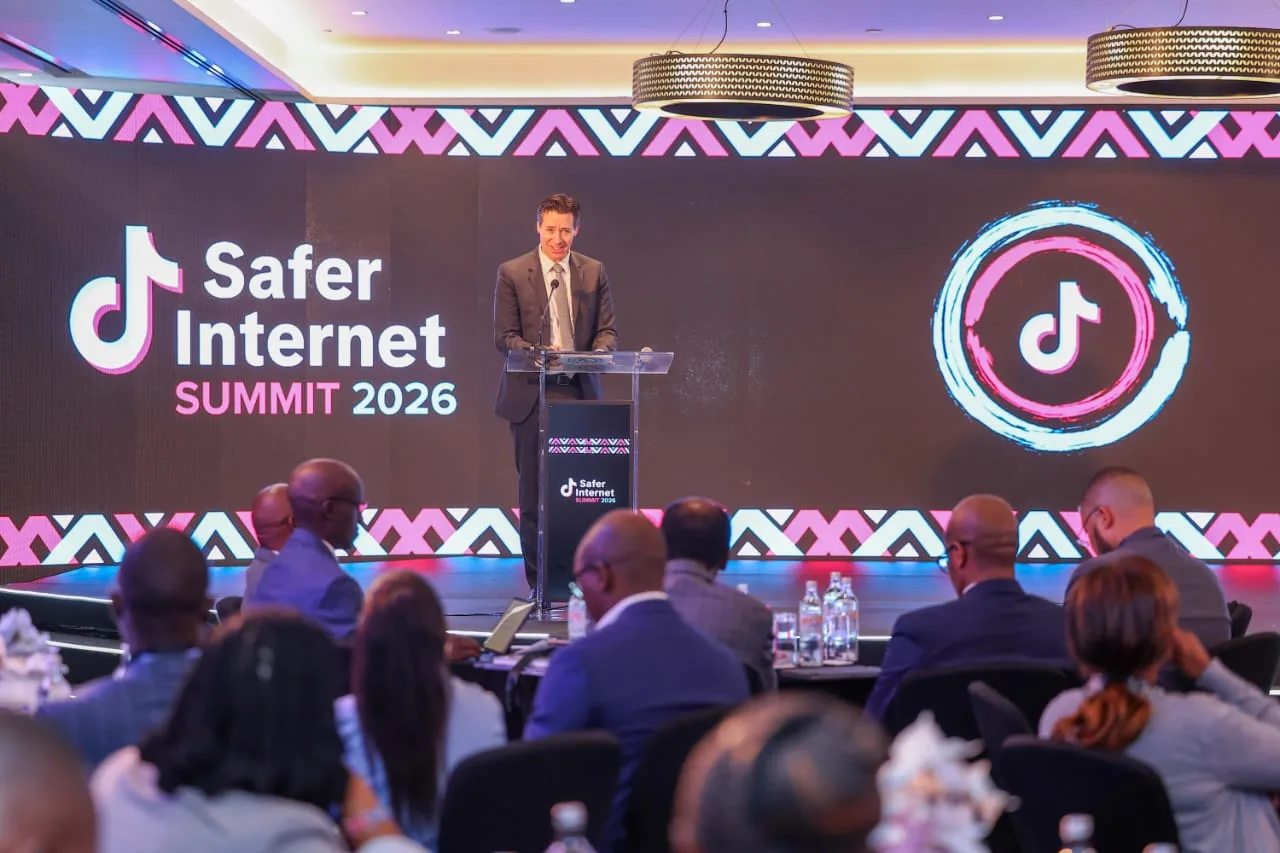
TikTok raises AI media literacy funding in Sub-Saharan Africa to $2.2 million
TikTok has added $200,000 to its artificial intelligence (AI) media literacy fund for Sub-Saharan Africa, increasing the total regional investment to $2.2 million. The company announced the funding at its third annual Safer Internet Summit in Nairobi, Kenya, where government officials, regulators, and technology industry representatives gathered to discuss digital safety in the region. The funding will be distributed as advertising credits to organisations working to improve digital literacy and address misinformation online. TikTok launched the global AI Literacy Fund in November 2025, to help users understand artificial intelligence and identify manipulated content. Currently, there are three organisations in Sub-Saharan Africa that receive support from the fund. They include Africa Check, which is expanding fact-checking operations in Nigeria, South Africa, and Kenya; Centre for Journalism Innovation and Development through its DUBAWA platform that monitors misinformation across Africa; and Mtoto News in Kenya, which produces educational content to help young people understand AI technology. Valiant Richey, TikTok’s Global Head of Partnerships, Elections and Market Integrity, stated that the funding program aims to prepare users for the rapid growth of artificial intelligence online. “With the rapid advancement of AI, we are committed to educating our community online so they feel empowered to have responsible experiences with AI, whether as viewers or creators” – Richey William Kabogo, Kenya’s Cabinet Secretary for Information, Communication and Technology, stressed that the government are focused on strengthening digital governance in the region. “We are committed to advancing digital innovation, responsible AI governance, and strong regional partnerships for a secure and thriving online ecosystem” – Kabogo Meanwhile, TikTok reported in its Community Guidelines Enforcement report for the third quarter of 2025 that more than 14 million videos were removed across Sub-Saharan Africa, with 96.7% detected and removed proactively using automated technology. TikTok says it has introduced measures including rules requiring creators to label realistic AI-generated content and partnerships with initiatives such as the Coalition for Content Provenance and Authenticity to improve identification of digital content. The company emphasized that the additional funding will allow more organisations in Sub-Saharan Africa to participate in digital literacy programmes as governments, technology firms, and civil society groups to address online safety and misinformation in the region.
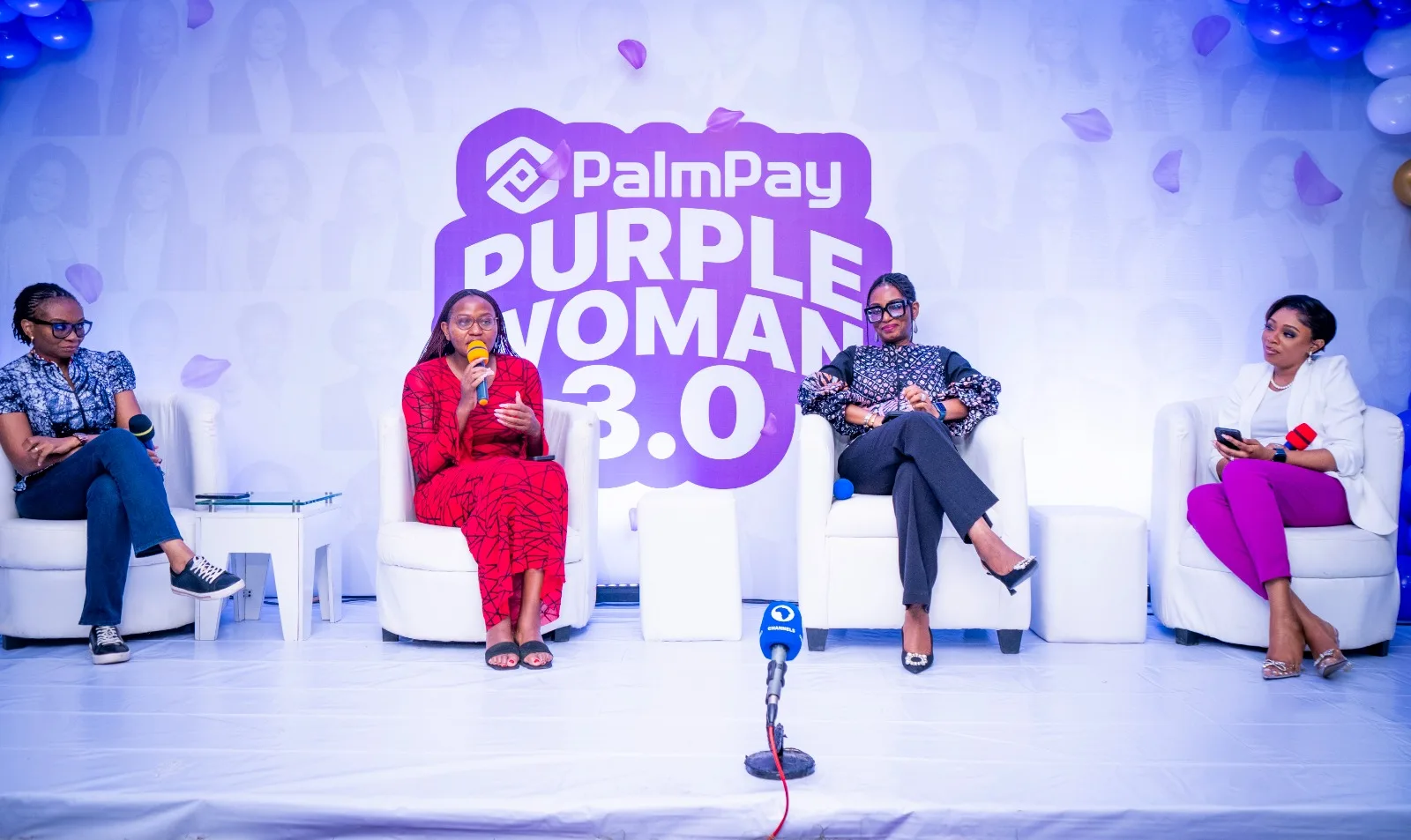
PalmPay empowers 100 women with tech skills to mark International Women’s Day
PalmPay Nigeria has concluded a three-day empowerment program, “Purple Women 3.0,” providing technical training to 100 women to improve female representation in the fintech sector. Now in its third year, the program coincides with International Women’s Day (IWD) and is organized in collaboration with the Global Women’s International Campaign Nigeria.The program, which was held from March 5 to March 7, 2026, aimed to equip participants with skills ranging from software engineering to product management, in order to mitigate the gender imbalance in technical and leadership roles. The 100 participants received training in seven key disciplines, which include, Data Analysis, Software Engineering, UX/UI Design, Product Management, Digital Marketing, Human Resources, and Personal Finance.Chika Nwosu, Managing Director of PalmPay Nigeria, stated that by expanding women’s participation is a necessity for a robust digital economy; “We launched this initiative because we realised that there are still very few women in fintech and in the wider tech ecosystem. Our goal is to help bridge that gap and create pathways that allow more women to build meaningful careers” At the conclusion of the program, ten outstanding participants were awarded immediate internship placements at PalmPay to gain hands-on industry experience and mentorship.

Bolt, FRSC train 100+ e-hailing drivers in Abuja to curb road crashes
Bolt and the Federal Road Safety Corps (FRSC) have concluded a road safety education program for over 100 driver-partners and couriers in Abuja, aimed towards reducing road accidents through improved driver behavior and compliance with traffic regulations.This partnership aims to bridge the gap between digital mobility technology and physical road safety enforcement.According to Bolt report, more than 100 drivers and couriers underwent training on fatigue management, defensive driving, and the legal consequences of driving under the influence.Officials from the FRSC FCT Sector Command provided instruction on speed limits, overtaking rules, and mandatory seatbelt usage.Weyinmi Aghadiuno, Bolt’s Head of Regulatory and Policy for Africa, emphasized that technology alone cannot guarantee safety: “Safety is fundamental to how mobility platforms operate, and it goes beyond technology. Partnering with the FRSC allows us to equip our driver-partners and couriers with practical knowledge to navigate Nigerian roads safely every day” – Aghadiuno Meanwhile, the FRSC stressed that while the role of technology cannot be downplayed, human compliance is the primary factor in preventing fatalities. Corps Commander Felix N. Theman of the FCT Sector Command stated that road safety is a shared responsibility and that all road users should prioritize safe driving practices at all times: ”Road safety is a shared responsibility. Continuous education and compliance with traffic regulations are critical in preventing road crashes. We commend Bolt for working with the Corps… and we encourage all road users to prioritise safe driving practices at all times” – Theman Drivers are encouraged to utilize the features of the platform to monitor their working hours and prevent fatigue. The FRSC plans to continue monitoring e-hailing compliance through increased road patrols and engagements with stakeholders.
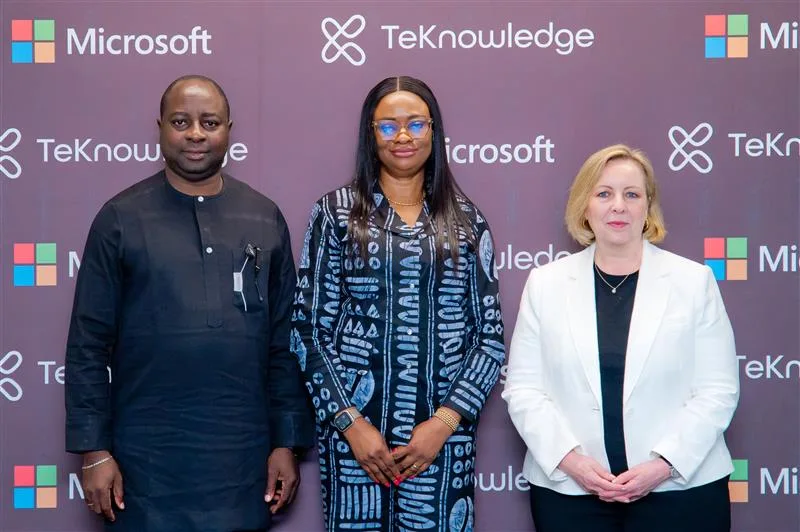
Microsoft, TeKnowledge launch Phase 2 AI skilling program in Nigeria
TeKnowledge and Microsoft has announced the second phase of its AI National Skilling Initiative, to equip an additional 10,000 Nigerians with advanced artificial intelligence capabilities in order to bridge the gap between technical training and professional employment. The partnership between TeKnowledge and Microsoft in 2025, was aimed towards building foundational AI literacy across the country. Phase 1 successfully reached over 50,000 Nigerians, with 3,000 participants earning original Microsoft AI certifications. Phase 2 is targeted at reaching university students, members of the National Youth Service Corps (NYSC), entrepreneurs, and women through a hybrid learning model of virtual and in-person instruction. The program offers a dedicated Career Fair to connect graduates with employers and partners, in order to transform skills to livelihoods. The program makes use of agentic AI solutions, by building on Phase 1 successes where developers created tools for risk assessment, fraud detection, and document verification using the Microsoft Semantic Kernel. “Africa has an incredible opportunity to become not only a participant, but a builder and co-creator in the global AI economy. By deepening AI skills and diffusing AI adoption throughout the economy, Nigeria and the African continent stand to benefit” – Olatomiwa Williams, Chief Growth and AI Officer at Microsoft Middle East and Africa The rollout for Phase 2 commences immediately, targeting universities and NYSC camps across the country.