
The Federal Government of Nigeria has received a N1 billion grant from Airtel Africa Foundation to support its ambitious 3 Million Technical Talent (3MTT) initiative. The program, spearheaded by the Minister of Communications, Innovation, and Digital Economy, Dr. Bosun Tijani, is part of President Bola Ahmed Tinubu’s strategic plan to position Nigeria as a global leader in technology and innovation. Announcing the grant on Wednesday, Dr. Tijani expressed gratitude to Airtel Africa Foundation for its contribution, noting that the funds will be used to train and empower over 25,000 Nigerians with high-demand technical skills. These include digital marketing, data analysis, project management software, cloud platforms navigation, UX/UI design, and other tech-related competencies. “This grant will cover hands-on training, community engagement, and job placement initiatives aimed at enhancing Nigeria’s digital workforce in alignment with President Tinubu’s Renewed Hope Agenda,” Tijani said. “We are committed to bridging the digital divide and ensuring that Nigerian youths are equipped to lead in the global digital economy.” Dr. Segun Ogunsanya, Chairman of Airtel Africa Foundation, highlighted the organization’s dedication to supporting Nigeria’s economic growth through technology and skill development. “Our N1 billion support is a strategic investment in Nigeria’s future workforce and prosperity,” Ogunsanya stated. He emphasized that the 3MTT program is a bold step toward transforming Nigerian youth into leaders in the digital revolution. The Airtel Africa grant marks the second major funding boost for the 3MTT program since its inception in 2023. In November 2023, telecom infrastructure company IHS Towers committed another N1 billion to establish learning communities across Nigeria. This funding also included salaries for 37 community managers for three years. The program initially launched with 30,000 participants, 1% of its target, and later expanded to include an additional 270,000 individuals in its second phase. To achieve its goal of training three million Nigerians, the initiative is being executed in phases with collaboration from government agencies, educational institutions, private sector players, and development organizations. The 3MTT program is central to the government’s vision of building a robust digital economy. By equipping citizens with critical skills that leverage technology across various roles, the initiative seeks to unlock new opportunities for employment and innovation while driving economic growth. This partnership highlights Airtel Africa’s commitment to uplifting communities through technology while aligning with Nigeria’s broader economic development goals. As Dr. Tijani noted: “Together, we are working to position Nigeria as a key player in the global technology landscape.”
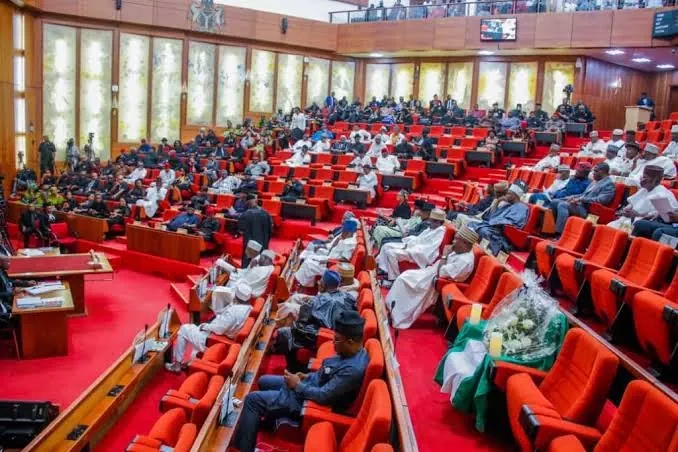
Data cost hike threatens young entrepreneurs as Senate demands review
The Senate has urged the Ministry of Communications, Innovation and Digital Economy to engage with telecom providers and review the recent surge in data costs. The resolution comes in response to a sharp increase in internet prices, which has seen data costs rise by up to 200% in some cases. Senator Asuquo Ekpenyong (APC-Cross River) brought the issue to the forefront during Wednesday’s plenary session, sponsoring a motion titled “Urgent Need to Address the Increased Cost of Data Services in Nigeria.” Ekpenyong highlighted the significant financial strain this price hike has placed on Nigerians, particularly young people who rely on the internet for their livelihoods. “Many young Nigerians have embraced the digital economy, leveraging online platforms for freelancing, remote work, digital marketing, and social media management,” Ekpenyong stated. “The sudden and substantial increase in data cost threatens their economic survival and limits access to critical digital services.” Senate President Godswill Akpabio expressed support for the motion, noting its potential to benefit young entrepreneurs. “This motion, when implemented, would assist young entrepreneurs. It will not only enable them to remain in business but also ensure they have affordable prices that will generate revenue and profits for them,” Akpabio said. The Senate’s resolution goes beyond just reviewing data costs. It also calls for: Development of a policy framework for affordable internet services in Nigeria Establishment and support of tech hubs across the country, providing free or subsidized internet access for young entrepreneurs, students, and innovators Investigation into the factors driving high data costs and recommendations for a sustainable, business-friendly telecommunications sector MTN Nigeria has raised its 1.8GB monthly plan to ₦1,500, up from ₦1,000 for a 1.5GB plan. Similarly, the cost of sending text messages has increased across all networks from ₦4.00 to ₦6.00 per SMS. As the Ministry of Communications engages with telecom providers, many Nigerians, especially those in the burgeoning digital economy, will be eagerly awaiting the outcome of these discussions and hoping for more affordable internet access in the near future.
Telcos consider regional pricing to address varying operational costs across Nigeria
Nigerian telecom operators are considering a shift from national to regional tariff plans, to address operational challenges across different states. This move aims to factor in the varying operational costs and difficulties faced in each region. The proposal comes on the heels of a recent 50% tariff increase approved by the Nigerian Communications Commission (NCC) to help operators manage rising operational costs. Speaking at the Policy Implementation Assisted Forum (PIAFo) in Lagos, industry leaders emphasized the need for tariffs that reflect the ease of doing business in each state. Engr. Gbenga Adebayo, Chairman of the Association of Licensed Telecommunications Operators of Nigeria (ALTON), noted that states with higher operational costs should be charged accordingly, while those with better business environments could enjoy lower tariffs. The NCC’s recent tariff hike, which affects calls, SMS, and data rates, is intended to bridge the gap between operational costs and current tariffs. However, consumer groups have criticized the increase, citing inadequate consultation and potential financial burdens on subscribers. Any regional tariff adjustments would require NCC approval, ensuring that consumer interests are protected while supporting industry sustainability.
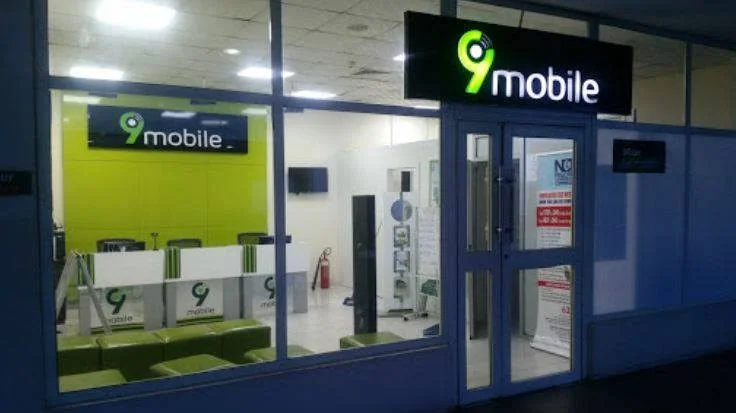
9mobile denies shutdown rumors, assures customers of enhanced ervices
Nigerian telecommunications company 9mobile has categorically denied rumors suggesting that it has ceased operations. The rumors emerged amid persistent complaints about poor service quality and difficulties with mobile number portability (MNP), which allows users to switch networks without changing their phone numbers. 9mobile acknowledged that some customers have faced challenges with MNP but emphasized that it has never restricted porting to other networks. The company attributed these issues to temporary technical challenges, which it claims have largely been resolved. Minor delays may still occur due to ongoing system optimizations, but 9mobile is actively working to ensure a smoother experience for all users. Despite these challenges, 9mobile is investing in network upgrades and service expansion, aiming to improve overall service quality and provide reliable connectivity for individuals, businesses, and communities. Subscribers have been vocal about their frustrations, with many calling on the Nigerian Communications Commission (NCC) to intervene. Despite these challenges, 9mobile expressed confidence in its progress and reaffirmed its dedication to providing exceptional service to its customers. In recent months, 9mobile has faced significant service disruptions, including a nationwide outage and issues with porting requests, leading to a decline in its subscriber base. However, the company remains optimistic about its future, citing ongoing investments as key to improving services and retaining customer loyalty.
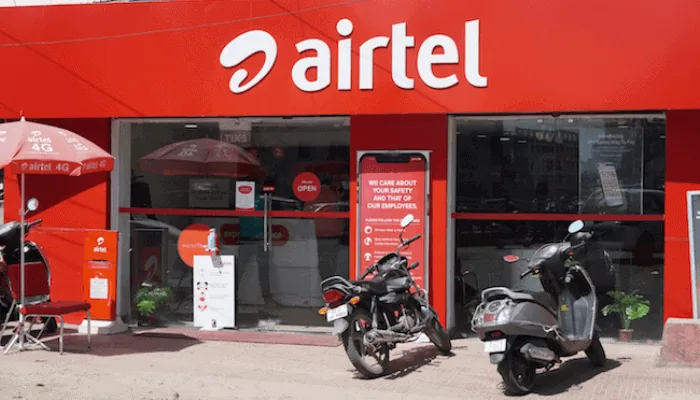
Airtel Nigeria launches AI-powered spam alert service to tackle SMS fraud
Airtel Nigeria has introduced an artificial intelligence (AI)-powered spam alert service to combat the growing problem of spam messages and SMS fraud. This innovative solution, the first of its kind in Africa, is designed to enhance consumer protection and restore trust in digital communications. The service, which is automatically activated for all Airtel customers, requires no additional downloads or setup. It is accessible to both smartphones and features phone users, ensuring widespread coverage across the network. By analyzing over 250 parameters in real time, the AI system identifies suspicious messages based on factors such as the sender’s usage patterns, frequency of messages, and geographical targeting. Messages flagged as potentially harmful are labeled “Suspected SPAM,” alerting users while maintaining their privacy since the AI does not read message content. To further safeguard customers, the system also includes a centralized database of blocked URLs to warn against malicious web links sent via SMS. Dinesh Balsingh, Managing Director and CEO of Airtel Nigeria, described the initiative as a “game-changer” for the continent’s telecom industry. “We are proud to lead the way with Africa’s first AI-powered spam alert solution. This innovation reflects our commitment to addressing customer challenges through proactive, technology-driven solutions,” he said. The introduction of this service comes at a critical time when spam messages and SMS fraud have become a significant concern in Nigeria, leading to financial losses and eroding consumer trust. By leveraging advanced AI and machine learning technologies, Airtel aims to detect fraudulent activities in real-time and respond swiftly to emerging threats. This development aligns with broader trends in the global telecom industry, where AI is increasingly being used to enhance fraud detection and improve customer security. Other telecom operators across Africa are also taking steps to address similar challenges. For instance, companies like MTN, Cell C, and Telkom in South Africa have joined initiatives such as GSMA’s Open Gateway program to tackle fraud and identity theft. Airtel plans to roll out this AI-powered spam alert service across other countries where it operates in the coming months. The move underscores the company’s commitment to leveraging cutting-edge technology to improve user experience and security in Africa’s telecommunications sector.