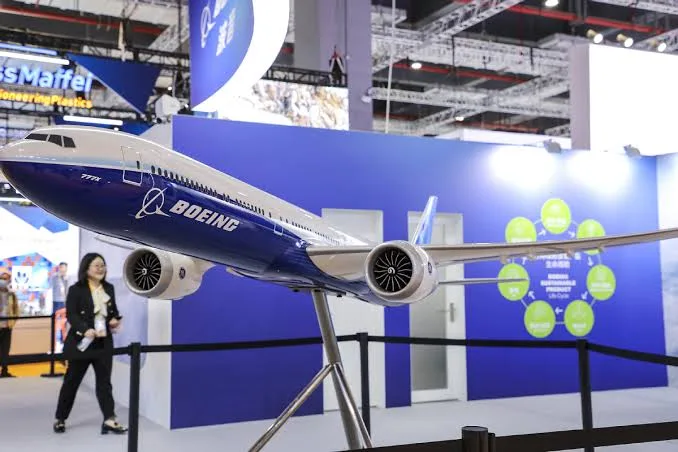
China has officially lifted its ban on domestic airlines accepting Boeing aircraft, following a landmark trade agreement with the United States that temporarily reduces tariffs between the two countries. The decision comes after Beijing and Washington agreed to cut steep reciprocal tariffs by 115% for 90 days, easing tensions that had stalled Boeing deliveries to China since tariffs were imposed during the Trump administration. Chinese aviation officials have now informed carriers that they can resume accepting Boeing planes, ending a months-long suspension that had caused inventory backlogs for the American manufacturer. China represents a crucial market for Boeing, accounting for about 10% of its commercial aircraft backlog. The trade deal allows Chinese airlines to accept 25 of the 737 MAX jets that had been held up by previous restrictions, along with other aircraft currently in production. “This marks a turning point in US-China aviation relations,” said an industry analyst. “It reflects broader efforts to normalize trade and investment flows between the world’s two largest economies.” The temporary tariff reduction follows intense negotiations in Geneva and is seen as a step toward resolving broader trade disputes. Boeing executives had planned to deliver 50 jets to Chinese carriers this year, a goal now back on track with the lifting of restrictions. While the 90-day tariff cut offers immediate relief, both countries continue talks to secure a long-term agreement that would provide stability for the aerospace and aviation sectors.
UK to tighten visa rules and expand travel permissions in 2025
The UK government is set to implement significant changes to its immigration and visa policies in 2025, aiming to tighten legal migration controls while modernizing the border system. From early 2025, most visitors to the UK, except British and Irish citizens, will need permission to enter through an expanded Electronic Travel Authorization (ETA) scheme. This digital pre-approval system, initially introduced for select Gulf countries, will extend to nearly all visa-free travelers, including European nationals starting April 2, 2025. The ETA costs £10 and is designed to enhance border security and streamline entry processes. In parallel, the government plans to tighten work visa requirements, particularly for lower-skilled roles. New rules will impose stricter graduate-level criteria for skilled workers and limit lower-skilled time-limited visas to sectors with proven labor shortages, where employers commit to boosting domestic recruitment. The minimum salary threshold for skilled worker visas has also increased to reflect living costs, now set at £38,700 annually. These reforms come amid record-high net migration, which reached 906,000 in the year to June 2023, and rising public concerns over pressure on public services. The government also intends to form a task force to identify sectors heavily dependent on foreign labor and address related vulnerabilities, including exploitation risks in industries like care services. Additionally, visa fees across most categories have risen by 5–10% from April 2025, generating more revenue for the Home Office while aiming to reduce taxpayer burden. Student visa provisions have been updated to extend post-study work opportunities for PhD graduates and simplify dependent visa rules. While the government emphasizes these measures will restore public confidence and control over migration, critics warn that tightening visa access could jeopardize critical sectors reliant on migrant workers and increase exploitation risks. Opposition voices call for even stricter caps and legislative reforms.
MacKenzie Scott’s net worth drops by $3.69 billion in 2025 as Amazon shares slide
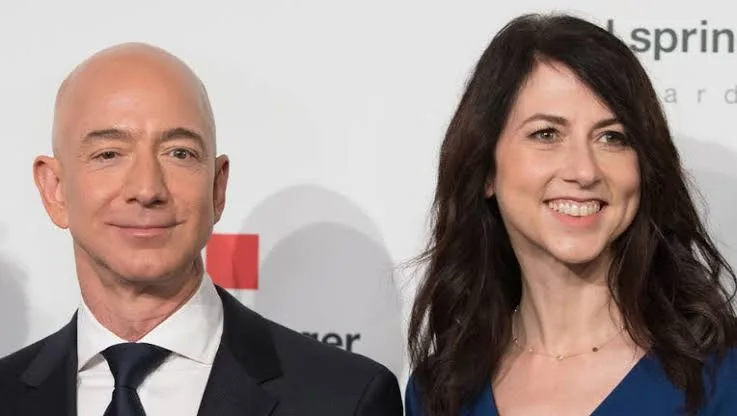
MacKenzie Scott, the billionaire philanthropist and former wife of Amazon founder Jeff Bezos, has seen her fortune shrink by $3.69 billion so far in 2025. The decline comes as Amazon’s stock price has fallen more than 12% since the start of the year, reflecting broader volatility in the tech sector. Scott, 55, remains one of Amazon’s largest individual shareholders, holding a 1.3% stake in the company. As of May 10, Amazon shares were trading at $193.06, down 12.33% from January. According to Bloomberg, Scott’s net worth now stands at $36.5 billion-a 9.2% drop since the beginning of the year. Much of Scott’s wealth is tied to her Amazon holdings, which she received as part of her 2019 divorce settlement with Bezos. At that time, she was granted 25% of the couple’s jointly held Amazon shares, but relinquished her interests in The Washington Post and aerospace company Blue Origin, and gave Bezos voting control over her Amazon shares. A Princeton graduate and published novelist, Scott was one of Amazon’s earliest employees, playing a key role in the company’s formative years. In recent years, she has become known for her rapid and large-scale philanthropic giving. Since 2020, Scott has donated more than $14 billion to educational institutions, social justice groups, and community nonprofits across the United States-often with little fanfare and minimal bureaucracy. Many of these charitable gifts are now listed as liabilities against her net worth, reflecting the significant impact of her philanthropy on her overall fortune. Scott’s other assets, including cash reserves and private holdings from her divorce settlement, remain less transparent. Despite the recent decline in her wealth, MacKenzie Scott remains one of the world’s richest women. She continues her philanthropic work through a limited liability company known as Lost Horse. Scott previously remarried Dan Jewett, a Seattle science teacher, and the couple jointly signed the Giving Pledge in 2021, though reports in 2023 indicated they had separated.

Six Sri Lankan military personnel died in a helicopter crash during a passing-out parade exercise
A Bell 212 helicopter of the Sri Lanka Air Force crashed into the Maduru Oya reservoir in central Sri Lanka during a grappling drill linked to a passing-out parade, resulting in the deaths of six military personnel. The aircraft was carrying twelve personnel, including four special forces soldiers and two Air Force gunmen, all of whom were rescued and hospitalized, but six succumbed to their injuries, according to Sri Lanka Air Force spokesman Group Captain Eranda Geeganage. The helicopter had taken off from Hingurakgoda Air Force Base en route to the Maduru Oya area for the exercise when the incident occurred. The cause of the crash remains under investigation, with military officials yet to disclose further details. The remaining survivors are receiving medical treatment, though their conditions have not been publicly disclosed. Group Captain Geeganage declined to comment on the possible reasons behind the crash. This tragic accident follows recent challenges faced by the Sri Lankan military, including past incidents involving aircraft under hostile conditions and training accidents. The military has emphasized its commitment to investigating the crash thoroughly to prevent future occurrences. The Sri Lankan defense authorities continue to monitor the situation closely as they extend condolences to the families of the deceased personnel.
French police rescue kidnapped crypto millionaire’s father in night raid
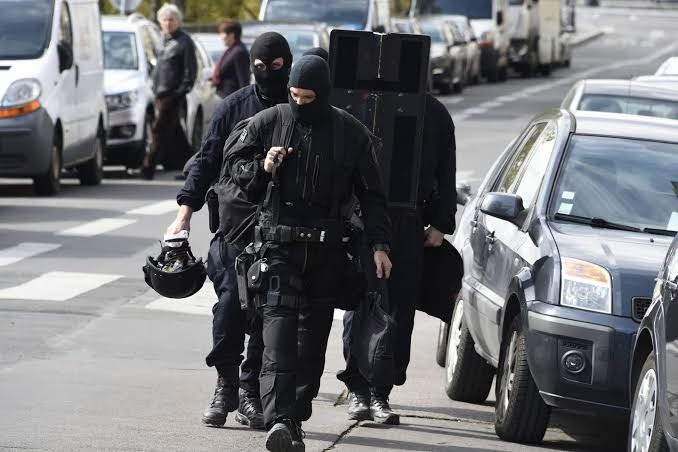
French police have successfully rescued the father of a wealthy cryptocurrency entrepreneur after he was kidnapped and held for ransom in a violent ordeal that shocked Paris and highlighted a growing trend of attacks on digital asset figures. The victim, a man in his 50s whose identity has not been made public, was abducted Thursday morning in the city’s 14th arrondissement. Four masked men bundled him into a waiting van in broad daylight, according to police sources. The kidnappers demanded a ransom of between €5 million and €7 million ($5.7 million to $7.9 million) from his son, a crypto millionaire who runs a digital asset management company in Malta. During his two-day captivity, the assailants severed one of the victim’s fingers and sent a video of the injury to his son, threatening further mutilation if their demands were not met. Fears for the victim’s safety prompted a swift response from law enforcement. On Saturday night, police traced the kidnappers to a residence in Essonne, a suburb south of Paris, using mobile phone signals. In a coordinated raid, officers stormed the property, freeing the victim and arresting five suspects, all in their 20s. Four were apprehended at or near the house, while the fifth was caught driving a vehicle believed to have been used in the abduction. The victim was given medical attention for his injuries. Authorities have not disclosed further details about his condition, but the brutality of the attack has drawn widespread condemnation. French Interior Minister Bruno Retailleau praised the “exceptional work” of the investigators in a statement posted to social media. This incident marks the third high-profile kidnapping targeting France’s cryptocurrency sector in 2025 alone. In January, David Balland, co-founder of the crypto wallet company Ledger, was abducted alongside his wife and suffered a similar injury before being rescued by police. Another case earlier this year involved the attempted extortion of a Dubai-based crypto influencer’s family. Police say the latest victim and his son had previously received threats, underscoring the heightened risks facing high-profile crypto entrepreneurs and their families. The investigation is ongoing, with suspects facing charges including kidnapping, torture, and extortion. Authorities warn that the visibility and wealth associated with the cryptocurrency industry are making its figures increasingly vulnerable to targeted attacks, and have pledged to intensify efforts to combat this disturbing trend.
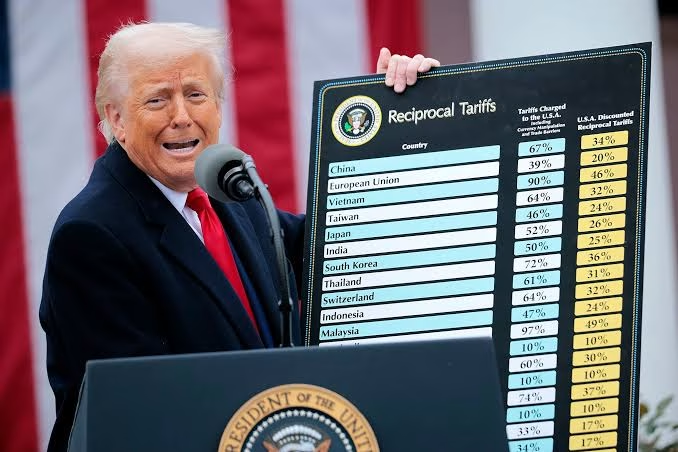
Trump slaps 100% tariff on foreign films in bid to revive Hollywood
President Donald Trump has announced a sweeping 100% tariff on all films produced outside the United States, a dramatic move aimed at reviving the struggling American movie industry and countering what he describes as a growing national security threat from foreign-produced content. The announcement, made Sunday via Trump’s Truth Social account, marks the first time U.S. trade policy has directly targeted the entertainment sector on this scale. Trump cited a “concerted effort by other nations” to lure filmmakers and studios abroad with lucrative incentives, warning that these trends are “devastating” Hollywood and undermining U.S. interests. “The Movie Industry in America is DYING a very fast death. Other countries are offering all sorts of incentives to draw our filmmakers and studios away from the United States. Hollywood, and many other areas within the U.S.A., are being devastated. This is a concerted effort by other Nations and, therefore, a National Security threat. It is, in addition to everything else, messaging and propaganda!” Trump wrote. The president has directed the Department of Commerce and the U.S. Trade Representative to begin immediate enforcement of the new tariffs. However, details remain unclear regarding how the tariffs will be calculated or applied-whether on box office receipts, streaming revenues, or production costs. Commerce Secretary Howard Lutnick responded on X, formerly Twitter, simply stating, “We’re on it”. The announcement has sent shockwaves through Hollywood, with executives and industry groups scrambling to assess the impact. The Motion Picture Association, which represents major studios, has yet to issue an official response. Many U.S. studios, including Disney and Netflix, routinely film abroad to benefit from international tax breaks and lower production costs. Now, those productions could face steep new tariffs if released in the U.S.. Industry insiders are also questioning whether the tariffs will apply to streaming content as well as theatrical releases, and whether films are already completed but not yet released will be affected. The lack of clarity has left both domestic and international filmmakers in limbo. Trump’s move comes amid escalating trade tensions with China and other countries, following a series of tariffs imposed on foreign goods since his return to office in January. Just last month, China announced it would reduce imports of U.S. films, further complicating the global landscape for American entertainment exports. The president has framed the new film tariffs as part of a broader effort to restore American jobs and production, recently appointing Hollywood veterans Jon Voight, Sylvester Stallone, and Mel Gibson as special ambassadors to promote U.S. filmmaking. Hollywood and international film industries are bracing for significant changes. The new policy could reshape global film production, distribution, and the economics of movie-making for years to come.