
A devastating bridge collapse in Russia’s Bryansk region, near the Ukrainian border, has left at least seven people dead and nearly 70 injured after a highway bridge was blown up and fell onto a moving passenger train late Saturday night. The incident occurred as a Klimovo–Moscow passenger train carrying 388 people was passing beneath the bridge in the Vygonichsky district. The collapse sent heavy trucks and debris crashing onto the train, derailing several carriages and trapping passengers in the wreckage. Emergency services rushed to the scene, working through the night to rescue survivors and provide medical assistance. Bryansk Governor Alexander Bogomaz confirmed the fatalities and said that among the injured were three children, with at least one in critical condition. “All necessary measures are being taken to assist the victims,” Bogomaz stated on Telegram, adding that 44 people were hospitalized and 22 were receiving outpatient care. Authorities believe the bridge was deliberately destroyed. According to preliminary reports, an explosion occurred on the bridge as the train was passing, with some sources indicating that multiple explosive devices may have been used. Moscow Railway described the cause as “illegal interference in transport operations,” and a formal investigation is underway by the interregional transport prosecutor’s office. Rescue operations began immediately, with emergency crews and additional personnel dispatched to the site. Passengers were evacuated from the derailed train and taken to a temporary shelter at a nearby station. Many were later transferred to hospitals, while others received treatment on site. Photos from the scene show mangled train carriages, fallen concrete, and emergency responders working amid the debris. The rescue effort was complicated by the presence of several heavy trucks that had also fallen from the bridge. In a related incident, a second bridge collapsed in the neighboring Kursk region just hours later. While details remain limited, officials confirmed that the twin collapses have heightened concerns about security and possible sabotage in Russian regions bordering Ukraine. No group has claimed responsibility for the attack, and Ukrainian officials have not commented. The events come amid ongoing tensions and cross-border hostilities linked to the Russia-Ukraine war, with Bryansk and neighboring regions frequently targeted by drone and artillery strikes. Authorities continue to investigate the cause of the explosions and are assessing the full extent of the damage. The death toll may rise as rescue teams search the wreckage for additional victims.
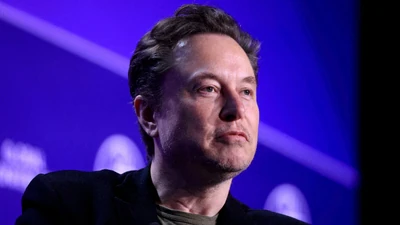
Elon Musk steps down from Trump’s government role to refocus on Tesla and SpaceX
Elon Musk has officially resigned from his temporary position as head of the Department of Government Efficiency (DOGE) under President Donald Trump, signaling a shift back to concentrating on his technology companies, including Tesla and SpaceX. Musk announced his departure on his social media platform X, expressing gratitude to Trump for the opportunity to reduce government waste. His role as a special government employee was limited to 130 days annually, a term that ended in late May 2025. During his tenure, Musk led efforts that resulted in cutting approximately 260,000 federal civilian jobs, though he scaled back his initial budget-cutting goals from $2 trillion to $150 billion. The Tesla and SpaceX CEO voiced disappointment with Trump’s recent budget bill, which he criticized for increasing the federal deficit and undermining the efficiency mission of DOGE. Musk’s exit comes amid a notable 13% drop in Tesla’s sales in the first quarter of the year and a significant decline in the company’s stock price, prompting shareholders to call for Musk’s full-time focus on Tesla. A coalition of Tesla investors recently urged the company’s board to secure Musk’s commitment to dedicating at least 40 hours per week to Tesla, citing concerns over the company’s volatility and Musk’s divided attention between politics and business. Despite reports of a potential CEO search, Tesla’s board chair Robyn Denholm reaffirmed confidence in Musk’s leadership and his plans for the company’s growth. Musk has indicated he will reduce his political donations and commitments moving forward, emphasizing a renewed focus on his tech ventures.

EU launches bold initiative to keep startups in europe, curb exodus to US
The European Union has revealed a sweeping new strategy aimed at preventing the continent’s most promising startups from relocating to the United States, a trend that has long concerned policymakers and innovation leaders across Europe. The plan, announced at a high-profile press conference in Brussels, introduces a mix of funding incentives, regulatory reforms, and cross-border support measures designed to make Europe a more attractive and competitive environment for tech entrepreneurs. A strategic response to startup flight The EU’s new initiative comes in response to mounting evidence that many of Europe’s fastest-growing startups are moving operations to the US, lured by larger investment pools, more flexible regulations, and easier access to global markets. According to recent data from the European Startup Network, nearly 30% of successful European startups have relocated their headquarters or primary operations to Silicon Valley or other US tech hubs in the past five years. Margrethe Vestager, Executive Vice-President of the European Commission for A Europe Fit for the Digital Age, said at the launch event, “Europe has the talent and the ideas, but we need to do more to ensure our startups have the resources and support they need to thrive here at home. This new plan is about creating the right conditions for innovation, growth, and global leadership – without our brightest minds feeling they need to leave.” Key features of the EU plan The initiative includes several headline measures: – A €10 billion pan-European venture fund to provide late-stage financing and keep high-growth companies anchored in Europe. – Streamlined visa and talent mobility programs to attract and retain top tech talent from both within and outside the EU. – Regulatory sandboxes that allow startups to test new products and services with fewer bureaucratic hurdles. – Cross-border tax incentives and harmonized intellectual property protections to reduce friction for companies operating in multiple EU countries. – Enhanced support for university spin-offs and deep tech ventures, with a focus on artificial intelligence, green tech, and health innovation. Industry reaction and broader implications The announcement has been met with cautious optimism by European founders and investors. Sophie Dubois, CEO of Paris-based fintech startup Ledgerly, commented, “This is the kind of bold action we’ve been hoping for. If the EU can deliver on these promises, it will make a real difference for those of us who want to build global companies from Europe.” However, some analysts warn that cultural and structural challenges remain. “Money and regulation are only part of the puzzle. Europe needs to foster a greater risk-taking culture and celebrate entrepreneurial success,” said Dr. Hans Keller, a technology policy expert at the University of Munich. The EU’s move comes as other regions, including the UK and the Middle East, are also ramping up efforts to attract and retain tech startups. The global competition for innovation leadership is intensifying, and Europe’s ability to keep its homegrown talent could have far-reaching implications for the continent’s economic future. Looking ahead The European Commission plans to begin rolling out the new measures in the second half of 2025, with pilot programs launching in France, Germany, and the Netherlands. Progress will be reviewed annually, with adjustments made based on feedback from the startup community and ecosystem stakeholders.

OpenAI acquires Jony Ive’s AI hardware startup io for $6.4 billion, names him creative head
OpenAI has announced the acquisition of io Products, the AI hardware startup co-founded by former Apple design chief Jony Ive, in an all-stock deal valued at approximately $6.4 billion. This strategic move marks OpenAI’s largest acquisition to date and signals a major shift toward developing AI-optimized hardware alongside its software offerings. OpenAI already owned a 23% stake in io and will pay about $5 billion in equity to acquire the remaining shares. The startup, founded just last year by Ive and fellow Apple veterans, focuses on creating devices designed from the ground up for artificial intelligence, rather than adding AI as an afterthought. Ive, renowned for his role in designing iconic products like the iPhone, iPad, and MacBook, will take on the role of Creative Head at OpenAI. While he will continue to lead his independent design studio LoveFrom, Ive will now have deep creative and design responsibilities across both OpenAI and io, helping to shape the next generation of AI-powered devices. OpenAI CEO Sam Altman highlighted the significance of the acquisition, saying, “We have the opportunity here to completely reimagine what it means to use a computer.” The company envisions a future where traditional interfaces like screens and keyboards may be replaced by new forms of AI interaction. Though specific details about the hardware remain under wraps, insiders describe the upcoming products as “something totally different to a phone”, a novel platform tailored for the AI-first era. The acquisition aligns with OpenAI’s broader ambition to build a family of products for the artificial general intelligence (AGI) future, where AI systems match or exceed human intelligence. The io team of about 55 engineers and designers will join OpenAI, further strengthening its hardware development capabilities. This deal follows OpenAI’s recent acquisitions of AI-assisted coding tool Windsurf for $3 billion and analytics company Rockset, highlighting its rapid expansion in both AI software and hardware.
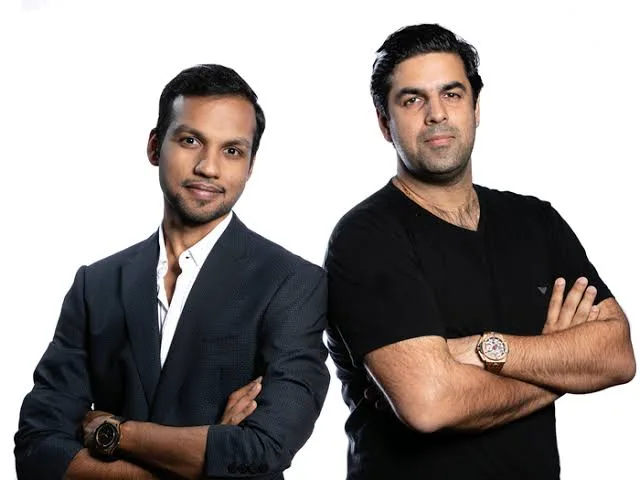
Builder.ai that promised app building as easy as ordering pizza, now faces insolvency
London-based artificial intelligence startup Builder.ai, once valued at over $1 billion and backed by major investors including Microsoft and Qatar’s sovereign wealth fund, has announced it will enter insolvency proceedings due to ongoing financial difficulties. The company, which raised more than $450 million since its founding in 2016, informed employees of its financial struggles during a company-wide call on May 20, 2025. Builder.ai’s main operating unit, Engineer.ai Corporation, will appoint an administrator to manage the company’s affairs as it seeks to address historic challenges and past decisions that severely strained its financial position. Builder.ai gained attention for its AI-powered platform designed to simplify app and website development, promising to make the process “as easy as ordering pizza.” Riding the wave of enthusiasm following the launch of ChatGPT, the startup raised a $250 million funding round in 2023. However, the company later revised its revenue forecasts downward by about 25% for the second half of 2024 and restated its 2023 revenues to $140 million amid concerns over inflated sales figures. Leadership changes have marked recent months at Builder.ai. Founder Sachin Dev Duggal stepped down as CEO in February 2025 amid scrutiny and legal challenges unrelated to the company’s operations. Manpreet Ratia, previously a managing partner at investor Jungle Ventures, took over as CEO and led a significant restructuring that included cutting roughly 270 jobs, about 35% of its global workforce. Despite efforts to stabilize the business, including securing a $50 million debt facility last year, Builder.ai’s cash reserves dwindled, leading to the decision to enter insolvency. The company emphasized its priority remains supporting employees, customers, and partners through this transition while working closely with the appointed administrators to explore all possible options for the business.
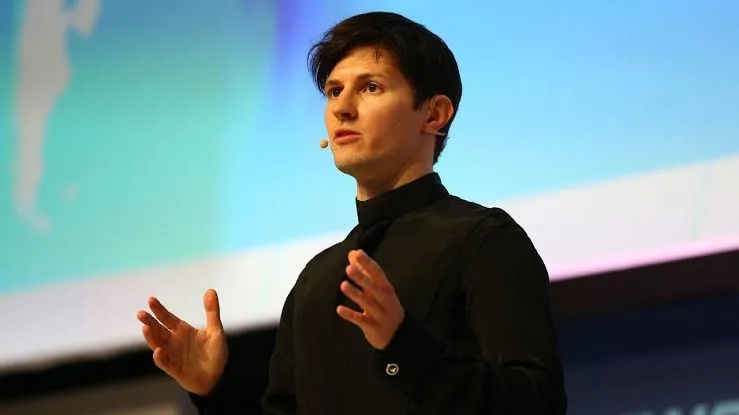
Telegram founder accuses French intelligence of attempting to censor Romanian conservatives ahead of election
Telegram founder Pavel Durov has publicly accused France’s intelligence chief of trying to interfere in Romania’s democratic process by requesting a ban on conservative voices on the messaging platform just before Romania’s presidential election. In a statement posted on X (formerly Twitter) on Sunday, Durov revealed that Nicolas Lerner, head of France’s intelligence agency, approached him earlier this year during a meeting in Paris with the request to block conservative channels in Romania. Durov said he refused the demand, emphasizing Telegram’s commitment to free speech, noting, “We didn’t block protesters in Russia, Belarus, or Iran. We won’t start doing it in Europe.” This revelation comes hours after Romania’s surprising presidential election result, where centrist Bucharest mayor Nicușor Dan defeated a hard-right nationalist candidate. France’s Foreign Ministry swiftly denied the allegations, calling them “baseless” and urging respect for Romanian democracy. Romanian officials have yet to comment on the claims. Durov’s accusations highlight growing tensions around the role of encrypted messaging platforms like Telegram in political discourse and election integrity, especially in Europe. Telegram is known for its minimal content moderation, often sparking debate over free speech and state influence.