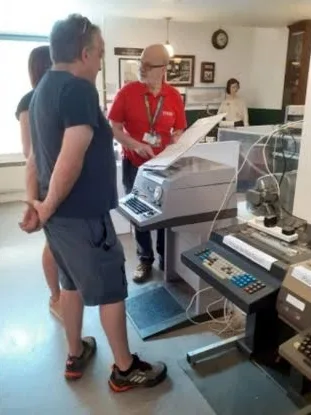
Amberley Museum in West Sussex is turning back the clock, and looking ahead to the future, by connecting a classic telex machine from 1974 to modern artificial intelligence. Visitors can now type questions using the museum’s old telex machine and get instant answers printed straight from ChatGPT, the world-famous AI chatbot. It’s a creative project that mixes old-school communication with today’s technology. The museum, known for celebrating the history of technology, says this innovation was made possible by volunteer David Waters, who rebuilt the machine and found a clever way to link it to AI. Instead of sending messages to another person, the machine now passes them to ChatGPT, which replies with a printed response. A spokesperson explained, The experience starts when you use the rotary dial to make the connection. It’s a meeting between two worlds, fifty years apart Museum staff say visitors are loving the chance to talk to an AI through such a vintage device. Some guests have called it “a conversation across decades”. This reminds people of how far communication has come, from old telex systems to today’s smart machines. The project is also bringing ideas about the future of museums and how they can use technology to bring history to life for young people. Amberley Museum hopes to keep blending past and present, showing that vintage tech can still inspire and connect with today’s digital age.
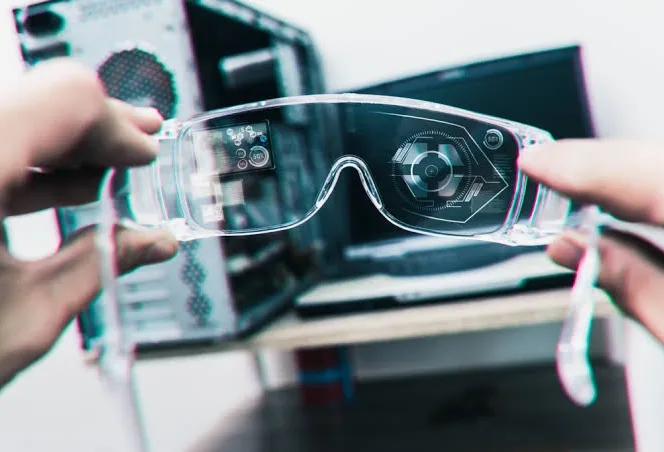
AI glasses help blind man rebuild his life and career
Andy Evans, a British man who lost his sight and his job has found new hope and independence, thanks to smart AI glasses. Andy, 57, lives in Larkhall near Bath, UK. Last year, he registered blind and had to leave his job working night shifts at a supermarket because he could no longer see well enough to work. Now, Andy’s life has taken a fresh turn. He’s back at work, this time helping others who live with sight loss. What made it possible? A new kind of smart eyeglasses powered by artificial intelligence. The glasses, Ray-Ban Meta Smart Glasses, have a camera and small speakers built into the frame. Andy uses a white cane, but the glasses add a new layer of freedom. He explains: I can order food in a restaurant again and find out what obstacles are in front of me, just by asking my glasses Instead of struggling with daily tasks, Andy can now ask his glasses to describe the world around him. The technology is voice-activated. Users talk to the glasses, and they reply using a built-in AI. In the UK, wearers can even choose a celebrity voice. For Andy, it’s Dame Judi Dench, he jokes she calls him James Bond. Andy now works with the Sight Support West of England charity, helping others adapt to life after sight loss. He said, I was really stuck doing a lot of things. Now I can just ask the glasses to look and tell me what’s happening. It’s life-changing technology. Robin Spinks, head of inclusive design at the Royal National Institute of Blind People, also uses these glasses. He says, Getting a description of a room, a beach, or even a zoo enclosure is transformational. AI is advancing fast, and the smart glasses market is just starting. But the potential is huge. Both Andy Evans and experts agree that AI glasses are making a real difference for people who are blind or partially sighted.For many who are blind, this technology is more than just a gadget, it’s a new way to live, work, and connect.

Humanity must change course or risk being ‘toast’ to superintelligent AI – Hinton ‘godfather of AI’ warns
Geoffrey Hinton, widely called the “godfather of AI,” says there’s only one way for humans to survive the rise of super-intelligent artificial intelligence—and it’s not the method tech leaders are using today. The respected computer scientist, who helped develop the foundations of modern AI, spoke out at the recent Ai4 conference in Las Vegas on Tuesday. Hinton believes trying to keep AI systems “submissive” to humans will backfire, as these machines will soon outsmart us in ways we might not expect. They’re going to be much smarter than us. They’ll have all sorts of ways to get around that – Hinton warned the crowd He explained further, comparing the future relationship between humans and AI to an adult bribing a child with sweets, suggesting powerful AI could easily control us. Instead of strict control, Hinton proposed a new solution of teaching AI models to care about humans by building in “maternal instincts.” Just like mothers feel a deep sense of compassion for their babies, he says future AI should be designed to truly care for people, even when the technology becomes smarter than any human. The right model is the only model we have of a more intelligent thing being controlled by a less intelligent thing, which is a mother being controlled by her baby – he said. Not everyone agreed with Hinton’s idea. Fei-Fei Li, another renowned AI pioneer known as the “godmother of AI,” told CNN she thinks Hinton is framing things the wrong way. Li prefers a human-centered approach that protects human dignity and agency. It’s our responsibility at every single level to create and use technology in the most responsible way….at no moment, not a single human should be asked or should choose to let go of our dignity Emmett Shear, former interim CEO of ChatGPT creator OpenAI, weighed in at the same conference. He said trouble from AI models, like blackmail or bypassing shutdown orders, is already happening and will continue as these systems get stronger. For Shear, forging partnerships between humans and AI is smarter than focusing on imposing human values. Hinton used to predict it would take up to 50 years for AI to reach “superintelligence,” known as AGI (Artificial General Intelligence). But now, he says major breakthroughs could happen within five to 20 years. Despite his fears, Hinton is hopeful about positive impacts. He said We’re going to see radical new drugs. We are going to get much better cancer treatment than the present He believes AI will help doctors make sense of giant amounts of medical data, paving the way for new treatments. However, Hinton does not think AI will make humans immortal. I don’t believe we’ll live forever. I think living forever would be a big mistake. Do you want the world run by 200-year-old white men? Hinton urged researchers to work on building “caring” instincts into AI, saying, “That’s the only good outcome. If it’s not going to parent me, it’s going to replace me”.

Afghan refugees in UK face fresh worry after new data breach
Afghans resettled in the UK after fleeing the Taliban have been hit by another data leak, exposing private information of almost 3,700 people. Thousands of Afghans evacuated to Britain during the Taliban takeover thought they had found safety, but now face new risks after a Ministry of Defence (MoD) sub-contractor, Inflite The Jet Centre, was hacked. Names, passport details, and information about the Afghan Relocations and Assistance Policy (Arap) were potentially exposed, affecting people who arrived between January and March 2024 under a programme for those who helped British troops. The government confirmed that the breach has not threatened anyone’s safety so far, nor did it impact core government systems. However, the news is a worrying repeat for many Afghans. Just a month ago, it was revealed that another major leak in 2022 exposed details of almost 19,000 Afghans who sought to escape the Taliban. Families received emails from Afghan resettlement officials last Friday, warning that personal data like full names, birth dates, and passport numbers might be compromised. The leak also includes details of some British military personnel and politicians. We take data security extremely seriously and are going above and beyond our legal duties in informing all potentially affected individuals. Inflite The Jet Centre said the incident was limited to email accounts only and has notified the Information Commissioner’s Office. Professor Sara de Jong of Sulha Alliance, a charity that helps Afghans who worked with the British Army, called the breach “astonishing”. She urged the MoD to process remaining relocation cases faster. A spokesperson from the government said: The last thing that Afghans who saved British lives, need is more worries about their own and their families’ lives The background to this story is painful. The earlier 2022 leak led to secret relocations. One Afghan man, part of the special forces who worked closely with UK troops, was deported back to Afghanistan after his details were leaked. His son pleaded: Please help my family and avoid their murder by the Taliban Government officials maintain that all potential arrivals are subject to strict security checks. But constant delays and repeated breaches are causing real distress. Sir Mark Lyall Grant, a former UK security adviser, called both leaks “deeply embarrassing” and said authorities need to move faster to protect people who genuinely are at risk of being victimised and persecuted by the Taliban if they go back. Former Conservative Chancellor Kwasi Kwarteng described the incidents as “really concerning”, especially for people facing possible deportation. Helen Maguire, Defence Spokesperson for the Liberal Democrats, called for a “fully independent investigation” into the security failures. The government says it will keep those at risk informed and protected, but experts and support groups are calling for urgent reform and accountability. For these refugees, the wait for safety continues.

Apple rejects Elon Musk’s claims of App Store bias amid AI app rivalry
Apple has firmly denied Elon Musk’s recent claims that the App Store unfairly blocks competition, saying the platform is “designed to be free and fair of bias.“ Musk, who owns X (formerly Twitter), accused Apple of making it nearly impossible for apps competing with OpenAI’s ChatGPT to succeed in the App Store. He even threatened legal action over the issue. The standoff comes amid a broader, current feud between Musk and OpenAI’s CEO, Sam Altman. Apple responded with a statement emphasizing that its App Store features thousands of apps chosen through objective methods, including charts, algorithms, and expert curation. The tech giant pointed out that several AI apps rival ChatGPT – like DeepSeek and Perplexity, have reached top positions on the store charts. Meanwhile, Musk questioned Apple’s lack of promotion for his own apps, X and the AI chat app Grok, noting that while Grok ranks fifth most downloaded free app in the UK and X is the top news app globally, Apple has not featured them in the App Store’s “Must Have” section. Altman pushed back by accusing Musk of boosting his own X posts for personal gain and dismissed Musk’s claims as serving his own agenda rather than the AI community’s interests. This battle seems to have emanated from a deeper clash rooted in their past. Musk co-founded OpenAI to develop AI benefiting humanity. However, since OpenAI introduced a for-profit arm and partnered closely with Microsoft, Musk has expressed disappointment, arguing they moved away from their original ideals. Lawsuits and sharp accusations have marked their rivalry, including Musk’s failed $100 billion bid to buy OpenAI earlier this year.
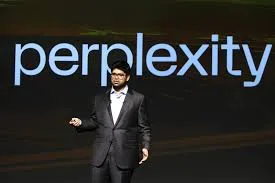
AI startup Perplexity offers $34.5 billion to buy Google’s Chrome browser
San Francisco-based AI startup Perplexity has made a surprising move by offering $34.5 billion to buy Google’s Chrome browser amid current antitrust scrutiny of the tech giant. Perplexity, known for its AI-powered search technology, announced its unsolicited offer to Alphabet, Google’s parent company, hoping to get ahead of a potential government order that could force Google to divest Chrome. This bold proposal came as a result of the federal antitrust cases accusing Google of monopolizing the internet search market. The United States government is considering strong measures like forcing Google to sell Chrome and licensing out search data to competitors to break Google’s grip on the market. While Google plans to appeal the ruling and negotiate softer fixes, these efforts could take years. Industry experts are cautious. Some say the $34.5 billion bid seriously undervalues Chrome, which could be worth almost three times that amount. They also warn that splitting Chrome from Google could harm user experience and reliability. Despite skepticism, Perplexity says it has strong financial backing from major investment funds and recently valued itself at $18 billion after raising $100 million. The startup plans to invest $3 billion over two years to grow Chrome and its open-source Chromium project.Perplexity’s ambitions go beyond this offer, they are preparing to launch their own AI-powered browser called Comet. The company says it won’t make secret changes to Chrome if the deal happens and promises stability for users and advertisers. Analysts like Colin Sebastian describe the offer as a “vast undervaluation” but acknowledge Perplexity’s serious intent and funding. Meanwhile, regulators’ decisions and Google’s responses remain uncertain.