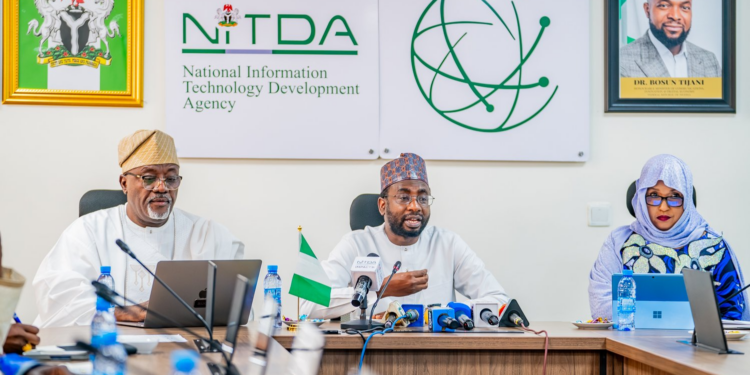
The National Information Technology Development Agency (NITDA) has been tasked by President Bola Tinubu to lead a crucial project designed to remove the country from the Financial Action Task Force (FATF) Grey List by 2025, aimed at improving Nigeria’s financial reputation. Nigeria was placed on this list in February 2023 due to various shortcomings in its efforts to combat money laundering, terrorism financing, and other financial crimes. The FATF, an international body that promotes policies to protect the global financial system, uses the Grey List to signal that a country is not doing enough to fight financial crime. During the inaugural meeting for the project, NITDA’s Director-General, Kashifu Inuwa, emphasized that the initiative will focus on building better systems for managing financial data and ensuring compliance with international standards. He pointed out that Nigeria’s inclusion on the Grey List was due to several issues, including rising capital inflows and deficiencies in combating money laundering and financing of terrorism.“The main objective of this project is to enhance our global compliance and position Nigeria as a key player in the fight against financial crimes – Inuwa. He highlighted that improving these systems would not only help Nigeria regain its standing but also strengthen national security by tracking illicit financial flows and disrupting criminal networks. The project is set to be a collaborative effort involving various stakeholders, including the Nigerian Financial Intelligence Unit (NFIU). Hajiya Hafsat Bakari, Director-General of NFIU, stressed the importance of ongoing collaboration to ensure that Nigeria does not find itself back on the Grey List after the next evaluation cycle in 2027.Bakari noted that utilizing technology will enhance the credibility of Nigeria’s financial data, making it more accessible and reliable for both domestic and international partners. Support for this initiative extends beyond NITDA and NFIU. Rep. Stanley Adedeji, Chairman of the House of Representatives Committee on ICT and Cybersecurity, assured that the National Assembly would provide necessary funding for the project. He also mentioned that any laws hindering progress would be amended promptly.“We are committed to ensuring that this project receives the funding it needs and that any legislative barriers are removed,” Adedeji affirmed. As Nigeria embarks on this ambitious journey to exit the FATF Grey List, there is hope that these efforts will not only improve its global reputation but also foster a safer and more secure economic environment. With a focus on innovation and collaboration, Nigeria aims to strengthen its financial systems and combat corruption effectively.This initiative represents a crucial step towards enhancing Nigeria’s standing in the global financial community and ensuring a more transparent economic future.
Nigeria’s CNG conversion capacity soars by 2,500% in 2024 – NMDPRA
The Nigerian Midstream and Downstream Petroleum Regulatory Authority (NMDPRA) has announced a staggering 2,500% increase in the country’s Compressed Natural Gas (CNG) conversion capacity for the year 2024. This remarkable boost was revealed by NMDPRA’s Chief Executive Officer, Farouk Ahmed, during the inaugural Petroleum Industry Stakeholders’ Forum held on Thursday in Abuja. To support this ambitious expansion, NMDPRA has established 186 new conversion centers across the country. Ahmed attributed this growth to the ongoing Presidential Compressed Natural Gas Initiative (PCNGI), which aims to promote CNG as a viable alternative to petrol. As a result of these efforts, the population of Nigerian Gas Vehicles (NGVs) is expected to rise significantly, with current estimates suggesting that there are already between 30,000 and 50,000 CNG vehicles and trucks on the roads. Ahmed expressed optimism about the future of CNG in Nigeria, stating, “We will continue to collaborate with the PCNGI to ensure the deployment of CNG infrastructure in major cities like Lagos and Abuja, targeting up to 100,000 conversions.” This initiative not only aims to increase CNG vehicle numbers but also seeks to improve air quality and reduce dependence on traditional fuels. The NMDPRA has attracted over $400 million in investments for the development of CNG infrastructure, including 86 new daughter stations and 65 mother stations currently under construction. The refueling capacity for CNG has also seen a significant rise, moving from 20 to 56 stations. In addition to expanding infrastructure, Ahmed announced plans to launch an NGV Monitoring System this year in collaboration with the Standards Organisation of Nigeria (SON). This system is designed to ensure that CNG growth is managed safely and sustainably. Despite these positive developments, Ahmed acknowledged several challenges that could hinder the spread of CNG in Nigeria. These include issues related to licensing and permits for petroleum handling facilities, as well as a lack of cooperation among some industry operators. He urged stakeholders to adhere to regulatory requirements focused on safety and efficiency. As Nigeria moves into 2025, Ahmed emphasized the NMDPRA’s commitment to enhancing regulatory oversight and improving product quality analysis through upgraded laboratories and better inter-agency collaboration. The Nigerian government is also taking steps to encourage the adoption of CNG vehicles. The National Automotive Design and Development Council (NADDC) has pledged to address infrastructure gaps that currently limit CNG vehicle usage. Additionally, import tariffs on CNG equipment have been waived to further stimulate growth in this sector.With these initiatives in place, Nigeria is poised for a significant transformation in its energy landscape as it embraces cleaner alternatives like Compressed Natural Gas.
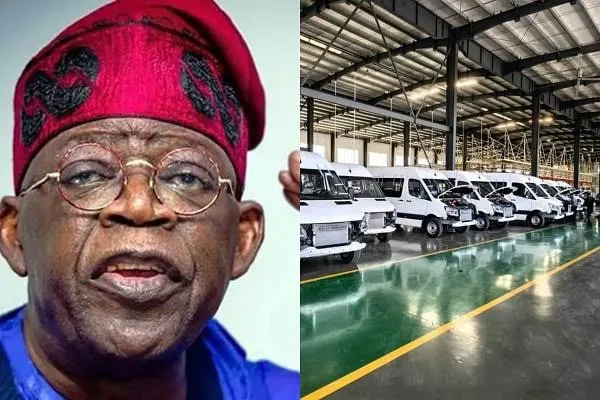
Nigeria launches bold initiative to convert 10,000 commercial vehicles to CNG
The Federal Government of Nigeria has kicked off the 10-for-10 Campaign, aiming to convert 10,000 commercial vehicles to run on Compressed Natural Gas (CNG) within just 10 weeks. This initiative, announced by the Presidential Compressed Natural Gas Initiative (PCNGI), is set to revolutionize the way people commute in major cities like Abuja and Lagos. The campaign was officially launched on January 16, 2025, and will continue until March 31, 2025. It represents a proactive step in tackling two pressing issues: the soaring costs of fuel and the urgent need for cleaner air. By converting vehicles to CNG, the government hopes to provide a more affordable and environmentally friendly alternative to traditional petrol. One of the most exciting aspects of this campaign is that commercial vehicle operators can take advantage of free CNG conversions. This initiative not only promises to lower fuel expenses for drivers but also aims to enhance air quality in urban areas. The PCNGI has emphasized that this is a “golden chance” for operators to join the movement towards a smarter and greener future in transportation.“This is your golden chance to enjoy FREE CNG conversions and be part of the future of transportation,” said a representative from PCNGI. “Reduced fuel costs, cleaner air, and a smarter commute await you.” This campaign builds on previous successes in Nigeria’s energy transition journey. As of November 2024, over 100,000 vehicles had already been converted from petrol to CNG or bi-fuel systems, showcasing a growing acceptance of this alternative fuel source among Nigerians. The number of CNG conversion centers has also surged from just seven in 2023 to over 140 in 2024, with plans for even more centers across the country. Engr. Michael Oluwagbemi, Project Director and CEO of PCNGI, highlighted the positive reception of CNG among vehicle owners. “Since the launch of this ground-breaking initiative, we’ve seen a significant shift as Nigerians embrace CNG as a cost-effective alternative to petrol,” he stated. “Many are reporting over a 60% reduction in their fuel expenses.” The initiative is not just about environmental benefits; it’s also creating economic opportunities. Currently, over 2,000 Nigerians are employed at conversion centers, with more jobs expected as CNG adoption increases. The private sector has already invested over two billion naira into establishing these centers, with additional investments anticipated to meet the demand for CNG conversions. With this campaign, Nigeria is not only taking steps towards a greener future but also fostering job creation and economic growth. As the deadline approaches, many are hopeful that this initiative will pave the way for a more sustainable transportation system across the nation.
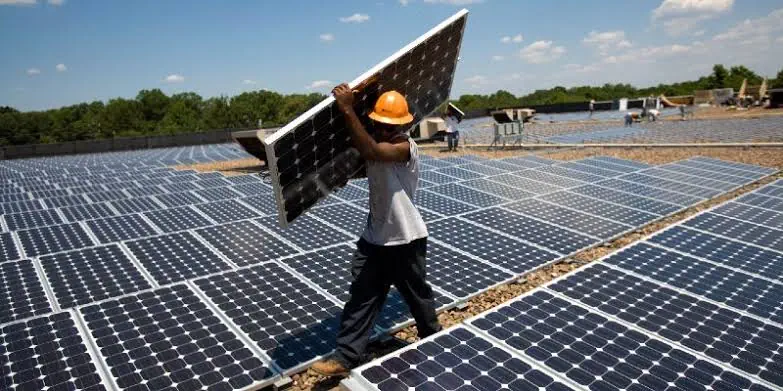
Nigeria’s solar capacity hits 385.7 MWp in 2024 amid rising interest in renewable energy
Nigeria’s installed solar capacity has reached 385.7 Megawatt peak (MWp) as of 2024, marking an addition of 63.5 MWp this year alone. This development comes from a recent report by the Africa Solar Industry Association (AFSIA), which highlights Nigeria’s growing role in harnessing solar power as an alternative energy source. The surge in solar capacity is largely driven by the recent removal of fuel subsidies, which has led many Nigerians to seek more affordable energy solutions. As electricity costs from the national grid continue to rise, solar energy is becoming an increasingly attractive option for households and businesses alike.According to the AFSIA report, Nigeria now ranks 4th in Africa for solar energy capacity, trailing behind South Africa, Egypt, and Zambia. South Africa remains the leader in the continent’s solar landscape, while Egypt has climbed to second place thanks to new projects coming online. Despite the promising growth in solar installations, Nigeria still faces challenges. The contribution of solar energy to the national energy mix stands at only 1.6%. This indicates that while progress is being made, there is still a long way to go in fully integrating solar power into the country’s energy strategy. AFSIA CEO John van Zuylen noted during the unveiling of the report at the Powerelec Nigeria conference in Lagos that while solar energy is gaining traction across Africa, it remains concentrated in a few countries. In fact, South Africa and Egypt accounted for nearly 80% of all new solar installations in 2024. As Nigeria continues to explore renewable energy options, experts believe that increased investments and supportive policies could lead to a more diversified and sustainable energy landscape in the coming years. With ongoing interest and initiatives aimed at promoting solar power, there is hope that Nigeria can significantly enhance its renewable energy capacity and reduce its reliance on traditional fossil fuels. This positive trend reflects a broader movement across Africa towards sustainable energy solutions, as countries seek to address power shortages and environmental concerns through innovative technologies like solar power
Vodacom named Africa’s top employer for 2024 and launches ambitious digital skills hub
Vodacom Group has been named the number one employer in Africa for 2024 by the Top Employers Institute. This prestigious recognition highlights Vodacom’s commitment to creating a supportive and inclusive work environment, marking the second year in a row that the company has received this honor. Vodacom’s CEO, Shameel Joosub, expressed pride in this achievement, emphasizing that the well-being of employees is crucial to the company’s success. “We believe that when our employees thrive, so does our ability to connect people for a better future,” he stated. The company has focused on enhancing its Employee Value Proposition, introducing policies that promote compassion, acceptance, respect, and empathy (C.A.R.E.). These initiatives include comprehensive wellness programs and support for various life stages, ensuring that employees feel valued and empowered. In addition to this recognition, Vodacom has announced the launch of a new Digital Skills Hub aimed at training 1 million young Africans between the ages of 18 and 35 by 2027. This initiative seeks to equip the next generation with essential digital skills needed in today’s rapidly evolving job market. Matimba Mbungela, Vodacom’s Chief Human Resources Officer, highlighted the urgency of preparing young people for careers in technology. “The Digital Skills Hub will provide access to self-paced training programs designed to nurture talent and career development in the tech industry,” he said. The hub will also collaborate with leading tech organizations like Amazon Web Services and Microsoft to offer engaging training experiences. The Digital Skills Hub aims to boost digital literacy across eight African countries, including South Africa, Ethiopia, Tanzania, Mozambique, Lesotho, Egypt, the Democratic Republic of Congo, and Kenya. The first program available through the hub is AWS Educate, which offers a wealth of online resources covering topics from cloud computing to artificial intelligence. As Vodacom embarks on this new initiative, Joosub encouraged young people, whether students or aspiring entrepreneurs, to take advantage of these training opportunities. “By supporting digital skills training as a Top Employer, we are empowering the next workforce and ensuring that everyone can connect to a better future,” he said. With these initiatives, Vodacom is not only leading in employee satisfaction but also paving the way for a more digitally skilled workforce across Africa.
Telecom tariff hike limited to 60% – Minister Bosun Tijani
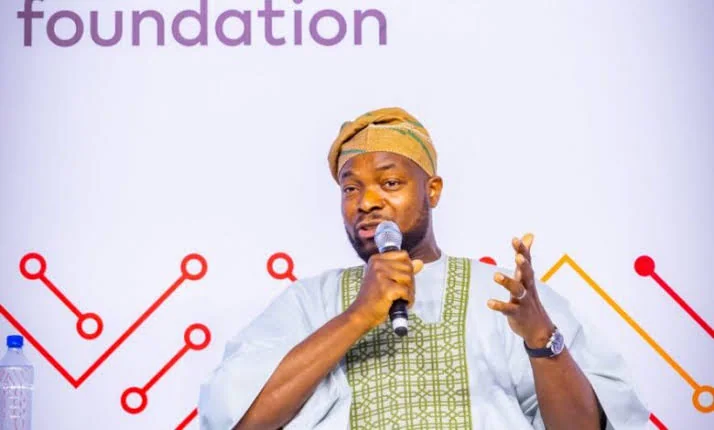
Nigeria’s telecommunications sector, Dr. Bosun Tijani, the Minister of Communications, Innovation, and Digital Economy, stated that any forthcoming increase in telecom tariffs will be capped at 60%. This decision comes in response to a controversial request from telecom operators who sought a staggering 100% increase to offset rising operational costs. Speaking during an appearance on Channels TV, Tijani highlighted the government’s stance on the matter. “While telecom operators argue that a 100% increase is necessary for their sustainability, we believe that such a drastic hike would be detrimental to the average Nigerian,” he explained. The Minister emphasized that the government is committed to ensuring that telecommunications remain accessible and affordable for all citizens. Tijani acknowledged the pressures faced by telecom companies due to inflation, foreign exchange fluctuations, and rising energy costs. For instance, he pointed out that diesel prices have skyrocketed from pre-COVID levels of N230 per liter to over N1,000. Similarly, the official exchange rate has surged from N424.50 to about N1,550, significantly increasing the cost of importing essential infrastructure. Despite these challenges, Tijani reassured viewers that the government is actively working on several initiatives aimed at supporting the telecom industry. “We are exploring ways to enhance local content in the sector and reduce reliance on imports,” he noted. This approach could help lower operational costs for telecom operators while fostering local industry growth. In addition to tariff discussions, Tijani revealed plans for substantial investments in telecom infrastructure. The government aims to invest in 90,000 kilometers of fiber optic networks and establish towers in rural areas. This investment will not only improve service delivery but also expand customer reach without placing a heavy financial burden on telecom companies. Moreover, Tijani mentioned ongoing tax reforms aimed at harmonizing multiple taxes imposed on telecom operators. By streamlining these taxes, the government hopes to create a more favorable business environment for these companies. The sentiment echoed by Tijani aligns with concerns raised by industry leaders. Karl Toriola, CEO of MTN Nigeria, recently warned that without a tariff review, the sustainability of the telecom sector could be at risk. He stressed that telecommunications are vital for economic growth and urged for urgent action to address operational challenges faced by providers. As discussions continue around the impending tariff adjustments, both consumers and industry stakeholders are watching closely. The Nigerian Communications Commission (NCC) is expected to finalize its decision soon, which will set the stage for how telecommunications services are priced in the coming months. While an increase in telecom tariffs is inevitable due to economic pressures, the government’s commitment to limiting this rise and investing in infrastructure aims to strike a balance between sustaining the industry and protecting consumers’ interests