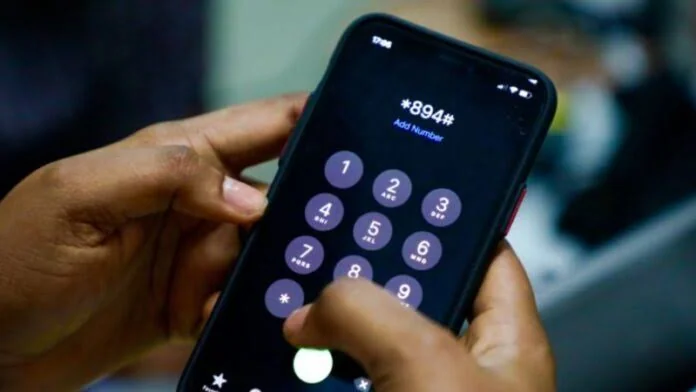
The Nigerian Communications Commission (NCC) has instructed telecom operators to disconnect the Unstructured Supplementary Service Data (USSD) codes of nine banks that have failed to settle their debts. This decision comes as part of an ongoing dispute over a staggering N250 billion owed by various financial institutions for USSD services. The banks facing disconnection include some well-known names: Fidelity Bank, First City Monument Bank, Jaiz Bank, Polaris Bank, Sterling Bank, United Bank for Africa (UBA), Unity Bank, Wema Bank, and Zenith Bank. Each of these institutions has been given until January 27, 2025, to clear their outstanding debts or risk losing access to their USSD codes. In a public notice issued by Reuben Muoka, the Director of Public Affairs at the NCC, it was highlighted that as of January 14, 2025, nine out of 18 banks had not complied with the regulatory directives aimed at settling their debts. This situation has escalated tensions between telecom operators and banks, which have been at odds over these unpaid service charges for years USSD codes have become an essential tool for financial transactions in Nigeria, particularly because they allow users to access banking services without needing an internet connection. This is especially crucial in a country where internet access is still limited for many. The NCC’s warning follows months of pressure from mobile operators who have expressed frustration over the unpaid debts, claiming it has adversely affected their businesses. While some smaller banks have begun making payments, larger institutions have been slower to respond. In November 2024, the Association of Licensed Telecom Operators of Nigeria (ALTON) reported that while some progress had been made in debt repayments, major banks still owed significant amounts. The NCC and the Central Bank of Nigeria (CBN) previously issued a joint circular in December outlining a new payment procedure that requires banks to settle 60% of pre-2022 debts by early January 2025 and 85% of USSD debts incurred after February 2022 by the end of December 2024. With the deadline looming, the NCC has made it clear that failure to comply will result in service disruptions for customers. Consumers may be unable to access the USSD platform of the affected financial institutions from January 27.
Nigerian Correctional Service Partners with NIMC to Register Inmates for NIN
The National Identity Management Commission (NIMC) has granted the Nigerian Correctional Service (NCoS) the authority to register all 79,518 inmates across the country for National Identification Numbers (NIN). This initiative, announced during a recent visit to NIMC’s headquarters in Abuja, aims to ensure that inmates are not left out of Nigeria’s national development plans. Mr. Sylvester Nwakuche, the Acting Controller General of NCoS, shared that this partnership with NIMC is part of ongoing reforms within the correctional system. He emphasized that registering inmates for NIN will enhance their safety and security while also making it easier to recapture them in case of jailbreaks. “Inmates should be integrated into society,” he stated, noting that many have pursued higher education, including degrees and even PhDs, while incarcerated. Currently, a significant portion of the inmate population, about 53,440 individuals, are awaiting trial. Nwakuche suggested that these individuals should also have a voice in national planning and census activities, as their futures are still uncertain and they deserve a chance to contribute to society Engr. Abisoye Coker-Odusote, the Director-General of NIMC, echoed these sentiments, highlighting the importance of NIN in Nigeria’s broader development agenda. She pointed out that linking NINs to various government services, such as student loans, helps eliminate fraud and ensures that resources reach those who genuinely need them. The collaboration with NCoS is part of a larger effort by NIMC to modernize its services and improve accessibility for all Nigerians. Recently, NIMC announced plans for a new multipurpose national identity card that will not only serve as identification but also facilitate financial transactions. This card aims to help those without any means of identification, particularly in remote areas. As of October last year, NIMC had issued NINs to over 115 million Nigerians and legal residents. With the new initiative to register inmates, this number is set to rise significantly.This step not only represents progress for the correctional system but also underscores Nigeria’s commitment to ensuring that every citizen, regardless of their circumstances, has access to essential services and opportunities for reintegration into society.
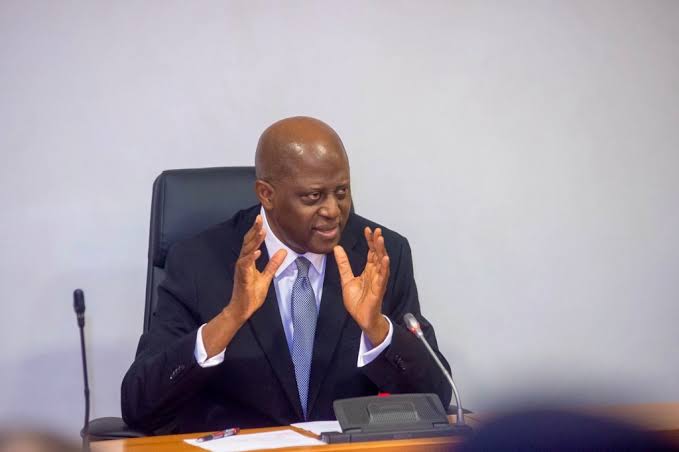
CBN Fines Nine Banks N1.35 Billion for ATM Cash Shortages During Holidays
The Central Bank of Nigeria (CBN) has imposed hefty fines on nine commercial banks, totaling N1.35 billion. Each bank has been fined N150 million after the CBN conducted spot checks and found that many ATMs were running low on cash during the busy holiday period. The banks affected by this penalty include well-known names such as Fidelity Bank, First Bank, Keystone Bank, and Zenith Bank. The CBN had previously issued clear guidelines to these institutions, urging them to ensure that their ATMs were stocked with sufficient cash to meet customer demand during the yuletide season. Mrs. Hakama Sidi-Ali, acting Director of Corporate Communications at the CBN, reiterated the bank’s commitment to maintaining a steady flow of cash. She stated, “In a clear message of zero tolerance for cash flow disruptions, the Central Bank of Nigeria has sanctioned Deposit Money Banks for failing to make Naira notes available through automated teller machines during the festive season.” The CBN’s actions come after a series of warnings to financial institutions about the importance of ensuring seamless cash availability, especially during high-demand times like the holidays. The fines will be directly deducted from the banks’ accounts at the CBN. In addition to these penalties, the CBN is ramping up its efforts to monitor and address issues related to cash hoarding and rationing at bank branches and Point-of-Sale (POS) terminals. The bank is collaborating with security agencies to combat illegal cash sales and ensure compliance with new withdrawal limits set for POS operators. As part of its ongoing initiatives to promote a cashless economy, the CBN has also implemented daily cash withdrawal limits for customers and POS agents. Customers can now withdraw a maximum of N500,000 per week, while POS agents are limited to N1.2 million in total daily withdrawals. This recent crackdown underscores the CBN’s determination to improve cash circulation in Nigeria and restore trust among customers who have faced disruptions in accessing their funds in recent months. With these measures in place, there is hope for a more reliable banking experience in future holiday seasons, ultimately benefiting both consumers and financial institutions alike

U.S. Awards $2 Million Grant to Boost Nigeria’s Digital Infrastructure
The U.S. government has awarded a grant of $2,095,000 aimed at deploying 90,000 kilometers of new fiber optic backbone across the country. This funding, provided by the U.S. Trade and Development Agency (USTDA), was announced during the inaugural U.S.-Nigeria Technology Dialogue held in Washington, D.C., on January 10, 2025. The grant aligns with Nigeria’s National Broadband Plan for 2020-2025, which seeks to increase broadband penetration from the current 42.27% to a target of 70%. The plan also aims to ensure that at least 90% of Nigerians have access to affordable and reliable internet services. During the dialogue, U.S. Deputy Secretary of State Kurt Campbell and Nigeria’s Minister of Communications, Innovation, and Digital Economy, Dr. Bosun Tijani, highlighted the importance of this partnership in addressing the challenges and opportunities in digital transformation. Campbell emphasized that improving digital infrastructure is crucial for Nigeria’s economic growth and development of digital skills. The discussions also covered a range of topics relevant to both nations’ digital economies, including e-commerce, infrastructure development, and artificial intelligence (AI). Delegates from over 25 U.S. and Nigerian companies participated in roundtable discussions focused on fostering innovation and collaboration between the public and private sectors. One notable outcome of the dialogue was an agreement to hold a virtual expert exchange on AI-enabled biotechnology, which will explore how the intersection of AI and biotechnology can contribute to advancements in global health and food security, particularly in sub-Saharan Africa In addition to this grant, the Nigerian government recently launched the Technology Export and Digital Trade Desk, aimed at increasing annual funding for local startups from $1 billion to $5 billion. This initiative is part of a broader strategy to boost Nigeria’s tech sector and enhance its contribution to the national economy Dr. Tijani expressed optimism about these developments, stating that they reflect President Bola Tinubu’s vision for a $1 trillion Nigerian economy driven by innovation and international trade.

TikTok Denies Elon Musk Acquisition Rumors Amid Looming U.S. Ban
TikTok, one of the popular social media platform has firmly denied reports suggesting that Elon Musk is in talks to buy its U.S. operations. This speculation arose after Bloomberg reported that Chinese officials were considering Musk as a potential buyer, especially with a looming deadline for TikTok’s parent company, ByteDance, to divest its U.S. stake by January 19 to avoid a ban. A TikTok representative dismissed the claims as “pure fiction,” emphasizing that the company cannot be expected to comment on baseless rumors. This denial comes at a critical time, as TikTok is grappling with significant legal challenges in the U.S. The Supreme Court recently heard arguments regarding TikTok’s emergency appeal against a law that could effectively ban the app if ByteDance does not sell its U.S. operations. The backdrop of this situation is complex. Analysts estimate that TikTok’s U.S. business could be valued between $40 billion and $50 billion. The discussions about a potential sale reportedly stem from concerns among Chinese officials about the future of TikTok under a new Trump administration, which has previously expressed strong opposition to the app. Musk, who has extensive business ties in China through his electric vehicle company Tesla, has publicly opposed banning TikTok, arguing that such actions would infringe on freedom of speech and expression. If a deal were to happen, it could potentially involve merging TikTok with Musk’s social media platform X (formerly Twitter), creating new opportunities for advertising revenue. However, any potential acquisition would face numerous hurdles, including complicated technological separation requirements and approvals from both U.S. and Chinese governments. As the clock ticks down to the January 19 deadline, the future of TikTok remains uncertain, leaving millions of users in the U.S. anxious about what lies ahead.
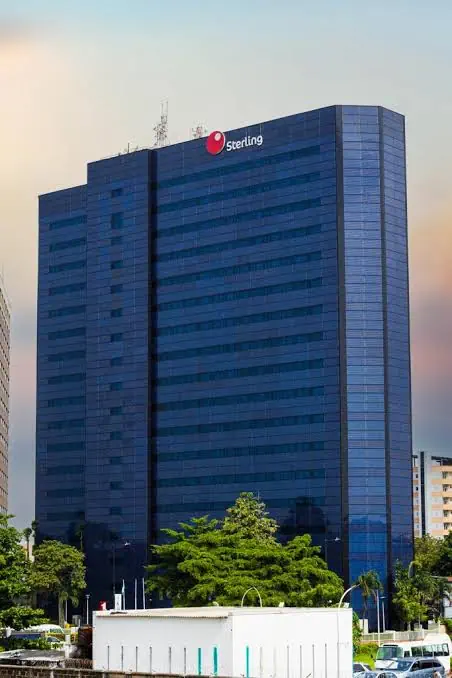
Sterling bank increases staff salaries by 7%, but employees seek more
Sterling Bank has announced a 7% salary increase for its more than 3,000 staff members, in a bid to help its employees cope with the rising cost of living. The news was shared in an internal memo earlier this month, marking a significant step as the bank responds to ongoing economic pressures affecting many Nigerians. This salary adjustment is part of a broader trend among banks in Nigeria, which have been reevaluating employee compensation in light of inflation and increased living expenses. Last August, Sterling Bank had already introduced a cost-of-living adjustment (COLA) stipend of ₦75,000 for employees ranging from executive trainees to assistant banking officers. However, it remains unclear if this stipend will continue alongside the new salary structure. While the specifics of the salary increases are not publicly available, insiders indicate that adjustments vary based on employee grade levels. Sterling Bank employs a tiered salary structure that allows for raises within existing grades without necessitating formal promotions. For example, executive trainees will see their monthly pay rise from ₦327,000 to ₦351,000, while senior executives will go from ₦500,000 to ₦527,000. Chibuzo Ihentuge-Eric, an HR professional, explained that during economic downturns, companies often adjust salaries sideways within grade levels rather than promoting employees to higher ranks. This approach helps manage costs while still providing some relief to staff.Despite the raise, some employees expressed disappointment. Many were hoping for increases more in line with those seen at other banks, like Union Bank and GTBank, which raised salaries by 40% late last year. One anonymous employee shared, “Considering inflation and the state of the economy, this feels underwhelming.” Sterling Bank’s profit after tax for the period ending September 2024 was ₦27.4 billion, reflecting a robust 67% year-on-year increase. The bank is projecting ₦121.8 billion in gross earnings for the first quarter of 2025. However, its personnel expenses reached ₦22.6 billion, accounting for about 21.67% of total expenses. If the new salary adjustments increase personnel costs by the usual 10%, this could raise the wage bill to approximately ₦24.86 billion, still one of the lowest among its peers. For context, Union Bank reported personnel expenses of ₦34 billion, while Fidelity Bank and FCMB reported even higher figures While Sterling Bank’s 7% salary increase reflects an effort to support employees amid rising living costs, many staff members feel the adjustment falls short of their expectations. As competition for talent intensifies within the banking sector, the bank faces the challenge of balancing financial sustainability with employee satisfaction. This situation underscores the need for ongoing dialogue between management and staff to ensure that compensation remains competitive and responsive to economic realities.