
The Central Bank of Nigeria (CBN) has launched two new financial products designed to make it easier for Nigerians living overseas to invest in their home country. The new accounts, known as the Non-Resident Nigerian Ordinary Account (NRNOA) and the Non-Resident Nigerian Investment Account (NRNIA), aim to attract the Nigerian diaspora and encourage their participation in the local economy. The announcement was made on Friday by W.J. Kanya, acting director of the CBN’s trade and exchange department. According to the CBN, the NRNOA allows non-resident Nigerians to remit their foreign earnings back home and manage their funds in both foreign and local currencies. This means that whether you’re earning in dollars, pounds, or euros, you can easily transfer your money to Nigeria without hassle. On the other hand, the NRNIA is specifically designed for investment purposes. It enables Nigerians abroad to invest in various assets within Nigeria using either foreign currency or Naira. This dual currency option is a significant advantage for those looking to take part in Nigeria’s growing investment landscape. The CBN believes that these new accounts will not only provide greater access to investment opportunities but will also strengthen the contributions of Nigerians living abroad toward the socio-economic development of Nigeria. The circular from CBN highlights that account holders can participate in initiatives like Nigeria’s Diaspora Bond and other debt instruments specifically aimed at the diaspora community. “This initiative will serve as a secure channel for managing funds directly, reducing reliance on third parties for local commitments,” the CBN stated. This move which started since January 1, 2025, permits eligible non-resident Nigerians to open these accounts, provided they meet certain Know Your Customer (KYC) requirements. Details on these requirements will be made available soon. This move comes on the heels of a previous announcement regarding the introduction of a Non-Resident Bank Verification Number (NRBVN), which is set to simplify banking processes for Nigerians abroad. During a recent forum focused on optimizing remittances to Nigeria, CBN’s Deputy Governor for Economic Policy, Muhammad Sani Abdullahi, emphasized the importance of enhancing remittance flows and strengthening Nigeria’s financial sector. Remittances have been a crucial source of income for Nigeria, averaging around $20.5 billion annually over the past decade according to the World Bank. However, much of this money tends to be used for immediate consumption rather than long-term investments that could foster economic growth. The CBN aims to change this narrative by encouraging more strategic use of remittance funds. These new account offerings from the CBN present an exciting opportunity for investment and engagement with Nigeria’s financial landscape.
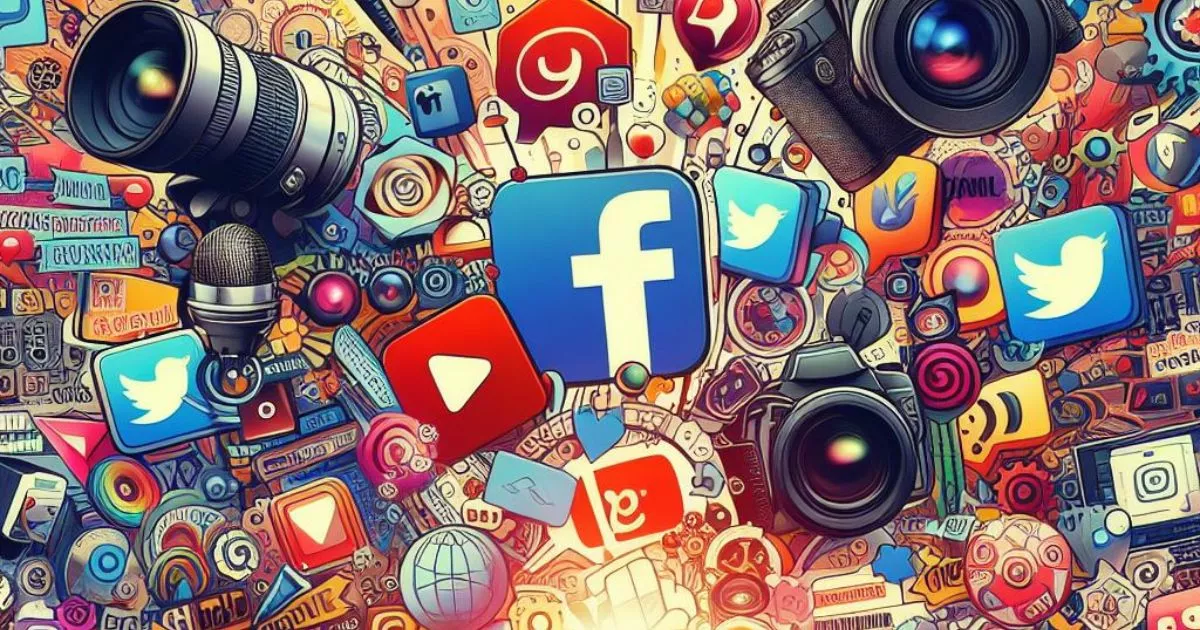
The Rise of Content Baddies—Mad for the Gram
In a world where the thirst for likes, views, and fame has become modern-day currencies, people are going to dangerous lengths to gain visibility and attention. Even if it means eating bizarre foods, doing life-threatening stunts, and even humiliating yourself and your family for the public’s laughs and gags. Scrolling through social media these days feels like stepping into a circus of wild stunts, cringe-worthy pranks, and an endless parade of people chasing fleeting moments of notoriety. This growing phenomenon reflects not only our individual choices but a societal shift in how we value and reward behaviour online. Despite knowing these are creators who will do anything for attention and go any length, often at the cost of sacrificing their dignity, safety, and sanity. Who are Content Baddies? Content baddies are so-called influencers or wannabe stars who push the boundaries of taste and ethics to go viral. They are the ones eating the world’s hottest peppers on TikTok, staging public meltdowns on Instagram, or posting outrageously staged “pranks” on YouTube. For them, controversy isn’t a byproduct—it’s the goal. But beneath the flashy edits and trending hashtags lies a deeper issue: the extreme lengths people are willing to go for internet fame. These antics often sacrifice dignity, safety, and sanity, all in pursuit of likes, shares, and sponsorships. Last week, my friend and I were watching a viral video of a young woman dancing on a van while cars honked furiously around her. “What’s wrong with her?” my friend asked, shaking his head. I also couldn’t stop thinking about what led her to do that, risking her life for clout. The costs of clout For some, like her, creating content is no longer about creativity or connection—it’s about chasing clout. Yes, these same promises of likes, shares, and sponsorship deals have turned social media into a high-stakes game where the most outrageous stunts win, easily. From public humiliation to dangerous stunts, content baddies will stop at nothing to stay relevant. The most shocking part? It works. Millions of views and thousands of comments “validate” the madness, turning their antics into currency. While content baddies may thrive on attention, the long-term consequences are often devastating. Here are a few ways their obsession with fame backfires: The relentless need for validation takes a toll on their self-worth. When likes decrease or videos flop, it leads to anxiety, depression, and an even more desperate need to go viral. According to a study by Keles, McCrae, and Grealish (2020), excessive social media use tied to the need for validation through likes and comments, is associated with increased levels of anxiety and depression particularly among young users. Platforms like TikTok amplify these effects with feedback mechanisms designed to keep users hooked. In the race to shock and entertain, many content baddies stage harmful pranks, from faking medical emergencies to destroying public property. Innocent people often become collateral damage in their quest for clout. For instance, a TikTok prankster Charles Smith is facing charges for introducing poison, criminal damage and endangerment of lives after filming himself spraying pesticide on fresh produce at an Arizona Walmart store. Some stunts, like trespassing or public disruption, have landed content baddies in legal trouble. What starts as a quest for fame can quickly spiral into courtrooms and fines. Back in 2023, Four 15-year-old teens were arrested in Kentucky after participating in a viral TikTok challenge that allegedly involved telling teachers they had a bomb or gun in their backpacks. This led to them facing lawsuits for the harassment and force alarm, considering the unsettling events of school shootings that had been happening. This obsession with attention undermines meaningful content, replacing creativity with cheap shock value. The result? A social media landscape filled with noise but little substance. Kids acting weird and absurd, people making little to no effort with talent, focusing greatly on trends, video quality and lighting and people making fools out of themselves in the name of “catching cruise”. The rise of content baddies isn’t just theoretical—it’s happening more and more every day: Paul the Mocker: A YouTuber was performed by Logan Paul in 2017. He filmed a highly controversial video in Japan’s Aokigahara Forest, also known as the “Suicide Forest.” In the video, Paul and his team encountered the body of a man who had died by suicide. Instead of handling the situation with sensitivity, he filmed and uploaded the footage, complete with inappropriate jokes and reactions in the name of dark comedy for viewers. This led to a massive backlash from viewers, mental health advocates, and fellow creators. The Dangerous Prankster: On TikTok, a group of friends staged a prank involving fake kidnappings, terrifying bystanders. Their account was eventually banned, but not before the video amassed millions of likes. Film Me While I Take a Dump: a TikToker who did a “get-ready with me” video, showed herself getting up to her toilet and taking a huge dump like it was public display, bathing and shamelessly changing her used sanitary pad before taking the video to her boyfriend’s house. We Listen We Don’t Judge Challenge: a group of friends on TikTok came out doing the “we listen we don’t judge” challenge, revealing improper and vulgar statements in the name of confessions for “cruise”. Why is this happening, you might ask? The rise of content baddies stems from a toxic combination of factors: Social media algorithms reward extreme, attention-grabbing content. The more controversial the post, the more likely it is to go viral. If not, why would a woman bathe naked in public and laugh shamelessly about it? And why would a young boy go as far as smearing his mom’s face in stew and laugh about it? And worse, they gain over a million likes in a week? The pressure to keep up with trends means many creators prioritize popularity over creativity. We have seen evidence from the silhouette challenge, water challenge, alcohol challenge, etc. Social media fame can happen overnight, making risky or outrageous content
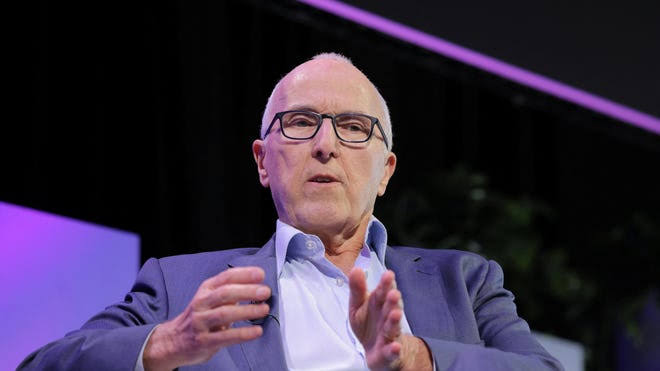
Frank McCourt bids to acquire Tik-Tok’s U.S. operations amid ban concerns
Frank McCourt has officially submitted a bid to acquire the social media platform’s U.S. operations, a move that could reshape the future of Tik-tok in the United States. McCourt, who is best known as the former owner of the Los Angeles Dodgers, is leading a consortium under the initiative dubbed Project Liberty. This comes at a critical time as TikTok faces a potential nationwide ban due to ongoing concerns about data security and its ties to its Chinese parent company, ByteDance. McCourt’s proposal is not just about ownership; it’s about creating a fairer digital landscape. He emphasizes that his goal is to keep TikTok accessible to millions of American users while addressing pressing issues around privacy and algorithm transparency. “We’ve put forward a proposal to ByteDance to realize Project Liberty’s vision for a reimagined TikTok, one built on an American-made tech stack that puts people first,” McCourt stated. The plan involves transferring TikTok’s substantial U.S. user base, approximately 170 million people, to infrastructure developed in the United States. This shift aims to alleviate data security fears and ensure that the platform operates independently from its current, often-criticized algorithms. The consortium backing McCourt’s bid has reportedly secured significant financial support from private equity firms and high-net-worth individuals. Additionally, they have arranged debt financing through one of the largest banks in the country, providing them with the resources needed to pursue this complex acquisition. While the exact financial details of the offer haven’t been disclosed, McCourt’s team has expressed confidence in their ability to navigate this challenging transaction. Project Liberty has garnered support from various TikTok creators and has enlisted a network of experienced legal and financial advisers to help guide them through the process. Notably, “Shark Tank” investor Kevin O’Leary has joined the consortium and confirmed discussions with President-elect Donald Trump regarding the bid. The timing of this bid is particularly crucial as it coincides with a Supreme Court hearing on TikTok’s legal challenge against a federal mandate requiring ByteDance to divest its U.S. operations. The court is set to hear arguments regarding this law, which could force TikTok to sell or face a nationwide ban effective January 19, just one day before Trump’s inauguration. Despite previous reluctance from ByteDance to sell its U.S. assets, McCourt’s consortium remains optimistic about their proposal. They promise not only to preserve TikTok’s cultural impact but also to create a safer and more transparent platform for American users. As the clock ticks down on TikTok’s uncertain future, all eyes are on McCourt and his ambitious plans for Project Liberty. Will this bid succeed in securing a new chapter for TikTok in America? Only time will tell.

NBS to resume operations after cyberattack: What this means for national data integrity
The National Bureau of Statistics (NBS) is set to resume its operations on January 15, 2025, following a significant cyberattack that temporarily crippled its systems. This incident, which occurred on December 18, 2024, disrupted public access to vital national data and raised serious concerns about the security of sensitive information. During a recent workshop organized by the Nigerian Economic Summit Group, NBS officials confirmed the timeline for resuming services. They also announced that both the old and new Consumer Price Index (CPI) figures will be released upon their return. In the wake of the breach, the bureau had urged citizens to ignore any updates from its platforms until they could ensure the integrity of their data. This cyberattack is not an isolated incident; Nigeria has seen a troubling rise in cyber threats targeting both public and private sectors. According to the Nigeria Computer Emergency Response Team (ngCERT), ransomware attacks on local organizations have surged in recent years, impacting critical areas such as finance, technology, and public administration. In fact, Nigerian financial institutions reported losses exceeding ₦17 billion due to fraud in 2024 alone. The NBS breach serves as a stark reminder of the urgent need for stronger cybersecurity measures across the country. Recent penalties imposed on major institutions for inadequate data protection, amounting to over ₦200 million against banks for privacy violations, highlights this pressing issue. Government initiatives like the Nigeria Data Protection Act (NDPA) and the establishment of cybersecurity operation centers are crucial steps toward bolstering defenses against these evolving threats. Collaborative efforts between public entities and private firms are also gaining momentum; for example, Flutterwave has partnered with the Economic and Financial Crimes Commission (EFCC) to create a Cybercrime Research Center. As NBS prepares to resume operations, it emphasizes the importance of ongoing vigilance in cybersecurity. Strengthening policies, investing in advanced technologies, and educating personnel about digital threats are essential for safeguarding Nigeria’s digital landscape. With more institutions embracing digital solutions, robust cybersecurity frameworks are no longer optional, they are essential. The experience of the NBS highlights that proactive measures will be key to ensuring secure digital operations in Nigeria’s future.

NERC transfers regulatory control of Niger state electricity market to NSERC
The Nigerian Electricity Regulatory Commission (NERC) has officially transferred regulatory oversight of the electricity market in Niger State to the Niger State Electricity Regulatory Commission (NSERC) to enhance electricity services across the state. This announcement was made on January 10, 2025, via NERC’s social media channels. This transfer is part of a broader initiative under Nigeria’s amended Constitution and the Electricity Act 2023, which empowers individual states to regulate their own electricity markets. While NERC will continue to oversee inter-state and international electricity operations, this shift represents a crucial step toward localized management of power supply and distribution. As part of this transition, NERC has issued specific directives to two major electricity distribution companies operating in Niger State: the Abuja Electricity Distribution Company (AEDC) and the Ibadan Electricity Distribution Company (IBEDC). AEDC is required to establish a subsidiary, known as AEDC SubCo, dedicated to managing intrastate electricity supply and distribution in Niger State. The company must complete the incorporation of AEDC SubCo within 60 days from January 10, 2024. Following this, AEDC SubCo will need to apply for and obtain a license from NSERC to operate within the state. Similarly, IBEDC must create its own subsidiary, IBEDC SubCo, to handle intrastate responsibilities. The incorporation deadline for IBEDC SubCo is also set at 60 days from January 10, 2024. Like AEDC, IBEDC SubCo will need to secure a license from NSERC before commencing operations. The entire transfer process is expected to be fully implemented by July 9, 2025, ensuring that the transition of regulatory authority is smooth and efficient. This regulatory shift reflects Nigeria’s ongoing efforts to decentralize electricity management. By empowering state-level bodies like NSERC, the government aims to improve efficiency and responsiveness in addressing local electricity needs. In recent years, NERC has already transferred oversight responsibilities to regional bodies in several other states, including Lagos and Ogun. This trend underscores a commitment to fostering better regulation at the state level and enhancing operational effectiveness across Nigeria’s power sector. Stakeholders in Niger State can look forward to more localized oversight of their electricity services, potentially leading to improved service delivery and customer satisfaction as this transition unfolds.

DSS arrests blogger for cloning website and posting fake job ads
The Department of State Services (DSS) has detained a 32-year-old blogger named Sylvester Augustus for allegedly cloning its official website and posting fraudulent job recruitment announcements. Augustus, who hails from Akwa Ibom State and is a graduate of the University of Uyo, was arrested at his home in Abak on Thursday. According to sources within the DSS, he created a counterfeit version of the agency’s website to trick unsuspecting Nigerians into believing that there was an ongoing recruitment drive. The DSS quickly caught wind of Augustus’s scheme and moved to apprehend him before more people fell victim to the scam. Officials have issued a warning to the public, urging them to be vigilant and avoid falling prey to such deceitful tactics. This incident highlights the ongoing issue of online scams targeting job seekers, reminding everyone to verify the authenticity of job postings, especially those that seem too good to be true. The DSS is committed to protecting citizens from fraud and will continue to take action against those who exploit others for personal gain.