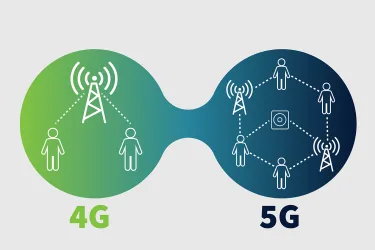
Every new generation takes what worked before, fix what didn’t, and then push things even further. That’s usually how progress is meant to work and if you think about it, you have seen this pattern before, where new ideas are birthed because something needs to be better. The same thing has happened with mobile networks. Every time you moved from 3G to 4G and now from 4G to 5G, it wasn’t just about a new name, it was about solving problems you probably didn’t even realise you were experiencing. Problems like slow downloads, videos that keep stopping to load, calls that suddenly cut off and video chats that delay. So when people talk about generations of mobile technology, they are talking about a story of improvement. One generation responds to the limits of the one before it, another fixes the cracks the other exposed. Now, you are standing at the peak of another improvement – 4G to 5G. Most people worry whether the new improvement is truly better or it’s another upgrade they need to pay for. Let’s check if that’s true or not! What Is 4G? You have probably seen the ‘4G’ icon that pops up when you are browsing or on a video call. 4G represents the fourth generation of mobile networks, and it’s a leap from 3G. If you have ever used 3G, you can attest to the fact that it used to feel a bit slow like your videos taking a lot of time to load. 4G fixed most of these issues. It’s faster with up to 100 Mbps (Megabits per second), more reliable and can handle all your apps, video calls and remote work. With 4G, you can browse the Internet quickly. You can join smooth video calls with friends and colleagues. 4G made our smartphones truly smart. How 4G works You know how your phone magically sends videos and messages on WhatsApp in seconds? That’s 4G working. Your phone sends and receives information using radio signals that track nearby masts (the tall towers you see around) which connect to the Internet. The signals move through different lanes called spectrum. It carries all your videos, calls, messages and more. That’s why you can chat, stream and watch videos without delays. In Nigeria, most cities and towns are covered by these 4G masts so your internet usually works smoothly, as long as you are in a covered area. What is 5G? 5G is the fifth generation of mobile networks and it’s the latest upgrade from 4G. It’s up to 100 times faster than 4G, realistically up to 1Gbps (Gigabits per second). 5G supports the use of phones, smart gadgets and AI applications. At the same time, it can handle multiple operations without slowing down. 5G is designed to improve on 4G, to solve the limits we are used to, and to create opportunities for new technology that wasn’t possible before. How 5G works First, 5G uses a higher frequency spectrum. It uses faster airwaves to transmit information. It’s like switching from a normal road to an express motorway. Here’s the catch, those higher frequencies don’t travel as far as 4G signals. Instead of relying on big masts that are far apart, 5G uses many small towers, which are often called small cells. You might see them on streetlights, poles or building walls. They are closer to you, so as to keep the connection strong and fast. Because of these faster airwaves and more small cells working together, your data moves much quicker between your phone and the internet. That’s why 5G can download large files in seconds. 5G is basically a 4G system but it’s upgraded to handle more speed, more devices and more demand from people who are online all the time. 4G vs 5G Below are some of the features that distinctly differentiate 4G from 5G Features 4G 5G Full Meaning Fourth Generation mobile network Fifth Generation mobile network Speed It’s fast enough for streaming, browsing and video calls It’s much more faster, up to 1 Gigabits per second Download Large files can take minutes Large files can download in seconds Latency Little delay here and there when gaming or during video calls Almost instant response Number of Devices Supported It handles many devices but can slow down in crowded areas It handles far more devices without slowing down Network Infrastructure It uses large masts spaced across cities and towns It uses large masts and many smaller cells placed closer together Best for For social media, streaming, browsing, and online classes Advanced technologies, smart devices and artificial intelligence tools Coverage in Nigeria It’s widely available across cities and towns It’s still limited and expanding in selected areas Stability in Nigeria It’s more stable and dependable It depends heavily on location and coverage Should Nigerians upgrade to 5G? In Nigeria, 4G is what most of us rely on. It’s available in cities, towns and even some rural areas. To decide on whether to move from 4G to 5G in Nigeria isn’t about having the latest phone, it’s about if the network is actually ready to give you the benefits where you live, work and travel. Findings from TechAfrica, TheCable and Daily Trust have shown if Nigerians are ready for 5G. Many Nigerians have 5G phones but can’t use 5G yet. According to the Nigerian Communications Commission (NCC), about half of Nigerians who own 5G devices still cannot access 5G network services. Edoyemi Ogoh, director of technical standards and network integrity at the commission, spoke on 5G network while presenting the fourth quarter (Q4) 2025 industry performance reports. According to him; “About 50 percent of Nigerians with 5G devices don’t have access to 5G service.This means there is no 5G service in the areas where they want to basically utilise it. So, there is still a gap in the 5G coverage” – Ogoh This connotes that even if your phone shows a 5G symbol, the actual internet connection may fall back to 4G because there
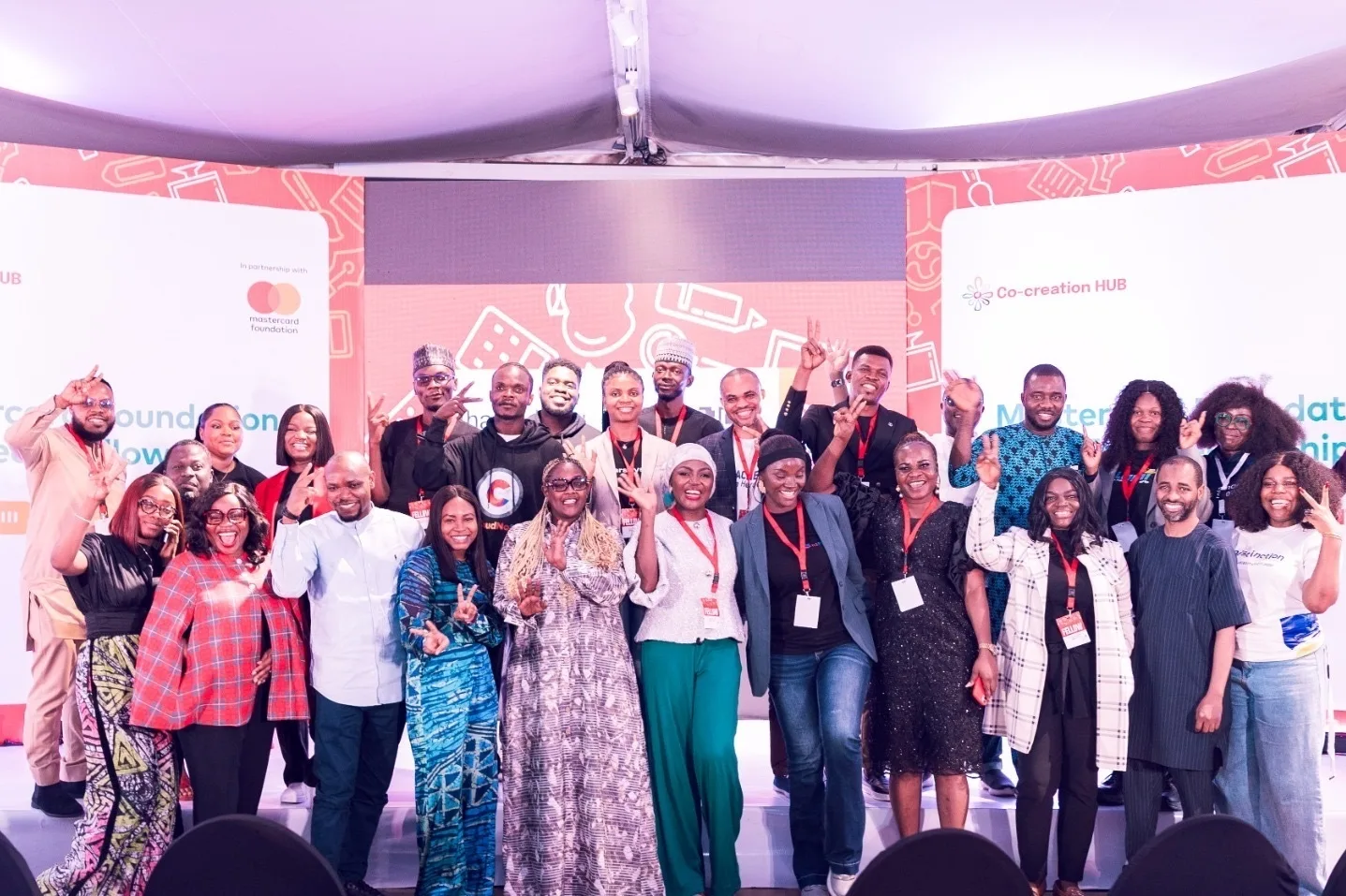
CcHUB, Mastercard Foundation open applications for $1.2 million EdTech fellowship
Co-Creation Hub (CcHUB) has launched the fourth cohort of its Mastercard Foundation EdTech Fellowship, offering a combined $1.2 million in equity-free funding to Nigerian startups. The program will select 12 early-stage companies to receive $100,000 each to accelerate the development of inclusive educational technology.The Mastercard Foundation established the EdTech Fellowship in 2019 to bridge the educational divide in underserved African communities. CcHUB is the primary implementation partner in Nigeria, managing the selection and incubation of local startups.This fourth cohort is targeted at building technology designed for environments with poor connectivity, disrupted school calendars, and marginalized student populations, including refugees and learners with disabilities. “The EdTech Fellowship was established to expand access to technology-enabled education for underserved and marginalised communities” – Mastercard Foundation The program is for startups building tools for learners which is often excluded from mainstream tech, such as rural communities, displaced persons, and young women.Since its inception, the fellowship has supported 72 startups across the continent, reaching over 700,000 students.Each of the 12 selected startups will receive $100,000 without relinquishing any company ownership to the foundations.Beneficiaries will undergo twelve-months of extensive incubation program, aimed at providing technical assistance, mentorship, and access to a network of regional education partners.The application window for Nigerian EdTech founders is currently open and will close on April 10, 2026.
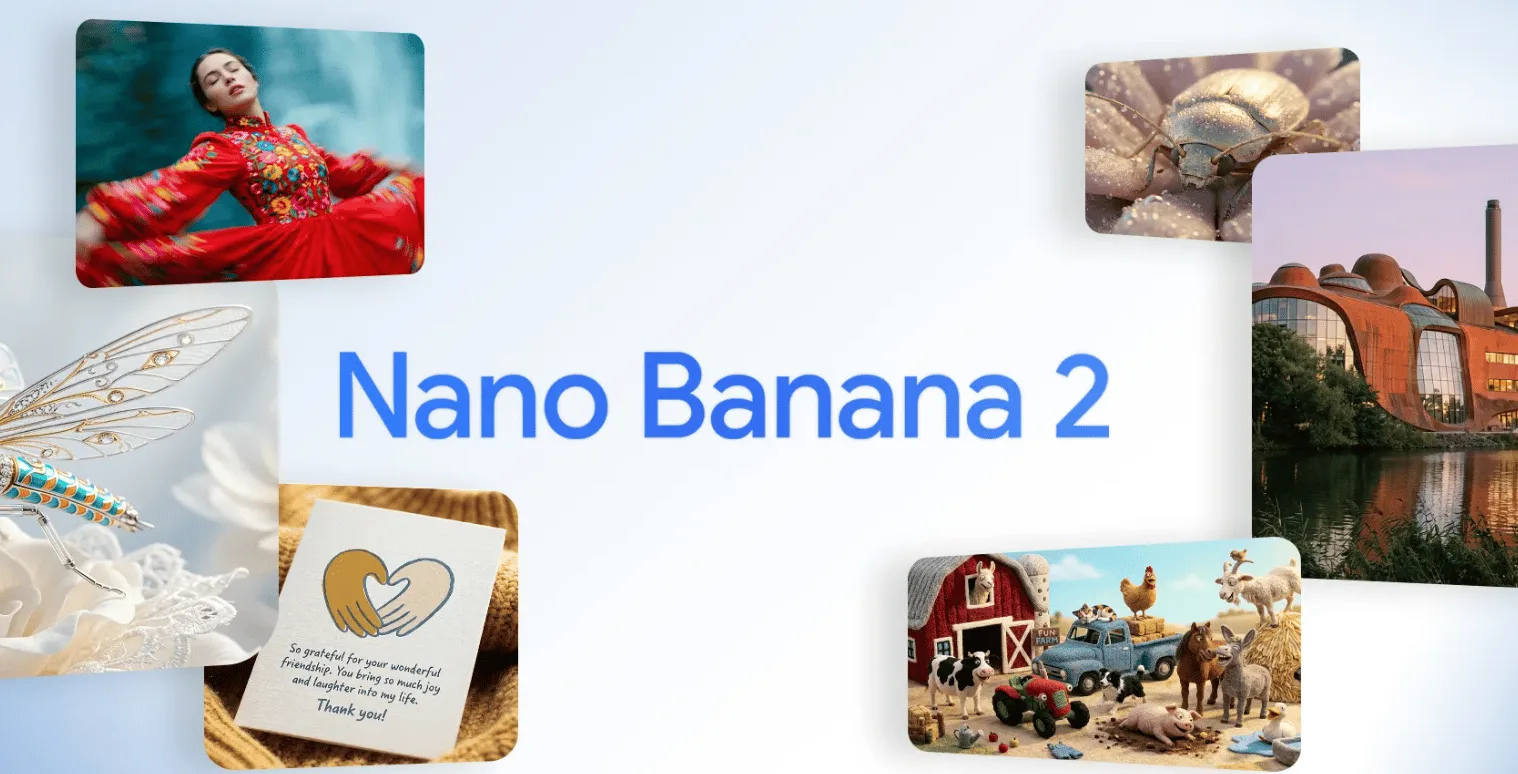
Google launches ‘Nano Banana 2’ AI Image Suite in Nigeria
Google, on Thursday, has officially launched its latest artificial intelligence image generation model, Nano Banana 2, in Nigeria. The new suite will be integrated directly into the Google app, Search (AI Mode), and Google Lens, to provide professional creative tools to millions of mobile and desktop users across Nigeria.Google developed Nano Banana 2, which is technically known as Gemini 3.1 Flash Image, after examining its success of the original Nano Banana model in mid-2025, in order to bridge the gap between high-speed performance and high-fidelity output.This rollout is aimed at supporting the creator economy by making sophisticated design tools accessible without the need for specialized hardware or technical expertise.Nano Banana 2 uses real-time web search and the Google Images library to ensure that generated landmarks, brands, and objects maintain factual integrity.The model allows creators to maintain the same facial features and clothing for a protagonist across multiple different prompts, thereby facilitating long-form storytelling and storyboarding.To mitigate the risk of deepfakes and misinformation, every image contains SynthID, which is an invisible digital watermark and C2PA metadata for clear identification of AI-generated content.Google executives argue that integrating these tools into the everyday Google app, small business owners and students can produce high-quality marketing assets and educational materials at zero cost, thereby fostering economic growth in the digital sector.Taiwo Kola-Ogunlade, Google’s Communications and PR Manager for West Africa, added; “We want to make sure the best technology is accessible to everyone. Nigerians are some of the most creative people in the world, and today we’re expanding these tools to give them a new way to express that” The service is currently live for all Nigerian users via the Google App and mobile browsers. Google also stated that the next phase of development will focus on expanding in-image localization, allowing the AI to seamlessly translate and render text within graphics across several more African languages.

Meta to launch parental alerts for harmful teen searches on Instagram
Meta has announced an update to Instagram’s safety features, by alerting parents when their teenage children repeatedly search for content related to suicide or self-harm. The rollout will commence next week in the United Kingdom, United States, Australia, and Canada, and a plan to expand the policy across the world.This policy was a response to the 2017 case of 14-year-old Molly Russell in the UK, whose death was linked to harmful content viewed on Instagram and Pinterest.Previously, Instagram’s safety measures focused primarily on blocking harmful search terms and providing direct support to the user. Instagram intended to achieve this, by bypassing the privacy of teens to notify parents directly about specific search behaviors, provided they are enrolled in the “Teen Accounts” supervision experience.The platform will send alerts via email, text, WhatsApp, or the Instagram app when it detects a pattern of searches for suicide or self-harm within a short timeframe.Meta plans to extend these alerts to teen interactions with its AI chatbots in months to come.Many believes that the system errs on the side of caution to protect vulnerable users. They maintain that dropping a notification, accompanied by expert resources, empowers parents to intervene before a crisis occurs. While others argue that forced disclosures could damage the trust between parents and children, potentially leaving parents panicked and ill-prepared for sensitive conversations and that these notifications pass the buck to parents rather than addressing the underlying issue.
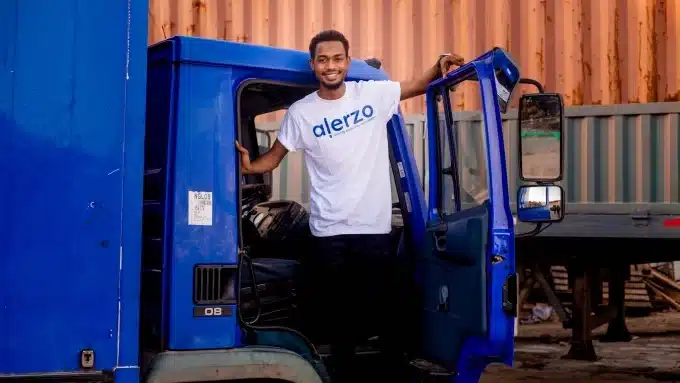
Alerzo liquidates logistics fleet, over ₦4.38 billion debt dispute with Moniepoint
Alerzo has commenced the liquidation of its delivery fleet, including shuttle buses, delivery vans and dispatch motorcycles, to settle an outstanding ₦4.38 billion debt. The decision was made after a Federal High Court order in Lagos, in early February, froze the assets of the company three weeks ago, over refusal to pay back a ₦5 billion 18 months repayment loan from Moniepoint Microfinance Bank.Alerzo, which was founded as a digital bridge between manufacturers and small retailers, secured $20 million in funding to digitize the retail supply chain in the Southwest. The company invested heavily in an internal logistics network across Lagos, Oyo, and Ogun states, in order to maintain low prices and fast delivery. However, the high costs of vehicle maintenance, fuel, and labor, combined with thin profit margins, strained the cash flow of the company. In January 2025, Alerzo secured a ₦5 billion working capital loan from Moniepoint. By late 2025, the startup failed to meet repayment schedules, prompting legal action from the Moniepoint Microfinance Bank to recover the remaining ₦4.38 billion plus accrued interest.The court-appointed liquidators have been dispatched to evaluate the total value of the physical assets of Alerzo, and the liquidation process will continue through March 2026.
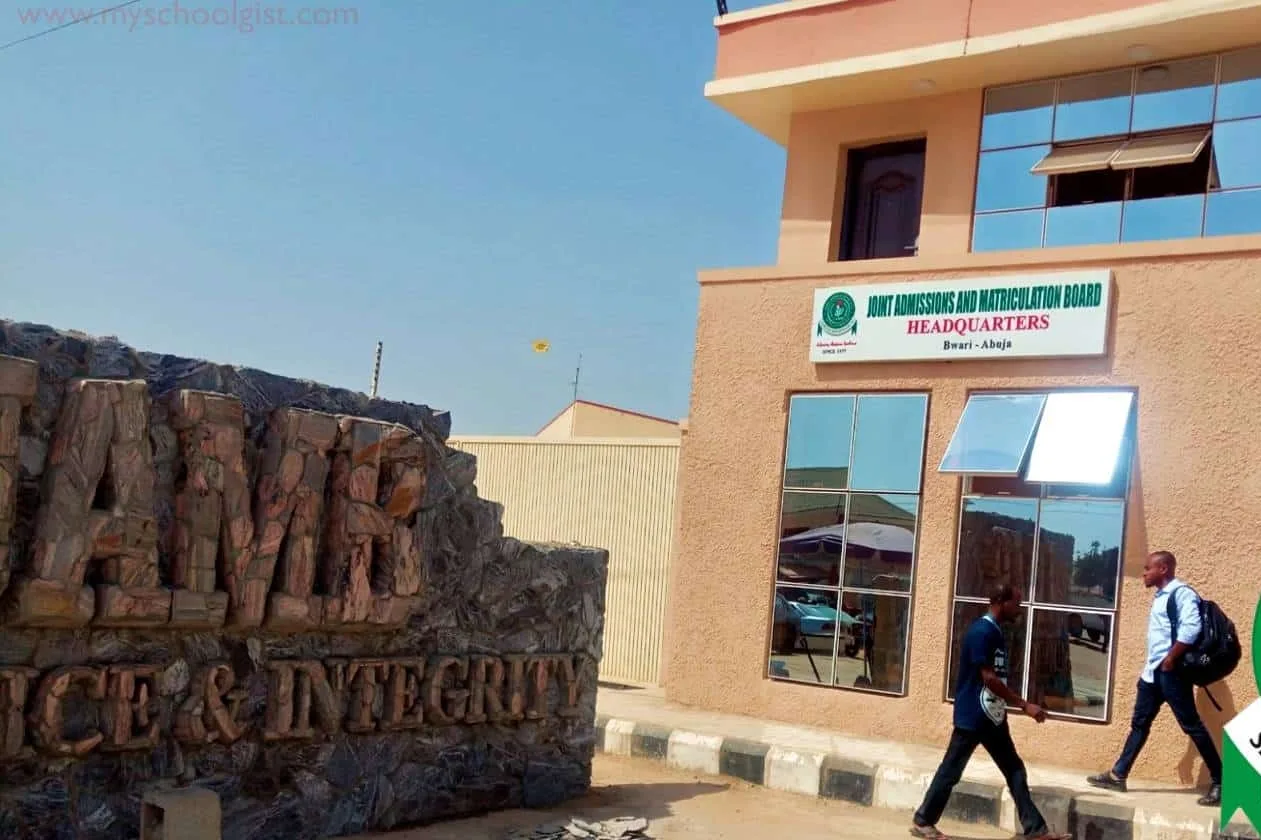
JAMB increases exam centres, warns candidates on fake SMS
The Joint Admissions and Matriculation Board (JAMB) has increased the number of accredited Computer-Based Test (CBT) centres nationwide from fewer than 800 last year to 1,000, as preparations for the 2026 Unified Tertiary Matriculation Examination (UTME) draws near. The update was presented before the Nigerian Senate by Dr Muftau Bello, a director in the office of the Registrar, Professor Ishaq Oloyede. According to JAMB, the expansion is aimed at improving access, easing logistics, and ensuring smoother nationwide coordination of the examination. JAMB explained that the accreditation of CBT centres was finalized after an evaluation process to determine their suitability for conducting the examination. The accreditation team includes chief external examiners such as vice-chancellors, rectors, and provosts, alongside technical advisers, JAMB state coordinators, and other board officials.The board hopes to make candidate placement more flexible and better structured compared to previous years. JAMB spokesperson, Dr Fabian Benjamin, urged candidates to complete their registration before the deadline, stressing that there will be no extension this year. He expressed concern over the low use of available registration capacity across centres nationwide. According to him, JAMB has the capacity to register up to 100,000 candidates daily. However, centres are currently operating at barely 30% of that capacity, meaning many prospective candidates are yet to register. JAMB aims to surpass the 1.95 million candidates recorded in the 2025 examination. As of February 17, the board confirmed the registration of 1.5 million candidates for the 2026 UTME. Things to note JAMB has warned candidates to ignore viral SMS messages from unofficial sources and rely only on verified information from the board.