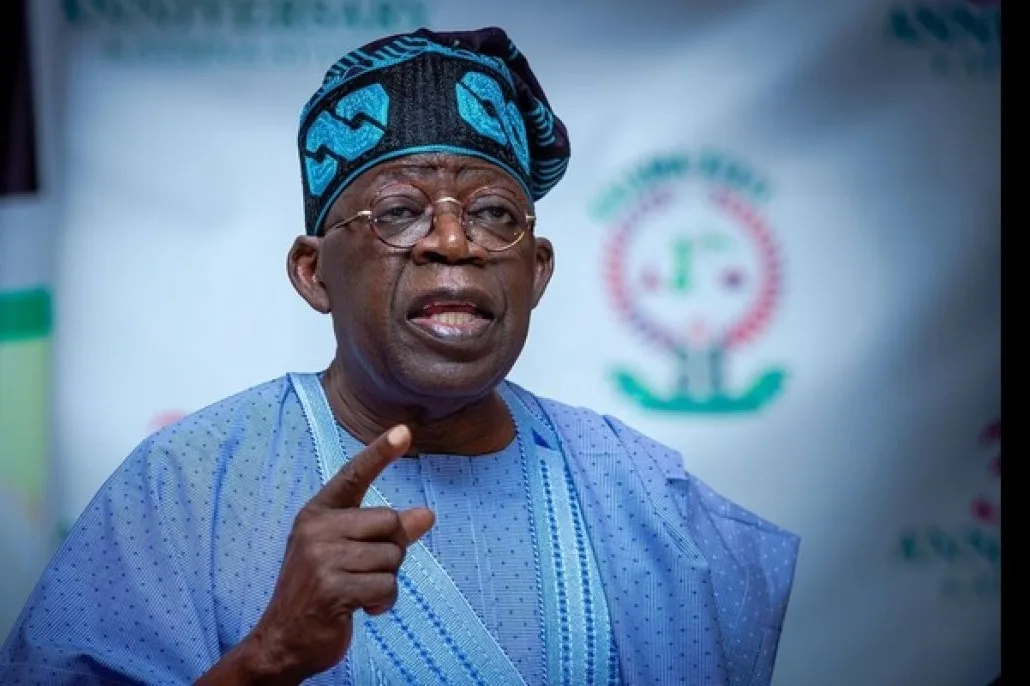
President Bola Tinubu has ordered the suspension of the Federal Airports Authority of Nigeria’s (FAAN) mandatory cashless payment policy. This directive, was issued on March 4, 2026, just three days after a rollout that resulted in severe traffic congestion, which made many passengers miss their flights at Lagos and Abuja international airports. The Minister of Aviation, Minister Festus Keyamo stated that the directive by the president was born out of compassion for the greater good of Nigerians; ”He [the President] gave the directive out of compassion for the members of the public who are missing their flights and who spend long periods in traffic. We are to revert to cash payments while developing a more seamless system” – Minister Festus Keyamo Recall, in September 2025, FAAN announced the transition to a fully digital payment system for all vehicles entering airport premises. The Go Cashless policy, which is powered by a partnership with the fintech firm Paystack, mandates all motorists to use prepaid cards. The policy is targeted at enforcing the Federal Treasury Single Account (TSA) regulations, in order to eliminate physical cash handling by government agencies.However, the implementation on March 1, 2026, overwhelmed airport access points. This was because thousands of motorists were attempting to register and fund cards at airport gates, thereby creating queues that stretched several kilometers. Motorists are advised to pay with cash at all airport gates with immediate effect, as FAAN reverts to a hybrid system of cash and prepaid cards.The mandatory digital-only phase lasted only 72 hours before the presidency intervened to prevent further economic disruption and missed flight schedules.The Federal Government as well as FAAN stressed that the move toward a cashless economy is a non-negotiable directive for all ministries and agencies. FAAN officials initially blamed the congestion on motorists who failed to register for cards during the five-month notice period provided since September 2025.

Tinubu signs Electoral Act 2026 mandating 24-hour fresh polls for BVAS failures
The Federal Government of Nigeria has enacted the Electoral Act 2026, in order to transform the protocol for electronic voting failures, which was signed into law by President Bola Tinubu in February 2026. The 2026 Act serves as a response to the logistical and technological challenges of the 2023 general elections. During that cycle, BVAS malfunctions, including dead batteries and server connectivity issues, led to the disenfranchisement of voters in several states. The Act, specifically, Section 47(3), stipulated that if an accreditation device fails and a replacement is not deployed, the election in that specific polling unit must be cancelled and a fresh poll conducted within 24 hours.If a device failure occurs and impacts the final result of any constituency, INEC must schedule a new election within 24 hours. This replaces the previous practice of scheduling supplementary elections weeks later.Section 47(2) also grants full permission to use the BVAS or an equivalent technological device for all voter accreditations, thereby removing the previous discretion of INEC to revert to manual registers.The Senate believes that the 24-hour timeline prevents result engineering that often occurs during long delays; “The Electoral Act 2026… seeks to enhance electoral credibility, reduce disputes, and ensure that economic or administrative hurdles do not compromise the will of the people” – Opeyemi Bamidele (Senate Leader) Meanwhile, Section 60(6) introduces new penalties, which include a ₦500,000 fine or six months’ imprisonment, for any presiding officer who willfully frustrates the electronic transmission of results.
Airtel’s SmartCash reaches 3 million active users
SmartCash Payment Service Bank (PSB), the financial services subsidiary of Airtel Nigeria, has reached a milestone of 3 million active users. The Central Bank of Nigeria (CBN) introduced the Payment Service Bank (PSB) category in 2018 to deepen financial inclusion, particularly in rural areas. Unlike traditional commercial banks, PSBs are permitted to accept deposits and facilitate transfers but are restricted from issuing loans or insurance.While telecom-led fintechs like SmartCash leverage on existing subscriber bases, they have struggled to match the revenue of competitors such as OPay, PalmPay, and Moniepoint. As of late 2025, SmartCash reported approximately $6 million in revenue. To bridge this gap, Airtel is pivoting toward a Zero-Charges strategy to convert passive telecom users into active financial customers.SmartCash stated that its 3 million users are customers who have transacted within the last 30 days.SmartCash has also eliminated all charges for interbank transfers, bill payments, and SMS alerts, eliminating the psychological tax that often deters low-income earners from digital banking.The bank offers a 15% annual interest rate on savings, with interest calculated and credited daily, though this remains subject to adjustments based on the Central Bank’s Monetary Policy Rate (MPR). “Transaction costs act as barriers to people accessing financial services. We are eliminating this barrier, come and transact… It is a deliberate effort to remove the ‘psychological tax’ that discourages low-income and rural Nigerians” – Ayotunde Kuponiyi, Chief Executive Officer of SmartCash PSB The company also plans to utilize its growing deposit base to power a large digital ecosystem, by seeking partnerships to offer insurance and remittance services to its expanding user base.

US-Iran conflict: What it means for Nigeria’s economy and exchange rate
The United States President, Donald Trump, has approved military action against Iran, over national security concerns and allegations of nuclear ambitions. Iran has reportedly responded by targeting U.S. interests across parts of the Middle East, including the United Arab Emirates, Bahrain, Qatar, Kuwait, Israel, and Saudi Arabia. Although the attacks occurred over the weekend when financial markets were closed, analysts are already projecting the potential economic implications worldwide. Iran produces an estimated 1.5 million barrels of crude oil per day, while Gulf nations under threat collectively account for about 18 million barrels daily. Any prolonged disruption could tighten global supply. There are also concerns that Iran could attempt to close the Strait of Hormuz, a shipping route responsible for nearly 20% of global oil supply, which might disrupt global energy markets. What this means for Nigeria Nigeria currently produces about 1.47 million barrels per day, according to recent OPEC data. If Gulf production is disrupted, Nigeria could benefit from increased demand provided it can boost output. Brent crude has already climbed to around $73 per barrel following the attack, with analysts warning prices could exceed $100 if the tension persist. Historically, higher oil prices have translated into increased revenue for Nigeria. Higher global crude prices typically push up petrol prices locally. Although domestic refining capacity has improved and helped stabilize prices recently, Nigeria still remains sensitive to global benchmarks. A sustained rise in crude prices could trigger another increase in fuel costs. Nigeria relies heavily on oil earnings to build foreign reserves. With reserves currently above $50 billion, the naira may remain relatively stable in the short term. If Nigeria benefits from higher oil prices and increased output, the naira could strengthen. However, rising global uncertainty may cause foreign investors to pull back from emerging markets, potentially weakening capital inflows and pressuring the exchange rate. Geopolitical instability might dampens investor confidence. Global investors may delay or suspend investment decisions due to heightened risk. This could slow foreign direct investment (FDI) and portfolio inflows into Nigeria. Past geopolitical shocks such as the Russia-Ukraine war led to rising global commodity prices. If oil prices surge, energy costs could rise globally, pushing up prices of fertilizers, food, transportation, and manufactured goods. As Nigeria imports a substantial share of its goods and services, this could worsen domestic inflation. While Nigeria could benefit from higher crude oil prices and improved government revenue, the broader global instability presents risks. These include inflationary pressures, reduced capital inflows, and supply chain disruptions.
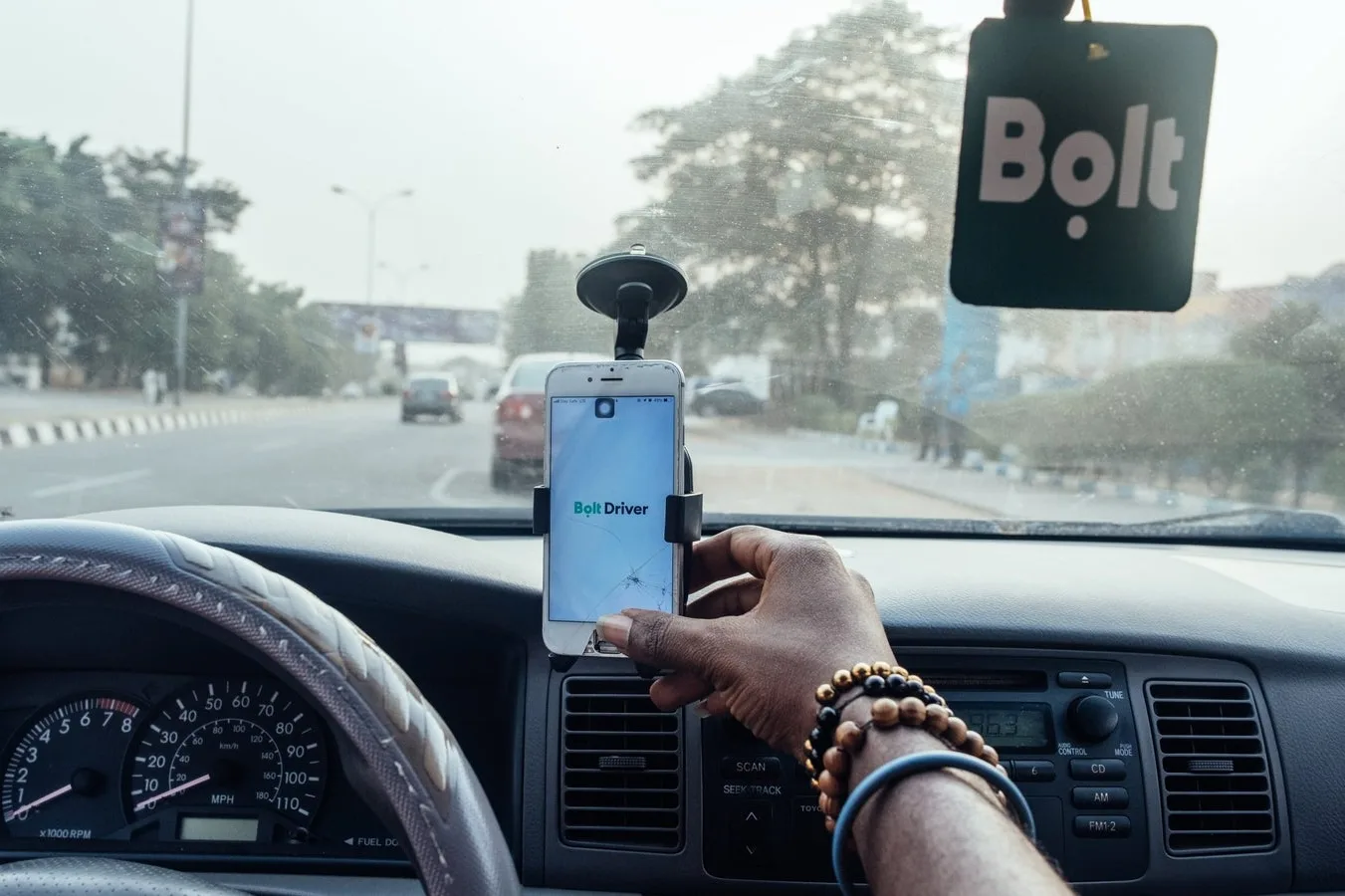
AUATON slam Bolt over 75% fare retention claims
The Amalgamated Union of App-based Transporters of Nigeria (AUATON) has refuted claims raised by Bolt regarding driver earnings. While Bolt claimed that drivers retain over 75% of their fares, the union argues that after accounting for operational costs, actual take-home pay falls below 4% of gross daily revenue. AUATON calculates that on a ₦60,000 daily gross, a driver nets only ₦2,300, that is roughly 3.8%, after expenses.Daily Tech Nigeria gathered that both Bolt and Uber charge a 20-25% commission on every trip. However, drivers in Lagos face a unique set of financial pressures, including daily state levies, high vehicle maintenance costs due to road conditions, and the remittance system, where an estimated 90% of drivers do not own their vehicles and must pay weekly fees to fleet owners.Fuel is the largest operational expense, costing an average of ₦25,000 per day, nearly 42% of the total daily gross earnings of drivers.To fit into the current economic conditions, drivers do work between 12 and 15 hours daily, leading to increased fatigue and road safety risks.AUATON argues that the platform fails to account for the current economic reality of Nigeria. They stated that the combination of commissions of the platform, government taxes, fuel prices, and vehicle hire-purchase payments makes the current model unsustainable. The union describes the 75% claim asmisleading oversimplification that ignores the net income required for a driver’s survival. “These claims do not reflect the lived economic realities of drivers who navigate Lagos roads daily. Commission percentages alone do not equate to real income, nor do they account for the severe financial pressures drivers face in Nigeria’s current economic climate” – Comrade Jaiyesimi Azeez, Chairman of the AUATON Lagos State Council The union has called for a meeting with Bolt, Uber, and inDrive to review fare structures and commission models.
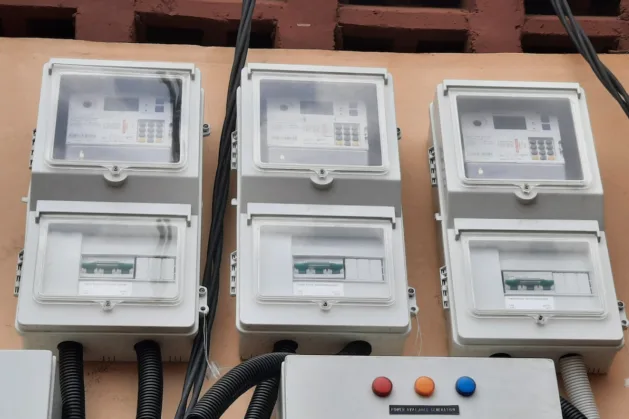
Nigeria surpasses 50% electricity metering milestone
Nigeria has reached a milestone in the utility sector, with more than half of its registered electricity consumers now using prepaid meters. According to the latest data from the Nigerian Electricity Regulatory Commission (NERC), the national metering rate rose to 57.27% by the end of December 2025, unlike previous months.Before now, the power sector has been struggling with estimated billing, where customers without meters are charged based on perceived consumption rather than actual usage. This system for decades resulted in overbilling and systemic liquidity issues for Distribution Companies (DisCos). To address this bottleneck, the NERC introduced the Meter Asset Provider (MAP) scheme and the National Mass Metering Programme (NMMP) to accelerate the transition to a pay-as-you-go model.Many Nigerians, as well as electricity stakeholders welcomed the transition to the prepaid metering system as a critical step in making the Nigerian power sector commercially viable. The prepaid metering system allows consumers to monitor their energy consumption, as well as ensuring that DisCos receive accurate payments for the electricity they supply.Out of 12,163,412 active electricity customers in Nigeria, 6,966,584 are now metered.The Ikeja DisCo leads the nation with a 86.40% metering rate, while Kaduna DisCo lags behind at just 34.42%. Distribution companies installed 109,556 new meters in December 2025 alone, representing a 24% increase in the pace of installation compared to the previous month.Stakeholders argue that the increased pace of installation will reduce commercial losses and provide the necessary capital to upgrade the national grid.However, Daily Tech Nigeria gathered from an existing report that nearly 5.1 million customers, roughly 43% of the market, still lack meters. According to reports those without meters remain vulnerable to arbitrary estimated bills, which often exceed the actual value of the power delivered. The recent 40% hike in the price of prepaid meters has made access more difficult for low-income households.NERC expects the metering rate to surpass 65% by the end of 2026. The Federal Government of Nigeria is reviewing financing models to make meters more affordable following the recent price adjustments.