
On Friday evening in Kisumu County, Kenya, a bus carrying mourners home from a funeral crashed, killing 21 people. According to Regional Traffic Commander Peter Maina, the bus lost control, veered off the road, and rolled into a ditch. Among the dead were 10 women, 10 men, and a 10-year-old girl. Five others were seriously injured, including an eight-month-old baby currently receiving care in a nearby hospital. The bus had been returning from a funeral earlier that day, local media reported. Emergency responders arrived at the scene quickly, but the scale of the crash caused significant loss of life. Commander Maina said, “The vehicle lost control, veered, rolled onto the other side of the road. We lost 21 persons, including women, men, and children.” This tragic accident shows the ongoing road safety concerns in the region. Authorities are investigating the cause and assessing how such crashes can be prevented in the future.

Two ministers among eight killed in Ghana military helicopter crash
A Ghana Armed Forces helicopter crashed on Wednesday, August 6, 2025, in the Ashanti region, killing all eight people on board, including two key government ministers. The crash claimed the lives of Defence Minister Dr. Edward Omane Boamah and Environment, Science and Technology Minister Dr. Ibrahim Murtala Muhammed. Other victims included Acting Deputy National Security Coordinator Alhaji Muniru Mohammed, Dr. Samuel Sarpong, Vice Chairman of the ruling National Democratic Congress, and former parliamentary candidate Samuel Aboagye. The three military crew members onboard also died. The helicopter took off from Accra at 9:12 GMT, heading to Obuasi for an event targeting illegal mining. The aircraft lost radar contact before going down, according to the BBC. Ghana’s Chief of Staff, Julius Debrah, said the accident is a national loss and extended condolences to the victims’ families. The government has launched an investigation into the crash. Dr. Omane Boamah, who became Defence Minister earlier this year, was central to efforts bolstering Ghana’s security, especially against threats from jihadist groups in neighboring Sahel countries. In response to the tragedy, Ghana has declared a national mourning period, ordering flags to fly at half-mast. The cause of the crash remains unknown as investigations continue.

Canal+ wins final approval to acquire MultiChoice
French media giant Canal+ has received the final go-ahead from South Africa’s Competition Tribunal to acquire MultiChoice, the leading pay-TV company in Africa. This approval moves the deal closer to completion, expected before October 8, 2025. Canal+ began its takeover bid earlier this year after crossing the 35% ownership mark that legally triggers a mandatory buyout offer. The French firm offered R125 per MultiChoice share, valuing the deal at over R55 billion (about $3 billion). Already, Canal+ owns a 45.2% stake after buying shares on the open market. The deal needed approval from multiple South African regulators, including the Competition Tribunal, Johannesburg Stock Exchange, and broadcasting authority Icasa. The Competition Tribunal’s ok is the most critical regulatory hurdle cleared. Both companies announced a public interest plan supporting small businesses and investment in local content and sports. This aims to boost inclusivity and growth for South Africa’s audio-visual sector. To comply with South African laws limiting foreign ownership in broadcasting, MultiChoice operations will be restructured into a new entity called LicenceCo. This will be majority-owned by historically disadvantaged persons, with Canal+ having limited voting rights capped at 20%. MultiChoice Group keeps a 49% economic interest and 20% voting control. MultiChoice CEO Calvo Mawela called the merger “a significant milestone” that will build a global media powerhouse focused on Africa. Subscribers should see no disruption and may benefit from improved local content and technology as the companies integrate.

Meta bows to South African court, will hand over WhatsApp data linked to Abuse of School Children
Meta, which owns WhatsApp, Facebook, and Instagram, has agreed to share user details of accounts that distributed explicit content involving South African school children, ending a tense court face-off with local authorities. The story began when a South African law firm, the Digital Law Company, discovered disturbing content being shared on WhatsApp and Instagram, private images and details of schoolchildren, posted for all to see. Worse, new accounts were being created every few minutes, making it hard to stop the spread. The firm quickly got a court order forcing Meta to shut down more than 60 of these channels and pages. The court also demanded Meta hand over details, names, emails, numbers, IP addresses, of those behind the accounts so police could act. At first, Meta did not comply. This led to a contempt of court case, with the threat that Meta’s top official in Southern Africa could be jailed for ignoring the order. Meta argued the wrong corporate divisions were named in the court action and hesitated, but critics said the tech giant simply wasn’t willing to act, even though the safety of children was at risk. The tide turned as public pressure grew and more child protection groups raised the alarm. Under mounting criticism, and the hammer of the court, Meta finally said it would supply the information required within three business days, as long as the details stayed confidential. The court ruling also set up a two-year direct hotline between Meta and the Digital Law Company to respond to future urgent cases. Emma Sadleir, who led the Digital Law Company team, celebrated the verdict: “We are absolutely elated at the judgment handed down by the Johannesburg High Court today. We welcome this victory and will be celebrating.” Thandi Mokoena, a spokesperson for a Johannesburg-based child welfare group, said: “This sends a strong message that tech companies cannot hide behind privacy policies when children’s safety is at stake.” Not everyone is fully at ease. The South African Digital Rights Forum urged caution: “While protecting children is paramount, we must ensure that data disclosures do not set a precedent for unchecked surveillance.” Legal experts say this case could reshape how tech giants respond to local laws in Africa. “It’s a balancing act between user privacy and public interest,” said Karl Blom, a senior associate at a leading law firm. He noted that Meta’s move shows courts in Africa can pressure global firms, but it also opens up tough questions about just how far such orders should go. This ruling may effect changes beyond South Africa, as Nigeria and Kenya also face growing calls for big tech companies to respect tough data privacy rules. The issue touches on more than just one country, how companies handle data protection, privacy promises, and their duty to protect the public. For users, there’s a dilemma. Many are relieved to see fast action against cybercrime, but some worry this could be the first step towards less privacy on messaging platforms. WhatsApp’s encryption might protect the content of messages, but subscriber data, account details and connection info, can still reveal identities. South Africa’s privacy regulator is also not letting up, warning tech giants that scrutiny will only grow if they don’t follow local law.

Kenya’s Mediamax announces job cuts due to rising digital challenges
Kenya’s Mediamax Network Limited, parent company of K24 TV and People Daily, is laying off an undisclosed number of staff due to digital disruption and tough economic conditions. Mediamax has confirmed its sixth round of job cuts in four years, citing shifts in consumer habits, accelerated digital disruption, and stringent government regulations as key reasons for restructuring. CEO Ken Ngaruiya explained that the company is working through a difficult macroeconomic environment with declining sales volumes forcing a rethink of its business model. Employees affected will receive full salary payments up to their termination date, salary in lieu of notice, compensation for unused leave, and severance pay calculated at 15 days for each year worked, less any debts owed to Mediamax. Over 500 media workers have lost jobs in the past two years as traditional outlets rush to adopt digital-first approaches. Ngaruiya pointed to issues such as delayed payments from national and county governments, exclusive advertising contracts favoring one media company by the government, and restrictions on betting advertisements as factors worsening revenue loss. Similar cutbacks have hit other media firms in Kenya. Nation Media Group reduced its staff by 16 earlier this year, and Standard Group laid off over 300 employees in 2024 amid financial losses. These layoffs show the ongoing upheaval in African media industries adapting to digital realities and restrictive regulatory environments.
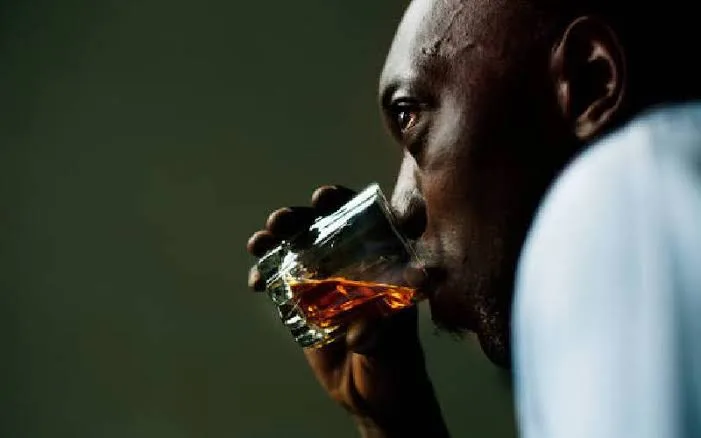
Kenya moves to raise drinking age and ban online alcohol sales
Kenya has announced plans to raise the legal drinking age to 21 and ban all online alcohol sales, in a bold effort to tackle rising alcohol abuse among young people. The new policy, approved by the Kenyan Cabinet on June 24, 2025, is part of the country’s 2025 National Policy on Alcohol, Drugs, and Substance Abuse. The reforms target digital alcohol sales, home deliveries, and celebrity endorsements, aiming to close loopholes that make it easy for minors to access alcohol. According to the National Authority for the Campaign Against Alcohol and Drug Abuse (NACADA), about 4.7 million Kenyans between ages 15 and 65 drink alcohol, with the highest rates among 18- to 24-year-olds. Worryingly, one in ten high school students admit to drinking, and some children as young as six are being exposed to alcohol at home or in their communities. NACADA says raising the drinking age is based on global research. “The proposal to raise the legal drinking age to 21 is a well-informed prevention strategy grounded in scientific research, public health best practices, and evidence from global success stories,” the agency said in a statement. They point to countries like the United States, which have seen lower rates of underage drinking and alcohol-related harm after increasing the minimum drinking age. The policy also bans alcohol outlets near schools, churches, and residential areas, and blocks outdoor and social media advertising targeted at young people. Alcohol packaging will now require health warnings in both English and Kiswahili. NACADA flagged online sales and deliveries as a major problem. “Teenagers are ordering alcohol from their phones and getting it delivered to their homes. This must stop,” the agency stated. The reforms go beyond just restrictions. The government plans to expand treatment and rehab centres, train teachers and health workers to spot early signs of abuse, and encourage employers to address alcohol-related productivity losses. Reactions to the new rules are mixed. Public health advocates and government officials say the changes are needed to protect young people. “Raising the legal drinking age to 21 aligns Kenya with global best practices and will help delay early exposure, which is linked to long-term addiction, mental health issues, and gender-based violence,” a NACADA spokesperson said. But some in the alcohol industry warn of economic impacts. They argue that strict rules could drive trade underground and increase the market for illicit brews, which are already a big problem in Kenya. The new policy builds on previous laws but adds tougher measures and a focus on both supply and demand.